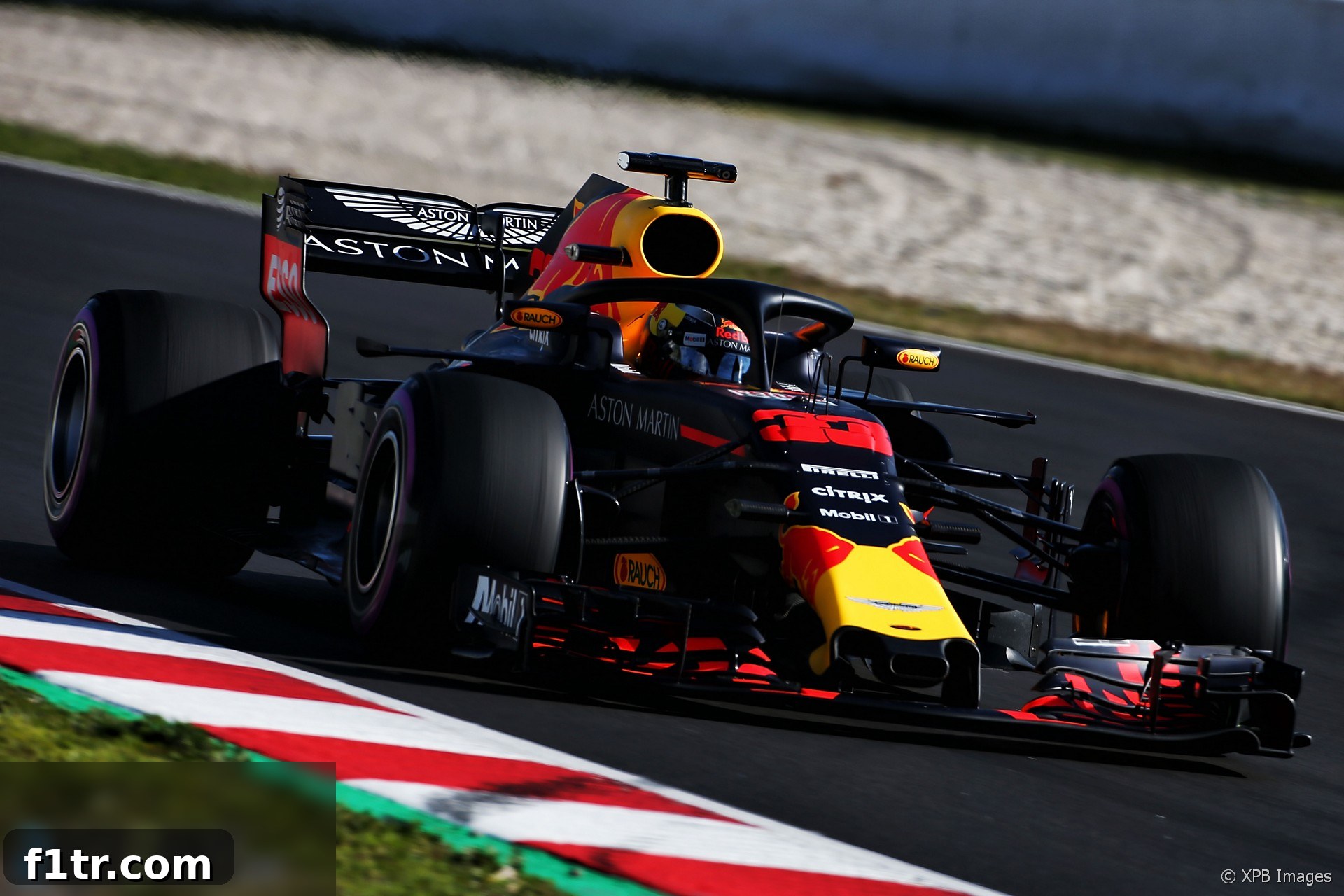
Max Verstappen Highlights Testing Challenges Amidst New Barcelona Surface and Cold Weather
Max Verstappen, the highly regarded Red Bull Racing driver, openly shared his experiences and observations from the demanding 2018 Formula 1 pre-season testing sessions at the Circuit de Catalunya. He emphasized that the freshly laid track surface and the prevailing cold weather conditions were significantly complicating efforts for all teams to accurately assess their competitive standing and the true performance of their new machinery.
The Dual Challenge: New Tarmac and Freezing Temperatures
The 2018 F1 pre-season testing sessions in Barcelona presented a unique set of variables that truly tested the adaptability of Formula 1 teams. Beyond the customary process of shakedowns and systems checks for their all-new cars, the Circuit de Catalunya had undergone a complete resurfacing during the off-season. This substantial alteration to the track’s composition fundamentally changed its characteristics, affecting everything from grip levels and tire wear to aerodynamic performance and crucial car setup parameters. Teams arrived with extensive simulations based on the previous track, only to find their data needing significant re-evaluation on the new, smoother, yet initially less rubbered-in asphalt.
Adding another layer of complexity were the unusually cold weather conditions that gripped Barcelona during the first week of testing. Low ambient and track temperatures are notoriously detrimental to Formula 1 car performance. Modern Pirelli tires are engineered to operate within very specific temperature windows, and struggling to bring them up to optimal warmth results in reduced grip, increased degradation, and inconsistent lap times. This meant that much of the running was far from representative of typical race weekend conditions, where track temperatures are generally much higher. Consequently, teams faced immense difficulties in gathering truly meaningful data on long runs and understanding the ultimate performance envelope of their cars, leaving many pondering their genuine pace and competitive position ahead of the season opener.
Verstappen’s Early Impressions of the RB14 and Competitive Uncertainty
Reflecting on his first full day back in the car, Max Verstappen maintained a characteristic pragmatic stance. While acknowledging that his running felt “all good,” he was quick to highlight the inherent mystery surrounding pre-season performance. “You still don’t know what the others are doing, so we have to wait for Melbourne to see how good we are or how bad we are,” he stated. This sentiment perfectly encapsulates the clandestine nature of F1 testing, where teams frequently employ varying fuel loads, engine modes, and tire strategies to obscure their true pace from rivals.
Despite the prevailing uncertainties and the challenging conditions, Verstappen did offer some positive initial feedback regarding the Red Bull RB14. He noted, “It feels alright, the car is definitely faster than last year, so that’s positive.” This assessment, even under less-than-ideal circumstances, provided a hopeful indicator for the Milton Keynes-based squad. The relentless pursuit of incremental speed gains is paramount in Formula 1, and any clear improvement from the previous season’s challenger is a welcome sign. However, Verstappen prudently added a crucial caveat: “[But] especially with the first week not being that successful in terms of temperatures, we still have to wait and see,” underscoring that these early conclusions were, by necessity, provisional.
Assessing the Competitive Order: A Puzzle of Variables
When pressed on his views regarding the competitive order among the top teams, Verstappen articulated the profound impact of the changes at Circuit de Catalunya. “It’s difficult to say because of the new Tarmac, it really changes the whole car, the whole way of driving with the new tyres,” he explained. The combination of a completely new track surface and the ongoing evolution of Pirelli’s tire compounds meant that traditional benchmarks and comparative analyses were significantly skewed. While Sebastian Vettel, driving for Ferrari, managed to top the timesheets on one of the testing days, finishing a mere two-tenths of a second ahead of Verstappen, such results were met with a healthy dose of skepticism across the paddock.
Ferrari’s strong performance certainly hinted at potential, but without knowing their exact fuel loads, engine mappings, or testing programs, it was virtually impossible to draw definitive conclusions about their ultimate pace relative to Red Bull or Mercedes. The true pecking order remained deeply shrouded in mystery, a complex puzzle that only the crucible of the first race weekend in Melbourne would truly begin to unravel. Every team was grappling with the same variables, attempting to optimize their packages in conditions that might not be replicated until much later in the season.
Overcoming Setbacks and Piling on the Mileage
Verstappen’s day, though productive, was not entirely without its minor technical interruptions. He reported being delayed by “a small battery problem” during the opening day of the second pre-season test. In the meticulously planned and fiercely competitive environment of Formula 1, even seemingly minor technical glitches can consume valuable track time, which is meticulously scheduled and highly prized. However, the Red Bull Racing crew demonstrated their efficiency and expertise, quickly resolving the issue. “It always takes a little bit of time [to fix] but afterwards it was all good again,” Verstappen confirmed, indicating that the setback was managed effectively and minimized its impact on the overall program.
Crucially, despite the brief interruption, Verstappen managed to complete an impressive 129 laps over the course of the day in the RB14. This significant mileage was a vital achievement for Red Bull Racing and a cornerstone of any successful pre-season testing program. As Verstappen himself emphasized, “We did a lot of laps, I think that was very important to get the mileage up on the car.” Accumulating high mileage during pre-season testing is paramount for multiple critical reasons: it allows teams to rigorously validate the reliability of countless new components and systems under sustained stress, enables engineers to gather extensive data across various car setups, fuel loads, and tire compounds, and provides drivers with essential track time to adapt to the nuances of their new machinery. Every lap provides invaluable feedback, helping to identify and iron out any kinks, optimize performance parameters, and build confidence in the car’s durability and handling characteristics before the relentless demands of the championship season truly begin.
Anticipation Builds for the 2018 Formula 1 Season
The 2018 pre-season testing in Barcelona ultimately served to reinforce the age-old adage that winter testing often provides more questions than definitive answers. The unique confluence of a brand-new track surface and the challenging cold conditions made conclusive predictions exceptionally difficult. While teams like Red Bull, Mercedes, and Ferrari undoubtedly gathered vast amounts of data, interpreting it accurately and extracting clear performance insights, given the multitude of variables, became a significant test in itself. The uncertainty openly expressed by drivers like Max Verstappen highlighted the dynamic and ever-evolving nature of Formula 1 development, as well as the constant race to understand, adapt, and optimize. As the curtain fell on the testing phase, the paddock was left with a palpable sense of anticipation and widespread speculation.
The true competitive landscape, the ultimate pace of the RB14 against its formidable rivals, and the effectiveness of each team’s pre-season preparations would only be unequivocally unveiled when the lights went out for the Australian Grand Prix. This intricate blend of knowns and unknowns promised a captivating and unpredictable start to the 2018 Formula 1 season, setting the stage for what was expected to be another thrilling championship battle.
Go ad-free for just £1 per month>> Find out more and sign up
2018 F1 season – Related Articles
- F1 feared “death knell” for Drive to Survive after Ferrari and Mercedes snub
- McLaren staff told us we were “totally crazy” to take Honda engines in 2018 – Tost
- ‘It doesn’t matter if we start last’: How Red Bull’s junior team aided Honda’s leap forward
- Honda’s jet division helped F1 engineers solve power unit problem
- McLaren Racing losses rise after Honda split
Browse all 2018 F1 season articles