F1’s Radical Shift: Exploring the Proposal for Qualifying Races and Reverse Grids in the 2020 Season
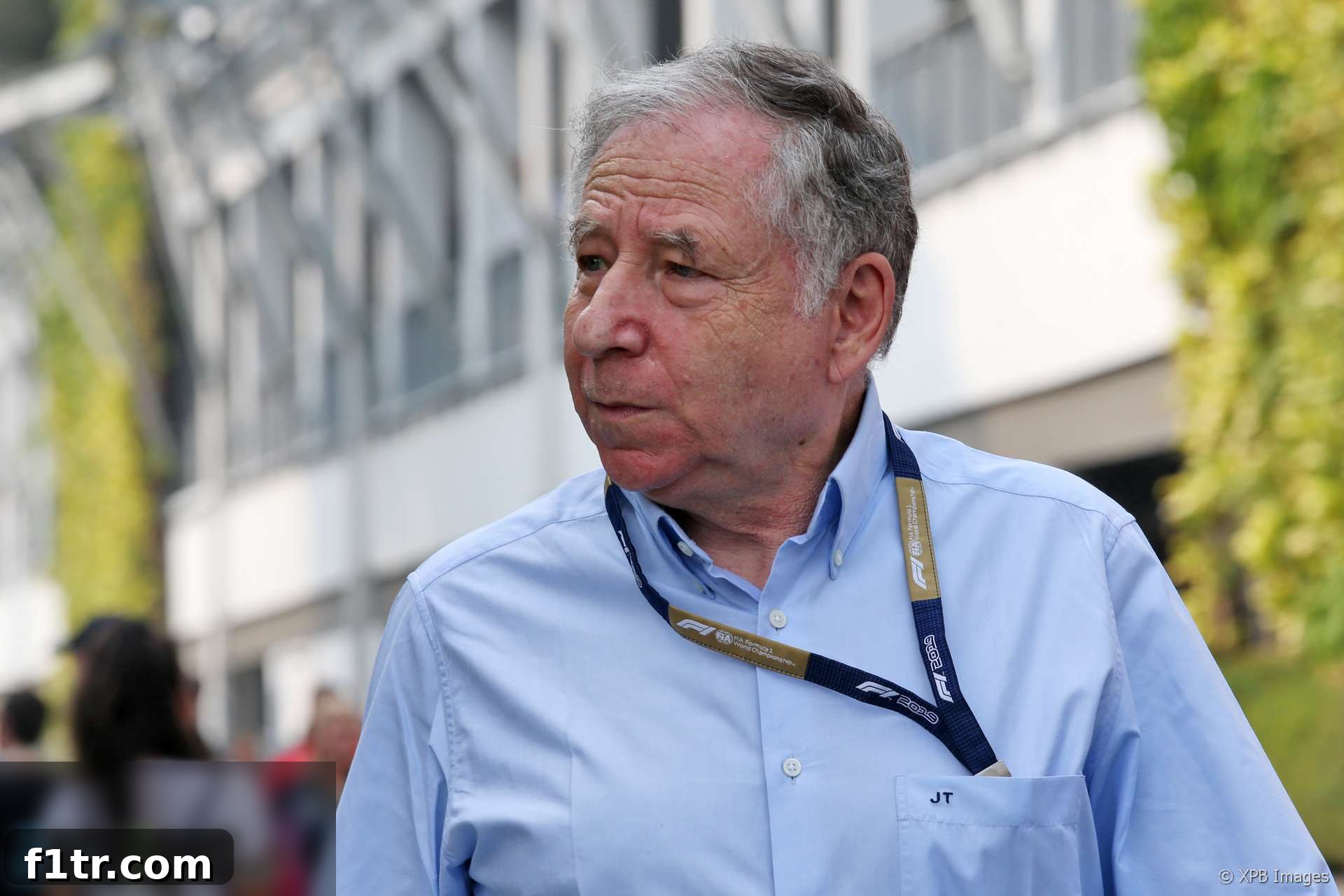
Formula 1, often dubbed the pinnacle of motorsport, constantly seeks innovative ways to enhance its appeal and maintain its competitive edge. In a significant development, Jean Todt, the President of the FIA (Fédération Internationale de l’Automobile), openly expressed his support for a groundbreaking proposal: the introduction of ‘qualifying races’ at a select number of rounds during the highly anticipated 2020 F1 season. This bold initiative is part of an ongoing dialogue aimed at invigorating the sport and delivering an even more thrilling spectacle for fans worldwide.
The Quest for Enhanced Spectacle in Formula 1
The core of this discussion revolves around fundamentally altering the Saturday format that traditionally dictates the starting grid for Sunday’s Grand Prix. Instead of the conventional timed qualifying session, teams were asked to consider various alternative structures, including the intriguing prospect of hosting a series of shorter races, potentially incorporating ‘reverse grids’. This concept has ignited considerable debate among fans, teams, and governing bodies alike, highlighting F1’s continuous efforts to evolve while safeguarding its core identity.
Jean Todt articulated the rationale behind these discussions, stating, “It’s part of discussions how to make the sport better, how to make the sport more attractive, always trying to find new ideas. And it is true among the new ideas is a possibility of having a race on Saturday with a different starting order that will generate order for the race on Sunday.” His comments underscore the FIA’s commitment to exploring all avenues for growth and entertainment, acknowledging that stagnation is not an option in the dynamic world of elite motorsport. Todt further emphasized the exploratory nature of these talks, adding, “I would say it’s a work in process and no decision has yet been taken. But I think it’s an interesting initiative to see what other opportunities we could have to [promote] motorsport and more particularly Formula 1.” This cautious yet optimistic outlook suggests a thorough evaluation process is underway before any concrete changes are implemented.
The Reverse Grid Concept: A Game Changer?
At the heart of the proposed Saturday qualifying race format lies the captivating idea of a ‘reverse grid’. While the exact mechanics remain fluid, typically, a reverse grid would see drivers start in the inverse order of their championship standings or their finishing positions from a preceding session. For instance, the championship leader might start at the back, or the pole-sitter from Friday practice might start last in Saturday’s sprint. The primary goal of such a system is to artificially create more unpredictable races, force drivers to overtake, and potentially lead to different winners or podium finishers, thereby intensifying the excitement and strategic depth of the race weekend.
Proponents argue that reverse grids could dramatically increase on-track action, particularly in the early stages of a sprint race. Imagine top drivers battling their way through the field, showcasing their skill and car performance against a backdrop of increased chaos and strategic gambles. This could provide a significant boost to viewership and fan engagement, offering more wheel-to-wheel racing throughout the weekend, not just on Sunday. However, critics express concerns that such a move might dilute the purity of Formula 1, which traditionally rewards outright pace and meritocracy. The idea of artificially handicapping the fastest cars could be seen by some purists as undermining the sport’s fundamental principle: to crown the fastest driver in the fastest car.
Team Reactions and Initial Cautious Optimism
While the FIA and F1 management are clearly keen to explore these radical concepts, the response from the teams has been one of cautious optimism, tinged with a healthy dose of pragmatism. McLaren team principal Andreas Seidl provided insight into the teams’ perspective, noting, “I would say it’s just ideas at the moment. I think it’s still far away from an implementation or having more details in terms of how that would actually look like.” This sentiment reflects the significant practical and logistical challenges involved in re-imagining a format that has been entrenched for decades.
Seidl further articulated McLaren’s willingness to engage in the discussion, stating, “From our side as McLaren in principle we are open for that discussion. I think we should also be open, everyone in this paddock here, to look if there’s something we should try without destroying the basic DNA of Formula 1. And that’s pretty much where we are right now.” The emphasis on preserving the “basic DNA of Formula 1” is critical. This refers to the core tenets of the sport: a genuine competition where the fastest car and driver combination triumphs, where qualifying on merit is paramount, and where the Grand Prix itself remains the ultimate prize. Any format changes would need to be carefully evaluated to ensure they enhance, rather than detract from, these fundamental principles. The risk of alienating long-standing fans who cherish F1’s traditional format is a consideration that weighs heavily on decision-makers.
Balancing Innovation with Tradition: The Core Challenge
The challenge for F1’s leadership is to strike a delicate balance between fostering innovation and respecting the sport’s rich heritage. Throughout its history, Formula 1 has seen numerous changes to its qualifying format, from single-lap shootouts to multi-session knockout rounds. Each iteration aimed to improve the spectacle, but none have fundamentally replaced the concept of a timed session determining the grid based on pure speed. Introducing a race to decide the grid is a significant departure, one that could redefine the entire Grand Prix weekend structure.
Discussions around such drastic changes are rarely straightforward. Teams are concerned about potential impacts on costs, car development, and resource allocation. Logistically, adding a sprint race would require considerations for tire allocation, engine mileage, potential parc fermé rule adjustments, and the overall workload on personnel. Moreover, the marketing and sponsorship implications of altering the established weekend format would need careful navigation. The integrity of the championship also remains a paramount concern; any new format must not inadvertently create an artificial or unfair advantage for certain teams or undermine the sporting meritocracy that defines Formula 1.
The Road to the 2020 Regulations: A Period of Intense Discussion
The proposal for qualifying races with reverse grids emerged amidst a broader period of intense negotiations and discussions leading up to the finalization of the 2020 Formula 1 regulations. As Seidl pointed out, “I think with the meetings we had [before Singapore] in Geneva and also between the team principles with Chase we are in the final stages, the closing stages of putting everything now on paper in terms of regulations.” These critical meetings, involving key stakeholders like the FIA, Formula 1 management (then led by Chase Carey), and team principals, signify a concerted effort to shape the sport’s future.
The regulatory process in Formula 1 is highly structured, involving various specialized groups. Seidl mentioned, “There’s I think one more Technical Working Group and then one more Strategy Working Group with the team principals and then we are done. So I can’t wait to see the final issue of the regulations.” The Technical Working Group addresses the engineering and aerodynamic aspects of future cars, while the Strategy Working Group focuses on the sporting and commercial elements. This multi-layered approach ensures that any proposed changes are thoroughly vetted from all angles before being codified into the sport’s rulebook. The 2020 regulations were particularly crucial as they aimed to introduce significant changes beyond just the race weekend format, including a budget cap and revised aerodynamic rules designed to promote closer racing.
Potential Implementation Scenarios and Pilot Programs
Should the qualifying race concept gain traction, its implementation would likely begin with pilot programs at a limited number of events. This experimental approach would allow the FIA and F1 to gather data, assess the impact on racing, and gauge fan and team feedback before any widespread adoption. Factors influencing the selection of pilot venues could include track characteristics that promote good racing, logistical ease, or strategic market importance.
Details such as the length of the qualifying race, the points awarded (if any), and how it integrates with the main Grand Prix would be meticulously planned. For instance, a shorter sprint race of perhaps 30-45 minutes could be envisioned, offering a high-intensity burst of action without overburdening teams or drivers. The experience from these trials would be invaluable in refining the concept, addressing unforeseen challenges, and building consensus across the paddock. The goal would be to incrementally introduce changes that genuinely enhance the F1 product without risking unintended negative consequences.
The Fan’s Perspective: What Does This Mean for the Spectacle?
Ultimately, any changes to Formula 1’s format are designed with the fan in mind. The sport is in a constant battle for attention in a crowded entertainment landscape. The proposed qualifying races and reverse grids are an attempt to inject fresh excitement, potentially appealing to new audiences while re-energizing existing fans. For many, the idea of seeing cars and drivers pushed to their limits across multiple competitive sessions over a weekend is an enticing prospect.
However, F1’s passionate fan base is also deeply rooted in tradition. Some purists might view artificial grid inversions as gimmicky, preferring the classic format where the fastest car always starts from pole. The debate therefore becomes a delicate balancing act: how to evolve the sport to attract and retain a broader audience without alienating its loyal, long-standing supporters. The success of any new format will hinge on its ability to deliver genuine, unscripted drama and compelling narratives, rather than simply creating artificial excitement. The potential for more overtakes, unexpected results, and greater strategic variation throughout the weekend holds significant promise for enhancing the overall spectacle of Formula 1.
Conclusion: A Bold Step Towards F1’s Future or a Step Too Far?
The discussions surrounding qualifying races and reverse grids for the 2020 F1 season represented a truly pivotal moment for Formula 1. While no definitive decision was reached on this specific proposal for the 2020 season, the very fact that such radical changes were considered at the highest levels underscores the sport’s unwavering commitment to innovation and fan engagement. Jean Todt’s backing, coupled with the cautious yet open-minded approach from teams like McLaren, highlighted a shared desire to keep F1 relevant, exciting, and unpredictable.
As Formula 1 continues to navigate the complexities of modern sport, the ongoing dialogue about its format, regulations, and fan experience remains paramount. Whether through qualifying races, revised aerodynamic packages, or other strategic initiatives, the drive to continually improve the spectacle of Grand Prix racing is a constant. The proposals discussed for the 2020 season were a testament to this evolution, hinting at a future where Formula 1 might look significantly different, all in the pursuit of delivering the ultimate motorsport experience.
Related Articles: Exploring the 2020 F1 Season
- Grosjean to make F1 test return tomorrow for first time since Bahrain horror crash
- Pictures: Wrecked chassis from Grosjean’s Bahrain fireball crash to go on display
- Bottas vs Rosberg: Hamilton’s Mercedes team mates compared after 78 races each
- F1 revenues fell by $877 million in Covid-struck 2020 season
- Hamilton and Mercedes finally announce new deal for 2021 season
Browse all 2020 F1 season articles