The Great F1 Practice Debate: Why Drivers Believe Less Track Time Could Lead to More Thrilling Races
Formula 1, the pinnacle of motorsport, is a constant pursuit of perfection and spectacle. In its continuous effort to enhance excitement and ensure thrilling competition, the sport’s governing bodies and teams are increasingly scrutinizing every aspect of the race weekend. A particularly lively debate currently animating the paddock revolves around the traditional three-day format and the extensive practice sessions it entails. A growing chorus of F1 drivers has begun to articulate a compelling argument: reducing practice could be the unexpected catalyst for injecting greater unpredictability and, consequently, delivering more captivating races for fans worldwide.
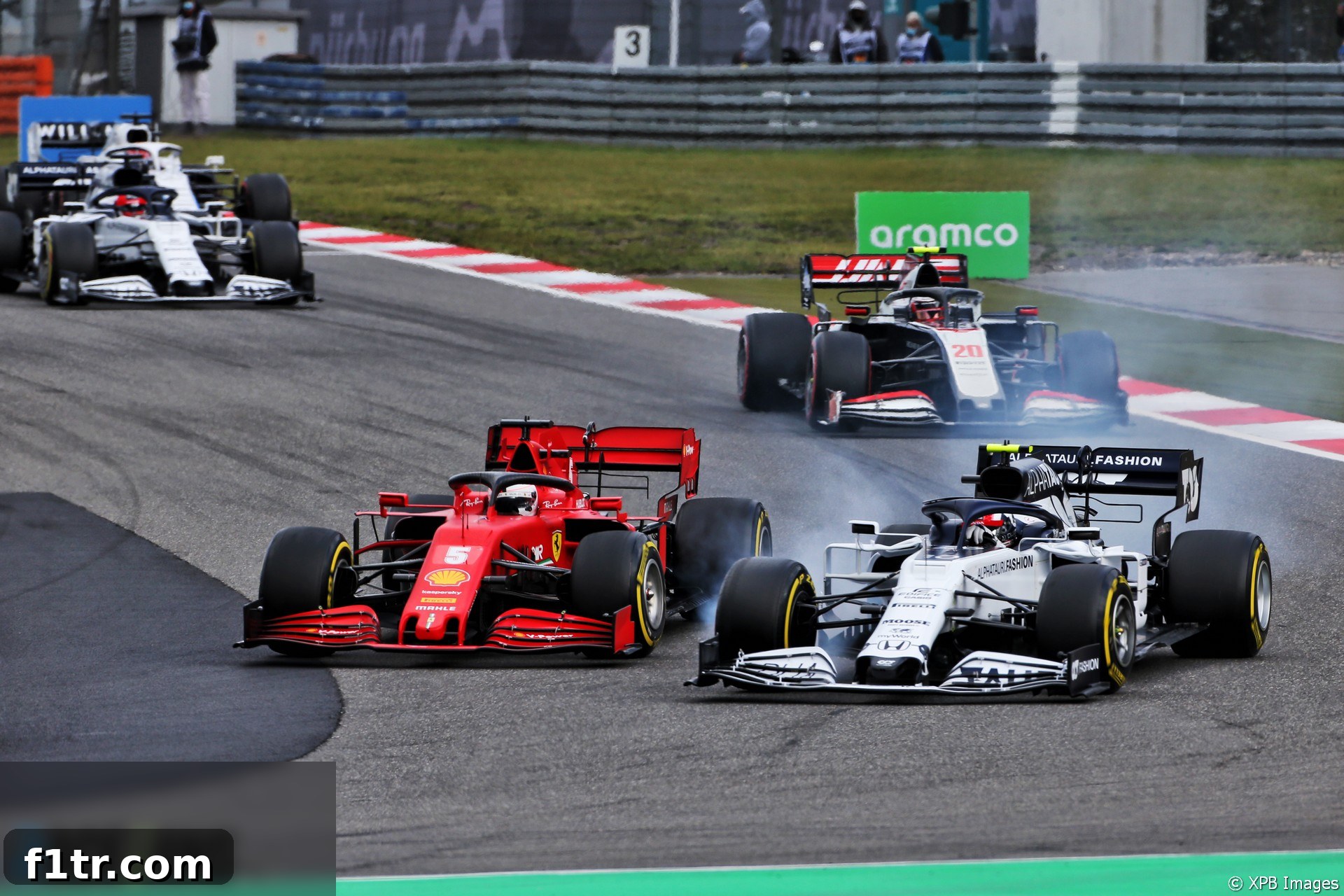
This discussion isn’t merely theoretical; it has been fueled by recent, real-world experiences. The Eifel Grand Prix at the Nürburgring served as an unintentional yet insightful case study. Adverse weather conditions severely disrupted the schedule, effectively condensing what was meant to be a three-day event into a frantic two-day affair. This forced compression of track time offered a glimpse into how a revised format might operate. Building on these observations and the positive feedback from many within the sport, the championship took a concrete step by actively trialing a two-day race weekend format at Imola, the Autodromo Enzo e Dino Ferrari, indicating a serious commitment to exploring these structural changes.
Drivers Embrace the Challenge: A Testament to Skill and Adaptability
The curtailed practice schedule at the Nürburgring, primarily due to Friday’s running being canceled by persistent low-lying cloud, presented a unique and intense challenge. With only a single hour available to fine-tune their complex machinery for qualifying, teams and drivers were forced into an unprecedented sprint to prepare. McLaren’s Lando Norris was among those who not only coped with the pressure but actively relished the difficulty of this condensed timetable.
“It was a good challenge for everyone – for the engineers and for us drivers – to try and nail everything so quickly, within one hour, into qualifying,” Norris commented, reflecting on the high-stakes situation. “It was hectic but, from my side, I think it was also quite fun at the same time.” His remarks highlight a significant aspect of reduced practice: it elevates the importance of immediate decision-making, intuitive adjustments, and raw driver talent. In an era where Formula 1 can sometimes appear to be a battle of data scientists and simulation experts, such conditions demand a return to fundamental racing instincts and a driver’s innate ability to extract performance from an unfamiliar setup.
Norris’s teammate, Carlos Sainz Jnr, fully concurred with this assessment, despite facing his own set of challenges. Sainz was struggling with a new aerodynamic package on his McLaren, which the team had minimal time to properly understand and optimize. Yet, he found the accelerated pace invigorating. “It is fun to change now then and go into quali without so much experience,” Sainz stated. His perspective underscores the mental fortitude required, where drivers must rely more on their feel for the car and less on an exhaustive database of setup variations. This element of ‘the unknown’ adds a layer of excitement and demands a higher degree of adaptability from both the driver and the entire engineering team, pushing them to perform at their very best under severe time constraints.
The Quest for Greater Unpredictability and Fresh Opportunities
The appeal of reduced practice sessions extends far beyond mere enjoyment for the drivers; it delves into the core desire for greater unpredictability, a factor many believe is crucial for enhancing Formula 1’s entertainment value. George Russell, who was then driving for Williams, openly appreciated the departure from the established norm, recognizing the significant potential for greater variability and unexpected outcomes that a shortened schedule could introduce into the weekend.
“I think if we ditch Friday altogether it will be a little bit more chaotic because we don’t get that practice to get the right cooling on the car, to get the right brake nozzles, to feed the right temperature into the tyres,” Russell explained, acknowledging the intricate technical complexities involved in car setup. While he fully recognizes these logistical and engineering challenges, he firmly believes that the overall benefits, particularly in terms of competitive spectacle, could significantly outweigh these concerns. “But from my personal side, I enjoyed it. It brings opportunity because everyone’s into the unknown.”
Russell’s insight points to a critical characteristic of modern Formula 1: the incredibly high level of preparation, optimization, and data analysis that teams undertake. Teams invest countless hours in sophisticated simulations, wind tunnel testing, and extensive practice sessions precisely to eliminate variables, mitigate risks, and maximize performance. While this showcases astonishing engineering brilliance, it can, at times, contribute to predictable race outcomes, as every car arrives at qualifying and the race in an almost perfectly optimized state. “I do believe the level is so, so high in Formula 1 that people don’t often make mistakes but a lot of the reason for that is because we do so much practice,” Russell elaborated. By reducing this extensive buffer of practice time, the door potentially opens for more driver errors, unexpected car behaviors, and ultimately, a more dynamic and engaging competition that keeps fans on the edge of their seats.
The shrewd Williams driver’s analysis also included a pragmatic and balanced suggestion for a viable path forward. “I don’t think we should drop Friday altogether but I do believe four hours of practice is too much. Two sessions would be nice.” This proposal suggests a sensible middle ground, acknowledging the undeniable necessity of some track time for crucial safety checks, initial system validations, and essential setup work, while simultaneously cutting down on the excessive data gathering that can lead to homogenized performance levels across the grid. Such a format could retain the engineering challenge without removing the element of surprise.
When Driver Skill Takes Center Stage: Making a Bigger Difference
Kevin Magnussen, then a driver for Haas, strongly echoed the sentiment that a reduction in practice time could significantly empower individual drivers to make a more profound impact on the race weekend’s outcome. For those drivers who possess an innate ability to quickly adapt to changing conditions and effectively optimize a car with limited available data, a condensed schedule presents an unparalleled opportunity to truly distinguish themselves from the competition.
“I think it is really good fun,” Magnussen enthusiastically affirmed. “It puts a lot more pressure on third practice, so I’d much prefer to have it like this. It gives you an opportunity, if you hit the ground running on Saturday morning, then you could really make a difference if you just really nail it from the beginning.” This perspective profoundly emphasizes the raw talent, finely tuned intuition, and inherent adaptability of the driver, subtly shifting the focus from extensive engineering preparation back to the individual’s prowess. It highlights their unique ability to extract maximum performance under intense pressure and with incomplete information. In an increasingly competitive field, where margins are razor-thin, such conditions could genuinely allow a truly adaptable driver to elevate their performance and potentially outperform rivals who might rely more heavily on extensive data sets.
The Persistent Disparity: Big Teams vs. Small Teams
However, Magnussen, with his experience across various teams, also introduced a crucial caveat regarding the potential beneficiaries of such a format change. While he firmly believes that individual drivers can certainly make a bigger difference under these conditions, he expressed doubt about whether smaller teams, such as Haas, would necessarily gain an overall competitive advantage from such a format alteration. “The bigger teams have better opportunities to prepare,” he explained with a pragmatic tone. “Better simulations, they just have better tools and that’s going to, in this situation, give them the edge.”
This point illuminates a significant and enduring concern within Formula 1: the considerable resource gap that exists between the top-tier, well-funded teams and the smaller, more budget-constrained outfits. Teams with substantially larger budgets can invest more heavily in cutting-edge advanced simulation technology, develop more comprehensive and sophisticated data analysis tools, and employ larger, highly specialized engineering teams. These resources enable them to process information faster and make more informed, data-driven decisions even when faced with limited real-world track time. Consequently, while a driver in a smaller team might still achieve exceptional results through sheer adaptability and skill, the overall competitive landscape might still inherently favor those organizations with superior off-track preparatory capabilities and technological infrastructure. “But as a driver, you can make a bigger difference, if you’re good at adapting. The bigger teams benefit from any situation, rather than the smaller teams,” Magnussen concluded, encapsulating the complex and often challenging balance between individual talent and the overarching team infrastructure that defines modern Formula 1.
Exploring New Horizons: The Strategic Imola Two-Day Trial
The Formula 1 management’s proactive decision to trial a two-day format at Imola’s historic Autodromo Enzo e Dino Ferrari circuit is a clear indicator of the sport’s commitment to exploring innovative ways to refresh and invigorate the race weekend experience. This trial is far more than a mere academic exercise; it represents a strategic and calculated move to gather concrete, empirical data and crucial feedback on how a significantly condensed schedule impacts every facet of a Grand Prix weekend. This includes everything from logistics and operational efficiency for the teams, to the critical on-track action, and most importantly, fan engagement.
The objectives driving such format trials are inherently multifaceted. Beyond the immediate and often-discussed aim of injecting greater unpredictability into the races, a successful two-day format could yield significant benefits in terms of cost reduction for all participating teams, a substantial decrease in travel and logistical burdens, and a more environmentally sustainable approach to the sport’s demanding global touring schedule. For fans attending races, it could translate into a more intense and action-packed experience, with all critical track activity compressed into a shorter, more impactful timeframe. However, it also raises important questions about striking the right balance between maximizing track activity for the enjoyment of onsite spectators and streamlining operational efficiency for the teams. The insights and lessons meticulously gleaned from the Imola experiment will prove invaluable in shaping future discussions and informing potential long-term changes to the highly anticipated Formula 1 calendar, guiding the sport towards a more optimized and exciting future.
Finding the Optimal Balance for Formula 1’s Future
The ongoing, spirited debate surrounding the optimal length and nature of practice sessions encapsulates a broader and more fundamental challenge facing Formula 1: how to gracefully evolve and adapt to contemporary demands while simultaneously staying true to its rich heritage of cutting-edge technological prowess, intense athletic excellence, and captivating competition. Drivers like Lando Norris, Carlos Sainz Jnr, George Russell, and Kevin Magnussen offer varied, yet consistently compelling arguments for significantly reducing practice time. Their perspectives emphasize the allure of increased challenge, the potential for greater unpredictability, and the enhanced opportunity for individual driver skill to truly shine and influence race outcomes. However, this desire must be carefully weighed against the practical realities of complex engineering, the immense investment in advanced simulation technologies by top teams, and the undeniable need to ensure sufficient data gathering for both driver safety and optimal performance optimization. It is a complex puzzle with many interdependent variables.
George Russell’s thoughtful suggestion of cutting practice from four hours to a more condensed two sessions represents a highly plausible and potentially effective compromise. Such a format could still allow teams enough essential time to perform crucial system checks, validate initial setups, and gather fundamental data without entirely removing the critical element of the unknown that has the power to make races so inherently exciting and dynamic. The future of the Formula 1 race weekend format will almost certainly involve a delicate and intricate balancing act, meticulously weighing the pervasive desire for more thrilling, unpredictable events against the deeply established norms of engineering excellence, rigorous driver preparation, and the commercial imperatives of the sport. As Formula 1 continues to experiment, meticulously gather feedback, and analyze the outcomes of these trials, the invaluable lessons learned from real-world experiences such as the Eifel Grand Prix and the strategic Imola trial will undoubtedly be crucial in charting a progressive and engaging course towards a more dynamic and exhilarating future for the pinnacle of motorsport.