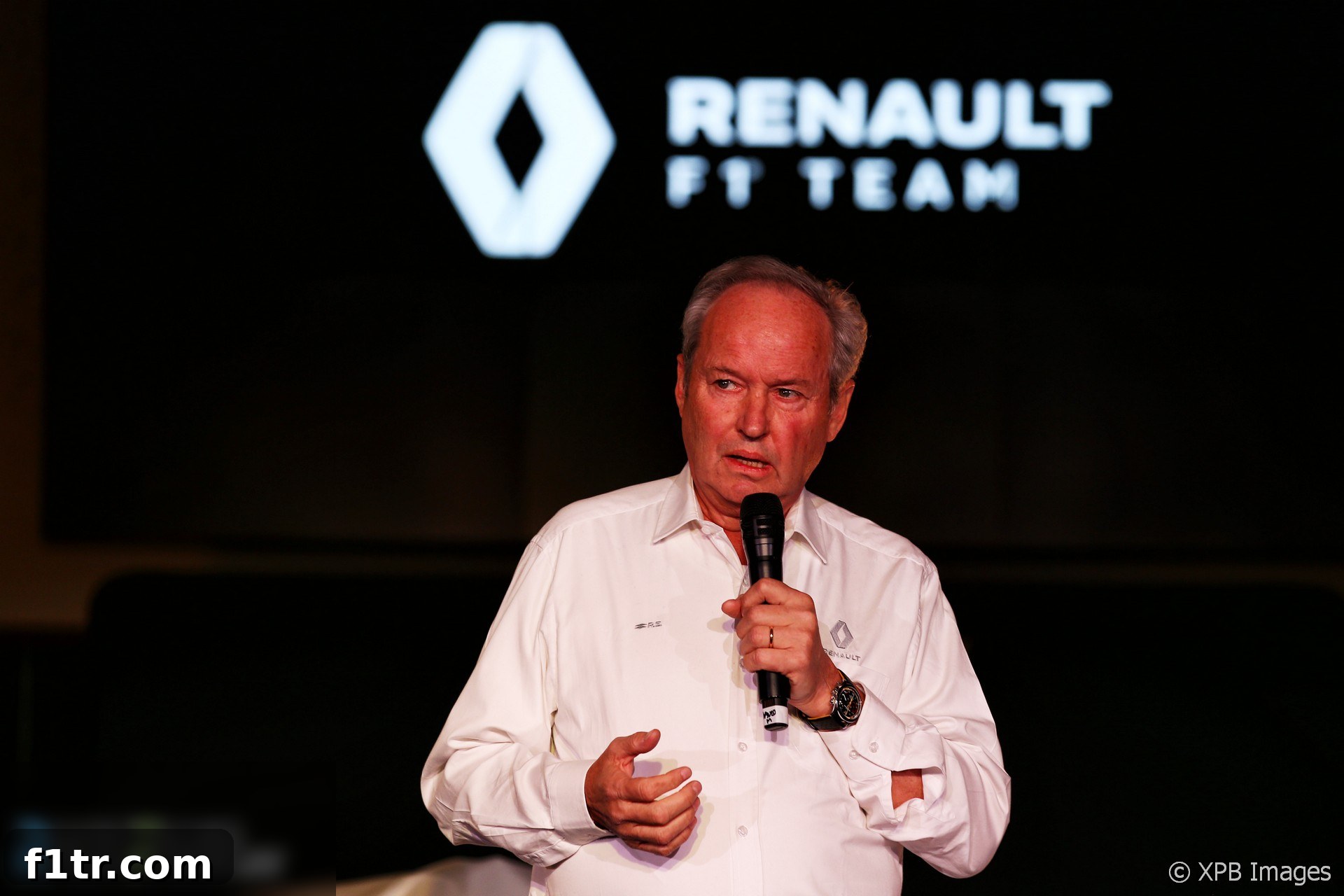
Renault’s Strategic Stance on F1 Spending: Balancing Ambition with Financial Prudence
In the high-stakes world of Formula 1, where the pursuit of victory often overshadows all other considerations, Renault has carved out a distinct philosophy. According to Renault Sport Racing president Jerome Stoll, the French automotive giant is not prepared to adopt a “win-at-any-cost” approach. This measured perspective offers a fascinating insight into a manufacturer’s strategy in a sport renowned for its exorbitant financial demands.
Since its full return to Formula 1 as a works team in 2016, Renault has been diligently investing in rebuilding its operational capabilities and infrastructure. This commitment culminated in the high-profile signing of star driver Daniel Ricciardo from Red Bull last season, signaling clear intent to challenge at the front. However, these investments are being made with a keen eye on the impending financial regulations. As Formula One Management (FOM) continues its discussions around introducing a budget cap in 2021, Renault has proactively aligned its spending trajectory with these proposed limitations, demonstrating a strategic foresight aimed at sustainable success rather than short-term, unsustainable expenditure.
The “Win-at-Any-Cost” Conundrum in F1
Formula 1 has long been a battleground not just for engineering prowess and driving talent, but also for financial might. Historically, the sport has seen teams spending astronomical sums in a relentless quest for dominance, often leading to a significant disparity between the wealthiest outfits and the smaller, privately-run teams. This financial arms race has been a defining characteristic of the modern era, creating an environment where victory is often perceived as a direct consequence of unlimited resources.
Jerome Stoll articulated Renault’s position with refreshing clarity. He explained to RaceFans and other media at the team’s recent launch event, “Basically the cost cap is more or less aligned with where we are today. We have to step up again a little bit, but we are not far.” This statement underscores a fundamental difference in philosophy compared to some of its rivals. For top-tier teams like Mercedes, Red Bull, and Ferrari, the imperative to win is absolute, often regardless of the financial outlay required to achieve it. Their brand identities and global marketing strategies are inextricably linked to F1 success, making a “victory at all costs” mentality almost a prerequisite.
Renault, however, presents a nuanced alternative. Stoll elaborated, “For Mercedes, for Red Bull or for Ferrari, winning is really a must whatever the cost. For us, winning is important, but we look at the cost.” This distinction highlights Renault’s commitment to F1 as a valuable platform, but one that must operate within sensible financial parameters dictated by corporate responsibility and long-term viability. It’s a strategic choice that seeks to balance competitive ambition with fiscal prudence, aiming for a sustainable model of success.
The Crucial Role of the F1 Budget Cap
The proposed budget cap for Formula 1 represents a pivotal moment for the sport, aiming to address critical issues of competitive imbalance and escalating costs. The rationale behind such a cap is multi-faceted: to create a more level playing field, to ensure the financial health and longevity of all participating teams, and to encourage innovation within defined limits rather than simply outspending competitors. Without effective cost controls, the financial gap between the leading teams and the rest risks widening further, diminishing the spectacle and long-term appeal of the sport.
Stoll views Renault as occupying a strategic position, effectively at the “centre of gravity” in the ongoing budget cap debate. This unique vantage point stems from their spending habits: they invest significantly less than the leading manufacturer teams such as Mercedes and Ferrari, yet considerably more than most of the midfield outfits. This placement makes them a crucial voice in the discussions, as the cap’s threshold directly impacts their operational model. A cap set too low could stifle their development, while one set too high might not adequately rein in the spending of the sport’s behemoths.
The implementation of a budget cap is not merely a financial adjustment; it promises to be a transformative force for Formula 1. It is expected to foster greater innovation, compelling teams to be more efficient with their resources and to find smarter ways to gain a competitive edge. This shift from pure spending power to ingenuity and strategic management could lead to a more unpredictable and exciting championship, benefitting fans and stakeholders alike. Renault’s alignment with these proposed changes suggests a readiness to adapt and thrive in a financially restructured environment, positioning themselves as advocates for a fairer and more sustainable future for the sport.
Pushing for Change: Renault’s Advocacy for Financial Regulations
Jerome Stoll firmly believes that a budget cap is not just beneficial but absolutely essential for the long-term health and competitive integrity of Formula 1. His conviction drives him to be a proactive and vocal proponent of these financial regulations, and he has committed to continually urging Formula 1’s owners, Liberty Media, to finalize and implement the cap without further delay. The process of introducing such significant reforms in F1 is often complex and protracted, requiring extensive negotiation and consensus-building among diverse stakeholders.
Stoll revealed his ongoing engagement with Liberty Media’s leadership, specifically mentioning several discussions with CEO Chase Carey regarding the budget cap. He expressed a degree of frustration over the delays, stating that Carey had previously promised a decision by late last year. “No decision has been taken,” Stoll noted, highlighting the slow pace of progress. However, his resolve remains unshaken. “So I’m going to push, I will meet him again at Melbourne or maybe at Barcelona next week. We start again: What is your planning, when you can take a decision? It’s very much important for us. It’s crucial for us.” This persistent advocacy underscores the critical importance Renault attaches to these regulations, seeing them as foundational to their long-term strategic planning and continued investment in the sport.
While some manufacturer teams have historically resisted moves to cap costs, fearing it might hinder their ability to compete at the highest level or leverage their extensive resources, Stoll perceives a palpable shift in sentiment. He believes there is a growing consensus among team principals and shareholders that spending needs to be seriously addressed. This evolving viewpoint is largely driven by increasing pressure from shareholders, who are demanding greater financial accountability and sustainability from their F1 investments. The message from the boardrooms is clear: teams must “not go up to the sky” with their spending, advocating for a more fiscally responsible approach to Formula 1 participation. This newfound alignment across the paddock provides a stronger impetus for Liberty Media to act decisively on the budget cap.
The Broader Vision: Rights, Governance, and Show Attractiveness
Jerome Stoll’s perspective on the budget cap is not isolated; he sees it as an integral component of a much broader reform package for Formula 1. The discussions he has engaged in with Liberty Media encompass three main pillars, all crucial for the sport’s future prosperity: the redistribution of commercial rights, the implementation of a cost cap, and improvements to governance and the overall attractiveness of the show. These three areas are intrinsically linked, each influencing the others and contributing to a holistic vision for a more equitable and engaging Formula 1.
The redistribution of commercial rights aims to create a fairer financial landscape, ensuring that smaller teams receive a more substantial share of the sport’s revenues, thereby enhancing their sustainability and competitive potential. Improved governance seeks to streamline decision-making processes, making them more transparent and efficient, which is vital for adapting to the fast-evolving demands of modern sports and entertainment. Lastly, enhancing the attractiveness of the show involves refining sporting regulations, promoting closer racing, and ensuring the product remains compelling for a global audience.
Stoll noted a significant positive shift in recent dialogues regarding these critical issues. “I think that basically when you look at the three main points of the discussion that we have – which is the redistribution of rights, cost cap and governance-slash-attractiveness of the show – I saw really better conventions on all the teams maybe more recently, especially on the cost cap.” This growing convergence of opinion among teams, particularly on the budget cap, is a promising sign that a consensus might finally be within reach. Such widespread agreement is essential for Liberty Media to successfully push through these reforms, ensuring that Formula 1 evolves into a more sustainable, competitive, and captivating spectacle for decades to come.
Renault’s Journey and Future Aspirations Under New Regulations
Renault’s journey back to Formula 1 as a full manufacturer team in 2016 was a bold declaration of intent. After several years supplying engines, the decision to acquire the Lotus F1 team and re-establish a factory presence marked a renewed commitment to the pinnacle of motorsport. This return was accompanied by significant investment in personnel, facilities, and development, all geared towards a long-term strategy of climbing the competitive ladder. The signing of Daniel Ricciardo, a proven race winner, was a testament to their ambition, demonstrating a willingness to attract top talent and build a team capable of challenging the established front-runners.
However, this ambition has always been tempered by a pragmatic view of financial realities. Unlike teams that have historically operated with virtually limitless budgets, Renault, as a publicly traded company, is acutely aware of the need to justify its expenditures to shareholders and adhere to responsible financial practices. This approach makes the budget cap not just a regulatory imposition but a strategic advantage for Renault. Operating within a defined financial framework aligns perfectly with their corporate philosophy, allowing them to focus on maximizing efficiency and extracting performance from every dollar spent, rather than engaging in an unwinnable spending war.
Under a well-implemented budget cap, Renault stands to benefit immensely. It levels the playing field, making their substantial, yet controlled, investments go further. It encourages innovation and ingenuity, areas where Renault’s technical expertise can shine. Furthermore, it promises a future where success is less about who has the deepest pockets and more about who has the smartest engineering, the most effective operational structure, and the keenest strategic mind. This shift would solidify Renault’s position as a serious contender, capable of achieving consistent podium finishes and challenging for championships in a truly meritocratic environment.
Understanding F1 Team Finances: A Deeper Dive
Understanding the financial landscape of Formula 1 is crucial to appreciating the significance of the budget cap debate. The sport’s history is rife with examples of escalating costs, leading to a significant power imbalance. To shed more light on this complex area, comprehensive analyses of team budgets are invaluable resources for fans and stakeholders alike.
How much do Formula 1 teams spend?
Read our analysis of F1 team budgets, offering insights into the financial commitments across the grid and illustrating the disparities that the budget cap aims to address:
- F1 team budgets: Mercedes, Ferrari, Red Bull, Renault and Haas
- F1 team budgets: McLaren, Force India (Racing Point), Sauber (Alfa Romeo), Toro Rosso and Williams
Become a RaceFans supporter and go ad-free
Reflections on the 2019 F1 Season and Beyond
The 2019 Formula 1 season, while not a championship-winning year for Renault, provided valuable lessons and moments that underscored the competitive pressures and emotional highs and lows inherent in the sport. These experiences further highlighted the need for stable and predictable financial regulations to ensure all teams can sustainably pursue their ambitions without fear of being outspent into irrelevance. The stories from that season, from driver reflections to team financial reports, paint a vivid picture of the challenges and triumphs.
2019 F1 season
Explore a selection of articles reflecting on key moments, performances, and financial aspects from the 2019 F1 season:
- Crying in the Melbourne car park at 2019 grand prix was my career low – Ocon
- McLaren Racing reports reduced £71 million loss in 2019
- Kvyat: Hockenheim podium last year was “my biggest achievement” so far
- How the FIA’s new encrypted fuel flow meter targets Ferrari’s suspected ‘aliasing’ trick
- “He smashed my office door”: 23 must-see moments from ‘Drive to Survive’ season two
Browse all 2019 F1 season articles
Conclusion: Towards a More Sustainable and Competitive Formula 1
Renault’s unwavering stance on a sensible financial approach to Formula 1, championed by Jerome Stoll, serves as a powerful testament to the shifting tides within the sport. Their commitment to investing strategically rather than indulging in an open-ended spending spree highlights a desire for sustainable competitiveness. The impending budget cap, a crucial instrument for leveling the playing field, resonates deeply with Renault’s philosophy, positioning them favorably for a future where ingenuity and efficiency are as valued as raw financial power.
The ongoing push for financial regulations, coupled with reforms in commercial rights distribution and governance, signals a collective desire within Formula 1 to evolve into a more equitable and thrilling championship. Renault’s active participation in these discussions, urging Liberty Media towards decisive action, underscores the vital importance of these changes. As the sport moves towards 2021 and beyond, the adoption of a robust budget cap will not only redefine the competitive landscape but also ensure the long-term viability and global appeal of Formula 1, fostering a new era where every team has a genuine opportunity to achieve lasting success without compromising financial integrity.