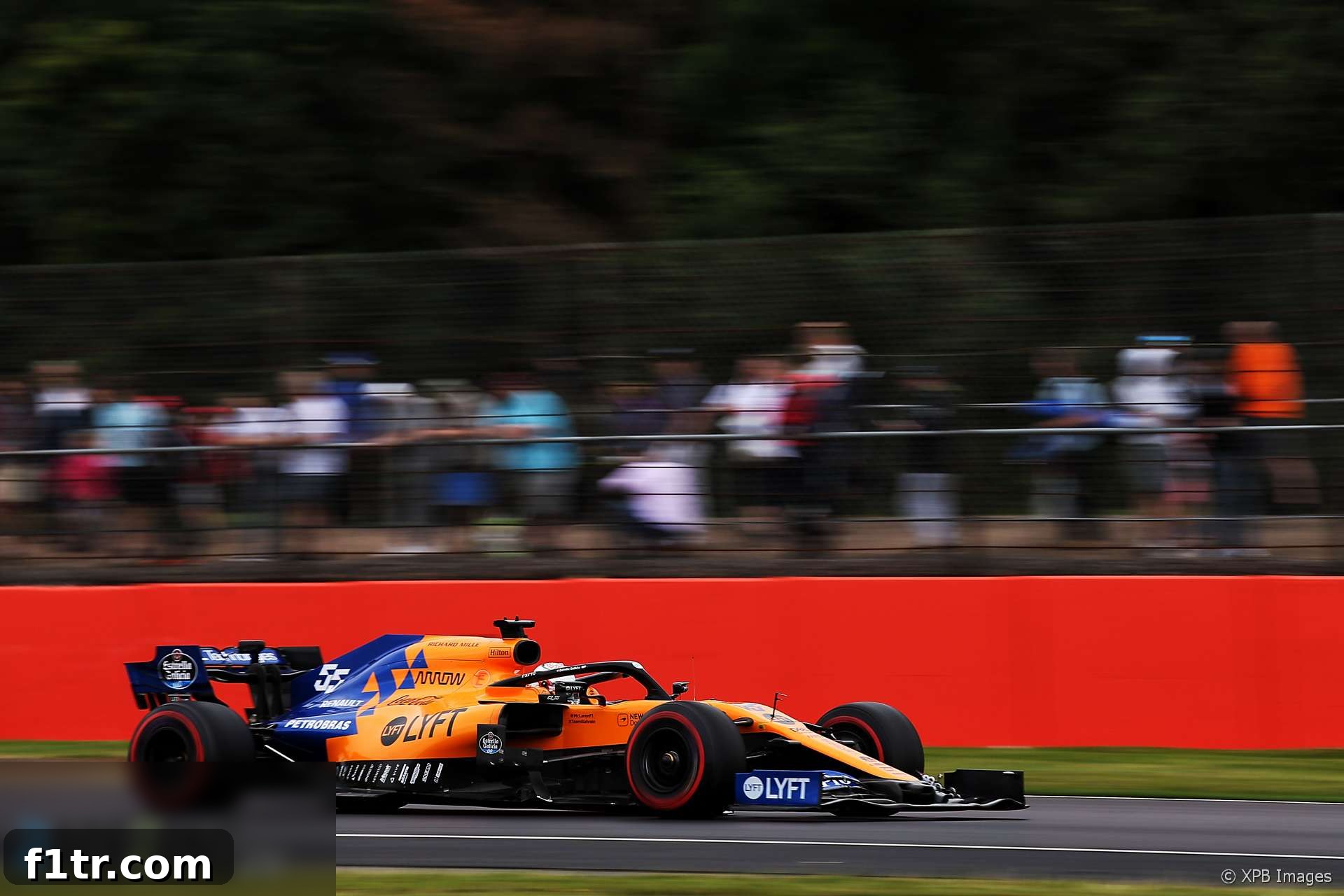
The hallowed grounds of Silverstone, a cornerstone of Formula 1 history, witnessed a significant shift in performance following the introduction of its revamped track surface. This crucial upgrade acted as a catalyst, enabling all ten Formula 1 teams to record faster lap times compared to their outings just twelve months prior. This immediate and widespread improvement underscored the profound impact of track conditions on cutting-edge motorsport, setting the stage for a thrilling season.
While every team benefited, the scale of improvement varied dramatically across the grid. Front-running powerhouses like Mercedes and Ferrari, already operating at the absolute peak of aerodynamic and mechanical efficiency, saw modest yet still meaningful gains, shaving around seven-tenths of a second off their previous year’s bests. For teams already extracting near-maximum performance from their machinery, even marginal improvements speak volumes about the quality of the new surface and the relentless pursuit of perfection in Formula 1.
The Resurgence of Speed: Silverstone’s New Track Surface
The resurfacing of the iconic Silverstone Circuit was a highly anticipated event, promising a smoother, more consistent driving experience for the Formula 1 gladiators. This significant infrastructure upgrade was designed to address issues such as bumps and drainage, ultimately enhancing grip levels and driver confidence. The results were undeniable: the track immediately proved quicker, allowing F1 cars to unleash even more of their potent capabilities.
A pristine track surface provides several key advantages. Smoother asphalt reduces vibrations, allowing the car’s intricate suspension systems to work more effectively and maintain consistent contact with the ground. Improved grip, especially through high-speed corners like Copse and Maggotts-Becketts, means drivers can carry more speed, attack apexes with greater aggression, and lay down power earlier on exit. Better drainage, in turn, ensures that even in changeable British weather, the track can dry quicker and offer more consistent conditions, reducing the unpredictability that can sometimes hinder pure performance.
The collective effort of all ten F1 teams to lap quicker than the previous year demonstrates the direct and immediate benefit of these improvements. It highlighted not just the inherent speed of the current generation of Formula 1 cars but also the crucial role of optimal circuit conditions in pushing the boundaries of what’s possible on track. This improvement at Silverstone was a clear indicator of the sport’s continuous evolution and its capacity for speed enhancement through both car development and track infrastructure.
Team Performance Dynamics: Who Gained and Who Struggled?
Support Independent F1 Journalism
McLaren’s Remarkable Leap Forward
Among the most striking beneficiaries of the new track and their own internal development efforts was McLaren. The Woking-based outfit showcased a staggering improvement, lapping over two seconds quicker than they managed at Silverstone in 2018. This dramatic leap underscored a significant turnaround for the storied team, signaling their intent to climb back up the grid. Their enhanced performance wasn’t just about the new asphalt; it was a testament to fundamental improvements in their car’s aerodynamic efficiency, chassis stability, and power unit integration. Drivers were clearly able to extract more potential, demonstrating a better understanding of the car’s setup and a more cohesive team operation. This substantial gain at a challenging circuit like Silverstone offered a glimpse into McLaren’s resurgence and their strategic development path.
Mercedes and Ferrari: Refining the Pinnacle of Performance
At the sharp end of the grid, Mercedes and Ferrari, already locked in a fierce battle for championship supremacy, posted the smallest but still notable improvements. Both teams were approximately seven-tenths of a second quicker than their 2018 performances. This seemingly smaller gain, however, is indicative of their already optimized packages. When a team is operating at the absolute limit of performance, finding even a few tenths of a second represents an monumental engineering achievement. Their gains were incremental, reflecting the diminishing returns encountered when pushing the boundaries of physics and regulations. For these front-runners, improvements come from microscopic adjustments to aerodynamics, tire management, and power unit mapping, rather than sweeping overhauls. Their consistent speed, even with less dramatic improvements, reinforced their position as the benchmark teams in Formula 1.
Williams: A Step Forward Amidst Lingering Challenges
Conversely, Williams, despite showing a significant improvement of almost a second and a half compared to the previous year, continued to face an uphill battle. While their absolute lap times were faster, they remained over a second slower than the next car ahead of them on the grid. This highlights the inherent challenges the team was grappling with during that period. The 2018 British Grand Prix had been a particularly disastrous outing for Williams, marred by serious issues with a new rear wing design that led to both drivers spinning off during qualifying. The subsequent year’s performance, even with an improved car and track, indicated that while progress was being made, the fundamental gap to the rest of the field remained substantial. Their journey towards regaining competitiveness was clearly a long and arduous one, emphasizing the deep-rooted issues that required systemic solutions beyond just track conditions.
Visual representation: This chart would typically illustrate the year-on-year lap time improvements for each F1 team at Silverstone, clearly showing McLaren’s lead and the smaller gains of Mercedes and Ferrari.
A Season of Unprecedented Speed: The Evolution of F1 Cars
The faster lap times at Silverstone were not an isolated incident but rather a clear reflection of a broader trend witnessed throughout the Formula 1 season. Across the first ten races, F1 cars consistently lapped quicker at nine of them, demonstrating the relentless pace of development and performance enhancement in the sport. This statistical dominance underscores the sheer engineering prowess and competitive spirit that defines modern Formula 1.
This period marked a significant point in the evolution of the V6 hybrid turbo era, which commenced five years prior. The current generation of these highly advanced machines now stands almost nine-and-a-half seconds faster than their predecessors from the initial phase of this regulatory period. This staggering improvement over half a decade is a testament to the continuous refinement of every single component within an F1 car.
The gains have been multifaceted, stemming from advancements in several critical areas:
- Aerodynamics: Teams have pushed the boundaries of aerodynamic efficiency, designing cars that generate immense downforce with minimal drag. Sophisticated simulations, wind tunnel testing, and rapid development cycles allow for continuous optimization of wings, diffusers, bargeboards, and floor designs.
- Power Units: The V6 hybrid turbo engines, once a subject of initial teething problems, have matured into highly reliable and incredibly powerful units. Manufacturers have significantly improved internal combustion engine efficiency, turbocharger performance, and the energy recovery systems (ERS), leading to more horsepower and better energy deployment throughout a lap.
- Tyre Development: Pirelli, the official F1 tyre supplier, continually develops new compounds and constructions to match the ever-increasing demands of the cars. Softer compounds and more durable constructions allow drivers to push harder for longer, contributing directly to faster lap times.
- Chassis and Suspension: Refinements in chassis design, weight distribution, and suspension geometry contribute to better mechanical grip, improved stability, and more responsive handling, allowing drivers to exploit the car’s potential more effectively.
The collective impact of these technological advancements has transformed the F1 grid, creating cars that are not only faster but also incredibly complex and finely tuned machines. The sport continues to operate as an engineering arms race, with every team striving to unlock marginal gains that accumulate into significant performance advantages over time. The charts below conceptually track this fascinating progression.
Visual representation: This chart would illustrate the historical trend of F1 lap times, showing the acceleration of speed particularly in the V6 hybrid era compared to previous generations.
Visual representation: This chart would compare average lap times across different circuits in the 2019 season to previous years, highlighting where speed records were broken.
The 2019 British Grand Prix: A Silverstone Spectacular
The advancements in car performance and the rejuvenated track surface culminated in a truly unforgettable 2019 British Grand Prix. The event was not just about raw speed; it was a thrilling spectacle that captivated fans worldwide, showcasing Formula 1 at its finest. The increased pace contributed directly to more intense battles, daring overtakes, and a dynamic race narrative that left spectators on the edge of their seats.
The race saw some incredible performances, with star drivers pushing their cars to the absolute limit. Lewis Hamilton, in particular, delivered a masterclass performance, further cementing his legacy at his home circuit. His victory was not just a testament to his driving skill but also to the exceptional machinery provided by Mercedes and the strategic brilliance of his team. Hamilton’s triumph was a significant moment, seeing him surpass motorsport legends Nigel Mansell and Jim Clark as the top Briton for wins at home, a truly iconic achievement.
The event was filled with memorable moments, from qualifying heroics to dramatic race day overtakes. The combination of a fast track, competitive cars, and world-class drivers created an atmosphere of pure exhilaration, proving that Formula 1 continued to be a pinnacle of sporting entertainment. The “Paddock Diary” entries and post-race analysis often highlighted the exceptional nature of the Grand Prix, reinforcing its status as one of the highlights of the season.
As the sport continues to evolve, the lessons learned from events like the 2019 British Grand Prix and the continuous pursuit of speed will undoubtedly shape future regulations and technological innovations. The balance between outright pace, driver skill, and strategic depth remains crucial for maintaining the excitement and competitive integrity of Formula 1.
For more in-depth coverage and analysis of this thrilling event, explore our related articles:
- 2019 British Grand Prix Star Performers
- Top ten pictures from the 2019 British Grand Prix
- Hamilton and Formula 1 at their best in Silverstone spectacular
- Hamilton passes Mansell and Clark as top Briton at home
- Paddock Diary: British Grand Prix day four
Browse all 2019 British Grand Prix articles
Go ad-free for just £1 per month>> Find out more and sign up