The iconic Monaco Grand Prix, a jewel in the Formula 1 calendar, consistently presents a unique challenge that pushes engineering boundaries to their limits. Just a week after the high-speed demands of the Spanish Grand Prix, seven Formula 1 teams converged on the principality, bringing an array of bespoke updates tailored specifically for the slow, tight, and unforgiving streets of Monte Carlo. This rapid turnaround highlights the relentless development cycle in F1 and the highly specialized nature of the Monaco circuit.
Known as the slowest track on the schedule, the Monte-Carlo circuit is characterized by its labyrinthine layout and the infamously tight Loews Hairpin (now officially known as the Fairmont Hairpin), which demands the maximum steering lock from every car. Unlike other circuits where outright speed and aerodynamic efficiency dominate, Monaco prioritizes mechanical grip, precise handling, and exceptional brake performance. Consequently, teams deploy highly specialized configurations focusing on these critical areas.
While many rivals arrived with significant modifications, a few teams, namely Ferrari, Aston Martin, and Alfa Romeo, opted to maintain their existing car specifications, choosing instead to optimize their current packages for the unique demands of Monaco. This strategic decision often reflects confidence in their baseline car’s adaptability or a focus on future development for upcoming races. For the seven teams that did bring updates, these changes represent a dedicated effort to eke out every possible performance advantage on a circuit where marginal gains can translate into crucial tenths of a second.
Let’s delve into the detailed technical modifications introduced by Mercedes, Red Bull, McLaren, Alpine, AlphaTauri, Williams, and Haas for this prestigious race weekend, exploring the rationale behind each change and its intended impact on performance.
Mercedes: Precision Aerodynamics and Enhanced Cooling
Front Wing Endplate Optimization
Mercedes, known for its meticulous approach to aerodynamic development, brought a subtle yet significant modification to its front wing endplate. The primary objective of this change was to improve local aerodynamic load, a critical factor for generating downforce at lower speeds. Engineers specifically altered the radius of the lower outboard corner of the front wing endplate. In the intricate world of Formula 1 aerodynamics, even minor geometric adjustments can have a profound impact on how airflow interacts with the car, influencing overall downforce and balance. For a circuit like Monaco, where high-speed efficiency takes a backseat to maximizing grip in slow corners, such targeted modifications are essential for performance gains.
Enhanced Front Corner Cooling
Monaco’s unique demands extend beyond aerodynamics, placing immense stress on a car’s braking system. With low average speeds, numerous heavy braking zones, and limited opportunities for airflow, brake cooling becomes paramount. Mercedes addressed this by introducing a larger “cake tin duct exit” in the front corner of the car. This enlarged exit is designed to generate a substantially increased cooling flow for the brake discs and calipers. Effective brake cooling is crucial for maintaining consistent braking performance throughout the race, preventing overheating, and ensuring driver confidence. In the tight confines of Monaco, where drivers are constantly on and off the brakes, this modification offers a vital reliability and performance advantage.
Red Bull: Steering Precision and Brake System Resilience
Optimized Front Suspension for Steering Geometry
Red Bull Racing, always at the forefront of technical innovation, focused on enhancing their car’s mechanical setup for Monaco. The team introduced a revised steering geometry within their front suspension. This modification is directly aimed at tackling the extreme steering demands of the Monte-Carlo circuit, particularly the tightest corners on the calendar. Standard steering setups are often insufficient to achieve the required lock for turns like the Fairmont Hairpin. By adjusting the steering geometry, Red Bull ensures their drivers can achieve the maximum steering angle necessary, providing them with greater control and agility through the circuit’s most challenging sections, ultimately contributing to faster lap times.
Fortified Front Corner Cooling for Reliability
Complementing their steering enhancements, Red Bull also implemented changes to the front wheel bodywork geometry, specifically targeting reliability in the demanding Monaco environment. This revision offers a more robust cooling flow to the front brake system. The rationale behind this is twofold: Monaco’s low average airspeed inherently reduces the natural cooling effect on brakes, and the high likelihood of running in traffic further exacerbates heat buildup. By optimizing the brake cooling, Red Bull aims to prevent overheating issues, ensure consistent brake performance, and maintain component reliability throughout the race, crucial for navigating the circuit’s intense braking zones without compromise.
McLaren: Comprehensive Circuit-Specific Adjustments
Increased Rear Corner Cooling Capacity
McLaren brought a suite of circuit-specific updates, beginning with an increased brake cooling exit in the rear corner. Monaco’s stop-and-go nature means high brake energies are generated at both the front and rear axles. A larger cooling exit ensures that the rear brakes, often working in conjunction with energy recovery systems, can dissipate heat effectively. This is vital for sustaining optimal braking performance over extended periods, especially in a race renowned for its punishing effect on brake components.
Updated Front Suspension Steering Geometry
Similar to other teams, McLaren also refined its front steering geometry to cope with the extraordinary steering demands of Monaco. This modification is explicitly designed to handle the high steering angle requirements, particularly for the notorious Loews (Fairmont) Hairpin. By enabling greater steering lock and potentially modifying the steering ratio, McLaren aims to provide its drivers with the necessary maneuverability and precision to navigate the circuit’s tightest turns efficiently, which is a direct pathway to improved lap times and reduced driver fatigue.
Flexible Bodywork for Cooling Trade-offs
A key strategic update from McLaren involved introducing two sets of different blanking louvre panels for the bodywork. This highlights the delicate balance between cooling and aerodynamic performance in Formula 1. On a hot day or in heavy traffic, maximum cooling might be preferred, even if it slightly compromises aerodynamics. Conversely, in cooler conditions or clean air, teams might opt for less blanking to improve aero efficiency. By having two options, McLaren gains the flexibility to fine-tune the cooling-to-aero trade-off based on real-time conditions, optimizing the car for race-ability and achieving the minimum possible lap time.
Sidepod Inlet Revision for Enhanced Visibility
McLaren also focused on a unique reliability aspect with a reduced chord on the mirror stay at the sidepod inlet. Street circuits like Monaco pose significant visibility challenges for drivers due to tight corners, narrow tracks, and proximity to walls. A trimmed chord mirror stay offers improved sightlines, especially when navigating complex sections or managing traffic. This seemingly small detail can have a considerable impact on driver comfort, confidence, and ultimately, safety and performance in the demanding environment of Monte Carlo.
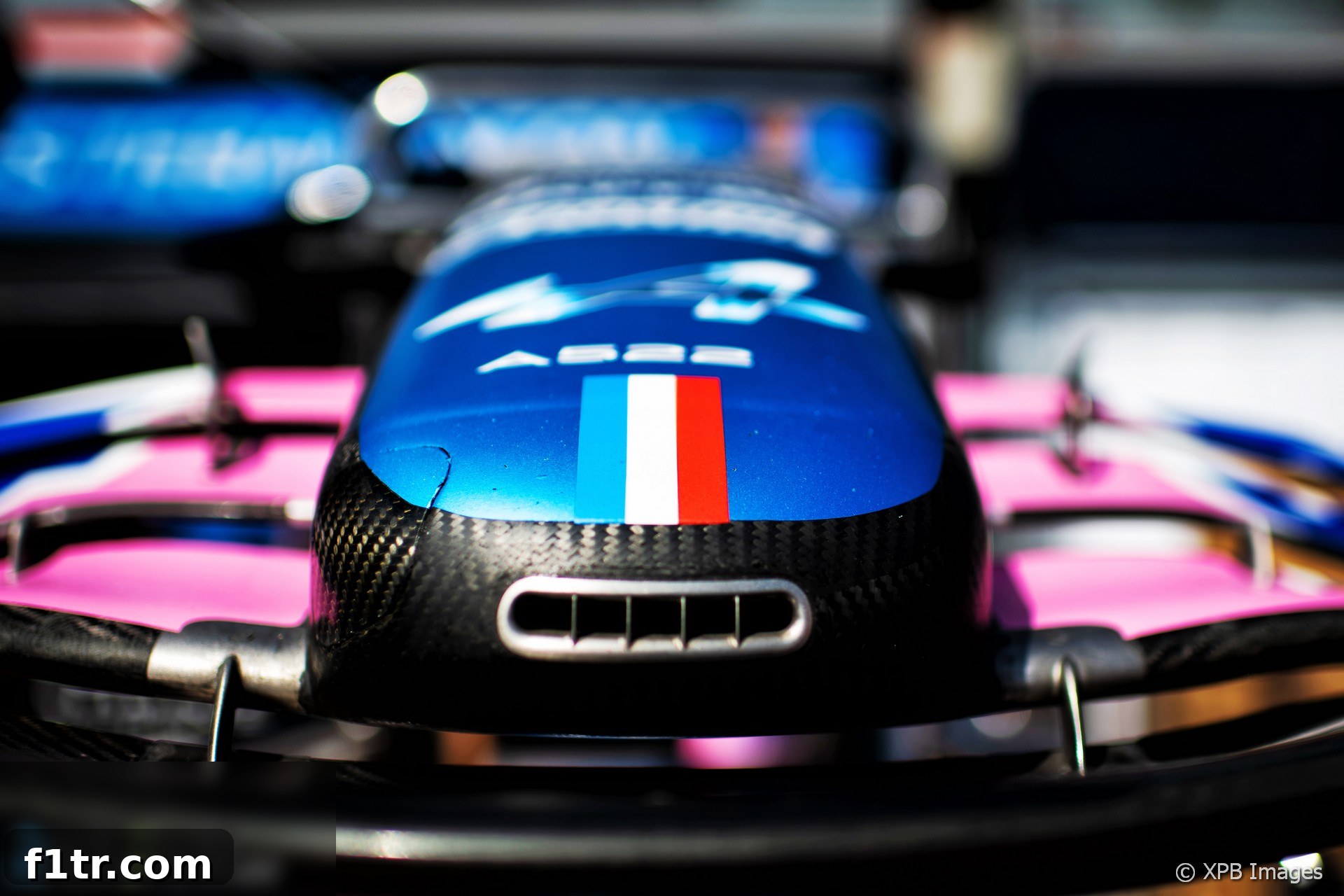
Alpine: Mastering the Fairmont Hairpin
Monaco-Specific Front Suspension Geometry
Alpine’s primary update revolved around its front suspension, introducing a revised steering geometry specifically for Monaco. The core reason for this modification is to provide the extra steering lock required to navigate the infamous tight left-hander at the Loews (Fairmont) Hairpin. By using shorter steering arms, Alpine engineers ensure their drivers can achieve the maximum angle needed to turn the car effectively through this unique section of the track. This targeted mechanical change is crucial for optimizing the car’s agility and minimizing the time lost through one of the circuit’s most challenging corners.
AlphaTauri: Precision Steering for the Principality
Track-Specific Front Suspension Layout Adjustments
AlphaTauri focused its updates on the front suspension, implementing small, track-specific changes to its layout. These modifications are specifically engineered to accommodate the higher steering demands of the Monaco circuit. In an environment where every millimetre of steering input matters, optimizing the suspension geometry allows for more precise and responsive steering, giving the drivers greater control through the endless sequence of turns. This focus on driver feel and car responsiveness is paramount on a circuit that punishes even the slightest inaccuracy.
Complementary Front Corner Updates
In conjunction with the front suspension changes, AlphaTauri also made minor adjustments to the front corner of the car. These modifications were specifically designed to be fully compatible and synergistic with the new front suspension layout. The aim remains the same: to allow for the higher steer demands of the Monaco track. By ensuring both components work in harmony, AlphaTauri seeks to maximize the benefits of their steering-focused updates, providing a holistic improvement to the car’s handling characteristics in Monte Carlo’s tight turns.
Williams: Enhanced Steering and Robust Braking
Steering Arm Length and Fairing Modifications
Williams introduced a significant update to their front suspension, involving a change in steering arm length alongside modifications to the outboard fairings of the front pushrod and front lower wishbone. The primary goal of these changes is to increase the gain between the steering wheel rotation and the front road wheel angle. In simpler terms, a smaller input at the steering wheel now translates to a larger change in the wheel angle. This enhancement directly aids the drivers in achieving the required steering angles to negotiate the incredibly tight corners unique to Monaco, improving the car’s responsiveness and maneuverability.
Optimized Front Corner Cooling System
Recognizing the immense braking demands of Monaco, Williams also revised its front corner with changes to the inlet and exit of the front brake ducts, coupled with minor revisions to the internal cooling paths. The team’s objective was to significantly increase the brake disc and caliper cooling. This modification is tailored to suit the unique and punishing demands of the Monaco Grand Prix, where brakes are subjected to constant stress with little respite. Improved cooling ensures consistent braking performance, reduces wear, and prevents critical components from overheating, all of which are essential for navigating the circuit’s many heavy braking zones effectively.
Haas: Accommodating Maximum Steering Lock
Front Corner Modifications for Increased Steering Lock
Haas directed its Monaco-specific update towards the front corner of the car, specifically to allow for increased steering lock at the critical Loews (Fairmont) Hairpin. Engineers introduced flexibility into existing geometries, modifying the chassis side seals and the wheel side brake duct and seals. These adaptations enable the steering arm to achieve the required envelope for maximum lock. This precision engineering ensures that the car can physically turn tight enough for the hairpin, providing the driver with the necessary steering capability to navigate this notoriously challenging corner efficiently and without compromising other aspects of the car’s setup.
The Monaco Advantage: A Symphony of Specialized Engineering
The array of updates brought by these Formula 1 teams underscores the unparalleled specificity required to conquer the Monaco Grand Prix. Unlike any other circuit, Monte Carlo demands a highly specialized technical approach, where teams prioritize mechanical grip, extreme steering capabilities, and robust cooling systems over outright aerodynamic efficiency. The common threads weaving through these updates include a strong emphasis on revising steering geometry for maximum lock, significantly boosting brake cooling to counteract low average speeds and frequent braking, and making nuanced aerodynamic adjustments to generate optimal downforce at low speeds.
Each modification, from a subtle radius change on a front wing endplate to a complete overhaul of steering kinematics, represents countless hours of research, design, and simulation. Teams strive to find that perfect balance between performance, reliability, and driver comfort within the unique constraints of this street circuit. These detailed engineering efforts highlight the extraordinary lengths to which Formula 1 teams go to gain a competitive edge, transforming their complex machinery to specifically address the formidable challenges of the iconic Monaco Grand Prix. As the cars hit the track, the true impact of these meticulously crafted updates will be revealed, shaping the battle for supremacy on the historic streets of Monte Carlo.