Daniel Ricciardo Advocates for Highlighting F1’s True Brilliance Over Crash Content on Social Media
Daniel Ricciardo, a prominent and often outspoken figure in the world of Formula 1, has offered a heartfelt apology regarding the strong language he recently used to critique Formula 1’s approach to social media highlight reels. His initial comments expressed dissatisfaction with what he perceived as an excessive focus on crashes and incidents, arguing that this editorial direction fails to accurately represent the true essence and spectacle of the sport. While retracting his specific word choice, Ricciardo unequivocally reaffirmed his core message: Formula 1’s digital presence should prioritize showcasing the sport’s incredible highs and the unparalleled talent of its drivers.
Advert | Become a Supporter & go ad-free
Ricciardo’s Apology and Unwavering Stance on F1’s Digital Narrative
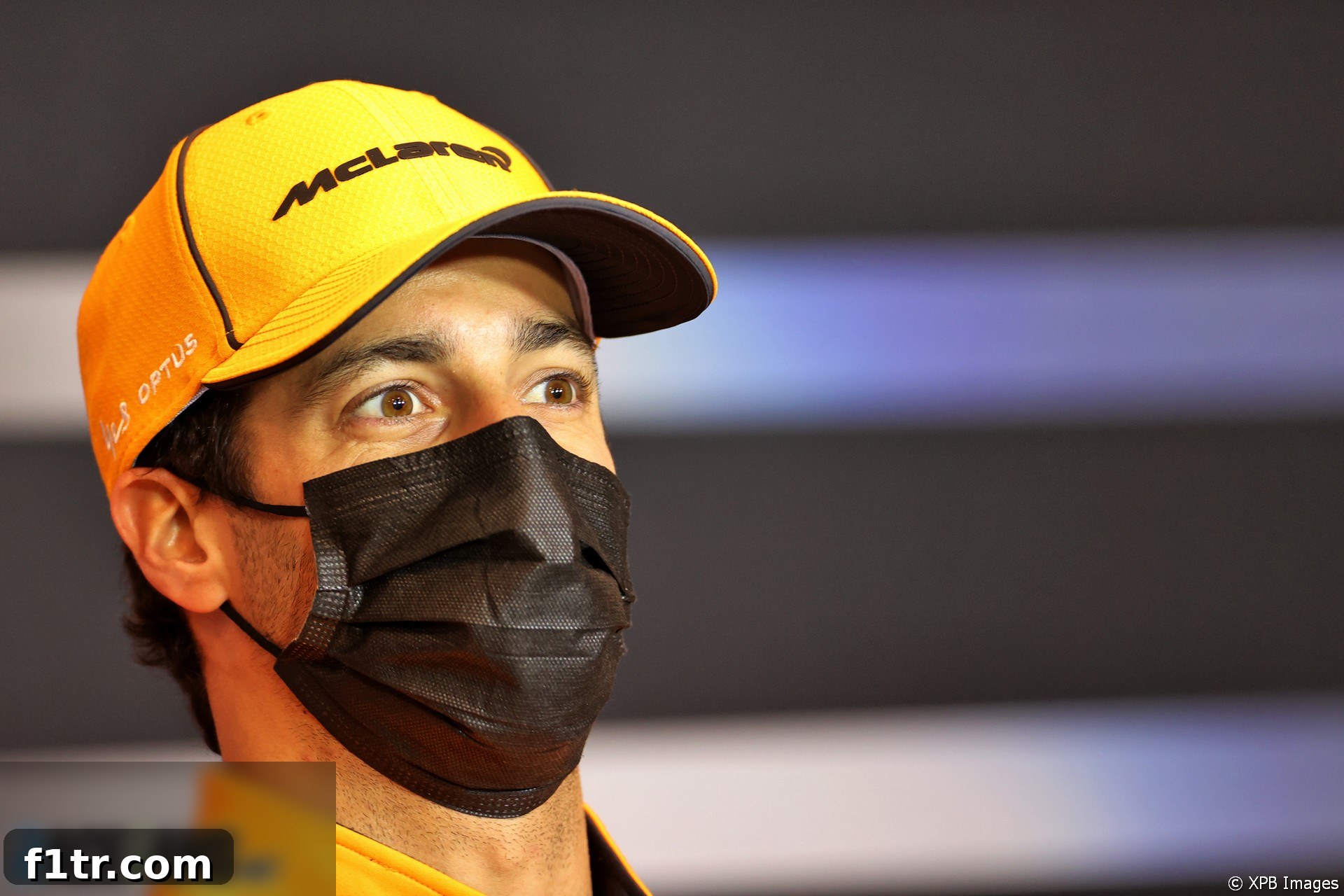
Speaking at the FIA press conference during the Emilia-Romagna Grand Prix, the McLaren driver acknowledged his previous remarks, stating he “certainly got to be better with [his] choice of words” and admitted to being “too aggressive.” Ricciardo understands the wide reach and influence of his statements, especially in a global sport like Formula 1. He recognized that even when expressing valid concerns, the manner of delivery can sometimes overshadow the message itself, leading to unintended consequences and potential misinterpretations. This self-awareness underscores his commitment to professionalism, even as he champions a cause he deeply believes in.
Despite apologizing for having called F1’s social channel administrators “fucking idiots” in a recent interview, Ricciardo’s conviction about the need for change in their content strategy remained resolute. He explained that his frustration stemmed from a genuine desire to see the sport he loves portrayed in its best light. His critique is not merely a complaint but a constructive observation from an insider who experiences the sport’s brilliance firsthand. For Ricciardo, the core issue is not the existence of crashes, but their disproportionate representation in official highlights, especially when juxtaposed against the multitude of positive and inspiring narratives that unfold during a racing season.
“Taking that direct comment away from it, I guess what I’m trying to get at is I feel like last year, as an example, was such an amazing year for F1,” Ricciardo elaborated. “There were so many different podium-getters. There was a lot of exciting races. I certainly wouldn’t put it under a boring season.” This reflection highlights his belief that Formula 1 possesses an intrinsic wealth of compelling content that goes far beyond mere incidents. He pointed to the diverse winners, the nail-biting finishes, and the sheer unpredictability that defined recent seasons as prime examples of what should be spotlighted.
The Broader Impact: F1’s Brand Image and Driver Perception
Ricciardo articulated that a continuous emphasis on crashes potentially misrepresents Formula 1’s brand identity. He feels the sport is “better than that,” suggesting that focusing predominantly on accidents cheapens its image and overlooks the sophisticated blend of engineering, strategy, and human skill that truly defines it. In an era where sports compete fiercely for audience attention, presenting a balanced and aspirational view is crucial for attracting new fans and retaining existing ones who appreciate the sport’s deeper complexities.
The Australian driver also highlighted how this content strategy reflects poorly on the drivers themselves. “We are the most talented drivers in the world and we’re driving these amazing cars. So normally a crash is showing less of our talents,” he observed. This powerful statement underscores a critical point: F1 drivers are elite athletes operating at the pinnacle of motorsport. While mistakes are an inevitable part of high-pressure competition, their skills extend far beyond merely avoiding collisions. They are masters of precision, courage, and strategic thinking, capable of extracting every ounce of performance from their highly engineered machines. Showcasing crashes as primary highlights risks reducing these exceptional individuals to mere participants in spectacular failures rather than celebrating their extraordinary abilities and hard-won successes.
For Ricciardo, the perception of the sport and its athletes is paramount. He believes that the current approach may inadvertently diminish public appreciation for the profound skill and artistry involved in navigating a Formula 1 car at speeds exceeding 200 mph. It’s not about denying that crashes happen, but about ensuring that they do not overshadow the countless moments of brilliance, the incredible overtakes, the strategic masterclasses, and the sheer dedication required to compete at this level. If the narrative consistently defaults to the lowest common denominator of sensationalism, it risks eroding the respect and admiration that fans hold for the sport’s most fundamental elements: speed, skill, and competition.
Beyond Crashes: Showcasing the True Spectacle of Formula 1
Ricciardo offered a clear vision for what F1’s social media could and should be. “I just felt like there was probably more room to expose the highs of the sport and the great achievements of a lot of individual drivers and individual performances and some spectacular overtakes… I felt like there was better stories to be told as opposed to just crashes,” he asserted. This sentiment resonates with many fans who crave a deeper, more nuanced appreciation of Formula 1. The sport is rich with captivating narratives that transcend simple incidents.
Imagine highlight reels dedicated to the sheer artistry of a perfectly executed overtake, where drivers demonstrate incredible bravery and precision, pushing the limits of grip and daring to go where others wouldn’t. Consider the strategic battles unfolding throughout a Grand Prix, where pit wall decisions, tire management, and cunning race craft determine the outcome as much as raw speed. These are the elements that reveal the intellectual depth and competitive spirit of F1. Furthermore, there are countless individual stories of triumph against adversity, rookie sensations making their mark, seasoned veterans proving their worth, and fierce rivalries that ignite passion among fans. These human elements are incredibly powerful and often more memorable than a fleeting moment of chaos.
Ricciardo’s argument suggests a need for a more comprehensive content strategy that educates and excites audiences about the many facets of Formula 1. This could include technical insights, driver interviews focusing on their craft, behind-the-scenes glimpses of team operations, or historical features celebrating iconic moments that don’t involve a wrecked car. By showcasing the intricate dance between man and machine, the relentless pursuit of perfection, and the sheer joy of competitive success, Formula 1 can cultivate a more discerning and dedicated fanbase, ultimately enhancing its global appeal and prestige.
In his closing remarks on the subject, Ricciardo reiterated his opinion: “This is obviously my opinion, but I feel our sport is better than that. I feel like we’re better than just showing crashes. And I think there’s other [sports], whether it’s other categories or other types of sport or disciplines, to kind of show that level of highlights.” He believes F1 stands apart due to its unique combination of speed, technology, and driver skill, and its digital representation should reflect this superior standing. His advocacy is a call to action for Formula One Management to reconsider its content priorities, to elevate the narrative, and to present a more balanced, positive, and ultimately more representative portrayal of the world’s premier motorsport.
As drivers like Ricciardo continue to push for a more holistic and respectful representation of their sport, the conversation around digital content strategy in Formula 1 will undoubtedly evolve. The goal, from Ricciardo’s perspective, is clear: to ensure that the spectacle of Formula 1 is conveyed through its triumphs and exceptional performances, rather than solely through its mishaps.
2021 Emilia-Romagna Grand Prix
- Poor Imola pace was “100% tyres”, says Bottas
- Bottas says Imola crash is “history” after reading Russell’s apology
- ‘Lewis and Valtteri are team mates to me as Nicholas is’ says Russell after ‘private’ Wolff talks
- ‘Hamilton didn’t break the rules by reversing’ shouldn’t be a story
- 2021 Emilia-Romagna Grand Prix Star Performers
Browse all 2021 Emilia-Romagna Grand Prix articles