Red Bull Powertrains: Forging an Independent Future in Formula 1
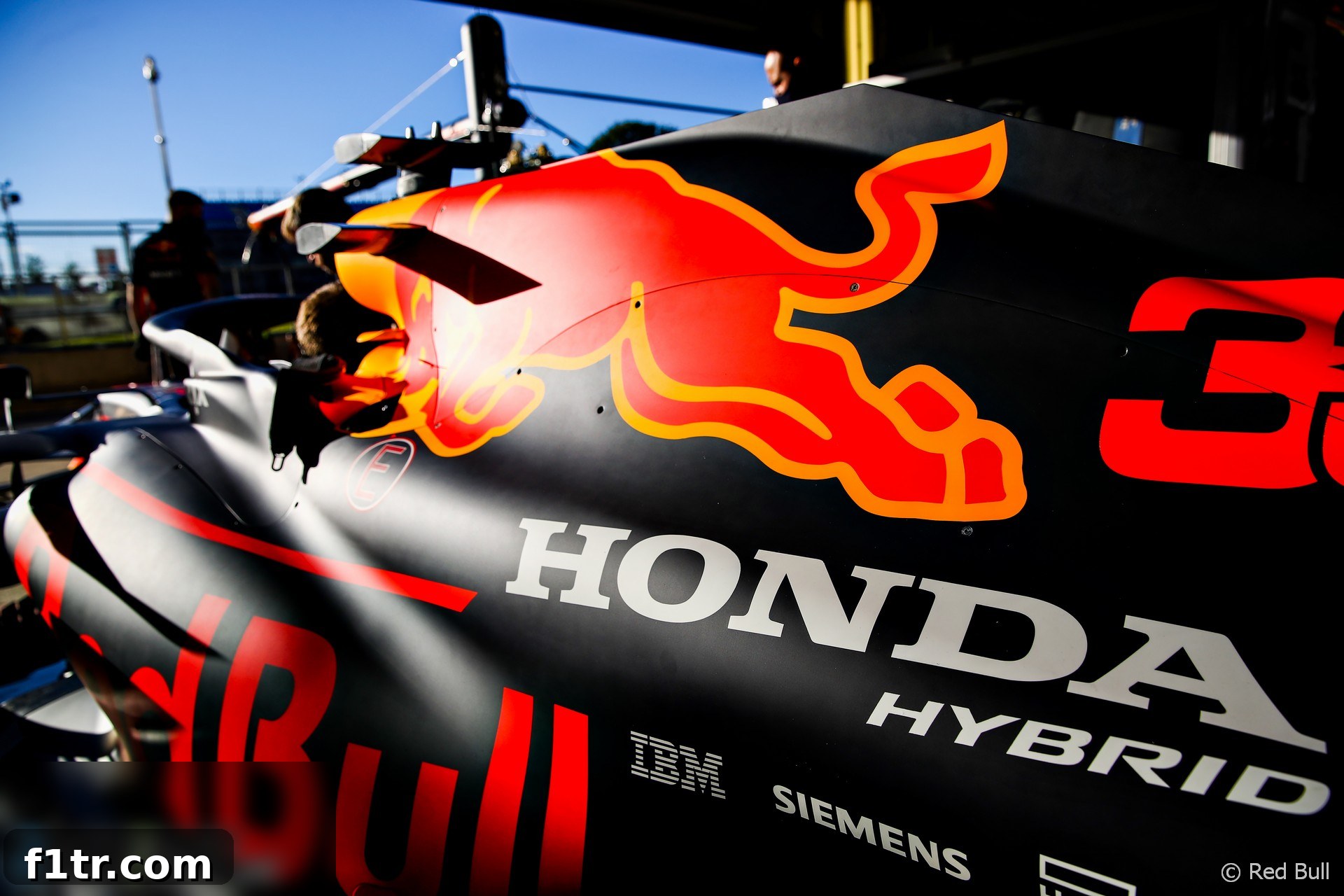
In a landmark move set to redefine its long-term strategy in Formula 1, Red Bull Racing has officially confirmed its decision to take over Honda’s formidable power unit operations following the Japanese manufacturer’s departure from the sport at the close of the 2021 season. This monumental step sees the creation of a new, dedicated entity – Red Bull Powertrains – which will be responsible for the assembly, maintenance, and ongoing development of the power units from the 2022 F1 season onwards.
This strategic shift ensures the continuity of the highly competitive Honda power units within the Red Bull family, a critical factor for both Red Bull Racing and its sister team, AlphaTauri. The announcement marks an ambitious leap towards greater vertical integration and autonomy for the energy drink giant in the pinnacle of motorsport, an aspiration long cherished by team principal Christian Horner and Red Bull motorsport advisor Dr. Helmut Marko.
The move comes after months of intense negotiations and planning, culminating in a solution that secures Red Bull’s engine supply beyond Honda’s official exit. For Red Bull, maintaining the performance advantage and synergy achieved with Honda was paramount, especially as the team mounted a serious challenge for championship honours. The establishment of Red Bull Powertrains at their Milton Keynes campus signifies a robust commitment to their Formula 1 future, transforming them from a customer team to a power unit operator.
The Genesis of Red Bull Powertrains: A Strategic Imperative
The decision to create Red Bull Powertrains was not taken lightly, nor was it a spontaneous reaction. It emerged as the most viable and strategically sound option for Red Bull Racing after Honda announced its departure, leaving the team in a precarious position regarding its future engine supply. With Mercedes, Ferrari, and Renault already supplying other teams or having their own works teams, the landscape for an independent engine supply was limited, and potentially fraught with compromises.
Christian Horner elaborated on the rationale behind this bold venture. “As far as badging is concerned, there’s no discussions underway regarding that,” Horner confirmed, emphasizing the clarity of the new branding. “So it will be a Red Bull engine.” This statement underscores a significant departure from previous customer arrangements, such as the period when Red Bull rebranded its Renault power units under the TAG Heuer moniker. This time, the engine will proudly carry the Red Bull name, symbolizing true ownership and integration.
The concept of an in-house power unit operation aligns Red Bull closer to the likes of Mercedes, which designs and manufactures its own engines. Horner further added, “As Mercedes is a Mercedes it will be an incorporated part of the car. So it’ll just be a ‘Red Bull’.” This vision extends to AlphaTauri as well, with Horner envisaging the same branding applying to their engines, reinforcing the unity within the Red Bull motorsport empire. This level of control allows for unparalleled synergy between chassis and power unit development, a factor often cited as crucial for championship success.
Capitalizing on the Engine Development Freeze
A critical enabler for the formation of Red Bull Powertrains was Formula 1’s decision to implement an engine development freeze from the start of the 2022 season. This freeze prohibits significant performance-related upgrades to power units until the introduction of the next generation of F1 engines, expected around 2026. This regulation change dramatically reduced the entry barrier for Red Bull, transforming a colossal development challenge into a more manageable operational one.
Without the freeze, Red Bull would have faced the daunting and incredibly expensive task of designing, developing, and manufacturing an entirely new power unit from scratch, a feat that would typically take years and billions of dollars. The freeze allows them to inherit a highly competitive, proven power unit design from Honda and focus on its production, assembly, and maintenance, rather than fundamental R&D. This aspect was crucial for making the project financially and technically feasible for Red Bull.
Honda’s commitment to its final year in Formula 1 is robust, ensuring a strong handover. Horner confirmed, “Honda are continuing to operate as usual this year and will stay committed to Formula 1 to the 31st of December.” During this period, Honda’s engineers are working closely with Red Bull’s fuel partner, ExxonMobil, on the development of the E10 fuel for 2022. The E10 fuel, which contains 10% ethanol, represents a significant regulatory change and requires substantial adaptation of the power unit. Honda’s expertise in this transition phase is invaluable, ensuring the inherited power unit is fully optimized for the new fuel specifications.
The intricate details of this transition are being meticulously managed. “So it’s business as usual very much for the 2021 year. And obviously the engine will then be handed over for pre-season testing this time next year,” Horner clarified. This phased approach allows for a smooth transfer of intellectual property, technical know-how, and personnel from Honda to Red Bull Powertrains, minimizing disruption and maximizing the potential for immediate competitiveness in 2022.
Building the Future: Red Bull Powertrains Facility and Personnel
To accommodate this ambitious new venture, Red Bull Racing is investing heavily in a state-of-the-art facility at its Milton Keynes campus, adjacent to the existing F1 team headquarters. This dedicated facility will house the necessary engine dynos, assembly rooms, and engineering offices to support the Red Bull Powertrains operation. The proximity to the chassis design and manufacturing ensures optimal integration and communication between the two critical components of a modern F1 car.
Staffing Red Bull Powertrains is another key element. While a significant portion of the technical intellectual property is being acquired from Honda, the operational expertise and engineering talent will be crucial. Red Bull is actively recruiting top engineering talent from across the motorsport industry, complementing the transfer of some key Honda personnel who wish to remain in Formula 1 and join the new Red Bull venture. This blend of experienced engineers from Honda, new hires, and potentially internal transfers from Red Bull Racing will form the backbone of the new power unit division.
The long-term vision for Red Bull Powertrains extends beyond merely operating the current Honda design under the engine freeze. While the immediate focus is on 2022-2025, Red Bull’s ultimate ambition is to become a true F1 power unit manufacturer. This means influencing future engine regulations and potentially designing and building their own bespoke power units for the next generation of Formula 1 cars, expected from 2026 onwards. This level of self-sufficiency would cement Red Bull’s status as a full-fledged constructor, with complete control over its destiny in the sport.
Strategic Advantages and Looming Challenges
The creation of Red Bull Powertrains offers several compelling strategic advantages. Firstly, it provides unparalleled control over the power unit. This means seamless integration with chassis design, enabling engineers to optimize packaging, cooling, and aerodynamics without external constraints or differing priorities from an independent engine supplier. This holistic approach is often a hallmark of championship-winning teams.
Secondly, it mitigates the risk of being left without a competitive engine supply in a highly competitive and often political F1 landscape. By becoming self-sufficient, Red Bull safeguards its future, ensuring it always has a power unit tailored to its specific needs. While the initial investment is substantial, long-term costs could be more manageable compared to purchasing engines from external suppliers, especially if future regulations encourage cost efficiency.
However, significant challenges accompany this ambitious undertaking. The financial investment required to set up and operate an F1 power unit division, even under a development freeze, is immense. Red Bull will need to demonstrate strong management and financial discipline to make this project sustainable. Furthermore, while the technical foundation is strong, the responsibility for operational reliability and performance now rests squarely on Red Bull’s shoulders. Any issues with the power unit will be internal matters, requiring rapid and effective solutions from the new Powertrains division.
The psychological aspect is also critical. Red Bull Racing has proven its prowess in chassis design and aerodynamics repeatedly. Now, they are adding another layer of complex engineering to their portfolio, facing direct comparisons with established engine manufacturers. The pressure to maintain the high standards set by Honda will be intense, particularly with the high expectations associated with the Red Bull brand.
The Broader F1 Landscape and Future Implications
Red Bull’s bold move has significant implications for the wider Formula 1 landscape. It signals a trend towards greater vertical integration among top teams, with fewer genuinely independent customer teams in the future. As F1 moves towards more sustainable and potentially standardized engine components in the future, Red Bull Powertrains positions the company to be a key player in shaping those discussions and adapting to new technologies, such as increased hybridization or alternative fuels.
The journey with Honda, while relatively short, has been marked by significant progress and eventually, race victories. Honda’s unwavering commitment and engineering excellence laid the groundwork for Red Bull’s current competitive standing. The transition to Red Bull Powertrains is a testament to the strong relationship forged and the confidence Red Bull has in the inherited technology and the talent joining their new division.
Ultimately, the establishment of Red Bull Powertrains is a declaration of intent. It is a clear statement that Red Bull Racing is committed to its long-term future in Formula 1, not just as a participant, but as a dominant force aiming for ultimate independence and sustained championship success. This strategic move is not merely about securing an engine supply; it is about taking full control of their destiny and cementing their legacy as a truly integrated and self-sufficient constructor in the fiercely competitive world of Formula 1.
Further Reading on Red Bull Racing & F1
- Masi ‘basically gifted the championship’ to Verstappen says 2021 FIA steward Sullivan
- Las Vegas race backers looking to extend F1 deal beyond 2025
- Why Mercedes put ‘a reminder of joy and pain’ on display in their factory lobby
- Verdict on error in GT race suggests Mercedes would have lost 2021 Abu Dhabi GP appeal
- Title ‘stolen’ from Mercedes made us ‘underdogs people cheer for’ – Wolff
- Browse all 2021 F1 season articles