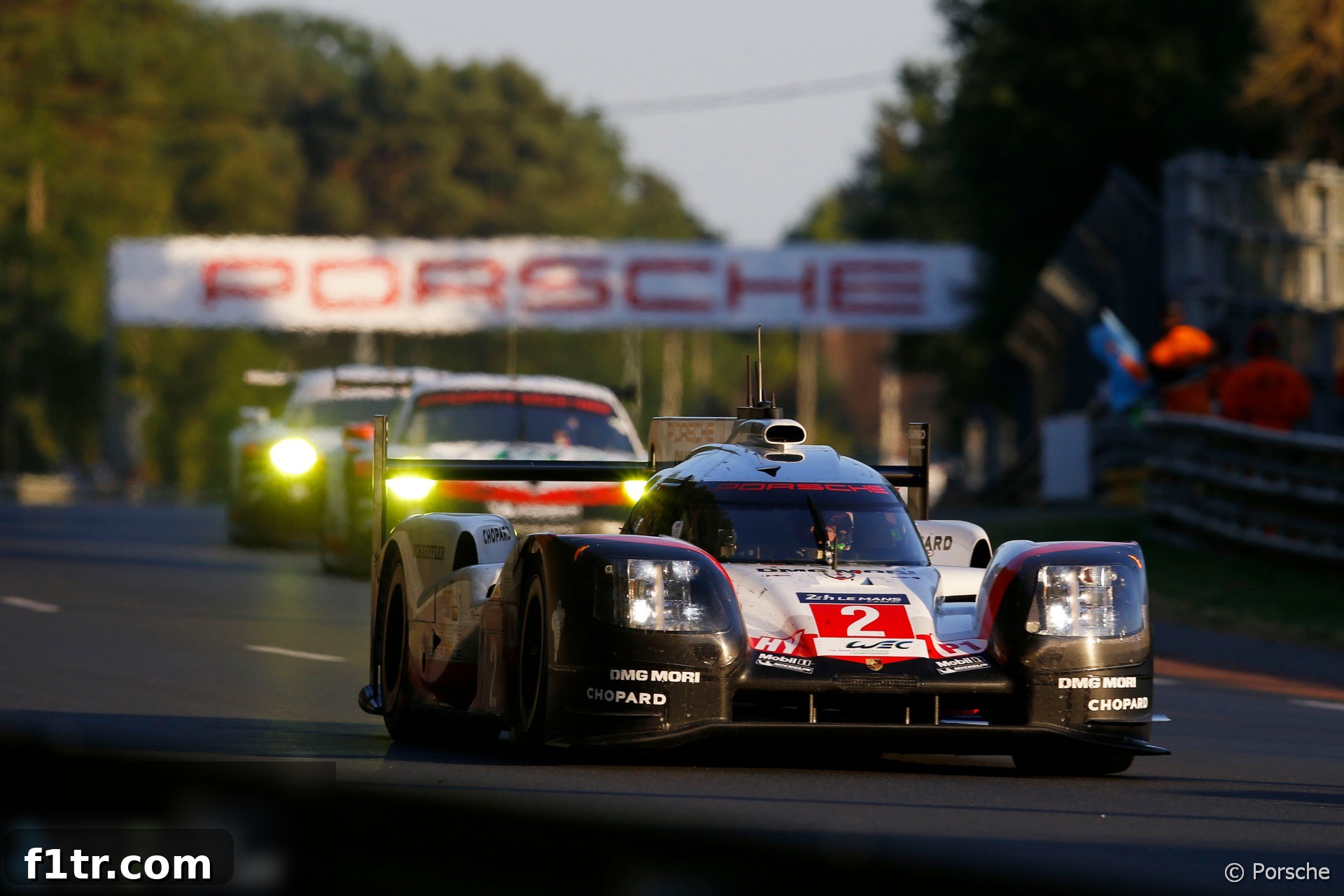
The exhilarating prospect of the Volkswagen Group entering Formula 1 has moved a significant step closer, with key proposals discussed at a recent supervisory board meeting. This monumental decision, if finalized, could see two of the automotive giant’s most iconic brands, Porsche and Audi, make their highly anticipated debut in the pinnacle of motorsport. The potential arrival of such influential manufacturers is poised to reshape the competitive landscape, inject substantial investment, and significantly elevate the global appeal of Formula 1, marking a new era of intensified competition and technological innovation on the grid.
Volkswagen Group’s Grand Ambition: Porsche and Audi Poised for F1
The Volkswagen Group, a titan in the global automotive industry, is meticulously evaluating the strategic move of deploying its premium brands, Porsche and Audi, into Formula 1. These discussions underline a clear intent to leverage the immense marketing platform and technological proving ground that F1 offers. Porsche, revered globally as VW Group’s ‘Sport’ brand, boasts an unparalleled racing heritage, synonymous with endurance racing and high-performance engineering. Audi, one of its four ‘Premium’ marques, brings a formidable legacy from various top-tier motorsport categories, including Le Mans, DTM, and Formula E, demonstrating its prowess in diverse racing environments. The commitment to such an endeavor from a group of this magnitude would represent one of the most significant manufacturer entries in recent Formula 1 history.
The Lure of Formula 1: Why Now?
The timing of the Volkswagen Group’s considerations is not coincidental. Formula 1 is experiencing a resurgence in popularity, driven by engaging racing, strategic marketing efforts like Netflix’s “Drive to Survive,” and a global push towards sustainability. This aligns perfectly with the future-oriented strategies of modern automotive manufacturers. F1 provides an unparalleled platform for brand exposure, technological development, and the testing of advanced powertrains, particularly as the sport moves towards a greener future. For a company like the VW Group, which is heavily invested in electric mobility and sustainable technologies, F1 offers a credible and high-profile arena to demonstrate its engineering capabilities and commitment to environmental responsibility.
The Pivotal 2026 Regulation Overhaul: A Game Changer
A final commitment from the Volkswagen Group hinges critically on the confirmation of Formula 1’s 2026 technical regulations. These impending rule changes are designed specifically to attract new power unit manufacturers and ensure a more level playing field. Central to these reforms is the restructuring of the V6 hybrid turbo power units, which were originally introduced in 2014. The revised regulations are expected to feature a more simplified, yet still highly advanced, hybrid system, aiming to reduce complexity and entry barriers for new participants. This pivotal shift is seen as the primary catalyst drawing automotive giants like the VW Group to seriously consider entering the sport.
Addressing the MGU-H Challenge
One of the most significant changes anticipated in the 2026 regulations is the removal of the MGU-H (Motor Generator Unit – Heat). The MGU-H, an incredibly complex and costly component that recovers energy from the turbocharger, has long been cited as a major deterrent for potential new engine suppliers. Its intricate nature requires substantial intellectual property and engineering resources to develop competitively, creating a high barrier to entry. By eliminating the MGU-H, the FIA and Formula 1 aim to significantly reduce development costs and technical hurdles, making the sport more accessible and attractive to manufacturers who may not have decades of F1-specific hybrid engine experience. This simplification is a clear signal that F1 is actively trying to foster a more inclusive environment for fresh engineering talent and investment.
Sustainable Fuels and Cost Caps: Welcoming New Entrants
Beyond the MGU-H, the 2026 regulations will place a strong emphasis on sustainable fuels, with a goal of achieving 100% sustainable fuel use. This move perfectly aligns with the global automotive industry’s push towards decarbonization and offers manufacturers a relevant research and development platform for future road car technologies. Furthermore, the FIA has publicly stated its intention to “make it possible for [newcomers] to join the sport at a competitive level.” This commitment is expected to be backed by regulatory frameworks, potentially including adjustments to the existing cost cap, to ensure that new entrants are not immediately disadvantaged by the established teams’ accumulated knowledge and infrastructure. The combination of simplified power unit regulations, a focus on sustainable fuels, and a supportive financial framework creates an enticing proposition for the Volkswagen Group.
Porsche’s Path to F1: A Strategic Alliance with Red Bull?
Among the various rumors circulating, Porsche is strongly believed to be pursuing a tie-up with Red Bull Racing. This potential alliance carries immense strategic weight for both parties. Red Bull, a formidable force in Formula 1, recently concluded its highly successful partnership with Honda, which saw Max Verstappen clinch the 2021 and 2022 Drivers’ Championships. While Red Bull Powertrains has been established to develop and produce its own engines, a collaboration with an experienced automotive powerhouse like Porsche could provide unparalleled engineering depth, financial backing, and brand prestige. Porsche’s rich history in motorsport, though primarily outside of F1, demonstrates a relentless pursuit of performance and innovation that could perfectly complement Red Bull’s chassis design and operational excellence.
Red Bull Powertrains and the Legacy of Honda
The vacuum left by Honda’s official withdrawal at the end of last year (though they continue to provide technical support) opened the door for Red Bull to explore new avenues for its power unit supply. The establishment of Red Bull Powertrains was a bold move, asserting greater control over their destiny. However, the task of designing and manufacturing a competitive F1 power unit from scratch is monumental. A partnership with Porsche would alleviate much of this burden, bringing decades of engine development expertise to the table. Such a collaboration would represent a fusion of Red Bull’s agile, race-winning mentality with Porsche’s meticulous engineering and vast resources, potentially forming a championship-contending partnership for the 2026 regulations and beyond. The synergy could be powerful, combining Red Bull’s operational brilliance with Porsche’s technical might.
Audi’s Ambition: McLaren and Beyond
Audi’s potential entry into Formula 1 has been linked with several teams, most notably McLaren. The iconic British team, with its storied history and state-of-the-art facilities, presents an attractive target for a manufacturer looking to establish a strong presence. Reports have suggested Audi might be considering a buy-in or even a full acquisition of an existing team, rather than simply supplying engines. This approach would grant Audi greater control over its F1 destiny, allowing it to fully integrate its brand identity and engineering philosophy into the team’s operations. However, other teams have also been mentioned in conjunction with Audi, indicating a broader exploration of options to find the best strategic fit for its entry.
Audi’s Motorsport Pedigree
Audi’s motorsport pedigree is extensive and impressive, ranging from multiple victories at the 24 Hours of Le Mans with its revolutionary diesel and hybrid prototypes to successes in touring car racing (DTM) and electric motorsport (Formula E), and most recently, conquering the Dakar Rally with an innovative electric drivetrain. This diverse background demonstrates Audi’s adaptability and commitment to winning across various disciplines. Bringing this wealth of experience and technological prowess to Formula 1 would not only enrich the sport but also provide Audi with a global platform to showcase its technical leadership and commitment to sustainable mobility. The brand’s focus on technological advancement and design excellence makes it a natural fit for the high-tech environment of Formula 1.
Driver Perspectives: A Resounding Welcome
The potential entry of Porsche and Audi has been met with enthusiastic approval from Formula 1’s leading drivers, highlighting the positive impact such a move would have on the sport. Their insights underscore the significance of attracting major automotive manufacturers to deepen the competition and enhance the overall spectacle of F1.
Max Verstappen on Manufacturer Involvement
Max Verstappen, the reigning world champion, voiced his excitement, stating, “I think it’s very exciting and it’s very important for Formula 1 as well. Of course we have 10 great teams, but also to have really big brands behind it is really nice, to see that commitment so I’m looking forward to what the future will bring to the teams.” Verstappen’s comments reflect a desire for increased manufacturer investment, which often translates into greater technological innovation, more resources for teams, and ultimately, even closer racing. The presence of iconic brands like Porsche and Audi would undoubtedly add another layer of prestige and competitive drive to the sport, pushing existing manufacturers to innovate further and raising the bar for performance across the grid.
Lando Norris’s View on New Manufacturers
Lando Norris of McLaren also shared a positive outlook, acknowledging the rumors surrounding his own team. “Us and Red Bull… are the teams who seem to be involved at the minute,” he noted. “I’ve got nothing to say, to be honest, it’s a question for Andreas and the team more than it is for myself. But of course, if there’s more big manufacturers as a whole, then it’s only a good thing for Formula 1.” Norris’s perspective highlights the inherent benefits for the entire sport. More manufacturers mean greater financial stability, increased research and development, and a broader talent pool, all of which contribute to a healthier, more competitive, and more sustainable Formula 1 ecosystem. For McLaren, specifically, a potential partnership with Audi could unlock significant resources and a factory-backed status that could propel them back to the very front of the field.
Lewis Hamilton Anticipates New Competition
Lewis Hamilton, a seven-time world champion and one of the sport’s most influential voices, believes the entry of new manufacturers is an “open secret.” He revealed, “I knew about it a long time ago already. I think it’s great that we’re going to get new manufacturers within the sport, especially as you see there are a lot of teams that have the potential to be top teams, but are our customer teams and so I think it’s going to be great moving forward and so we welcome them in.” Hamilton’s observation about customer teams aspiring to become top contenders is particularly poignant. With the backing of a factory manufacturer like Audi or Porsche, these teams could transition from merely purchasing power units to becoming fully integrated works operations, unlocking their full potential and significantly increasing the number of truly competitive outfits on the grid. This shift could lead to a more diverse set of race winners and championship challengers, enriching the narrative of Formula 1.
The Broader Impact on Formula 1: A New Era?
The potential entry of the Volkswagen Group’s brands promises a transformative impact on Formula 1. It signifies more than just new engines; it represents a powerful endorsement of the sport’s direction and its evolving appeal. The implications stretch across various facets, from technological advancements to increased commercial interest and enhanced global reach.
Technological Advancements and Sustainability Focus
With the VW Group’s immense research and development capabilities, F1 could witness an acceleration in powertrain innovation, especially concerning sustainable technologies. Porsche and Audi have been at the forefront of developing alternative fuels and electric drivetrains in their respective road car divisions. Bringing this expertise into F1’s 2026 regulations, particularly with the emphasis on 100% sustainable fuels and advanced hybrid systems, could fast-track the sport’s sustainability agenda. This synergy between motorsport and road car development reinforces F1’s relevance as a high-speed laboratory for future mobility solutions, appealing to a generation increasingly conscious of environmental impact.
Enhancing F1’s Global Appeal and Financial Health
The global marketing power of Porsche and Audi is undeniable. Their entry would attract new demographics and fan bases to Formula 1, especially in key markets where these brands hold significant sway. This expansion of F1’s audience would, in turn, increase sponsorship opportunities, media rights values, and overall commercial revenue for the sport. Furthermore, the financial investment from such major manufacturers would provide a significant boost to the teams they partner with, and potentially to the F1 ecosystem as a whole, fostering greater stability and allowing for sustained growth and development across the grid. The increased competition and heightened stakes would also add another layer of excitement, drawing in more viewers and strengthening F1’s position as a premier global sporting event.
Challenges and the Road Ahead
While the prospect is thrilling, the path to Formula 1 is fraught with challenges. Integrating new corporate cultures into the fast-paced, high-pressure environment of F1, developing competitive power units from scratch (even with simplified rules), and bridging the performance gap to established teams like Mercedes and Ferrari will require immense dedication, resources, and time. F1 is notoriously unforgiving, and success is never guaranteed, even for the most seasoned manufacturers. However, the Volkswagen Group’s track record in various top-tier motorsport categories demonstrates a clear capacity for long-term commitment and strategic execution.
As Formula 1 meticulously crafts its 2026 technical regulations, the entire motorsport world watches with bated breath. The potential commitment of the Volkswagen Group, bringing with it the illustrious names of Porsche and Audi, represents a truly game-changing moment for the sport. It signals a future where competition is fiercer, innovation is bolder, and the global appeal of Formula 1 reaches unprecedented heights. The stage is set for a new chapter of automotive legend in the world’s fastest racing series, pending the final confirmation that will undoubtedly ignite a wave of excitement across the motorsport community.