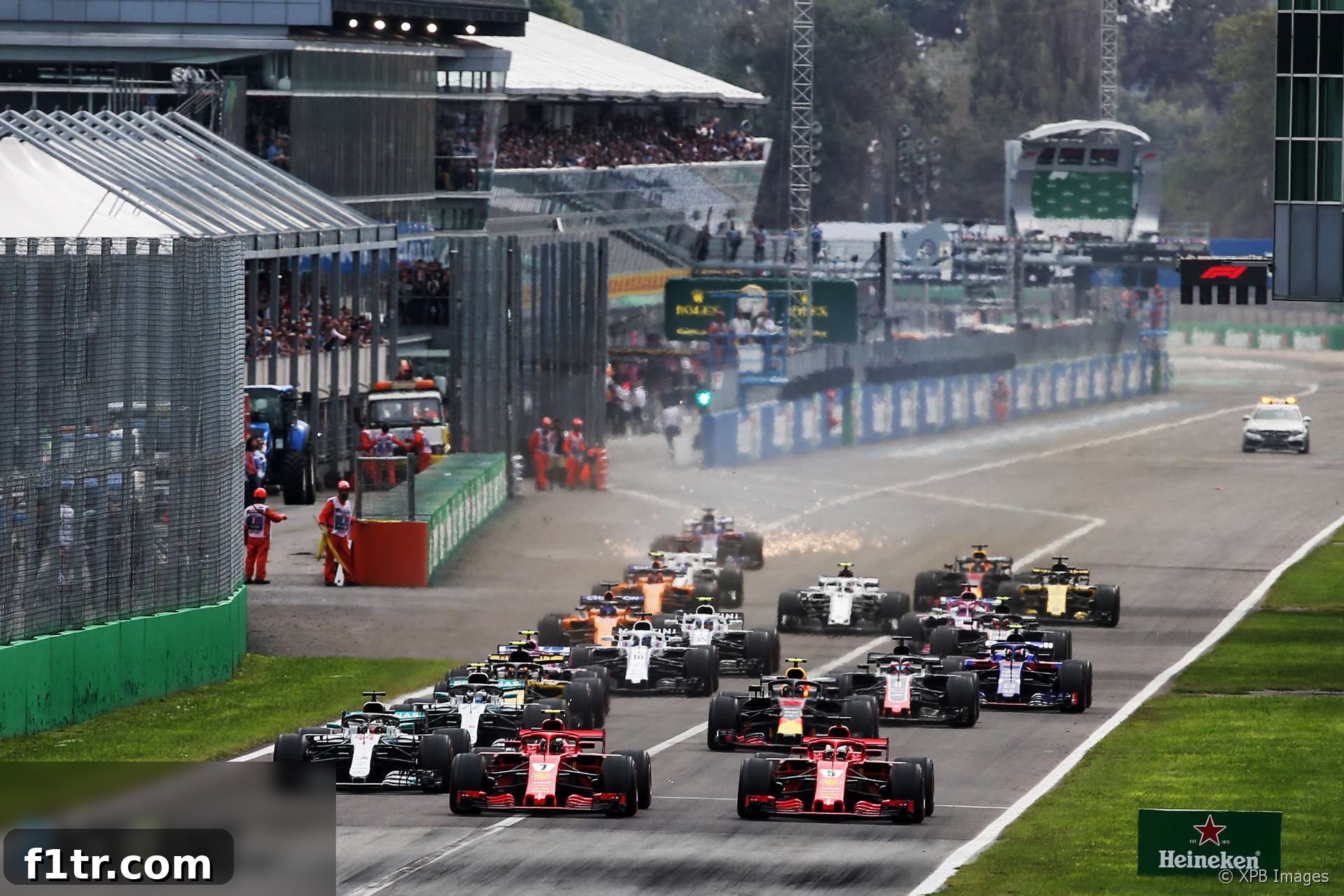
The legendary Monza circuit is poised to cement its cherished position on the Formula 1 calendar, as race promoters have successfully negotiated a new contract at a significantly reduced fee. This pivotal agreement ensures the ‘Temple of Speed’ will continue to host the Italian Grand Prix, one of the sport’s most historic and revered events, for years to come, much to the delight of motorsport enthusiasts worldwide.
Advert | Become a Supporter & go ad-free
The Italian Grand Prix holds a unique place in Formula 1 history, having been a cornerstone of the world championship since its inaugural season in 1950. The impending five-year extension is expected to secure its future until at least 2024, providing stability for both the circuit and the sport. This continuation is particularly significant given the increasing financial pressures faced by traditional European venues in an ever-expanding global F1 landscape.
Negotiations for the new deal were focused on securing a substantial reduction, often referred to as a ‘haircut,’ on the fee paid to Formula One Management (FOM). As previously reported, the 2019 race, which was the final event under the previous contract, carried a hefty price tag of $24 million. Such figures highlight the immense financial commitment required to host a Formula 1 Grand Prix in the modern era.
Reliable sources close to the Italian Grand Prix organization have confirmed that promoters successfully secured a new annual race fee of $17 million. This substantial reduction of $7 million per year underscores the critical importance of Monza to Formula 1, and the willingness of all parties to ensure its longevity. The negotiation reflects a strategic effort to balance the commercial demands of the sport with the preservation of its historical venues.
This year, Monza proudly stages the 70th world championship Italian Grand Prix. Throughout its illustrious history, all but one of these races have taken place at the iconic parkland circuit situated just north of Milan. The sole exception occurred in 1980 when the event was temporarily moved to the Imola circuit. Monza’s continuous presence on the calendar is a testament to its enduring appeal, thrilling high-speed layout, and the passionate Tifosi who flock to witness the spectacle.
The confirmation of Monza’s future is particularly timely as it ensures the circuit will remain a fixture on the world championship calendar during its centenary celebration in 2022. Reaching 100 years of operation is a monumental milestone for any sporting venue, and to mark it with a Formula 1 Grand Prix would be a fitting tribute to its rich heritage and contribution to motorsport. The ‘Temple of Speed’ has witnessed countless legendary moments, from nail-biting finishes to championship deciders, embedding itself deeply within the sport’s narrative.
Monza’s unique characteristics, including its long straights and fast corners like Parabolica, make it a true test of speed and bravery. It requires a specific low-downforce car setup, distinguishing it from most other circuits on the calendar. This distinctive challenge, combined with the fervent atmosphere created by the Italian fans, contributes to its reputation as one of the most anticipated races of the season. The roaring engines echoing through the Royal Park are an unforgettable experience for drivers and spectators alike.
While Monza’s future appears secure, the landscape for other traditional Formula 1 venues remains uncertain. Four other prominent races on the 2019 F1 calendar — the Spanish, British, German, and Mexican Grands Prix — do not currently hold contracts to host races next year. This situation highlights a broader trend within Formula 1, where historic European circuits are increasingly vying for spots against new, often more lucrative, venues emerging in different parts of the world, particularly in Asia, the Middle East, and the Americas.
The financial demands of hosting a Formula 1 race have escalated significantly over the years. Rights fees, infrastructure requirements, and logistical complexities combine to create a substantial burden on local promoters and governments. For circuits like Silverstone (British GP), Barcelona (Spanish GP), and Hockenheim (German GP), the challenge lies in demonstrating continued value and securing financial backing sufficient to meet FOM’s requirements, all while balancing the historical significance of their events. The potential loss of any of these iconic races would undoubtedly be felt keenly by fans and purists of the sport.
Formula 1’s commercial rights holder, Liberty Media, has expressed a clear strategy to expand the sport’s global footprint, exploring new markets and modern facilities. While this expansion offers exciting opportunities for growth and increased viewership, it simultaneously puts pressure on established races to adapt and prove their ongoing worth. The successful negotiation for Monza, however, offers a glimmer of hope that a balance can be struck between innovation and tradition, ensuring that venues with deep roots in F1 history can continue to thrive alongside new additions.
The economic impact of a Formula 1 Grand Prix on its host region is immense, encompassing tourism, employment, and international exposure. Hotels, restaurants, transport services, and local businesses all benefit significantly from the influx of thousands of international visitors and media personnel. This economic benefit often forms a crucial part of the justification for the substantial public and private investment required to secure and maintain a race contract. The Italian economy, particularly in the Lombardy region, will undoubtedly welcome the continued presence of its premier motorsport event.
The future of the Formula 1 calendar will likely remain a dynamic and closely watched aspect of the sport. While the addition of new races in emerging markets offers commercial advantages, the passionate fanbase often holds a strong emotional connection to the classic circuits. Monza’s renewed contract serves as a testament to the enduring power of history and tradition within Formula 1, ensuring that the roar of engines will continue to reverberate through its hallowed grounds for years to come. It’s a victory for heritage, speed, and the undying spirit of the Italian Grand Prix.
Don’t miss anything new from RaceFans
Follow RaceFans on social media to stay updated with the latest news, analysis, and exclusive content from the world of Formula 1:
- Join RaceFans on Facebook for community discussions and updates
- Follow RaceFans on Twitter for breaking news and live commentary
- Get daily email updates from RaceFans directly to your inbox
Advert | Become a RaceFans supporter andgo ad-free
Explore More on the 2019 F1 Season
- Ocon Reflects: Crying in the Melbourne car park at 2019 Grand Prix was my career low
- McLaren Racing reports reduced £71 million loss in 2019 financial year
- Kvyat on Hockenheim 2019: Podium last year was “my biggest achievement” so far
- FIA’s New Encrypted Fuel Flow Meter: Targeting Ferrari’s suspected ‘aliasing’ trick
- “He smashed my office door”: 23 must-see moments from ‘Drive to Survive’ season two
Browse all 2019 F1 season articles for in-depth coverage