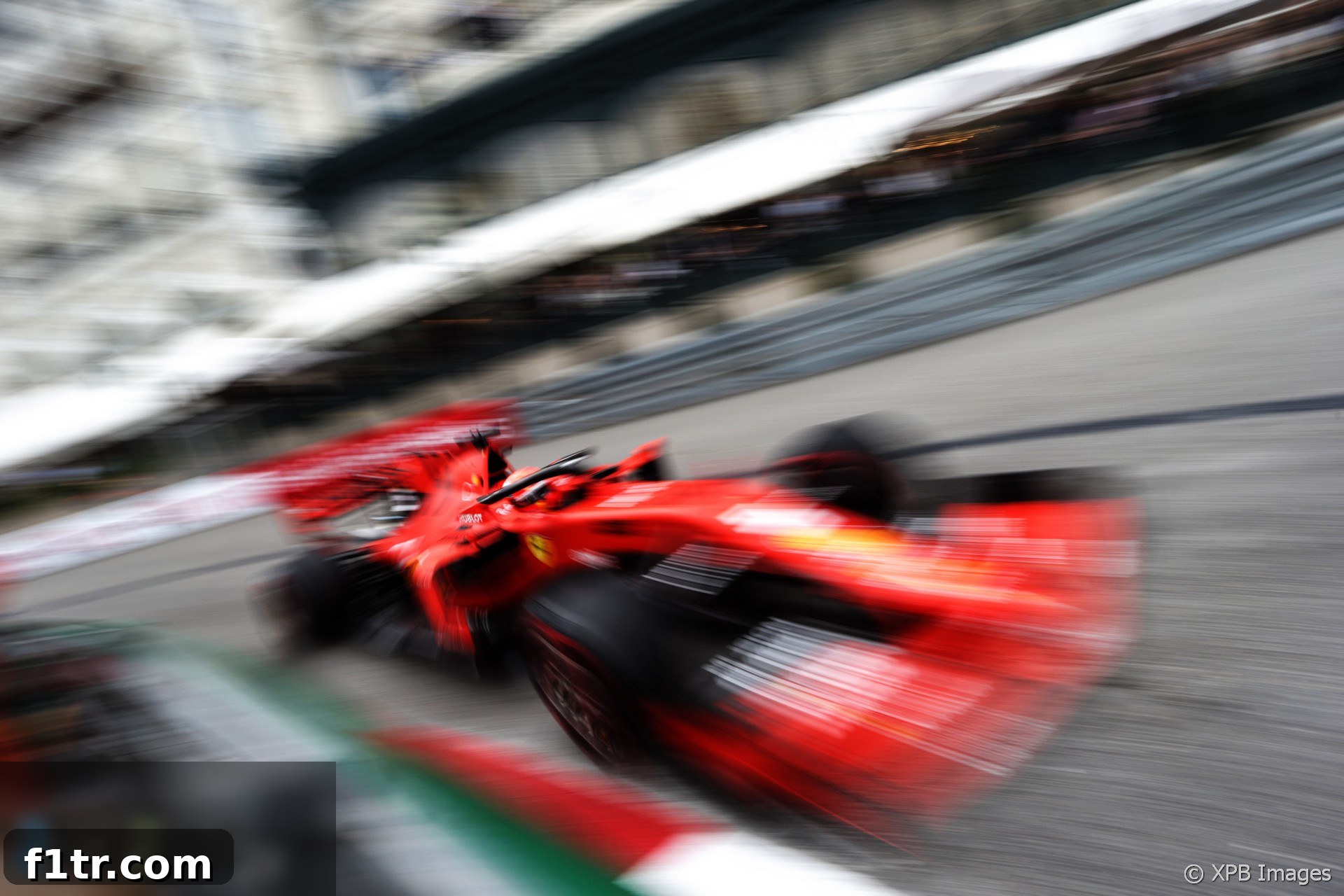
The glittering principality of Monaco, always a focal point on the Formula 1 calendar, was buzzing with a distinctive energy as the 2019 Grand Prix weekend commenced. From the sun-drenched paddock, veteran reporter Dieter Rencken revealed significant insights into the sport’s future. One of the most talked-about subjects, despite considerable opposition from rival teams, was the strong indication that Ferrari would retain its formidable power of veto over Formula 1’s crucial rules and regulations beyond the 2020 season. This potential continuation of Ferrari’s unique influence stirred both debate and apprehension among stakeholders, setting a political undertone even before the engines roared in earnest.
7am Thursday, Monaco: The Dawn of a Grand Prix Weekend
My internal clock, perfectly attuned to the European time zone, signaled the start of another demanding yet exhilarating day. It was Thursday, the traditional opening day of the 90th Monaco Grand Prix – a historical quirk that dates back to an era when the race coincided with Ascension Day weekend. In those days, shops remained firmly closed on Thursday, reopening on Friday before observing normal weekend hours. As I prepared for the day ahead, a thought idly crossed my mind: would this charming anachronism, a true vestige of F1’s rich past, endure beyond 2020? That year marks the renewal of the race contract, making it a critical juncture for many aspects of the sport.
However, anyone hoping for radical, sweeping changes in the post-2020 Formula 1 landscape might well find themselves disappointed. Whispers in the paddock suggested that even Ferrari’s long-standing veto power, a point of contention for many, seemed set to remain intact. Furthermore, some form of the existing bonus structure, which disproportionately benefits established teams, was also likely to persist. The official deadline for finalizing the 2021 regulatory changes loomed large on June 30th. Crucially, any proposed sporting and technical revisions required ratification by the FIA World Motorsport Council, which, I was informed, was scheduled to convene in Paris on June 14th. The timeline was undeniably tight, adding an extra layer of urgency to the behind-the-scenes negotiations and discussions that permeate the F1 ecosystem. The challenge for Liberty Media and the FIA to forge a new, equitable path for the sport seemed formidable, especially with such entrenched privileges potentially continuing.
8:30am: The Commute Through the Riviera
The journey from my apartment in Menton to the Pecheurs Parking, nestled beneath the majestic royal palace of Monaco, began promptly at half-past eight. This parking area was strategically chosen for its proximity, offering a manageable walk to the bustling media centre located on the first floor of a building overlooking the picturesque harbour. While the direct distance was a mere 19 kilometers, the early morning commuter traffic, a dense web of vehicles that routinely chokes the winding, narrow roads of the French Riviera, stretched the travel time to almost an hour. This daily ritual, a blend of breathtaking coastal scenery and frustrating congestion, is a familiar experience for anyone working at the Monaco Grand Prix.
The streets, already vibrant with the nascent energy of the day, were a chaotic ballet of mopeds zipping through impossibly small gaps. Interspersed amongst them were the ubiquitous, blacked-out Mercedes minivans, predominantly German-registered. These sleek, often intimidating vehicles are the bane of F1 commuters, weaving aggressively through traffic as they ferry impatient high-rollers to their glamorous destinations. It’s a striking juxtaposition: within these luxury cocoons sit individuals, many of whom, I often muse, would scarcely distinguish a sophisticated Formula 1 machine from a nimble Moto GP bike. They come for the spectacle, the glamour, and the prestige, often oblivious to the intricate machinery and dedication that powers the sport they’ve come to witness. The journey itself serves as a microcosm of Monaco – a blend of opulence, efficiency challenges, and a unique, frenetic pulse.
10am: A Somber Tribute to a Legend
Upon my arrival at the Mercedes hospitality, the atmosphere was palpably somber. I was there ahead of Toto Wolff’s much-anticipated media tribute to the late Niki Lauda, an icon whose passing had cast a long shadow over the entire paddock. Toto, visibly moved, delivered a deeply personal and eloquent address about his compatriot. He revealed an intimate detail that few knew: his first wife was a cousin of Niki’s, explaining that the roots of their unique “half-friendship”—as the notoriously unsentimental but pragmatic Niki himself had once allegedly described their relationship—stretched back many years. It was a poignant reminder of the complex and enduring bonds formed within the high-stakes world of Formula 1, often transcending professional camaraderie.
However, the question that lingered in the minds of many, including mine, was when Lewis Hamilton, Lauda’s protégé and the team’s star driver, would eventually face the media to express his sentiments on Niki’s passing. I heard that John Watson, a former F1 driver and Niki’s McLaren team-mate, had reportedly described Lewis’s absence from Wednesday’s FIA press session as “pathetic.” While I personally found the choice of words a touch strong, I certainly understood John’s underlying point. If Toto Wolff, as team principal, could speak so openly and emotionally about Niki’s immeasurable contribution to Mercedes’ unprecedented successes, then surely one of the primary beneficiaries of that legacy, a driver who enjoyed Niki’s mentorship and friendship, should also be expected to share his thoughts publicly.
Later, during a conversation with the esteemed three-time world champion Sir Jackie Stewart, he offered a stark perspective rooted in a bygone era of motor racing. Jackie recounted how, in his day, drivers would often continue racing even as one of their colleagues lay dying beside the track, a grim testament to the prevailing attitudes towards risk and loss. While such an approach seems undeniably extreme and, thankfully, unthinkable in modern motorsport, it underscored a fundamental truth: ultimately, death is an unavoidable and significant part of life, and the world, for better or worse, carries on regardless. This reflection from a legendary figure served as a powerful reminder of how much F1, and society’s understanding of grief, has evolved. Niki Lauda’s death, however, felt different, resonating deeply within the sport.
- Wolff: “It feels surreal to be in an F1 paddock with Niki not alive”
11am: Practice Commences and Paddock Connections
As the clock struck eleven, the first practice session for the Monaco Grand Prix began, signaling the true start of on-track action. Racing Point had extended an invitation to watch the session from the rooftop of their sparkling new hospitality unit, an offer I gladly accepted. The vantage point proved to be magnificent, offering an unparalleled panoramic view across the picturesque harbour, with the F1 cars carving through the iconic street circuit below. There are few experiences that rival the unique pleasure of earnestly working, yet simultaneously quaffing chilled sparkling water and savoring expertly prepared canapés in the glamorous setting of Monaco. It’s a delicate balance of professional duty and indulgent luxury, perfectly encapsulating the spirit of the principality.
On my way back to the media centre, a chance encounter brought me face-to-face with Daniele Audetto, a name synonymous with F1 history. Daniele served as Niki Lauda’s team manager during that fateful, iconic 1976 season, a year etched into the annals of motorsport for its drama and tragedy. He graciously shared some truly wonderful and insightful memories of that period, offering a rare glimpse into the dynamics of Ferrari during such a pivotal time. These are the kinds of spontaneous, invaluable interactions that make the F1 paddock so special, and I eagerly looked forward to the opportunity of sharing his unique perspectives with our readers in due course. Such anecdotes from those who lived through the golden eras of the sport are treasures.
12:15pm: McLaren’s Indy 500 Humiliation
The mid-day focus shifted to McLaren, as Zak Brown convened a closed media session to address the elephant in the room: the team’s spectacular failure to qualify for the Indy 500. Brown, visibly affected, provided crucial background to what he candidly described as his “most embarrassing moment in 25 years in motorsport.” It became painfully clear that the storied British team had been horribly under-prepared for the unique demands of the Brickyard. Despite having the two-time Formula 1 world champion Fernando Alonso on board, a driver who had qualified remarkably well and even led parts of the 2017 race, McLaren paid an extremely heavy price for their operational shortcomings. The episode was a significant blow to the team’s reputation and highlighted the formidable challenge of competing at the highest level across different disciplines of motorsport.
As Brown spoke, I couldn’t help but feel that a confluence of factors contributed to McLaren’s recent humiliation at Indy. Firstly, Alonso’s somewhat acrimonious and well-documented relationship with Honda, their former engine supplier, had significantly reduced McLaren’s partner options, pushing them towards less optimal solutions. Secondly, the relative success of their 2017 Indy 500 outing, albeit in conjunction with Andretti Motorsport, had flattered to deceive. This prior success, while impressive, might have inadvertently fostered an overconfidence that obscured the true extent of the challenge. Finally, Alonso’s high-speed practice accident during the qualifying attempts, described as his fastest career crash, undoubtedly shook him somewhat, potentially impacting his crucial final run. Whatever the intricate blend of causes, the path to redemption for McLaren is clear: they must return to the Brickyard, once again in their own right, and demonstrably put up a respectable and competitive showing. Only then can they begin to mend the reputational damage and prove their cross-discipline capabilities.
- McLaren plans Indy 500 return after failing to qualify for 2019 race
1pm: The Ferrari Veto – A Unified Opposition
The FIA Press Conference offered another opportunity to probe deeper into the political landscape of Formula 1. In Spain, just weeks prior, I had posed a direct question to the assembled team bosses, including Ferrari’s Mattia Binotto, regarding their views on whether the Scuderia should be permitted to retain its power of veto over F1’s rules beyond 2021. The response then had been mixed, reflecting the complex loyalties and vested interests within the sport. With a different group of team representatives now assembled in Monaco, I decided to ask the very same question, aiming to gauge the current sentiment. In Mattia Binotto’s absence, the response was strikingly and overwhelmingly negative.
The representatives of other teams articulated strong arguments against Ferrari retaining its unique veto privilege. Their opposition stemmed from a desire for greater competitive balance, arguing that such an exclusive power grants Ferrari an unfair advantage in shaping the sport’s future, potentially hindering efforts to make Formula 1 more competitive and engaging for all. There was a clear consensus among them that for F1 to truly evolve and thrive in a new era, decision-making processes needed to be more democratic and equitable. This unified front from rivals underscored the deep-seated frustration with the current power dynamics and amplified the pressure on Liberty Media and the FIA to implement meaningful reforms for the post-2020 era. The discussions further highlighted the ongoing struggle between tradition, privilege, and the pursuit of a more level playing field in the pinnacle of motorsport.
- More of Ferrari’s rivals speak out against their F1 rules veto
2pm: Gaming and the Future of F1 Sponsorship
My schedule then led me to a meeting with Ivo Bozukov, a director of Sport Pesa, a prominent sponsor of the Racing Point team. The objective of our conversation was to gain a deeper understanding of the company’s extensive operations and its strategic rationale for entering the demanding world of Formula 1 sponsorship. Bozukov articulated a compelling vision, making it clear that the gaming industry, particularly sports betting, is increasingly recognized as an integral part of the sport’s evolving commercial future. As traditional sponsorship models shift and diversify, companies like Sport Pesa are finding fertile ground within F1, leveraging the sport’s global reach and dedicated fanbase. It will be fascinating to observe whether other major players in the rapidly expanding gaming sector will follow suit, further reshaping the landscape of Formula 1 partnerships and sponsorships in the years to come. This trend could bring significant new revenue streams and fan engagement opportunities.
3pm: Unexpected Delights – Gifts from the Paddock
In a delightful turn of events, it felt as though Christmas had arrived early for me in the Monaco paddock. My media pack had already included a thoughtful 90th Anniversary Monaco juice battery, a practical and commemorative item. However, the afternoon brought further unexpected treasures. Theo Huschek, a figure I know well as the widower of F1’s First Lady, Maria Teresa de Filippis, and also the General Secretary of F1GPDC (the Formula 1 Grand Prix Drivers Club), presented me with a pristine copy of the retired F1 drivers’ club 2018 annual. This was a cherished item for any motorsport enthusiast, packed with stories and insights from the legends of the sport.
But the surprises didn’t end there. Included within the envelope was a truly special commemorative plaque, produced specifically for their recent annual meeting held in Imola. This event had been poignantly timed to coincide with the 25th anniversary of the tragic death of the legendary Ayrton Senna. The plaque was a powerful and moving tribute to one of F1’s greatest icons, a tangible piece of history marking a somber but important remembrance. My sincere thanks went out to Theo for these incredibly thoughtful and meaningful gifts.
Moments later, another serendipitous encounter occurred. I bumped into Pavel Turek, the astute CEO of the poster art company Automobilist. Pavel, well aware of my profound love for all things Porsche 917 – a legendary racing car that, fittingly, was celebrating its 50th anniversary this year and being honoured with a special exhibition in the Porsche Museum – presented me with a copy of their exquisite limited edition poster. This particular poster depicted the iconic 917 in which Red Bull’s Helmut Marko (now a prominent figure at Red Bull Racing) secured a memorable victory at Le Mans in 1971. It was a stunning piece of art, capturing the essence of a racing legend. Again, my heartfelt thanks to Pavel for such a perfectly chosen and appreciated gift. These personal interactions and tokens of appreciation truly highlight the camaraderie that exists within the F1 community beyond the fierce competition.
5pm: The Interview Trail and Niki’s Enduring Legacy
As the afternoon drew to a close, my focus shifted to the bustling interview trail. I secured valuable time with key figures such as Mario Isola of Pirelli, gaining insights into tire strategies and the challenges of the Monaco circuit, and Mattia Binotto of Ferrari, pressing him for updates on their competitive outlook and the ongoing regulatory discussions. Following these formal engagements, I embarked on a more casual wander through the paddock, always in search of breaking news or insightful chatter.
The overwhelming and pervasive topic of conversation among everyone, from mechanics to team principals, journalists, and even casual observers, was undoubtedly the recent death of Niki Lauda. His passing had clearly impacted the entire Formula 1 family profoundly. Every conversation seemed to circle back to Niki – his wit, his wisdom, his resilience, and his unparalleled contributions to the sport. It proved, beyond any doubt, just what an enduring legend the man remained, even in his absence. His spirit, his influence, and his memory were omnipresent, underscoring the deep respect and affection held for him throughout the paddock. His legacy, it was clear, would continue to inspire for generations to come.
8pm: Red Bull’s Monaco Extravaganza
As the Monégasque sun dipped below the horizon, casting a golden glow over the principality, I made my way to the highly anticipated annual Red Bull Monaco Grand Prix party. This event is always a highlight of the weekend, a vibrant fusion of gourmet food, exhilaratingly loud music, and wonderful company, all set within a relaxed yet undeniably glamorous environment. It’s a chance for the paddock to unwind, to celebrate the unique spectacle of Monaco, and to connect away from the intense pressures of the race track. As I do every year, I found myself gazing in awe at the principality’s magnificent vista by night, the glittering lights reflecting on the calm waters of the harbour, the palatial buildings illuminated against the darkening sky. It’s a view that never fails to captivate, a perfect backdrop to the unique blend of high-octane sport and unparalleled luxury that defines the Monaco Grand Prix. The party was a testament to Red Bull’s flair, mirroring their approach to racing: bold, energetic, and always memorable.
11pm: A Moment of Respite
Finally, as the late hour approached, I headed back to my apartment, eagerly anticipating a brief moment of rest ahead of tomorrow’s “off” day. While Friday in Monaco technically means no on-track F1 action, it is rarely truly quiet. The paddock dynamics, political maneuvering, and unexpected developments ensure that there is always something brewing. I fully expected tomorrow to feature breaking news of some type or other, a testament to the relentless, 24/7 nature of the Formula 1 world. Even in supposed downtime, the sport continues to churn, keeping everyone on their toes.
2019 Monaco Grand Prix Highlights and Analysis
Stay updated with comprehensive coverage and insightful analysis from the 2019 Monaco Grand Prix:
- Discover the standout drivers and teams with our 2019 Monaco Grand Prix Star Performers
- Relive the most memorable moments through the Top ten pictures from the 2019 Monaco Grand Prix
- Read Toto Wolff’s comments on how the Monaco setback will ‘annoy the hell out of Bottas’
- Get the race report: Hamilton wins for Lauda as Verstappen hands second to Vettel
- Catch up on the latest from the Paddock Diary: Monaco Grand Prix day four
Browse all articles related to the 2019 Monaco Grand Prix for in-depth coverage.