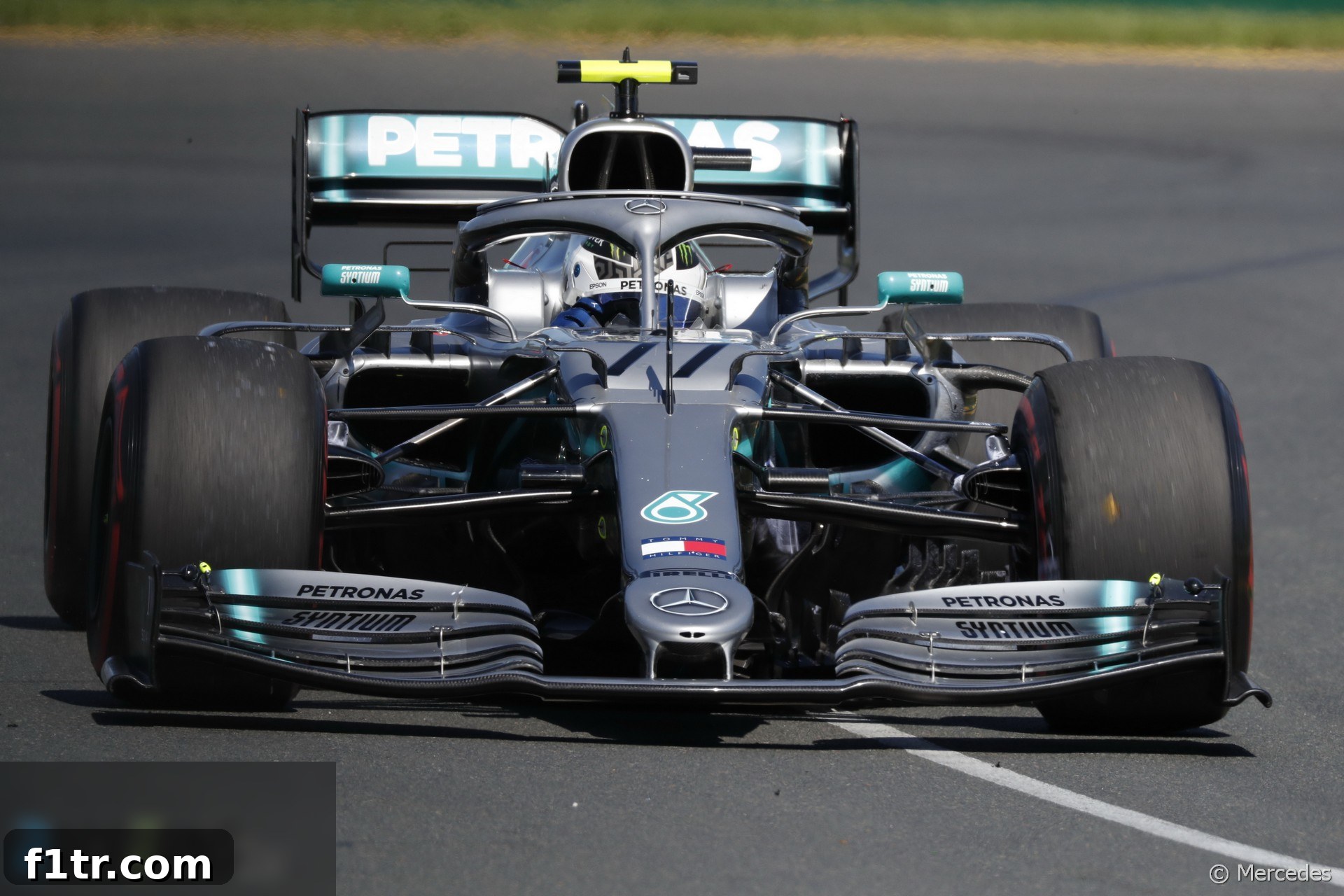
Strategic Mastery: How Valtteri Bottas Secured the Fastest Lap at the 2019 Australian Grand Prix
The opening race of the 2019 Formula 1 season, the Australian Grand Prix, delivered an unexpected strategic twist that set the tone for the entire championship. Amidst a dominant victory, Valtteri Bottas clinched an extra point for the fastest lap of the race, a feat that would prove crucial throughout the year. However, this bonus point was not gained through a conventional late-race pit stop for fresh tyres, but rather a calculated decision by the Mercedes-AMG Petronas F1 Team to prioritize overall race victory over the singular pursuit of the fastest lap, illustrating the complex interplay of risk and reward in elite motorsport strategy.
The New Fastest Lap Rule: A Game Changer for 2019 F1 Season
For the 2019 season, Formula 1 introduced a new rule awarding one championship point to the driver who set the fastest lap of the race, provided they finished within the top ten. This addition was designed to inject more excitement into the closing stages of races and potentially influence championship outcomes. Mercedes chief strategist James Vowles highlighted the profound impact of this rule, stating, “The facts are there are 21 races, 21 points, which is nearly a race wins’ worth, and you can’t let your rivals run away with that. This could be a close-fought season and that may make all the difference.” Indeed, the potential for 21 additional points over a season could significantly alter the constructors’ and drivers’ standings, forcing teams to re-evaluate their end-of-race strategies. This new element turned every Grand Prix into a two-tiered challenge: win the race, and then, if possible, snatch the fastest lap point.
Mercedes’ Strategic Conundrum: Balancing Risk and Reward
The decision of whether to pit a leading driver for new tyres in the final laps, solely to chase the fastest lap, became a “hotly debated” topic within the Mercedes garage. This dilemma, as explained by James Vowles, was a classic case of balancing “risk versus reward.” The allure of an extra championship point was immense, especially with a clear lead over the competition. However, the potential pitfalls associated with an additional pit stop or an aggressive late-race push were equally significant.
The Perils of an Extra Pit Stop
Bringing a car into the pits for a tyre change, even with a seemingly comfortable lead, is fraught with risks. Vowles meticulously outlined these dangers: “If, for example, you decide to do an extra pit stop for the sole purpose of being able to get the fastest lap of the race, there is risk involved in that. Perhaps you don’t get a wheel connected to the car correctly and the car goes out, and it’s a DNF.” A disastrous pit stop could instantly nullify a race win, transforming a potential maximum points haul into a devastating zero. This risk extends beyond mechanical failure. Driver error, such as “accidentally cross[ing] the white line on entry or exit” of the pit lane, incurs penalties that could cost positions, or even the race itself. The strategic team understood that sacrificing a guaranteed strong finish for a single bonus point carried immense downside, particularly when considering the championship implications. An extra pit stop also introduces variables like a sudden safety car deployment or unexpected rival pit stops that could throw strategy into disarray.
The Risks of Pushing on Older Tyres
Conversely, instructing a driver to push for the fastest lap on older, worn tyres also presents significant hazards. Vowles highlighted this aspect: “The converse is again at the end of the race, asking a driver to push and extract performance for the fastest lap of the race isn’t without risk. They can go off the track, they can make a mistake and they can risk the car.” A driver pushing beyond the limits of their tyres risks losing control, damaging the car, or even crashing, potentially jeopardizing a solid points finish. The delicate balance between extracting maximum performance and maintaining car integrity and safety is a constant challenge for F1 drivers. This was particularly pertinent in the closing laps of the 2019 Australian Grand Prix, where the track conditions and tyre degradation needed to be managed with utmost precision.
Toto Wolff’s Decisive Stance: Prioritizing the Win
Despite Valtteri Bottas enjoying a substantial lead, making a ‘free’ pit stop (one where he would rejoin without losing a position) a theoretical possibility, Mercedes team principal Toto Wolff adopted a firm, conservative stance. He explicitly “forbade both his drivers and their engineers from chasing the fastest lap of the race.” This directive underscored Mercedes’ overarching philosophy: securing the race victory and maximizing the primary points haul was paramount. The bonus point, while desirable, was not worth risking a flawless performance or a race win. Wolff’s decision reflected a deep understanding of championship racing, where consistency and avoiding unnecessary risks often outweigh speculative gains. For him, the immediate gratification of a bonus point paled in comparison to the potential long-term damage of a strategic misstep.
Bottas’s Exceptional Performance and Tyre Management
Despite the team’s directive not to actively chase the fastest lap via an extra pit stop, Valtteri Bottas ultimately secured the bonus point. This achievement was a testament to his exceptional tyre management throughout the race and his ability to extract performance when it mattered most. James Vowles praised both Bottas and his teammate Lewis Hamilton for their efforts: “Both Valtteri and Lewis did a great job managing the tyres and just trying to keep as much rubber available on them as they could, such that they could go for the fastest lap at the end of the race.”
Bottas’s situation was notably more favorable than Hamilton’s. Vowles explained, “Valtteri ultimately had tyres in a slightly better condition and didn’t have the floor damage that Lewis did, and did a fantastic job scoring the maximum number of points available to him that race.” Hamilton, who was battling floor damage that compromised his car’s aerodynamic performance and tyre wear, was less able to push aggressively in the closing stages. Bottas, on the other hand, had preserved his tyres more effectively and, with a healthy lead, found a window in the final laps to unleash a lap time that surpassed all others. This demonstrated not only his raw pace but also his strategic intelligence in managing his resources to capitalize on a late opportunity without incurring the risks of an extra stop.
The Outcome and Season-Long Implications
Valtteri Bottas’s fastest lap at the 2019 Australian Grand Prix proved to be a significant moment, not just for the race itself but for the unfolding championship battle. Securing the maximum 26 points (25 for the win, 1 for fastest lap) provided Bottas with a perfect start to his season, offering a psychological boost and a critical early advantage. It also showcased Mercedes’ strategic prowess – even without actively opting for a dedicated fastest lap pit stop, they were able to secure the point through superior race management and driver performance.
This event set a precedent for how teams, particularly Mercedes, would approach the fastest lap rule throughout the 2019 season. While they remained cautious, they understood that a driver in a strong position could potentially secure the point without an additional pit stop if their tyre management was impeccable. The 2019 season was a tight contest, and every point mattered, validating James Vowles’ initial assessment. The Australian Grand Prix illustrated that F1 strategy is a nuanced art, where a blend of driver skill, car performance, and calculated risk-taking ultimately dictates success.
Conclusion: A Masterclass in F1 Race Strategy
The 2019 Australian Grand Prix offered a compelling glimpse into the intricate world of Formula 1 strategy. Valtteri Bottas’s fastest lap, achieved without a late-race pit stop, was a testament to Mercedes’ meticulous planning, Bottas’s expert tyre conservation, and Toto Wolff’s pragmatic leadership. The team’s decision to forgo the high-risk gamble of an extra pit stop, prioritizing a guaranteed win, proved to be a wise one. Ultimately, the bonus point was secured through pure performance and strategic foresight, underscoring that in the high-stakes environment of Formula 1, managing risk is often as crucial as pursuing reward. This event truly highlighted the evolving dynamic of race strategy with the introduction of the fastest lap point, adding another layer of complexity to the pursuit of championship glory.
Related 2019 F1 Season Articles
- Crying in the Melbourne car park at 2019 grand prix was my career low – Ocon
- McLaren Racing reports reduced £71 million loss in 2019
- Kvyat: Hockenheim podium last year was “my biggest achievement” so far
- How the FIA’s new encrypted fuel flow meter targets Ferrari’s new ‘aliasing’ trick
- “He smashed my office door”: 23 must-see moments from ‘Drive to Survive’ season two
Browse all 2019 F1 season articles