FIA Race Director Michael Masi Condemns Christian Horner’s “Rogue Marshal” Comments After Qatar Grand Prix
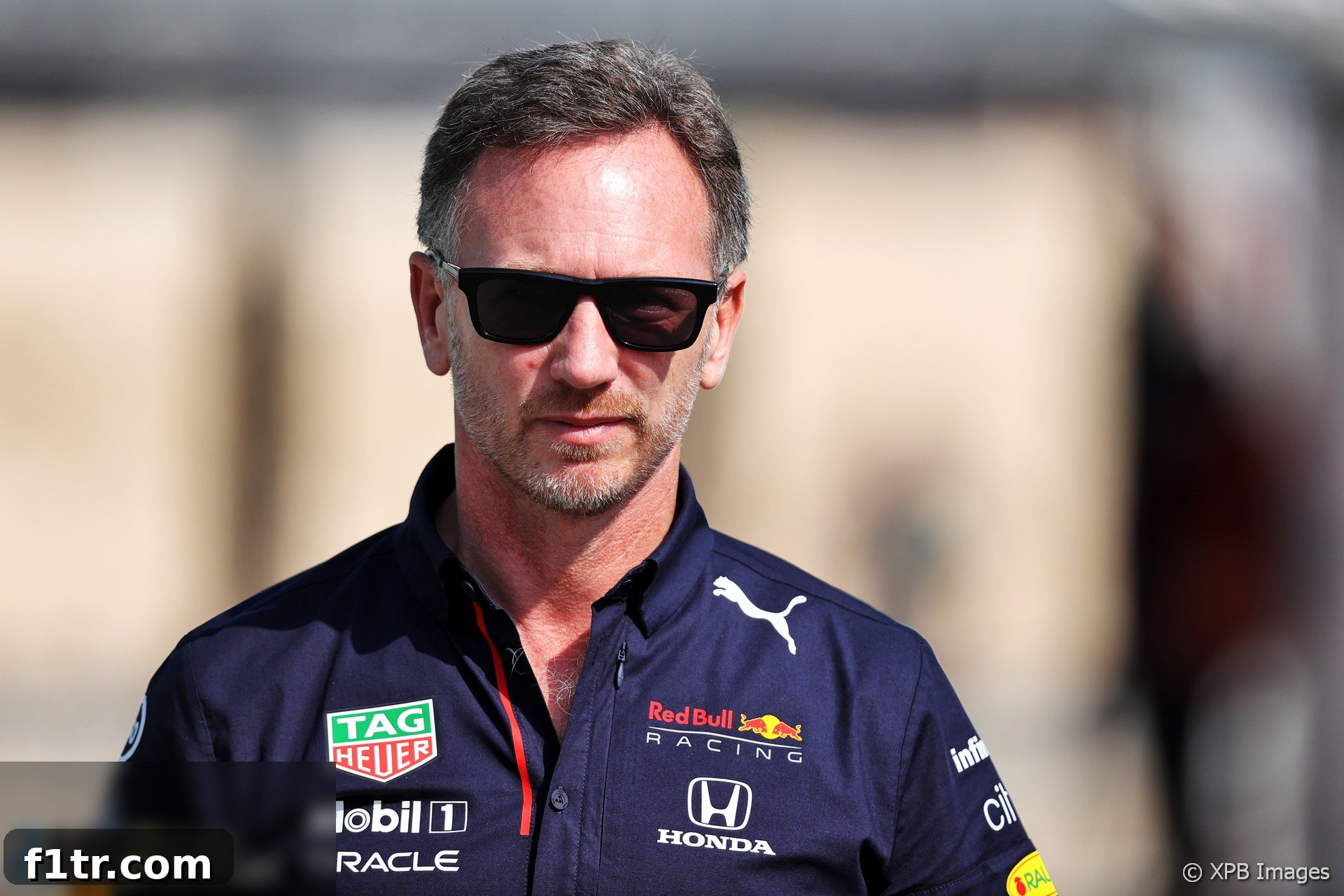
Following the intense 2021 Qatar Grand Prix, an unexpected controversy erupted when FIA Formula 1 Race Director Michael Masi sharply criticized Red Bull Racing Team Principal Christian Horner. Horner had publicly claimed that a “rogue marshal” was responsible for Max Verstappen incurring a five-place grid penalty, a statement that drew immediate and severe backlash from motorsport authorities.
Advert | Become a Supporter & go ad-free
Advert | Become a Supporter & go ad-free
The contentious remarks were made on television after Verstappen’s penalty was confirmed, leading Masi to report Horner to the stewards. This action highlighted the seriousness with which the FIA and race officials view any criticism directed at the dedicated individuals who ensure the safety and smooth running of motorsport events.
The Controversial “Rogue Marshal” Accusation and Its Fallout
Christian Horner’s comments, suggesting a single “rogue marshal” was to blame for Max Verstappen’s grid penalty, immediately sparked a significant debate within the Formula 1 paddock and among fans. The Red Bull team principal’s frustration stemmed from a crucial moment in Q3 when Max Verstappen failed to slow sufficiently under double yellow flags, an incident that ultimately cost him five places on the starting grid for the Qatar Grand Prix.
Michael Masi, as the principal figure overseeing race operations and safety, was quick to address Horner’s accusation. He emphasized that the marshals on track are professionals, often volunteers, who perform their duties under strict guidelines and with the sole purpose of ensuring everyone’s safety. Masi revealed, “I was advised of them and referred Christian [Horner] to the stewards.” This formal referral underscored the gravity of Horner’s public statement, which was perceived as undermining the integrity and dedication of essential motorsport personnel.
Understanding Max Verstappen’s Grid Penalty in Qatar
Max Verstappen’s five-place grid penalty was imposed for an infraction during the final qualifying session (Q3) of the Qatar Grand Prix. The incident occurred when Pierre Gasly’s AlphaTauri suffered a puncture and came to a halt on the pit straight. As a result, double yellow flags were deployed in the affected sector, signaling to approaching drivers the need to significantly reduce speed and be prepared to stop. Verstappen, despite passing the yellow flag zones, was judged by the stewards to have not slowed sufficiently, leading to the penalty.
Masi further clarified the circumstances surrounding the incident, explaining that the marshals were “acting upon doing the best in their view in the best interests of keeping everyone safe on track.” He strongly advocated for the marshals, stating, “And I don’t think anyone should be criticised for acting upon their instincts.” This defense highlighted the real-time, high-pressure environment marshals operate in, where swift and decisive action is paramount for driver and track safety. The penalty for Verstappen was a direct consequence of a breach of sporting regulations concerning yellow flag procedures, regulations put in place precisely to mitigate risks in such situations.
Michael Masi’s Strong Defense of Volunteer Marshals
The core of Michael Masi’s criticism towards Christian Horner revolved around the fundamental importance and selfless dedication of marshals in Formula 1 and indeed, across all levels of professional motorsport. Masi passionately articulated that the sport’s very existence and its ability to operate safely are utterly reliant on these unpaid individuals. “F1 and many other professional motorsport series rely on unpaid marshals to ensure races are held safely,” he pointed out, stressing a fact often overlooked by those engrossed in the cutthroat competition of Grand Prix racing.
The Invaluable Contribution of Motorsport Volunteers
Masi’s powerful statement underscored the critical role these volunteers play globally. He declared, “I think you should not attack any person, particularly when we have thousands of volunteer marshals around the world that give up a huge amount of time globally.” He further emphasized the profound commitment marshals make: “Without them, this sport that everyone has very close to their heart, all of them give up a huge amount of time, and without them it won’t happen.” This powerful message served as a reminder that the spectacle of Formula 1, with its glamour and high-tech machinery, cannot function without the unseen heroes in orange overalls. Their training, vigilance, and willingness to put themselves in potentially dangerous situations for the safety of others are the bedrock of motorsport events worldwide.
The FIA Race Director concluded his firm stance by affirming his unwavering support for these essential personnel: “That’s the part that a lot of people miss and I will defend every volunteer official and every official around every racetrack around the world that that is not accepted.” This declaration made it unequivocally clear that the FIA would not tolerate remarks that disrespect or undermine the vital contributions of its officials and volunteers.
Christian Horner’s Apology and Commitment to Learning
Following the referral to the stewards and the ensuing discussion, Christian Horner expressed regret for his earlier comments. On Sunday evening, he clarified that his remarks were made out of frustration regarding Verstappen’s penalty, rather than an intentional attack on any individual marshal. “Following the penalty made this morning I made a comment on one of the broadcast channels. that I felt a ‘rogue steward’ waved the yellow flag,” Horner explained, acknowledging the specific phrase that caused offense.
Horner confirmed that he had met with the stewards to clarify his position. “The stewards took offence to that so I just reassured them that no offence was made or intended with the individual. It was more frustration at having three or four cars pass the same car with going from no yellow flags to a double waved yellow flag. So it was an explanation of that. I think the apology was accepted.” This explanation provided context to his initial outburst, attributing it to the perceived inconsistency of the flag signals and the immediate impact on his driver’s race.
A Personal Apology and a Commitment to Safety Education
Crucially, Masi highlighted Horner’s contrite response to the situation. “Christian was very apologetic for his comments and as part of that obviously the stewards decision was very straightforward,” Masi noted. He added, “Christian was apologetic, he didn’t mean to offend anyone.” In a significant gesture of reconciliation and respect, Horner not only apologized to the marshals personally but also “to his credit, has volunteered to come and be a part of the stewards’ seminar in 2022.” This commitment to participate in educational programs for officials demonstrates a willingness to understand their roles better and foster stronger relationships between teams and race management.
Horner reiterated his respect for marshals, stating, “I’d just like to make it clear it wasn’t pointed at marshals. I think marshals do a wonderful job around the world, they’re volunteers, without marshals there would be no motorsport.” He concluded by suggesting that the incident, despite its contentious nature, could serve as a learning opportunity: “So it’s just the circumstances that were frustrating. And I think there’s something that can be learned from that.”
Lessons Learned and the Broader Context of F1 Integrity
This incident, while seemingly a minor verbal spat, brought to light the underlying tensions and immense pressure within Formula 1, especially during a fiercely contested championship. It served as a stark reminder of the delicate balance required to maintain sportsmanship, respect for officials, and track safety in such a high-stakes environment. The FIA’s swift response and Masi’s unequivocal defense of marshals reinforce the governing body’s commitment to protecting the integrity of its officials and the safety protocols that underpin the sport.
The incident also highlights the need for clear communication and emotional regulation, particularly from prominent figures like team principals, whose words carry significant weight and can influence public perception. Horner’s apology and his commitment to future engagement with officials suggest a positive step towards fostering greater understanding and mutual respect within the F1 community, ensuring that such accusations do not detract from the essential work of the volunteer marshals.
Advert | Become a RaceFans supporter andgo ad-free
2021 Qatar Grand Prix: Further Insights
- Pirelli’s Investigation into Qatar Tyre Failures Indicates Kerbs Caused Punctures
- Horner Rejects Talk of Title Fight Pressure After Criticism Over Marshal Comment
- “I Don’t Know How Much Slower I Can Go”: Inside Ricciardo’s Unnecessary Economy Run
- “No Regulator in the World Will Be Popular” With a Title Fight This Intense – Masi
- Why Drivers Backed Hamilton’s Call for Clarity After Meeting Over Verstappen Incident
Browse All 2021 Qatar Grand Prix Articles