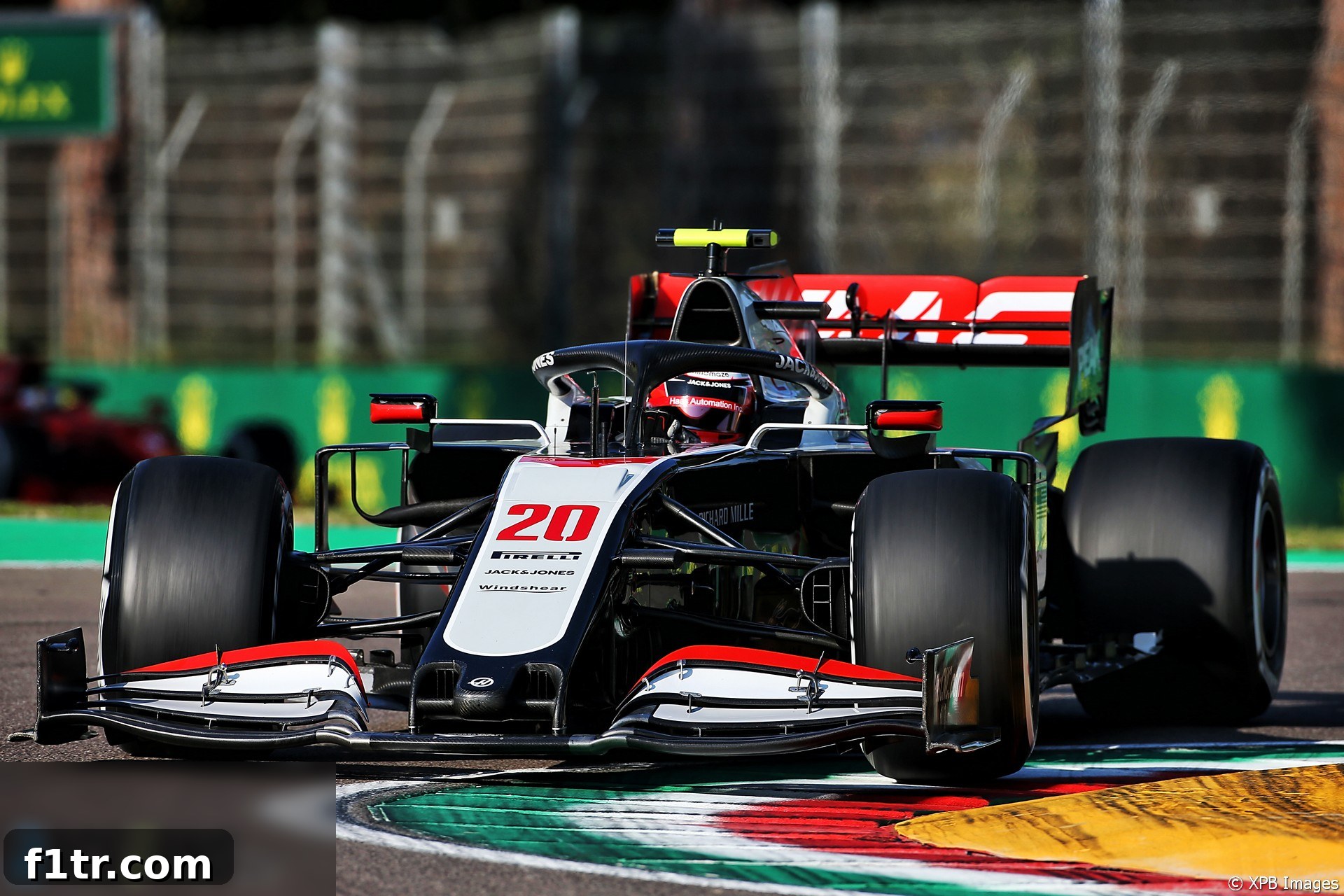
Kevin Magnussen’s Gearbox Dilemma: Haas F1 Team’s Difficult Choice at Imola
In the fiercely competitive world of Formula 1, teams often face agonizing decisions that pit immediate performance against long-term strategic penalties. Such was the critical predicament for the Haas F1 Team at the 2020 Emilia-Romagna Grand Prix, where a significant gearbox fault on Kevin Magnussen’s car forced them into a no-win scenario. The team ultimately chose not to undertake a repair that would have incurred a grid penalty, a strategic gamble that led to Magnussen’s premature retirement from the race and a physically punishing experience for the driver.
This incident at Imola served as a stark reminder of the complex interplay between engineering integrity, sporting regulations, and the relentless pressure on teams to optimize every aspect of their race weekend. For Haas, a team already navigating a challenging season, the decision to proceed with a known mechanical issue was a calculated risk, prioritizing a marginally better starting position over potential reliability, with unforeseen and debilitating consequences for their driver.
The Post-Qualifying Predicament: A Fault Uncovered
The first signs of trouble for Kevin Magnussen and the Haas F1 Team emerged during the crucial qualifying session for the Emilia-Romagna Grand Prix. Magnussen later revealed that the gearbox issue began to manifest “on my fastest lap in qualifying,” undoubtedly affecting his car’s performance and his ability to extract maximum pace. Despite the nascent problem, Magnussen managed to secure 17th place on the grid, a position that, while not at the sharp end, was considered a foundation from which to build in the race.
Following the conclusion of qualifying, a thorough diagnosis confirmed the presence of a significant gearbox fault. This discovery immediately thrust the Haas F1 Team into a difficult strategic dilemma. Formula 1 regulations are stringent regarding component changes, particularly for major power unit and gearbox elements. Replacing a gearbox outside of its permitted usage cycle or after qualifying without specific dispensation typically triggers a substantial grid penalty, usually five places. In this instance, a gearbox change would have relegated Magnussen to the very back of the grid, effectively negating his qualifying effort and severely compromising his race prospects from the outset.
Haas Team Principal Guenther Steiner shed light on the regulatory constraints, explaining that the FIA would not permit them to change even specific sensors related to the gearbox without incurring a penalty. This detail underscores the strict interpretation of the rules; even a repair aimed at rectifying a genuine mechanical fault, if it involves components deemed integral to the sealed gearbox unit, can be classified as a penalty-triggering event. Faced with the certainty of a grid penalty that would push Magnussen to the rear and the uncertainty of how severely the existing fault would impact race performance, Haas made the difficult call to proceed with the compromised gearbox.
Race Day Chaos: From First Lap Collision to Physical Endurance
Race day at Imola presented Kevin Magnussen with an immediate baptism of fire, exacerbating the pre-existing gearbox concerns. Almost instantly, his race was compromised by an unfortunate first-lap incident involving Sebastian Vettel. A collision at turn seven resulted in Magnussen being spun off track, causing a significant loss of time and dropping him further down the order. “Kevin getting together with Sebastian at turn seven, well, that put him in a place where there’s not a lot to do,” remarked Guenther Steiner, acknowledging the severe initial setback.
Despite the chaotic start and the time lost, Magnussen demonstrated commendable resilience and determination, managing to catch up “pretty well in the end” after regaining control and rejoining the race. However, the underlying gearbox issue, which had been a concern since qualifying, resurfaced with debilitating effect from the very first lap of the race. Magnussen vividly described experiencing “slow up-shifts,” but the mechanical failure transcended mere sluggishness. He detailed a harrowing physical ordeal: “not only are they slow, it’s also like a big bang every time you up-shift. It seems okay for a couple of laps but then it starts shaking your head crazily.”
This repeated jarring and violent shaking took an immense physical toll on Magnussen. As the race progressed, the relentless strain culminated in a “massive headache.” Recognizing his rapidly deteriorating physical condition and the lack of any meaningful progress, Magnussen communicated his distress to the team. The Haas pit wall, acknowledging that there was “nothing to fight for” given the combined setbacks of the spin and the ongoing technical issue, made the responsible decision to pit Magnussen and retire him from the race, prioritizing his safety and well-being over a futile effort to continue.
Guenther Steiner’s Frustration: A Microcosm of Haas F1 Team’s Season
The Emilia-Romagna Grand Prix was, regrettably, another challenging chapter in what had already been a particularly arduous 2020 season for the Haas F1 Team. Team Principal Guenther Steiner’s candid post-race comments perfectly encapsulated the deep-seated frustration and weariness that pervaded the garage. “A somewhat frustrating Sunday afternoon, but nothing goes our way it looks like at the moment,” he remarked, before correcting himself with a telling observation: “Not just the moment, it’s been a while actually.” This unfiltered admission painted a vivid picture of a team grappling with persistent difficulties, where a confluence of unforeseen incidents, technical glitches, and regulatory hurdles seemed to consistently conspire against their best efforts.
Steiner’s sentiments were reflective of a season where Haas frequently found themselves struggling at the back of the grid, battling to extract competitive performance from their car package. The tactical decision not to change Magnussen’s gearbox, while strategically understandable from a grid penalty perspective, ultimately proved detrimental, culminating in a race retirement. This incident regrettably added to a growing list of misfortunes for the team, making the pursuit of even a single championship point an increasingly arduous and elusive task.
The team’s struggles were multi-faceted, encompassing everything from challenges in car development and aerodynamic performance to operational mishaps and reliability concerns. The gearbox issue at Imola was yet another obstacle in a season already saturated with them. It underscored the delicate balance F1 teams must meticulously maintain between strict adherence to complex regulations, ensuring mechanical reliability, safeguarding driver safety, and the relentless pursuit of competitive advantage. For a team like Haas, operating with a comparatively smaller budget than many of its rivals, such setbacks can have disproportionately larger and more profound impacts, making recovery and a return to form an even more daunting challenge.
F1 Regulations: A Double-Edged Sword for Team Strategy
Formula 1’s sporting and technical regulations are meticulously crafted with several objectives in mind: to ensure fair competition, to control burgeoning costs, and to promote reliability and sustainability within the sport. The rules governing gearbox changes are a prime example of this regulatory framework. Teams are allocated a finite number of gearbox units for use throughout a season, and any change made outside of these allowances or after specific points in a race weekend – such as post-qualifying – typically results in a grid penalty, most commonly a five-place drop. This regulation serves as a powerful incentive for manufacturers to design and build durable, reliable components and for teams to meticulously manage the usage and lifespan of these critical parts throughout the championship.
However, as vividly demonstrated by Kevin Magnussen’s predicament at Imola, these stringent regulations can sometimes present teams with incredibly tough choices. When a critical mechanical fault is discovered, especially one that directly impacts driver safety and the car’s performance, the immediate instinct of any race team is to rectify it. But if the prescribed fix triggers a grid penalty that effectively condemns the car to the back of the grid anyway, teams are forced into an unenviable position. They must carefully weigh the immediate performance deficit of racing with a compromised part against the long-term strategic implications of forfeiting their hard-won qualifying position.
Haas’s decision at Imola was undoubtedly a high-stakes gamble. By choosing not to change the gearbox, they successfully preserved Magnussen’s 17th-place starting position. The implicit hope would have been that the identified fault was manageable, or that its adverse effects could be mitigated, thereby allowing Magnussen to at least complete the race and potentially capitalize on any incidents or retirements further up the field. The grim reality, however, was far more severe. The significant physical toll on Magnussen, coupled with the dramatic performance loss endured throughout the race, underscored the inherent risks and potentially grave consequences embedded in such a strategic choice. The FIA’s strict stance on what constitutes a “change without penalty” further limits a team’s flexibility, even when their primary intention is to address a genuine mechanical issue rather than seeking an illicit performance upgrade.
Kevin Magnussen’s Perspective: The Driver’s Unwavering Resolve
Despite the debilitating gearbox issues and the costly first-lap spin, Kevin Magnussen’s post-race reflections offered a compelling glimpse into his unwavering commitment and the raw pace he genuinely felt was available within the Haas VF-20. He candidly admitted that the gearbox problem was costing him “around half a second per lap” during qualifying, a substantial deficit in the ultra-competitive margins of Formula 1. Yet, even with this significant handicap, and after the chaotic and time-consuming start to the race, he maintained a strong belief that the car had considerably more to offer.
“The pace was really good actually, it was better than we had expected – even with the up-shifts that were costing us around half a second a lap,” Magnussen stated with a mix of frustration and conviction. This observation is particularly poignant. It strongly suggests that despite the severe technical limitations and the profound physical discomfort he endured, there was an underlying performance potential within the Haas VF-20 that remained frustratingly untapped. For a driver of Magnussen’s caliber, known for his aggressive racing style, tenacity, and relentless determination, being forced to retire from a race where he felt genuinely competitive must have been an immensely frustrating and disheartening experience.
His experience at Imola stands as a powerful testament to the extraordinary mental and physical fortitude required to compete at the pinnacle of motorsport. Enduring violent head shaking and excruciating severe headaches for multiple laps, all while simultaneously striving to extract the absolute maximum performance from a compromised machine, speaks volumes about the extreme demands placed on these elite athletes. It also unequivocally highlights the paramount responsibility of teams to prioritize driver safety and well-being, even when confronted with incredibly challenging strategic decisions that are heavily influenced by the sport’s complex and stringent regulatory framework.
Lessons from Imola: Looking Ahead for Haas F1 Team
The unfortunate incident at the 2020 Emilia-Romagna Grand Prix serves as a stark and powerful reminder of the multifaceted challenges perpetually faced by Formula 1 teams, particularly those operating within the highly competitive midfield and amongst the back markers. The delicate balance between strict adherence to intricate regulations, ensuring impeccable mechanical integrity, safeguarding driver health and safety, and relentlessly pursuing every conceivable competitive advantage is a constant tightrope walk that demands precision and foresight.
For the Haas F1 Team, the experience with Kevin Magnussen’s gearbox at Imola was a microcosm of their overall challenging season. While their strategic decision to forgo a grid penalty was understandable and justifiable given the prevailing rules, the severe and unforeseen consequences for the driver’s health and the ultimate race outcome underscored the inherent and often unpredictable risks associated with such strategic gambles. Incidents of this nature provide invaluable lessons, not only for the team in refining their operational strategies and decision-making processes but also for the sport as a whole in continually evaluating and optimizing the impact of its regulations on the spirit of competition, the integrity of the racing, and crucially, the welfare of its participants.
As Formula 1 continues its relentless evolution, the emphasis on reliability, stringent cost control, and fundamental fairness through its meticulously crafted rulebook remains absolutely paramount. However, the irreplaceable human element, brilliantly represented by drivers pushing the absolute limits of both machinery and their own extraordinary endurance, will forever remain at the very heart of this captivating sport. The unfortunate episode at Imola stands as a poignant testament to this enduring reality—a compelling story of difficult choices, unforeseen consequences, and unwavering human resolve in the relentless and exhilarating pursuit of speed and ultimate success.
2020 Emilia-Romagna Grand Prix
- Gasly says potential lost podium at Imola was his most painful retirement yet
- An F1 marshal explains why Stroll’s Imola near-miss raises safety concerns
- McLaren must seek “smallest gains” in qualifying to fight for third
- Pirelli begins probe into Verstappen tyre failure
- 2020 Emilia-Romagna Grand Prix Star Performers
Browse all 2020 Emilia-Romagna Grand Prix articles