Power Outage Plunges Formula 1 Pre-Season Testing in Bahrain into Darkness
The highly anticipated first day of Formula 1 pre-season testing for the new season was dramatically brought to a halt by an unexpected power cut at the renowned Bahrain International Circuit. This unforeseen incident cast a shadow over the initial crucial hours of preparation, leaving teams and drivers scrambling in the dark.
The electricity supply completely failed across critical areas of the circuit, most notably affecting the teams’ garages and other essential facilities within the bustling paddock. Adding to the sudden disorienting atmosphere, the circuit’s sophisticated lighting system, designed to illuminate the track during evening sessions, also went dark. This plunged the entire venue into an eerie silence and unexpected obscurity, a stark contrast to the usual high-octane environment of Formula 1.
In response to the sudden and complete blackout, the race director swiftly red-flagged the session, bringing all on-track activity to an immediate halt. The Fédération Internationale de l’Automobile (FIA) later confirmed that this decisive action was a direct safety response to the widespread power failure, prioritising the well-being of drivers and personnel.
The power failure struck shortly after 5:00 PM local time. With the session originally scheduled to conclude at 7:00 PM, and sunset rapidly approaching at 5:37 PM, the timing of the outage was particularly inconvenient. The onset of darkness was exacerbated by the lack of artificial illumination, creating challenging conditions for everyone involved in the testing.
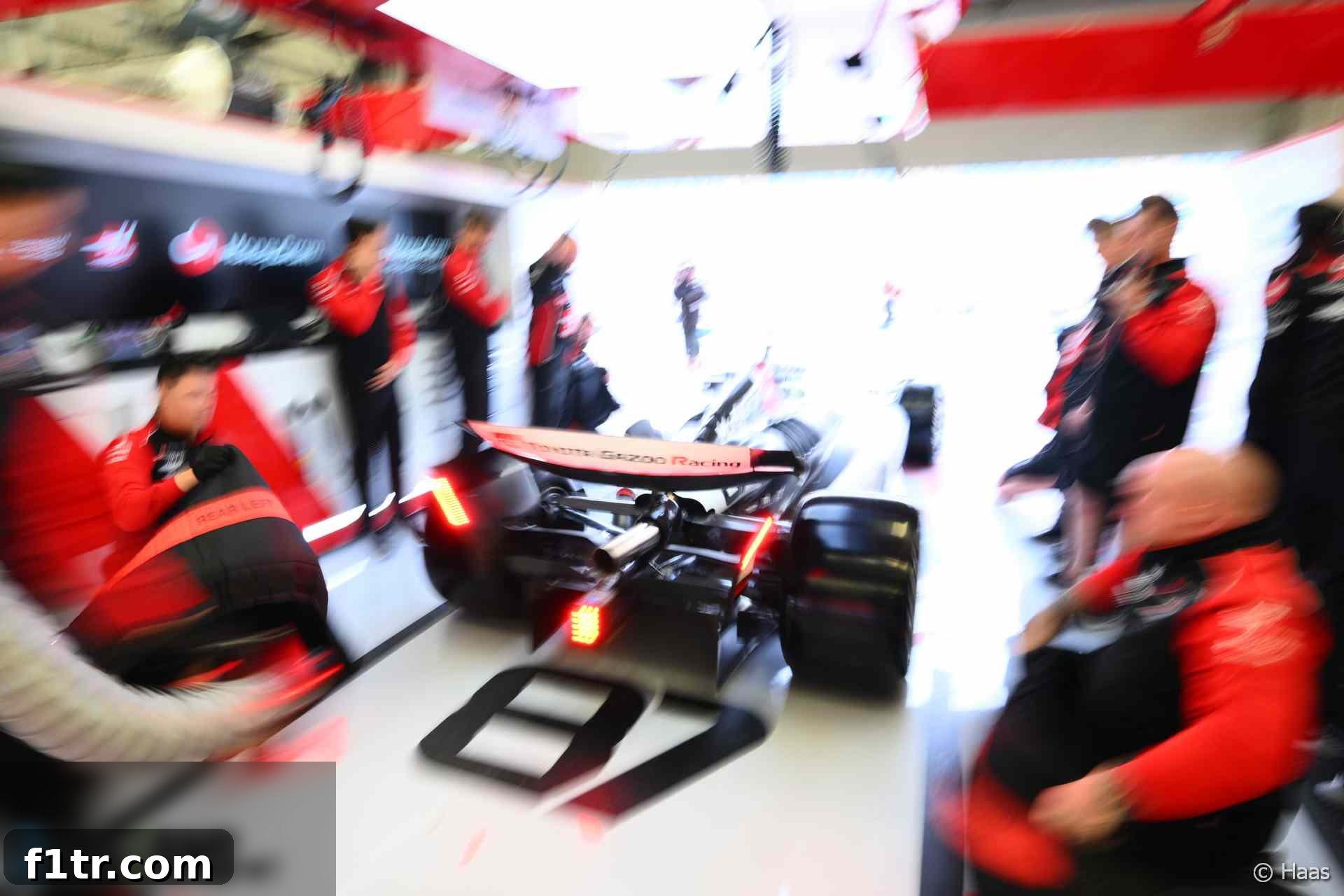
As the teams’ facilities and garages were plunged into a disorienting gloom, mechanics found themselves in an unprecedented situation. With the clock still ticking down on valuable testing time, they were forced to adapt quickly, resorting to working by torchlight to continue essential tasks on their multi-million dollar machinery. This unexpected interruption highlighted the fragility of even the most advanced sporting operations when faced with fundamental infrastructure failures.
Driver Reactions: Navigating the Unexpected Darkness
Among those caught off guard by the sudden darkness was Mercedes driver George Russell. He was just exiting the pits in his W15 when the entire track was abruptly plunged into darkness, a surreal experience that underscored the severity of the power cut.
Recounting the incident to Sky Sports, Russell shared his immediate thoughts: “I came out of the pits and thought it was suddenly quite dark out here. My immediate reaction was to come on the radio and tell my team I needed to change my visor, thinking it was just a personal perception problem. But then I quickly realised there were simply no floodlights on at all.”
Russell further emphasised the potential chaos had the power cut occurred even later: “It would have been a bit hectic if this was an hour later when the sun had already fully set.” His comments underscored the precarious situation and the rapid loss of natural light, which would have made on-track activities incredibly dangerous without adequate artificial illumination.
The collective experience of the drivers and teams highlighted the disruptive nature of the outage. Pre-season testing is a critical period for familiarisation, data collection, and pushing the limits of new cars. Any unexpected interruption, especially one that compromises visibility, presents a significant challenge to their meticulous plans.
Power Restoration and Session Resumption
Following the initial shock and uncertainty, efforts to restore power to the Bahrain International Circuit gradually began. Over the course of the following hour, electricity supply was progressively reinstated across various sections of the venue. The wait was tense for teams eager to resume their critical test programmes.
Eventually, the FIA provided an update, confirming that the session would resume at 6:10 PM local time. This meant an interruption of over an hour since the red flag was initially shown. With only 50 minutes of running originally left on the clock for the afternoon session, the lost time was a significant concern for all participants.
Recognising the vital importance of every minute during these limited pre-season tests, the FIA later announced a crucial decision: the session would be extended by an additional hour. This measure was implemented to help teams recover some of the invaluable track time lost due to the power outage, allowing them a more comprehensive opportunity to complete their planned test schedules.
Circuit Operators Explain the Outage
The operators of the Bahrain International Circuit subsequently issued a statement to clarify the cause of the disruptive power failure. “At approximately 5 PM today, a power outage caused by an external substation failure led to the afternoon session on track to be paused,” the statement explained. “Power has since been restored and the afternoon session has resumed. We appreciate everyone’s patience and understanding during this unexpected incident.”
This explanation pointed to an issue originating outside the immediate circuit infrastructure, indicating a broader problem within the local power grid. While such incidents are often beyond the direct control of event organisers, their occurrence during a high-profile international event like Formula 1 testing inevitably draws significant attention and concern regarding reliability and contingency planning.
A Troubling Precedent: Recurring Issues at Bahrain Testing
This year’s power outage marks the second consecutive year that a significant problem has interrupted crucial pre-season testing at the Bahrain International Circuit. Last year, the circuit faced a different, yet equally disruptive, challenge. Over two hours of valuable running time were lost when a drain cover came loose at Turn 11 of the track. This incident was not only a safety hazard but also directly impacted two high-profile drivers, Lewis Hamilton and Charles Leclerc, who both reportedly hit the dislodged cover.
The recurrence of such issues, whether infrastructure-related or external, raises questions about the robustness of the testing environment. Pre-season testing is not just about car performance; it’s also about validating the operational readiness of the circuit itself. Given Bahrain’s role as the host for both testing and the opening Grand Prix of the season, these incidents underscore the importance of ensuring flawless operational conditions.
While the causes of these two incidents were different – one an external power issue, the other an internal track infrastructure fault – their collective impact on testing time is a shared concern. Teams meticulously plan their three days of testing down to the minute, and any significant interruption can have knock-on effects for their development schedules and data collection efforts.
The Critical Importance of Formula 1 Pre-Season Testing
Pre-season testing is arguably one of the most vital periods in the Formula 1 calendar, offering a rare and highly compressed window for teams to prepare for the rigorous demands of the championship season. With only three days of collective running permitted before the season officially kicks off in Australia next month, every single minute on track is priceless. This limited allocation means that teams must operate with utmost efficiency and precision, making any interruption a significant setback.
During these intensive days, all 20 drivers are typically involved, taking turns behind the wheel to familiarise themselves with their new machinery and provide crucial feedback to their engineering teams. The objectives of pre-season testing are multifaceted and critical for championship success:
Data Collection and Analysis
Teams use sophisticated telemetry and sensor systems to collect vast amounts of data on their car’s performance. This includes aerodynamic efficiency, engine mapping, brake performance, and cooling systems. Every lap provides crucial information that helps engineers understand how the car behaves in real-world conditions, often differing from simulation results.
Reliability Checks
The new cars are pushed to their limits to identify any potential weaknesses or reliability issues before the pressure of competitive racing. Components are stressed, and systems are rigorously tested to ensure they can withstand the punishing environment of a Grand Prix weekend. Mechanical failures in testing can be addressed and rectified, preventing costly DNF (Did Not Finish) results during the season.
Driver Familiarisation and Feedback
Drivers need to adapt to their new cars, understanding their unique characteristics, handling nuances, and limits. Their feedback is invaluable for fine-tuning the car’s setup and developing a driving style that maximises its potential. The synergy between driver and machine is forged during these test sessions.
Setup Optimisation
Engineers work tirelessly to find the optimal car setup for varying conditions and track layouts. This involves adjusting suspension settings, wing angles, differential settings, and countless other parameters to extract maximum performance. A well-balanced setup can shave crucial tenths of a second off lap times, which can be the difference between victory and defeat.
Tyre Understanding
Understanding how the Pirelli tyres behave under different loads, temperatures, and fuel levels is paramount. Teams conduct long runs to assess tyre degradation and short runs to evaluate qualifying pace. This knowledge informs race strategy and tyre management throughout the season.
The loss of an hour, while seemingly minor in a broader context, translates to potentially dozens of laps and critical data points that teams might miss. This can force them to condense their testing programmes, prioritise certain areas over others, and potentially head into the season opener with less comprehensive information than desired. For teams at the cutting edge of technological innovation, every fraction of a second and every byte of data contributes to their competitive edge.
Looking Ahead: The Road to the 2024 Season
Despite the unexpected interruption, the teams and drivers will undoubtedly approach the remainder of the testing schedule with renewed focus and determination. The incident serves as a stark reminder of the unpredictable nature of motorsport, even during controlled test environments.
The three days of pre-season testing in Bahrain are the only opportunity for teams to conduct collective on-track evaluations before the 2024 Formula 1 season officially commences. All eyes will be on the remaining sessions to see how teams adapt their plans and recover from the lost time. The insights gained from these tests are crucial for setting the tone for the entire championship battle, which promises to be as thrilling and competitive as ever.
The Bahrain International Circuit, which will also host the opening round of the championship, will be keen to ensure that the operational glitches experienced during testing are fully resolved. Fans and teams alike are hoping for smoother sailing as the countdown to the official start of the Formula 1 2024 season continues.
Don’t Miss a Moment from Formula 1
Get a daily email with all our latest stories and updates – no marketing, no ads. Sign up here:
More Formula 1 News and Insights
- GT driver killed in multi-car crash at Nurburgring Qualifiers
- Should F1 change tracks or racing guidelines to tackle dangers in 2026 rules?
- Controversies, Norris, Newey and more: Five new motorsport books reviewed
- One of F1’s greatest races happened 15 years ago today. Or did it?
- “Overtaking is overtaking”: Domenicali denies F1’s yo-yo racing is “artificial”
Browse all Formula 1 articles