Ferrari’s Strategic Move: Why the Scuderia Embraced the New F1 Regulations
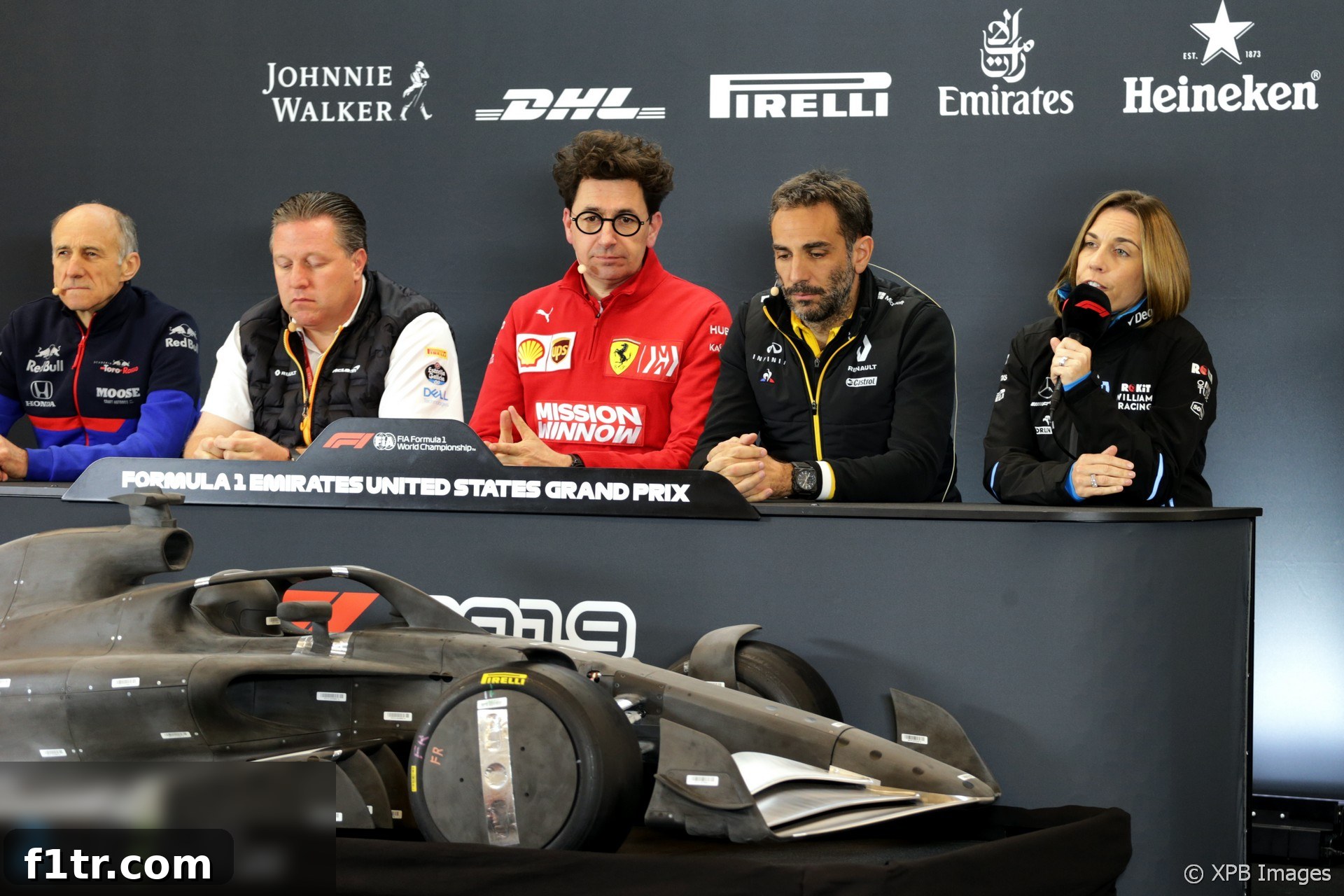
In a significant development that underscored the evolving landscape of Formula 1, Ferrari team principal Mattia Binotto provided a detailed explanation behind the Scuderia’s pivotal decision to vote in favor of the sweeping new regulations for the 2021 F1 season. This move, coming from the sport’s most iconic and historically influential team, marked a crucial moment in the championship’s future direction, signaling a collaborative spirit that many hoped would define a new era for Grand Prix racing.
Ferrari’s Veto Power: A Legacy of Influence
For decades, Ferrari has held a unique and powerful position within Formula 1, famously possessing the exclusive right to veto changes to the sport’s regulations. This extraordinary privilege, granted as part of historical agreements with the FIA and F1 management, has long served as a testament to Ferrari’s unparalleled legacy and enduring contribution to the sport. It’s a power that has, on numerous occasions, allowed the Maranello squad to influence the very fabric of F1, protecting its interests and shaping the rules in ways no other team could. Consequently, when Ferrari speaks about the future of the sport, the racing world listens intently, aware that their stance can often dictate the ultimate outcome of any proposed regulatory shift. The anticipation surrounding their decision on the 2021 rules package was immense, with many speculating whether they would wield their veto to safeguard perceived competitive advantages or financial frameworks.
Despite this formidable power, the 2021 regulations—which were ultimately postponed to 2022 due to the global pandemic but were the subject of discussion and voting in late 2019—were passed with the unanimous support of the World Motor Sports Council, a body of which Ferrari is an integral part. This consensus was a clear indication that a new spirit of cooperation had taken hold, pushing aside potential confrontations that might have stalled progress. Binotto confirmed Ferrari’s alignment, stating, “We voted in favour so we are happy with the new set of regulations. If not happy, at least we are convinced that’s the right way to go.” This statement underscored a pragmatic approach, recognizing the broader benefits these regulations promised for the sport as a whole, even if they required a degree of compromise from a giant like Ferrari.
The Rationale Behind Ferrari’s Endorsement
Collaborating for a Stronger Future
When pressed on whether Ferrari considered exercising its potent veto, Mattia Binotto emphasized the team’s shift towards a more collaborative philosophy. He articulated a strategic decision to work proactively with Formula 1’s governing bodies and commercial rights holders rather than to act as an impediment to change. “For us [it was] more important to collaborate with F1 and to make sure that by the end of October we got the best package to be voted, and I think that’s where we put our focus and our efforts,” Binotto explained. This perspective highlighted a conscious pivot from potential confrontation to constructive engagement, aiming to refine the proposed rules from within the consultation process. Such a collaborative stance was essential for the sport, as it sought to navigate complex challenges, including rising costs, declining fan engagement in some demographics, and the need for greater competitive parity. By actively participating in the shaping of the rules rather than simply blocking them, Ferrari positioned itself as a partner in F1’s evolution.
A New Vision for Formula 1
The core objectives of the 2021 (later 2022) regulations were multifaceted: to promote closer racing, foster financial sustainability for all teams, and reduce the performance gap between the leading outfits and the midfield. These goals included significant technical overhauls, such as a shift towards ground-effect aerodynamics designed to make cars easier to follow, and the introduction of a budget cap to curb spending. For a team like Ferrari, accustomed to operating with virtually unlimited resources, embracing a budget cap represented a profound cultural and operational change. However, Binotto’s statements suggested an understanding that the long-term health and appeal of Formula 1 superseded individual team advantages. The unanimous vote, with Ferrari’s crucial support, validated the belief that these reforms were not merely desirable but necessary for the sport’s continued vitality and global relevance.
Sustainability: A “Starting Point” for Evolution
Beyond the immediate competitive and financial considerations, Binotto also framed the new regulations as a mere “starting point” in Formula 1’s journey toward greater sustainability. This perspective indicated that while the initial package addressed critical areas, the commitment to an environmentally and economically sound future for the sport was an ongoing process requiring continuous innovation and adaptation. “We believe it’s the right moment to look for this continuity. Our sport has to be sustainable, we are all aware of that. We need to work hard as well in the future on a more sustainable, green as well, sport,” he stated, underscoring Ferrari’s long-term vision.
Driving Towards a Greener Future
The concept of “sustainability” in Formula 1 encompasses a wide range of factors, from environmental impact to financial viability and the social responsibility of the championship. For the environment, this means developing more efficient power units, exploring sustainable fuels, and minimizing the carbon footprint of race operations and logistics. Financially, it involves mechanisms like the budget cap to ensure all ten teams can compete without facing existential threats, thereby securing a healthy grid for years to come. Ferrari, as a major automotive manufacturer with a strong commitment to innovation, plays a crucial role in pushing these boundaries. Binotto’s emphasis on sustainability highlighted that the regulations were not just about technical parity or cost control, but about steering the sport towards a responsible and relevant future that resonates with global environmental concerns and societal values.
Binotto was adamant that the sport should not consider the current regulatory framework as a final, immutable solution. “So there is still much to work on. If there is anything I would avoid, [it is] to say it has been locked on. I think that’s a starting point, we are all together now we need to collaborate.” This sentiment reflected an understanding that technology evolves rapidly, and Formula 1 must remain agile, continuously adapting its rules to incorporate new advancements and achieve increasingly ambitious sustainability targets. This forward-looking approach is critical for a sport that prides itself on being a pinnacle of technological innovation, inspiring progress that often filters down to mainstream automotive development.
Future Developments and Collaborative Responsibilities
Binotto reiterated that Formula 1 still has “much to develop, improve and, certainly, looking at a more sustainable sport for the future.” He specifically pointed to key areas for ongoing effort, such as the evolution of the power unit and the crucial role of fuel technology. “The power unit and the fuel, whatever can be done, I think that’s a responsibility we’ve all got together,” he added. This highlights the collective responsibility of all stakeholders—teams, the FIA, and F1 management—to collaborate on research and development that will lead to more environmentally friendly and efficient racing. The transition to fully sustainable fuels, for instance, represents a monumental challenge but also a significant opportunity for Formula 1 to demonstrate its relevance as a testbed for future mobility solutions.
The Ferrari team principal concluded by acknowledging the positive working relationship established so far but stressed that the journey is far from over. “So far we collaborated well with FIA and F1 but [there’s] still much to do.” This recognition of past successes coupled with a clear vision for future endeavors underlines Ferrari’s commitment not only to its own competitive aspirations but also to the broader health and progressive evolution of Formula 1. Their strategic decision to support the new regulations, foregoing the use of their veto, has set a powerful precedent for a future built on collaboration, sustainability, and a shared vision for the pinnacle of motorsport.
This collaborative spirit and long-term vision are essential as Formula 1 continues to navigate a rapidly changing world, ensuring its legacy for generations to come while remaining at the forefront of automotive innovation and sporting excitement.
2021 F1 season
- Masi ‘basically gifted the championship’ to Verstappen says 2021 FIA steward Sullivan
- Las Vegas race backers looking to extend F1 deal beyond 2025
- Why Mercedes put ‘a reminder of joy and pain’ on display in their factory lobby
- Verdict on error in GT race suggests Mercedes would have lost 2021 Abu Dhabi GP appeal
- Title ‘stolen’ from Mercedes made us ‘underdogs people cheer for’ – Wolff
Browse all 2021 F1 season articles