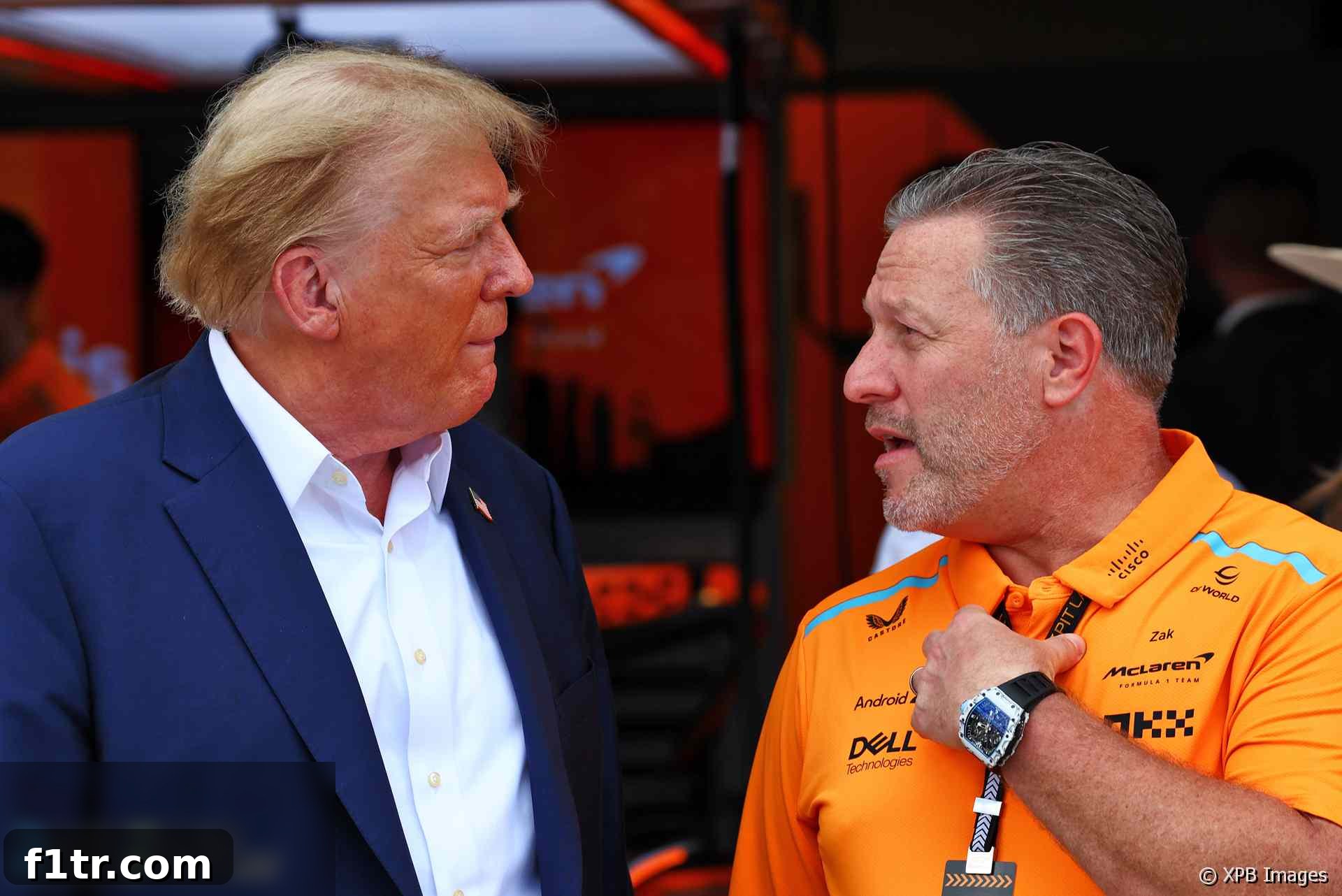
In 2024 the FIA and Formula 1 drew criticism for welcoming Donald Trump to the Miami Grand Prix during his re-election campaign. Two years on, the championship is dealing with the fallout from escalating geopolitical tensions after the US and Israel struck Iranian targets and Iran retaliated.
The Formula 1 season resumes in Miami this weekend following an unplanned five-week pause. The Bahrain and Saudi Arabian grands prix, originally scheduled earlier this month, were cancelled after the two nations experienced retaliatory strikes linked to the wider conflict.
When the most recent strikes began on February 28, few expected the crisis to persist. The US and its partners bombed Iranian military sites for 12 days in 2025 and then halted operations. Earlier in the year, the US also conducted a brief military action in Venezuela that resulted in a change of leadership.
Many observers believed the hostilities would end quickly. Early statements from those involved referenced “regime change” as an objective, and the subsequent killing of Iranian leader Ali Hosseini Khamenei shortly after the strikes began did not prompt the uprising some had anticipated.
Advert | Become a Supporter & go ad-free
The cancellation of Bahrain and Saudi Arabia represents a significant financial hit for F1. Both governments typically pay large sums to host these events, using the global platform to promote their regimes. The loss of those races has left gaps in a tightly packed calendar and complicated logistics for teams, broadcasters and fans.
F1 did not immediately find replacement venues. With the opposing parties still deadlocked and the possibility of renewed strikes lingering, squeezing the cancelled rounds into an already crowded schedule now looks unlikely.
Which rounds face the most risk going forward? Azerbaijan, which hosts round 17 in September, borders Iran and suffered a drone strike in March that the government blamed on its neighbour. That incident occurred in the west of the country, however, far from Baku where the grand prix is held, and so did not directly threaten the race at the time.
Advert | Become a RaceFans supporter andgo ad-free
More exposed are the Middle Eastern rounds later in the season, in particular Qatar and Abu Dhabi. Those races take place at the end of the calendar, which has advantages and drawbacks. On the plus side, the delay gives F1 more time to assess the situation and hope the conflict subsides. On the downside, last-minute cancellations while a title fight is still undecided could determine the championship in an unsatisfying way.
The impact of late cancellations can be decisive. For example, if last season’s final two rounds had been cancelled with a month’s notice—as happened this year with Bahrain and Saudi Arabia—the championship dynamics would have shifted substantially. After Mexico, Max Verstappen embarked on a comeback that relied on the remaining races; removing rounds would have cut the available points and altered the mathematical possibilities for contenders.
Sporting competitions have previously been affected by cancelled finales. The W Series in 2022 and Pierre Gasly’s missed chance in the 2017 Japanese Super Formula title race—abandoned because of a typhoon—are reminders that losing final rounds can deny competitors a fair opportunity to contest a championship.
To avoid a similarly unsatisfactory outcome, F1 would benefit from a clear contingency plan for late-stage cancellations. At present it is uncertain whether such planning is in place or will be needed. Political pressures, including the US domestic calendar, may push leaders to try to resolve the conflict before key elections, but reports of potential further strikes mean organizers cannot assume stability.
Other motorsport series are facing comparable uncertainties. The World Endurance Championship cancelled its planned season opener in Qatar because of the conflict and has proposed a return in October, but whether that rescheduled date will proceed remains unclear.
With the championship restarting now, the end-of-season Middle East rounds still feel distant. Nonetheless, the prospect of losing more races later in the year—and the potential for that to affect title outcomes—remains a real concern. If further cancellations occur, those responsible for the sport will be expected to have anticipated the risk rather than claim surprise.
Advert | Become a RaceFans supporter andgo ad-free
Miss nothing from RaceFans
Get a daily email with all our latest stories – and nothing else. No marketing, no ads. Sign up here:
Formula 1
- Poll: Has the time finally come for Hamilton to hang up his helmet?
- Grosjean felt Renault ‘told everyone I wasn’t good enough for F1’ before return
- There’s one 2026 change Verstappen will approve of: Zero penalty points
- Which F1 drivers have made the strongest start to 2026 against their team mates?
- “Not correct” to say Ferrari should have discovered Antonelli instead of Mercedes
Browse all Formula 1 articles