Leclerc-Verstappen Collision: Unpacking the First-Lap Drama and Its Aftermath
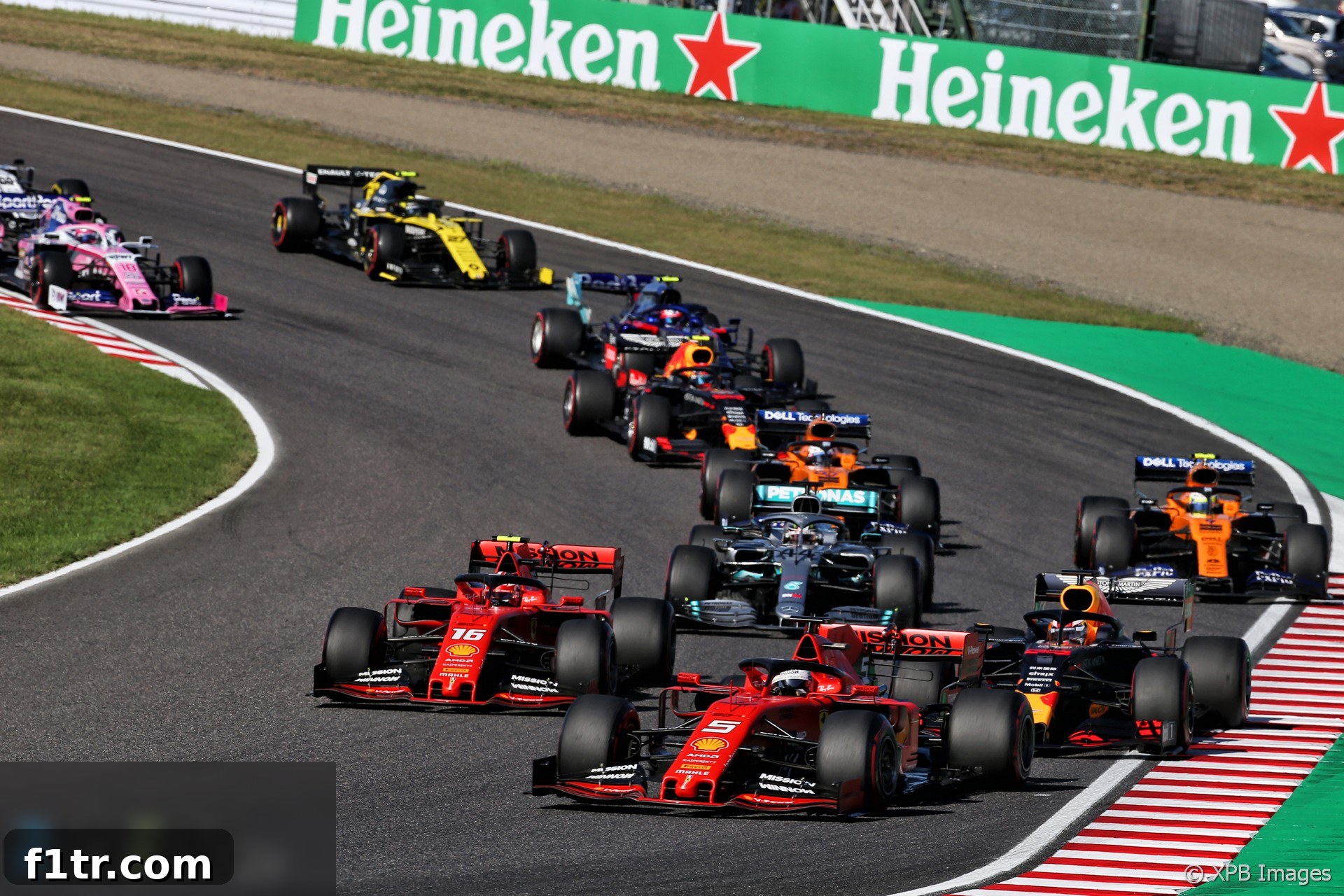
The exhilarating start of a Formula 1 Grand Prix often sets the tone for the entire race, but it can also be a hotbed for unexpected drama. One such incident, deeply etched in the memories of motorsport fans, involved two of the sport’s brightest young stars: Charles Leclerc and Max Verstappen. On the very first lap, a seemingly minor loss of grip for Leclerc behind other cars culminated in a significant collision with Verstappen, sparking immediate controversy and profoundly impacting both drivers’ races.
The Ill-Fated First Lap: A Collision of Giants
The moment of impact occurred in Turn 2, shortly after the lights went out. Leclerc, driving for Ferrari, found himself battling for position, running in close proximity behind Sebastian Vettel and Lewis Hamilton. The intense slipstream and turbulent air created by the cars ahead presented a formidable challenge, particularly in the opening corners where drivers push the limits to gain an early advantage. As Leclerc navigated the bend, he encountered unexpected handling issues, leading to an unavoidable contact with Max Verstappen’s Red Bull, which was positioned on his outside.
This critical juncture, mere seconds into what promised to be a thrilling race, instantly raised questions about fault, racing room, and the fine margins that separate a successful overtake from a costly incident. The collision was not just a fleeting moment; it was a defining event that would influence strategy, create tension, and ultimately shape the narrative of that particular Grand Prix, adding another chapter to the burgeoning rivalry between these two formidable competitors.
Charles Leclerc’s Perspective: The Understeer Factor
Post-race, Charles Leclerc offered his candid assessment of the incident, attributing the contact to a sudden loss of grip. “Obviously I understeered, being behind Seb and Lewis,” Leclerc explained to Sky Sports, describing the difficulty of controlling his car in the disturbed air. “And then we touched.” Understeer, a common phenomenon in motorsport, occurs when a car turns less sharply than the driver intends, often leading to it ‘washing wide’ from the racing line. In the confined space of a first-lap corner, with multiple cars vying for position, even a slight instance of understeer can have significant consequences.
Leclerc acknowledged the complexity of the situation, stating, “I don’t know, I haven’t seen the full situation from outside. From the car it was just a tricky situation.” This reflects the reality for drivers in the cockpit: decisions are made in fractions of a second, based on limited visibility and instinct, often making it difficult to fully comprehend the entire chain of events until reviewing replays. His comments highlighted the extreme conditions and the razor-thin margins that define the opening moments of any Formula 1 race, where the battle for track position can quickly escalate into an unavoidable entanglement.
Max Verstappen’s Outrage: “Where Should I Go?”
In stark contrast to Leclerc’s measured assessment, Max Verstappen’s immediate reaction over the team radio was one of unbridled fury and frustration. His expletive-laden outburst, questioning the rationale behind the incident, quickly became a focal point of the race broadcast. “Where should I go?” he demanded, his voice laced with indignation. “He just fucking understeered into my car.” Verstappen’s comments underscored his belief that Leclerc had been primarily at fault, leaving him with no viable space to avoid the collision. From his vantage point, he was maintaining his line on the outside, only for Leclerc’s Ferrari to drift into his path.
This raw, unfiltered reaction highlighted the competitive intensity and high stakes involved in Formula 1. For Verstappen, who is known for his aggressive yet precise driving style, being taken out of contention or having his race compromised so early due to what he perceived as another driver’s error was clearly infuriating. His immediate call to race control via the radio channel was a clear plea for justice and an expression of his belief that the incident warranted official investigation and potential sanction against his rival. This moment perfectly encapsulated the hot-blooded nature of the Leclerc-Verstappen rivalry, where neither driver is willing to concede an inch.
Race Control’s Evolving Stance: From No Investigation to Summoning Drivers
Initially, race control indicated that the incident between Leclerc and Verstappen would not be investigated. This preliminary decision fueled Verstappen’s on-track ire and perplexed many observers who felt the contact was significant enough to warrant a closer look. The stewards’ initial assessment suggested they might have viewed it as a typical first-lap racing incident, where drivers are often afforded more leniency due to the crowded conditions and inherent chaos. However, the outcry from Verstappen, combined with the visible damage to both cars and the clear impact on the race, likely prompted a re-evaluation.
In a rare and notable reversal, race control later announced that they had changed their stance and would summon both drivers to explain the collision after the race. This decision signaled that the stewards now considered the incident more serious than initially believed and required a thorough inquiry to determine culpability and whether any sporting penalties were warranted. Such post-race investigations are standard procedure for significant incidents, allowing drivers to present their perspectives, supported by telemetry data and video evidence, before a final ruling is made. The reversal of the initial decision added another layer of intrigue to the unfolding drama, setting the stage for a tense post-race debrief.
The Immediate Aftermath: Damage, Retirement, and Early Pit Stops
The collision had immediate and significant consequences for both protagonists. Max Verstappen’s Red Bull suffered critical damage that ultimately proved terminal, forcing him to retire from the race prematurely. This DNF (Did Not Finish) was a bitter blow, denying him valuable championship points and eliminating him from contention after just a few corners. For a driver of Verstappen’s caliber, a first-lap retirement due to a collision is one of the most frustrating outcomes possible, effectively ending his weekend before it had even truly begun.
Charles Leclerc, while able to continue, was also severely compromised. The contact necessitated an early pit stop to replace his front wing, which had sustained damage. This unscheduled stop meant he lost significant track position, dropping him down the order and forcing him onto an alternative, less optimal strategy. The damaged front wing not only cost time in the pits but also affected the car’s aerodynamic performance until it was replaced, making it harder to extract maximum pace. From that point, Leclerc’s race became an uphill battle, focusing on damage limitation and trying to recover as many places as possible against a field of fully optimized cars.
Leclerc’s Post-Race Reflections: Disappointment and Strategic Challenges
Reflecting on the race, Charles Leclerc acknowledged the profound impact of the first-lap incident on his overall performance. “From my side after the first lap incident we knew the race would be very difficult,” he stated. Despite the setback, Leclerc found some enjoyment in the challenge, highlighting his competitive spirit. “I had quite a lot of fun overtaking but sixth is not the place I wanted to finish.” His ability to carve his way back through the field demonstrated his skill and determination, but the final result was ultimately a source of disappointment.
The Ferrari driver also touched upon the strategic implications of the early damage and pit stop. “It’s disappointing but strategy-wise on our side I don’t think we have done much places.” This candid assessment suggests that while the team executed their recovery strategy as best they could, the initial incident had set them too far back to contend for a truly strong finish. The loss of time, track position, and the forced change in tire strategy made it nearly impossible to genuinely challenge for podium positions or even higher championship points, underscoring how a single moment of contact can unravel an entire race plan.
The Broader Context: A Rivalry Forged in Fire
The first-lap collision between Charles Leclerc and Max Verstappen was more than just an isolated incident; it was another flashpoint in what has become one of Formula 1’s most compelling rivalries. Both drivers, born in the same year, emerged as prodigious talents destined for greatness, often finding themselves battling fiercely on track. Their competitive history, dating back to their karting days, has been marked by thrilling overtakes, bold maneuvers, and occasional clashes that highlight their uncompromising desire to win. This particular incident further fueled the narrative of two young titans unwilling to yield, constantly pushing the boundaries of aggressive racing.
Such rivalries are the lifeblood of Formula 1, adding depth and excitement to every Grand Prix. The tension between Leclerc and Verstappen, amplified by their respective allegiances to iconic teams like Ferrari and Red Bull, ensures that every on-track encounter is scrutinized. This collision not only had immediate race consequences but also contributed to the ongoing story of their fierce championship battles and personal contests, making every future race a must-watch event as fans anticipated the next chapter in their high-octane drama.
Looking Back at the 2019 F1 Season
The 2019 Formula 1 season, the backdrop for this intense Leclerc-Verstappen incident, was a year of significant shifts and thrilling narratives. It saw Lewis Hamilton secure his sixth World Championship title, yet it was also a season where emerging talents like Leclerc and Verstappen truly began to assert themselves as future champions. Ferrari and Red Bull, fierce competitors to Mercedes, experienced their own highs and lows, showcasing moments of brilliant performance alongside strategic challenges and on-track mishaps.
Key moments from that season included dramatic podiums, surprising retirements, and intriguing developments in car design and regulations. The season was characterized by intense midfield battles and the continuous evolution of engine performance, creating a captivating spectacle for fans. Drivers like Esteban Ocon reflected on personal career lows, while teams like McLaren worked towards financial recovery, underscoring the multifaceted challenges and triumphs within the sport. The technological arms race, exemplified by discussions around fuel flow meters, also highlighted the innovation driving F1 forward, making 2019 a memorable and pivotal year in recent Formula 1 history.
Don’t miss anything new from RaceFans
Follow RaceFans on social media to stay updated with the latest news, analysis, and insights from the world of Formula 1:
- Join RaceFans on Facebook
- Follow RaceFans on Twitter
- Get daily email updates from RaceFans
For a comprehensive look at all the stories, insights, and race reports from that exciting year, be sure to:
Browse all 2019 F1 season articles