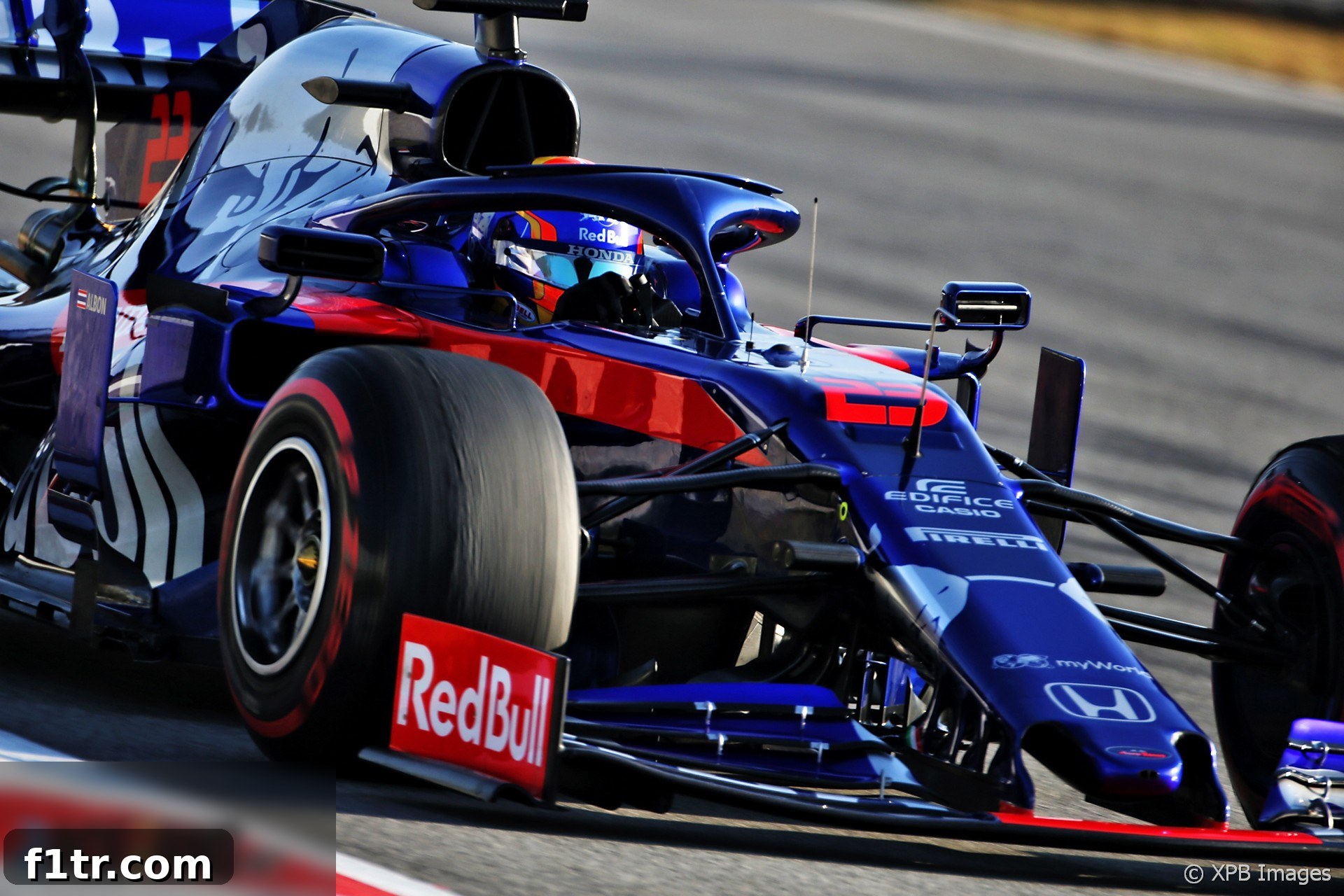
The dawn of the 2019 Formula 1 season has brought with it an air of renewed optimism, particularly for fans of Honda’s involvement in the pinnacle of motorsport. After a challenging but ultimately progressive return to the sport, Honda appears to have made significant strides, a sentiment echoed emphatically by Toro Rosso’s technical director, Jody Egginton. Following extensive winter testing, Egginton declared Honda’s new power unit delivered a “faultless” performance, a ringing endorsement that signals a promising future for both Toro Rosso and its sister team, Red Bull Racing.
Honda’s Reliability Breakthrough: A Flawless Pre-Season
The meticulous nature of Formula 1 testing is designed to push every component to its absolute limit, uncovering any potential weaknesses before the high-stakes environment of a race weekend. For Honda, this pre-season evaluation at the Circuit de Catalunya yielded exceptionally positive results. Jody Egginton, speaking to media outlets including RaceFans, expressed profound satisfaction with the Japanese manufacturer’s progress. “Winter testing on the engine side has been faultless, it has to be said,” Egginton remarked, his tone reflecting genuine relief and excitement. “It’s been fantastic.”
This “faultless” assessment is not merely anecdotal; it speaks volumes about the meticulous engineering and rigorous development Honda has undertaken. In an era where engine reliability is as crucial as outright speed, a flawless testing period allows teams to maximize data collection, refine car setups, and instill confidence in both drivers and engineers. For Toro Rosso, this means entering the 2019 F1 season on a far stronger footing than in previous years, having a robust and dependable foundation from which to build performance throughout the championship.
Toro Rosso’s Stronger Start: Learning from Past Challenges
Comparing the current situation to 12 months prior provides crucial context for Honda’s significant leap forward. The 2018 season marked Honda’s first year supplying Toro Rosso, a partnership that, while showing flashes of potential, was also fraught with reliability issues. “Last year we did get through some [engines] as you guys know for several reasons,” Egginton acknowledged, referring to the penalties incurred due to exceeding power unit component allocations. “We had started the year with one or two challenges reliability-wise.”
However, what might have seemed like a setback was, in retrospect, a critical learning phase. Honda demonstrated a relentless pursuit of performance, even at the cost of short-term reliability. “But then Honda were bringing big chunks of performance to the track and we took the decision to actually develop through the year and sometimes that means you’re making changes to power unit elements for development purposes,” Egginton explained. This aggressive development strategy, pushing boundaries and iterating rapidly, laid the groundwork for the current reliability. It showcased Honda’s commitment to not just participate, but to compete at the very highest level, a philosophy that has evidently paid dividends for the 2019 F1 season.
The lessons learned from the 2018 season have clearly informed Honda’s approach for 2019. The experience gained in integrating the power unit into the Toro Rosso chassis, coupled with an improved understanding of F1’s demanding operational environment, has culminated in a more mature and resilient package. This stronger start allows Toro Rosso to focus more intently on aerodynamic development and race strategy, rather than being constantly concerned about engine-related setbacks, thereby maximizing their potential in the competitive midfield.
Industry-Wide Progress: A New Standard for F1 Power Units
While Honda’s progress is commendable, it also exists within a broader trend across the Formula 1 grid. Egginton observed that the high mileages completed by most teams during winter testing indicate a general improvement in power unit reliability across all four manufacturers – Mercedes, Ferrari, Renault, and Honda. “Compared to this time last year – it was not a disaster this time last year, Honda were working hard and developing – we’re in a better position,” Egginton stated, highlighting the relative improvement.
However, he was quick to temper expectations by noting the competitive nature of F1 development. “But then I think it’s fair to say it’s probably similar for all the PU manufacturers so far this winter in general. I never know in detail what other people are doing but yes it’s a good step forward. It’s reflected in the mileages that people are doing as well. Just generally the cars seem fairly reliable.” This collective step forward suggests that the 2019 F1 season could feature more intense on-track battles, with fewer races decided by mechanical attrition and more by driver skill, strategic prowess, and raw car performance. For Honda, this means their “good step forward” is a necessary one to remain competitive, and their reliability will be a key enabler for unlocking further performance.
The implication of this industry-wide reliability surge is profound. It pushes teams and manufacturers to find even finer margins in performance, knowing that a durable power unit is now the baseline expectation rather than a unique selling point. This competitive pressure encourages innovation, making the sport more thrilling for fans and more challenging for engineers. Honda’s ability to not just meet but exceed this new baseline in pre-season testing puts them in an enviable position as the grid prepares for the first race.
Implications for Red Bull Racing: A New Era of Competition
The exceptional performance of the Honda power unit with Toro Rosso holds immense significance for Red Bull Racing, which has also switched to Honda engines for the 2019 season. Toro Rosso, often viewed as a testing ground for Red Bull’s future technologies and talent, has provided invaluable data and insights. A reliable and powerful engine in the junior team is a strong indicator of what Red Bull Racing can expect, boosting confidence within the senior team and validating their strategic decision to partner with Honda.
For Red Bull Racing, who consistently build championship-contending chassis, a reliable and high-performing power unit has historically been the missing piece of the puzzle. The “faultless” performance demonstrated in testing suggests that Honda could finally provide the consistent platform required to challenge Mercedes and Ferrari at the very front of the grid. Max Verstappen and Pierre Gasly will undoubtedly benefit from a power unit that allows them to push harder, knowing the engine will withstand the demands of intense racing.
This synergy between Honda, Toro Rosso, and Red Bull Racing represents a formidable new challenge for the established F1 giants. The seamless integration and robust performance seen in winter testing are crucial steps towards Red Bull Honda potentially vying for race wins, and perhaps even a championship challenge. The excitement around this partnership has been palpable, and Egginton’s comments only serve to amplify these high expectations, setting the stage for what promises to be a thrilling 2019 F1 season.
Further Reading: Insights from the 2019 F1 season
- Crying in the Melbourne car park at 2019 grand prix was my career low – Ocon
- McLaren Racing reports reduced £71 million loss in 2019
- Kvyat: Hockenheim podium last year was “my biggest achievement” so far
- How the FIA’s new encrypted fuel flow meter targets Ferrari’s suspected ‘aliasing’ trick
- “He smashed my office door”: 23 must-see moments from ‘Drive to Survive’ season two
Conclusion: A New Chapter for Honda in Formula 1
Jody Egginton’s assessment of Honda’s power unit as “faultless” during winter testing is a testament to the immense hard work and strategic development undertaken by the Japanese manufacturer. It signals a pivotal moment for both Toro Rosso and Red Bull Racing, offering a stable, reliable, and potentially very powerful foundation for the 2019 F1 season. While the competitive landscape of Formula 1 means no team can rest on its laurels, this strong start provides a significant psychological and technical advantage. With reliability seemingly addressed and performance gains continuing, Honda is poised to open a new, more competitive chapter in its storied Formula 1 history, raising expectations for thrilling battles and a potentially reshaped championship fight.