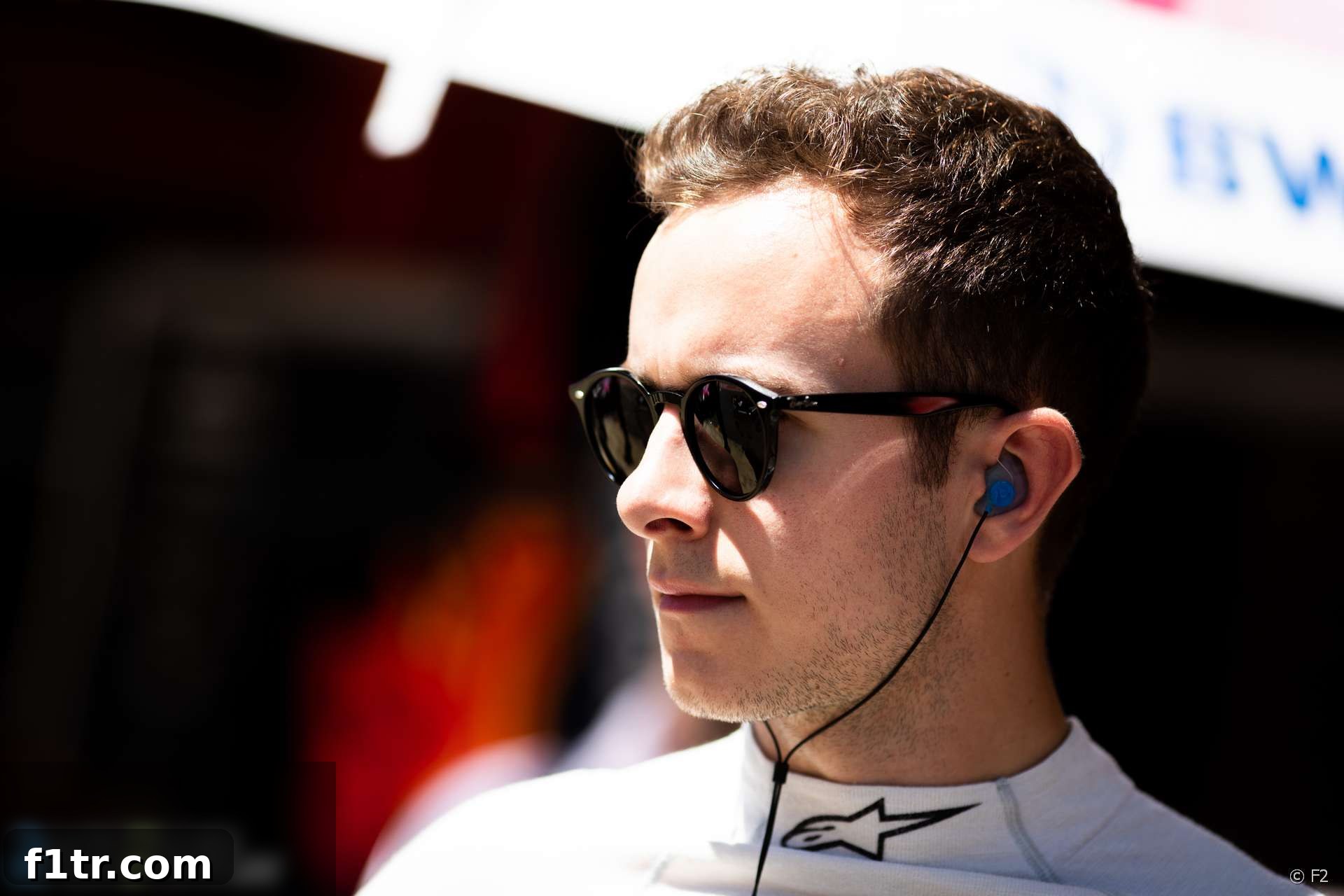
Lewis Hamilton, the esteemed seven-time Formula 1 world champion, expressed profound sorrow and issued a powerful warning today, reacting to the tragic death of Formula 2 driver Anthoine Hubert. Hubert, a promising young talent with a bright future, lost his life in a devastating high-speed collision during the Belgian Grand Prix weekend at Spa-Francorchamps. Hamilton’s heartfelt words underscored a critical, yet often unappreciated, reality of motorsport: the inherent and ever-present dangers that drivers bravely confront each time they strap into their machines, a sacrifice often made in their relentless pursuit of dreams and passion.
Advert | Become a Supporter & go ad-free
The devastating news of Anthoine Hubert’s passing, officially confirmed by the FIA earlier today, cast a somber pall over the historic Spa-Francorchamps circuit. The catastrophic incident unfolded on the second lap of the F2 feature race, where Hubert was involved in a horrific, high-velocity impact with fellow competitor Juan Manuel Correa. The collision occurred at the notoriously challenging and unforgiving Raidillon section of the track, a corner famed for its immense speed and elevation change. While Correa’s condition was later described by the FIA as “stable” following immediate medical intervention, the motorsport community was left to grapple with the profound loss of a rising star, a poignant and painful reminder of the razor-thin margin between ultimate glory and unimaginable tragedy in this demanding sport.
Lewis Hamilton, renowned for his insightful perspectives and willingness to speak out, utilized his social media platform not only to convey his deep grief but also to deliver an urgent message he felt compelled to share with the wider world. “God rest your soul Anthoine,” Hamilton began, his words heavy with sorrow and respect. “My prayers and thoughts are with you and your family today.” This deeply personal tribute immediately resonated throughout the racing world, highlighting the strong sense of camaraderie and shared understanding of risks that unite drivers across various categories, transcending their competitive rivalries in moments of such profound collective sorrow.
Beyond his heartfelt condolences, Hamilton’s message evolved into a powerful and urgent plea for a greater, more serious appreciation of the immense dangers intrinsic to competitive racing. He directly challenged a common misconception prevalent among spectators and even some participants, stating unequivocally: “If a single one of you watching and enjoying this sport think for a second what we do is safe [you’re] hugely mistaken.” This direct and blunt address aimed to shatter any illusions of invincibility surrounding motorsport, compelling fans and industry insiders alike to confront and acknowledge the perilous nature of this high-octane pursuit.
Hamilton passionately articulated that every single driver, irrespective of their experience or standing, makes a deliberate and courageous decision to put their very life on the line each time they strap themselves into their sophisticated racing machines and accelerate onto the circuit. He emphasized that this profound act of bravery, dedication, and commitment is often not adequately recognized or respected, observing pointedly: “people need to appreciate that in a serious way because it is not appreciated enough. Not from the fans nor some of the people actually working in the sport.” His words served as a powerful indictment of any complacency that might inadvertently arise from the decades of advancements in safety measures, serving as a stark reminder that danger, though diligently mitigated, can never be entirely eradicated from the heart of motorsport.
In a final, deeply moving tribute that resonated globally, Hamilton unequivocally declared Anthoine Hubert a true hero. “Anthoine is a hero as far as I’m concerned, for taking the risk he did to chase his dreams. I’m so sad that this has happened. Let’s lift him up and remember him. Rest in peace brother.” This poignant sentiment perfectly encapsulated the inherent paradox at the core of motorsport: the relentless pursuit of ultimate speed, glory, and personal excellence, inextricably intertwined with an ever-present, potentially fatal risk. Hamilton’s words were far more than a simple eulogy; they were a profound reflection on the indomitable spirit and immense courage that define every racer, especially those who, like Hubert, make the ultimate sacrifice in their unwavering quest for greatness.
The Spa-Francorchamps Tragedy: A Stark Reminder of Inherent Risks
The tragic incident involving Anthoine Hubert at Spa-Francorchamps unfolded at one of the motorsport world’s most revered, yet simultaneously most demanding and dangerous, circuits. The iconic section encompassing Eau Rouge and Raidillon, a spectacular uphill sequence of esses, is celebrated globally for its breathtaking speed, audacious design, and the immense G-forces drivers endure. While decades of modern safety standards have undeniably revolutionized the sport, transforming it into a far safer environment, these particular sections of the track continue to present formidable challenges. Hubert’s accident starkly highlighted the critical juncture where the raw, uncompromising speed of contemporary racing cars, combined with the inherently unforgiving nature of certain historic circuit layouts, can still lead to utterly devastating consequences, even in an era of continuous and advanced improvements in both vehicle and track safety design.
The immediate response from the FIA and the highly trained circuit medical teams was both swift and exceptionally professional, a testament to the rigorous and comprehensive protocols meticulously established within elite motorsport. However, the sheer severity and unfortunate confluence of events during the impact were such that even these advanced and rapid intervention measures could not ultimately prevent the tragic outcome for Anthoine Hubert. The entire racing world collectively held its breath, clinging to hope for a different result, only to be met with the most dreaded and heart-wrenching news. This profoundly sad incident will undoubtedly reignite intensive discussions on the imperative for continuous safety enhancements, particularly concerning high-speed corners, the effectiveness and strategic placement of barriers, and the adequacy of run-off areas at circuits originally designed in a fundamentally different, less safety-conscious era.
A Global Community United in Grief and Solidarity
As the devastating news of Anthoine Hubert’s death reverberated, the motorsport community across the globe reacted with an unprecedented outpouring of grief, sorrow, and unwavering solidarity. Drivers spanning Formula 1, Formula 3, and countless other competitive categories, alongside dedicated team principals, skilled engineers, and influential officials, shared their heartfelt condolences and often recounted personal memories of the talented young French driver. Many poignant tributes recalled Hubert’s undeniable talent, his infectious enthusiasm for racing, his respectful demeanor both on and off the track, and his genuine passion for the sport. The atmosphere permeating the paddock throughout the remainder of the Belgian Grand Prix weekend was noticeably subdued, a stark and heavy contrast to the usual vibrant, energetic buzz, as everyone collectively mourned the profound loss of one of their own, a cherished member of their tightly-knit racing family.
Tributes flowed in from former rivals, devoted teammates, and influential mentors, all unanimously echoing the sentiment that Hubert was unequivocally a rising star with immense, untapped potential. This powerful, collective expression of sorrow underscored the remarkably close-knit and deeply personal nature of the racing fraternity. Despite the fierce, often cutthroat competition that defines their profession, there exists an unspoken, profound bond among those individuals who dare to chase the limits of speed and engineering, a mutual understanding of the extraordinary risks and the immense rewards involved. In such moments of tragedy, petty rivalries inevitably fade into insignificance, and the fundamental human element of shared loss takes absolute precedence, uniting everyone in a collective embrace of remembrance, support, and profound sympathy for Hubert’s grieving family, friends, and team.
Evolution of Motorsport Safety: An Ongoing Imperative for Protection
The rich and often turbulent history of motorsport is, regrettably, punctuated by numerous tragic accidents, each of which has, in turn, spurred relentless and groundbreaking innovation in the field of safety. From the pivotal introduction of the HANS (Head and Neck Support) device, which dramatically reduces head and neck injuries, to the pioneering development of incredibly robust carbon fiber survival cells that envelop drivers, and from the establishment of highly sophisticated rapid medical response teams to radical redesigns and modifications of circuits themselves, the FIA and other governing bodies have made truly monumental strides in safeguarding their drivers. Legendary figures like Ayrton Senna and Roland Ratzenberger, whose untimely deaths in 1994 spurred unprecedented and comprehensive safety reforms, serve as grim, yet powerfully instructive, reminders of a more dangerous past, fueling an unwavering, unyielding commitment to continuously advancing safety standards.
Yet, Anthoine Hubert’s accident serves as a painfully vivid and undeniable reminder that despite these monumental and sustained efforts, motorsport can never, in its fundamental essence, be rendered entirely risk-free. The very core and allure of racing involve pushing both human and mechanical limits to their absolute breaking points at incredibly high speeds, often within millimetres of other competitors. Every significant safety advancement, from improved barrier technology and energy-absorbing materials to enhanced marshaling protocols and rapid intervention procedures, stems directly from meticulously analyzed lessons learned from previous incidents and tragedies. The perpetual challenge lies in continuously balancing the exhilarating thrill of speed, intense competition, and human endeavor with the absolute, non-negotiable imperative to safeguard human life, ensuring that every race, every lap, and every innovation contributes meaningfully to a safer future for all who pursue their profound passion on the circuit.
This unwavering commitment to safety in motorsport is fundamentally an evolving and dynamic process, demanding constant vigilance, meticulous research, and agile adaptation to new challenges and technologies. Every major accident, regardless of its increasing rarity, triggers a comprehensive and exhaustive investigation by the FIA. The vast amounts of data meticulously gathered from such incidents are rigorously analyzed to identify any potential weaknesses or areas for improvement in current regulations, protective equipment, or existing circuit design. These crucial investigations frequently lead to further refinements and the implementation of new, stricter standards, reinforcing the fundamental principle that safety in motorsport is not a static achievement to be checked off, but rather a dynamic, continuous, and proactive pursuit, driven by an unshakeable dedication to protect all its courageous participants.
Anthoine Hubert’s Enduring Legacy and the Future of F2
Anthoine Hubert was widely regarded as a highly talented and deeply respected driver within the competitive Formula 2 paddock, having already secured two impressive victories in his rookie season. His performances were characterized by not only raw, undeniable speed but also exceptional race craft, strategic intelligence, and a remarkable ability to perform under pressure. His consistent excellence had firmly placed him on the radar of several Formula 1 teams, suggesting a very bright and promising future ahead at the pinnacle of motorsport. His tragic and premature passing leaves an irreplaceable void not only in the hearts of his beloved family, close friends, and dedicated team but also within the broader motorsport talent pipeline, as a truly potential future star was taken from the sport far too soon.
His legacy, however, will extend far beyond his impressive race results and championship standings. Like other brave drivers who have tragically lost their lives in the line of duty, Hubert’s memory will forever serve as a poignant and powerful reminder of the ultimate sacrifice made in the unwavering pursuit of a dream. His loss strengthens the collective resolve of the entire motorsport community to tirelessly pursue every possible avenue for safety improvement, ensuring that future generations of talented racers can chase their aspirations and reach for the stars with the maximum possible protection. The F2 championship, serving as a vital and challenging feeder series to Formula 1, will continue its season with a heavy heart and a collective sense of loss, but also with a renewed and profound dedication to the absolute safety and well-being of all its young and aspiring drivers.
In the wake of such a profound and deeply felt loss, the focus inevitably and appropriately shifts to how the sport can learn, adapt, and further evolve its safety standards. The FIA’s unwavering commitment to thoroughly investigate every minute aspect of the Spa incident is paramount, serving as a cornerstone of their safety mandate. The crucial findings and recommendations that emerge from this comprehensive investigation will undeniably inform future safety regulations, potentially influencing car design philosophies, necessary circuit modifications, and even fundamental race procedures. While the emotional wounds inflicted by such a tragedy heal slowly and painfully over time, the practical, invaluable lessons learned from Anthoine Hubert’s devastating loss will undoubtedly contribute significantly to making motorsport even safer for all who bravely participate, thereby honoring his memory through continuous, tangible progress and an unyielding commitment to protection.
Don’t miss anything new from RaceFans
Follow RaceFans on social media:
- Join RaceFans on Facebook
- Follow RaceFans on Twitter
- Get daily email updates from RaceFans
Advert | Become a RaceFans supporter andgo ad-free
Related Articles: Exploring Motorsport Safety and F2
- The Relentless Pursuit of Safety in Motorsport: A Historical Perspective
- Spa-Francorchamps: Balancing Tradition with Modern Safety Demands
- F2 Drivers Remember Anthoine Hubert: Tributes from the Paddock
- The FIA’s Crucial Role in Enhancing Driver Protection and Race Safety
- Rising Stars: Understanding the Journey and Challenges Through Formula 2
Browse all Formula 2 and Motorsport Safety articles