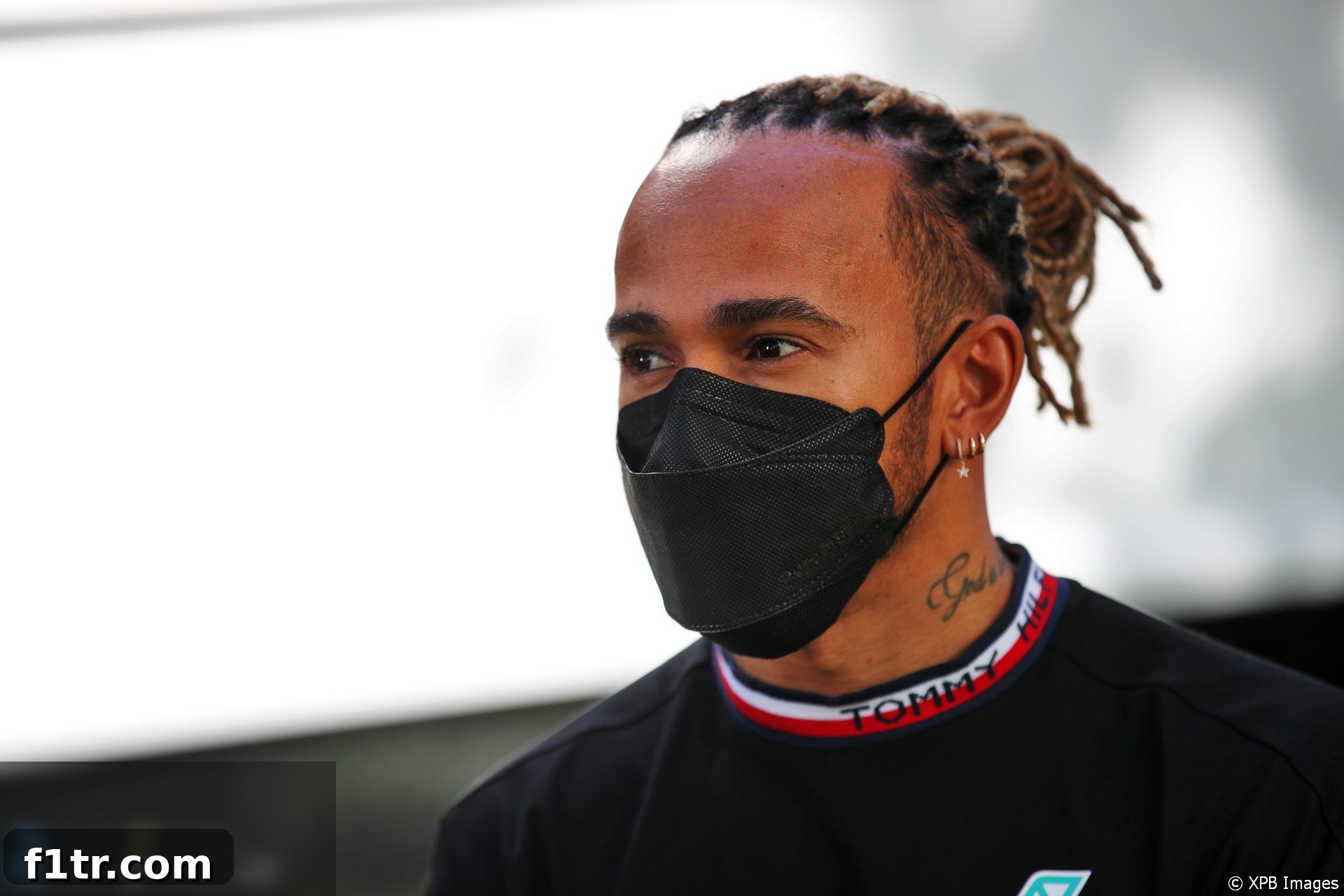
Lewis Hamilton Leads the Call for Formula 1’s Return to Africa Amidst Global Expansion
Formula 1, the pinnacle of motorsport, is currently navigating a period of unprecedented global expansion, marked by new races and burgeoning fanbases across continents. While the sport celebrates its growing footprint in lucrative markets, particularly in North America, seven-time world champion Lewis Hamilton continues to champion a deeply personal and culturally significant cause: the return of Formula 1 to the African continent.
The recent announcement of the Las Vegas Grand Prix, set to electrify the iconic Strip in 2023, underscores F1’s strategic focus on the United States. This addition marks a pivotal moment, cementing three races on American soil within the F1 calendar. Yet, amidst the excitement for new spectacles, Hamilton’s voice resonates with a powerful plea for representation, advocating for a return to a continent that holds profound personal and historical significance for him and the sport as a whole.
The Lure of the American Market: F1’s Triple Threat
The upcoming Las Vegas Grand Prix is much more than just another race; it signifies a strategic triumph for Formula 1. Slated for a Saturday night race under the neon glow of Las Vegas, it promises to be a spectacle unlike any other. This event will join the already established United States Grand Prix in Austin and the recently debuted Miami Grand Prix, marking the first time in decades that the US will host three Formula 1 events in a single season. This expansion is a clear indicator of F1’s surging popularity in North America, largely fueled by the success of Netflix’s ‘Drive to Survive’ series, which has captivated a new generation of American fans.
Lewis Hamilton, while vocal about his desire for an African race, acknowledges and welcomes the sport’s growth in the US. “It’s amazing that we have bridged a relationship that we have now three races on one continent,” Hamilton stated. “I think that’s going to be awesome, I think it’ll be good for the business, I think Vegas will be an awesome addition.” His sentiments reflect the general consensus within the F1 paddock: the American market offers significant commercial opportunities and a vast, enthusiastic audience eager for high-octane racing and the glamour associated with Formula 1.
The drivers themselves are largely enthusiastic about the new American ventures. Red Bull’s Sergio Perez expressed his excitement, noting, “I’m super happy, Formula 1 is becoming a bit more American. It’s great to see how the sport is growing so much in the States and in North America. Vegas is going to be a fantastic opportunity for the sport and for the fans to really see the cars. I just think it’s a great combination: F1 with Vegas, it’s fantastic.” The unique blend of world-class racing and the unparalleled entertainment of Las Vegas is expected to create an unforgettable experience for both participants and fans, further cementing F1’s status as a global entertainment phenomenon.
Valtteri Bottas, too, anticipates a memorable event. “Like Lewis said, it’s good to see three races in the US. Obviously, the fanbase has been really growing quite a bit, and there’s more and more support from US fans. So I’m sure it’s going to be amazing weekend.” The collective optimism from the drivers highlights the genuine excitement surrounding F1’s strategic push into the American mainstream, promising a vibrant future for the sport in this crucial region.
Hamilton’s Enduring Plea: Why Africa Matters
Despite the undeniable allure of new frontiers, Hamilton’s advocacy for an African Grand Prix remains steadfast. Africa stands as the only inhabited continent conspicuously absent from the current Formula 1 schedule. The sport’s last visit to the continent was in 1993, at the historic Kyalami circuit in Johannesburg, South Africa. This extended absence creates a void that Hamilton, among others, feels deeply, viewing it as an oversight that needs urgent rectification for the sport to truly embody its global aspirations.
Hamilton’s desire for an African race is not merely a passing thought; it is a consistent and passionate call. “But the one I really, really want to see is South Africa. That’s the one I want to hear next that gets announced,” he asserted, making it clear where his priorities lie. This isn’t just about adding another race to the calendar; it’s about addressing a significant geographical and cultural gap in a sport that prides itself on global reach. An African Grand Prix would signal a powerful statement of inclusivity and global representation, resonating far beyond the racetrack.
For Hamilton, the connection to Africa is profoundly personal. “We’re pretty much on every other continent, so why not? And ultimately, my ancestors are from there so that’s why it is important for me personally.” This deeply rooted connection adds a poignant dimension to his campaign, tying the sport’s future to themes of heritage, identity, and representation. In a sport that has historically struggled with diversity, bringing Formula 1 to Africa would be a monumental step towards fulfilling its ‘We Race As One’ initiative, demonstrating a tangible commitment to global equality and opportunity.
The Kyalami circuit in South Africa holds a rich history within Formula 1. From its inaugural race in 1967 to its last in 1993, it hosted some of the sport’s most iconic moments and witnessed legendary drivers battle it out on its challenging layout. Known for its high-speed sections and technical corners, Kyalami was a true test of skill and engineering. A return to this storied venue would not only bring F1 back to Africa but would also rekindle a connection with its heritage. While the circuit would require significant upgrades to meet modern F1 standards, its historical significance and the passion of local enthusiasts make it a prime candidate for a comeback.
Beyond Kyalami, other locations in Africa have been considered. Hamilton’s father, Anthony Hamilton, was actively involved in a proposal to host an F1 race in Cape Town in the mid-2010s. While that initiative did not come to fruition, it underscored the viability and appeal of South Africa as a potential host nation. Cape Town, with its breathtaking scenery and vibrant culture, would offer a spectacular backdrop for a Grand Prix, attracting global attention and showcasing the continent’s beauty and capability to host major international events. The logistical challenges, including infrastructure development, financial investment, and governmental support, are significant but not insurmountable, as demonstrated by other successful major sporting events held in South Africa, such as the FIFA World Cup.
Balancing Global Ambitions and Historical Legacy
Formula 1’s calendar strategy is a delicate balancing act. On one hand, there’s a strong commercial imperative to expand into lucrative markets like the US and the Middle East, which offer significant financial incentives. On the other, there’s a responsibility to the sport’s rich history and a desire for truly global representation. An African Grand Prix would perfectly bridge this gap, offering a new, untapped market with immense potential for fan engagement and commercial growth, while simultaneously addressing the historical absence of the sport on an entire continent.
The impact of an F1 race in Africa would extend far beyond mere commercial gains. It would represent a profound cultural moment, inspiring a new generation of motorsport enthusiasts and aspiring drivers across the continent. Such an event could spark economic development, boost tourism, and foster international interest in the host nation. It would reinforce F1’s image as a truly international and inclusive sport, one that values global representation as much as it values high-octane racing.
While Hamilton’s plea for Africa is unique in its continental scope, other drivers also express personal desires for new venues. Valtteri Bottas, for instance, mentioned, “But the next one for me I want to see is Finland.” These individual preferences highlight the diverse backgrounds and hopes within the F1 community. However, Hamilton’s persistent advocacy for Africa stands out because it addresses a fundamental geographical disparity, arguing for the sport’s presence in a region that has been overlooked for far too long.
The Road Ahead for an African Grand Prix
Bringing Formula 1 back to Africa requires concerted effort, significant investment, and unwavering commitment from all stakeholders. Circuit upgrades, modern infrastructure, and robust financial backing are crucial. The willingness of local governments and organizers to collaborate with Formula 1’s commercial rights holder, Liberty Media, will be key. Yet, with F1 enjoying unprecedented financial health and a clear strategy for global expansion, the prospect of an African Grand Prix appears more viable than ever.
The vision of Formula 1 cars roaring around a circuit in Africa, whether at a rejuvenated Kyalami or a brand-new street circuit in Cape Town, represents a powerful future for the sport. It’s a future where F1 truly reflects the diversity and global reach it aspires to, offering spectacle and inspiration to every corner of the world. With Lewis Hamilton leading the charge, the hope for an African return burns brighter than ever, promising not just another race, but a historical milestone for motorsport.
2022 Australian Grand Prix
- Aston Martin’s porpoising “does not allow us to exploit the progress the guys have made”
- Wolff puts Mercedes’ odds of championship victory at “two to eight”
- FIA responds to Verstappen’s criticism of Safety Car performance
- “So this is the end of our race, I guess?” How Alonso’s luckless Australian GP unfolded
- Two-degree temperature rise led to Hamilton’s “difficult position” radio message
Browse all 2022 Australian Grand Prix articles