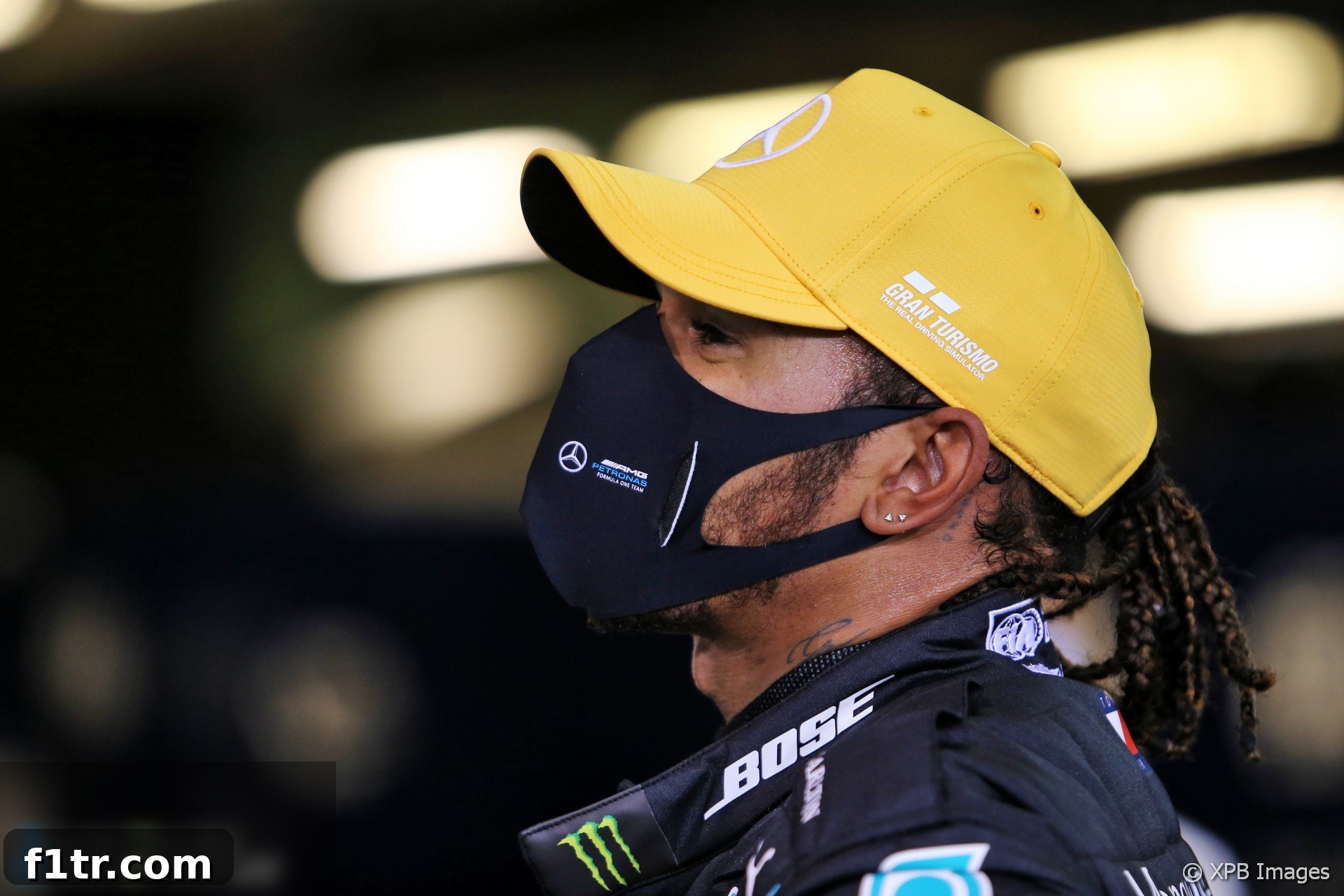
Lewis Hamilton Navigates Post-Covid Recovery and Contract Talks Ahead of Abu Dhabi Grand Prix
The highly anticipated return of seven-time world champion Lewis Hamilton at the season-ending Abu Dhabi Grand Prix was overshadowed by his candid admission regarding his ongoing battle with Covid-19. Mercedes team principal, Toto Wolff, confirmed that the decision for Hamilton to compete rested solely with the British driver, who openly acknowledged he was not yet at full strength following his illness. This challenging period not only tested Hamilton’s physical resilience but also introduced unforeseen delays into critical discussions concerning his new contract for the upcoming 2021 F1 season.
Hamilton’s Post-Covid Battle: A Candid Look at His Recovery
Having missed the Sakhir Grand Prix just a week prior due to his diagnosis, Hamilton’s return to the cockpit for qualifying in Abu Dhabi was a testament to his determination. Despite securing third place on the grid, his post-session remarks painted a stark picture of his recovery. He confessed to feeling “not 100%” and revealed that he had “lost a good amount of weight” during a period where he was “bedridden” since his last appearance at the Bahrain Grand Prix two weeks earlier. The severity of the virus had clearly taken its toll, leaving a world champion, renowned for his peak physical condition, significantly weakened.
The physical demands of Formula 1 racing are immense. Drivers experience extreme G-forces, endure high temperatures, and maintain intense concentration for extended periods. Even a minor dip in fitness can profoundly impact performance, reaction times, and ultimately, safety. For a driver of Hamilton’s caliber, who operates at the absolute limit, being anything less than optimal is a significant concern, both for himself and for the team.
Toto Wolff’s Trust in Hamilton’s Judgment
Mercedes team principal Toto Wolff offered a pragmatic and supportive stance on Hamilton’s situation. He unequivocally stated that it was “absolutely his call to decide whether he’s fit enough or not” to participate in the arduous 55-lap race, which typically lasts well over an hour and a half. Wolff emphasized Hamilton’s vast experience and deep understanding of his own physical condition.
“He is a very experienced driver,” Wolff reiterated. “He knows very well about his health and he’s been tested negative. And sometimes drivers are not perfectly well, but they still race. I think this is the situation.” This reflects a common understanding in elite motorsports, where athletes often push through minor ailments. However, Covid-19 presented a challenge of a different magnitude, affecting respiratory function, energy levels, and overall stamina – all crucial for F1 performance.
Despite the lingering effects of the virus, Wolff expressed confidence in Hamilton’s ability to compete effectively. “A race driver is obviously keen in returning to the race car, even if he isn’t 100%. I think that’s expected after 10 days of Covid-19, you’re not going to be on your ‘A-game’, but I think absolutely good enough to race.” This endorsement highlighted the team’s faith in their star driver’s judgment and resilience, understanding that while he might not be at his absolute peak, his inherent talent and race craft would still allow him to perform at a high level.
The Rigorous Physicality of Formula 1: Why Fitness is Paramount
To truly grasp the significance of Hamilton’s fitness concerns, one must understand the extraordinary physical demands placed upon Formula 1 drivers. An F1 car subjects its occupant to immense G-forces during cornering, braking, and acceleration – forces that can reach up to 5G or more. This pressure translates directly to the driver’s body, particularly the neck, which must support a helmet weighing several kilograms against these forces. A weakened physique, even slightly, can lead to muscle fatigue, impacting head control and peripheral vision, crucial for high-speed decision-making.
Furthermore, cockpit temperatures can soar, pushing drivers to the brink of dehydration. A typical Grand Prix involves significant cardiovascular exertion, akin to running a marathon, but performed while managing complex machinery at speeds exceeding 200 mph. The mental strain is equally intense, requiring unwavering focus and lightning-fast reactions for over 90 minutes. Covid-19, known for its systemic effects including fatigue and lung impairment, directly compromises these critical attributes. Hamilton’s transparency about his weight loss and being bedridden underscored just how profoundly his body had been affected, making his return to the pinnacle of motorsport a testament to his exceptional will and underlying athletic conditioning.
Contract Negotiations Derailed: The Business Side of F1
Beyond the immediate physical challenges, Hamilton’s illness also impacted crucial off-track matters: his contract negotiations for the 2021 F1 season. With his existing deal set to expire at the end of 2020, discussions for an extension with Mercedes had been ongoing for some time. However, as Wolff confirmed, the timing of Hamilton’s ill-health inevitably led to a pause in these critical talks.
“We were delayed by him being unwell and I think that’s not the right time to sit down,” Wolff explained. “We were planning to sit down that other week, so it’s going to be a little bit later. But I don’t want put a date to it because I don’t want to be hounded by [questions] why it’s not signed yet.”
This delay, while understandable given the circumstances, added another layer of intrigue to what were already highly anticipated negotiations. Hamilton’s future with Mercedes, a team he has dominated with for years, is a pivotal topic in Formula 1 news. A new contract would likely solidify his position as one of the sport’s highest-paid athletes and further extend his unparalleled legacy. The intricacies of such a deal involve not just salary, but also duration, sponsorship agreements, and potential clauses related to his broader interests outside racing. The disruption caused by Covid-19 highlighted how even the most meticulously planned aspects of F1 can be thrown into disarray by unexpected global events.
The 2020 Abu Dhabi Grand Prix: A Season Finale with Personal Stakes
The 2020 Abu Dhabi Grand Prix served as the final chapter of an extraordinary F1 season, one that saw Hamilton secure his record-equalling seventh world championship. While the drivers’ and constructors’ titles were already decided, the race still held significant personal stakes for Hamilton. It was an opportunity to close out a challenging year, demonstrate his resilience, and perhaps lay down a marker for his intentions in 2021, regardless of his physical state.
The Yas Marina Circuit, with its distinctive twilight race setting and challenging technical layout, demands precision and stamina. For Hamilton, competing here post-Covid was not just about securing another victory, but about proving to himself and the world that he could overcome significant adversity. His performance, even if not a win, would be closely scrutinized as a barometer of his recovery and readiness for future challenges.
The Broader Impact of Health on Elite Athletes
Hamilton’s experience in Abu Dhabi wasn’t isolated; the COVID-19 pandemic profoundly affected athletes across all professional sports. From NBA players to Olympic contenders, many have reported lingering symptoms such as fatigue, reduced lung capacity, and extended recovery times, even after seemingly mild infections. This highlighted a critical challenge for sports organizations: balancing athlete welfare with competitive demands.
For a sport like Formula 1, where split-second decisions and sustained peak performance are non-negotiable, driver health is paramount. Hamilton’s situation underscored the importance of rigorous health protocols, ongoing monitoring, and the need for personalized recovery plans for athletes. It also sparked broader conversations about the mental and physical toll the pandemic had taken on those at the pinnacle of their respective fields, forcing teams and governing bodies to rethink strategies for athlete care in a post-pandemic world.
Looking Ahead: Hamilton’s Future with Mercedes
As the dust settled on the 2020 season, the focus quickly shifted to Hamilton’s future. His continued recovery and the successful conclusion of his contract negotiations with Mercedes would be key storylines entering 2021. The partnership between Hamilton and Mercedes has been one of the most dominant in F1 history, securing multiple championships and shattering numerous records. Extending this collaboration is not just about retaining a star driver; it’s about preserving a winning formula and ensuring continuity at the highest level of motorsport.
While the delay caused by his illness was a minor setback, the mutual desire for the partnership to continue remained strong. Fans and pundits alike eagerly awaited the announcement that would confirm Hamilton’s commitment to Mercedes, paving the way for him to potentially break more records and further cement his status as arguably the greatest Formula 1 driver of all time. His resilience in Abu Dhabi, despite not being fully fit, served as a powerful reminder of his enduring drive and dedication.
Related Articles from the 2020 Abu Dhabi Grand Prix
- Mercedes also had MGU-K concerns over Russell’s car
- Ferrari hail “outstanding professional” Vettel after his final drive for team
- 2020 Abu Dhabi Grand Prix Star Performers
- Driver line-up confirmed for Yas Marina test, two teams won’t attend
- Paddock Diary: Abu Dhabi Grand Prix
Browse all 2020 Abu Dhabi Grand Prix articles