F1 2021 Season: The Battle for Speed Amidst New Regulations and Shifting Dynamics
The 2021 Formula 1 season was initially envisioned as a landmark year, marking the radical introduction of an entirely new suite of technical regulations. For many years, Formula 1 had been meticulously crafting these rules, intending to profoundly reshape the cars, simplify their aerodynamic profiles, and ultimately cultivate closer, more thrilling racing. A key objective of these planned changes was to make the cars significantly slower, thereby enhancing driver skill as a dominant factor and promoting tighter competition on track.
However, the unprecedented global pandemic forced a dramatic alteration of these plans. The wholesale overhaul of regulations was deferred for a year, granting the current generation of rules, which were first implemented in 2017, an unexpected extension. These 2017 regulations had previously unfettered the creativity of F1’s technical departments, allowing them to engineer much more aerodynamically sophisticated and, consequently, incredibly fast racing machines.
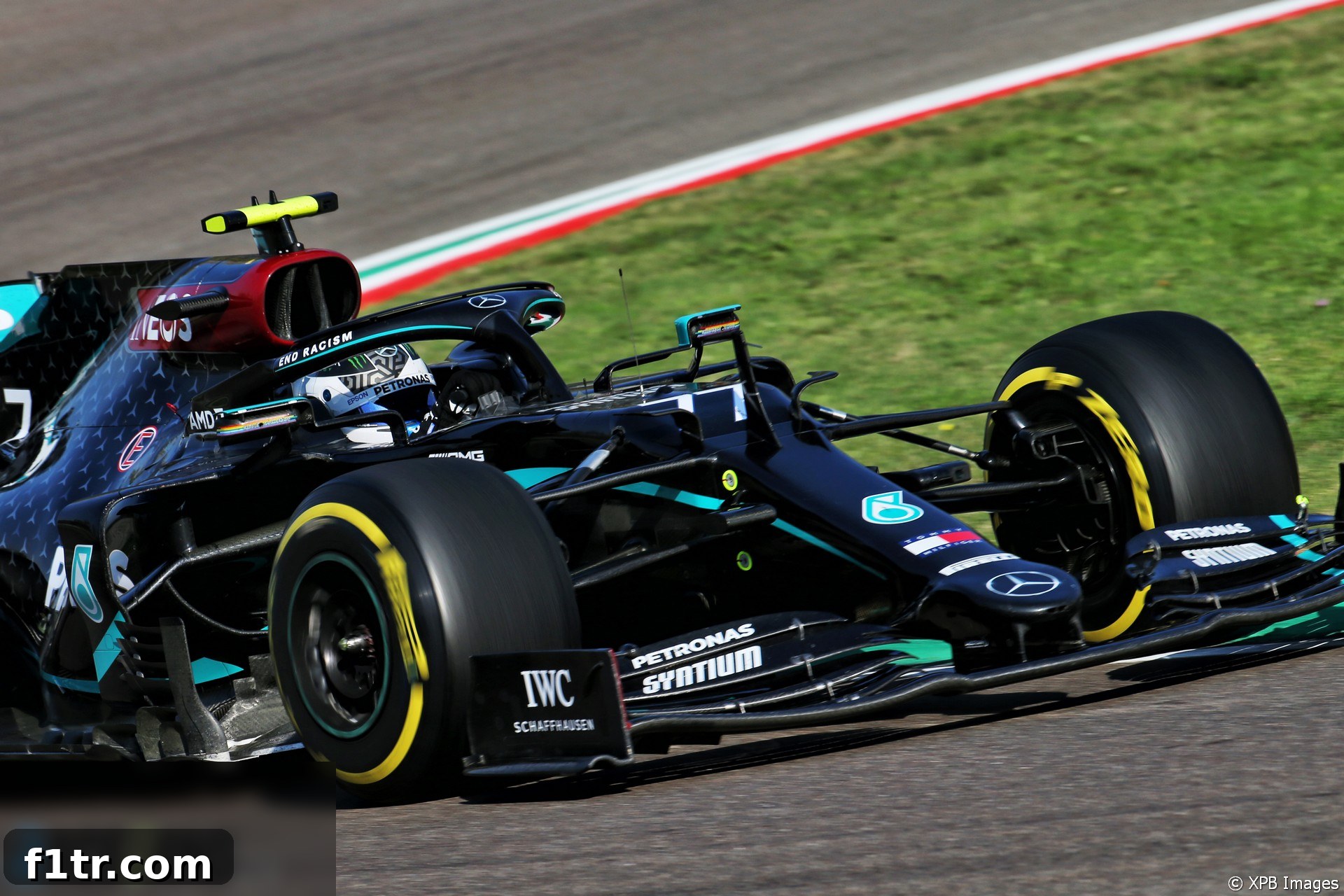
Upon their introduction, Formula 1 set an ambitious benchmark: to shave an impressive five seconds off existing lap times at the renowned Circuit de Catalunya in Spain. This challenging target was not only achieved but progressively surpassed, as cars continued their relentless march towards ever-greater speed in the seasons that followed. This constant evolution has culminated in the present era where Formula 1 cars are, without doubt, the quickest ever witnessed in the sport’s storied history.
The Fastest Machines: Breaking Records Across the Globe
The sheer velocity of contemporary F1 cars is a marvel of engineering. The outright track record at nearly every circuit on the current Formula 1 calendar has been established within the last two years. The notable exception is the Singapore street circuit, a unique venue and one of several that F1 did not visit last year due to the pandemic. From the blistering straights of Monza, where Lewis Hamilton’s pole position in 2020 set the fastest single lap ever recorded in Formula 1, to the demanding twists of the Red Bull Ring, engineers have consistently pushed the boundaries of performance. This period of record-breaking speed is a testament to significant advancements in hybrid power unit efficiency, groundbreaking aerodynamic research, and the painstaking optimization of every single component on the car.
However, as the 2021 F1 season progressed, a compelling question loomed large: would we see even quicker lap times? While Formula 1 engineers traditionally capitalize on the off-season to relentlessly refine aerodynamics and extract further performance from their cutting-edge power units, several pivotal reasons suggested that this year’s cars might struggle to surpass the blistering benchmarks set in previous seasons. This dynamic created an intriguing interplay between engineering prowess and regulatory constraints, making the pursuit of speed a finely balanced act.
2021 Regulation Adjustments: A Deliberate Curb on Performance
Following a series of worrying tyre failures observed at the 2020 British Grand Prix, F1 teams reached a consensus on a package of minor yet impactful aerodynamic revisions. These changes were specifically designed to subtly rein in car performance, primarily by reducing downforce. The key modifications involved reductions to the size of the rear floors and the diffusers. The overarching goal was to lessen the aerodynamic load on the Pirelli tyres, thereby improving safety and preventing a recurrence of the explosive blowouts seen previously. While these adjustments may appear subtle, they were widely expected to add valuable fractions of a second to lap times, posing a fresh challenge for every team’s aerodynamic department to overcome.
Adding another layer of complexity, teams were also subjected to strict limitations on the volume of development work permitted between seasons. This was primarily enforced through an innovative ‘tokens’ system, introduced as a critical cost-saving measure during challenging economic times. This system restricts the number of significant upgrades teams can apply to core components of their chassis and power unit. For the 2021 season, it also meant that the new cars would likely undergo considerably less in-season development compared to previous years. This strategic shift was driven by teams needing to prioritize their engineering resources and allocate significant portions of their budgets towards the radically different technical regulations slated for the 2022 F1 season, which demanded a ground-up redesign of their cars. The delicate balancing act between maximizing 2021 performance and laying a strong foundation for future success became a defining strategic dilemma for every constructor on the grid.
Expert Perspectives: McLaren’s James Key on Downforce Recovery
Offering valuable insight into these engineering challenges, McLaren technical director James Key anticipated that most teams would begin the 2021 season with a noticeable reduction in downforce compared to the peak levels they achieved in 2020. “I’ve heard this from other teams as well during various meetings and so on, that the regulation changes were effective,” Key confirmed, underscoring the widespread impact. “They did knock downforce back quite a bit.”
Key further elaborated on the specific areas affected: “Most of it was rear-axle. There’s always some upstream implications as well. But that was really the aim of these regs and they did have quite a significant effect.” A reduction in rear downforce primarily impacts traction and stability, potentially leading to increased oversteer and accelerated tyre degradation. This necessitates significant adaptation from drivers and extensive setup work from engineers to restore balance and predictability. The initial “launch-spec” cars were designed to claw back some of this lost performance, with further advancements expected for the “race one spec car,” which was still undergoing definition at the time of his comments. He offered a cautious outlook, stating, “I can’t give you a percentage at the moment in terms of where we’re actually going to be at race one. But it will be a percentage rather than ‘110%’, let’s say.” This illustrates the ongoing and intricate process of re-optimizing performance under new constraints.
Despite the initial performance reduction, Key expressed optimism regarding the long-term trajectory of the season. He fully anticipated that teams would progressively recover the downforce levels achieved in 2020 at some stage during the grueling 23-race campaign. “Probably we’ll see, when we go into winter testing and the start of the season, some immature cars with some of this aero,” he explained. “There appears to be quite a bit of potential still there. It’s had the effect of halting the rapid progress that’s been going on now with these cars for a long time, and we kind of needed to do that for an extra year with these regs I think, with the lap times last year.” This suggests an exciting season with a steep development curve for all teams.
He further detailed the ongoing engineering challenge: “But there’s still a lot of development potential around the rest of the car and to find in these changes as well. So my guess is that as we get into the season, most will have recovered everything. Whether it’s race one or not, it’s difficult to say. I don’t think probably 100% quite yet.” This outlook points towards a dynamic championship where early performance might not be entirely representative of a team’s strength by the season’s end, as engineers work tirelessly within the token system’s confines to unlock further speed.
Beyond Aerodynamics: Tyres, Weight, and the Relentless Pursuit of Excellence
Beyond the pivotal car development and aerodynamic modifications, several other significant factors inevitably influenced whether Formula 1 saw a continuation of record-breaking lap times in 2021. Pirelli, the sport’s exclusive tyre supplier, introduced revised tyre constructions and compounds for the season. These changes, primarily implemented to enhance structural integrity and improve heat management, could subtly alter car balance and grip characteristics. Teams had to adapt their car setups and drivers adjust their styles to extract optimal performance from these new specifications. Historically, the introduction of new tyre compounds often leads to a slight initial dip in performance as teams undergo a learning phase to master their nuances.
Furthermore, the cars themselves had become slightly heavier once again. This gradual increase in minimum weight is a persistent trend in Formula 1, driven by advancements in safety structures, the integration of more standardized components, and the ever-growing complexity of hybrid power units and their sophisticated energy recovery systems. A heavier car fundamentally impacts various performance metrics, including acceleration, braking distances, and cornering speeds. While these weight increments might appear marginal individually, their collective effect presents a tangible challenge to the perpetual quest of shaving precious milliseconds off lap times.
Nevertheless, it would be an error to underestimate the unparalleled ingenuity and capacity of Formula 1’s design wizards. These exceptionally talented engineers and aerodynamicists possess an extraordinary ability to conjure additional lap time out of seemingly nowhere, constantly innovating and pushing the absolute boundaries of what is mechanically and aerodynamically conceivable. Their relentless pursuit of perfection, coupled with the immense resources and concentrated talent within F1 teams, ensured that even with restrictive regulations and initial performance setbacks, the fight for ultimate speed remained fiercely unpredictable throughout the 2021 season. The intricate interplay between engineering brilliance, driver skill, and the evolving regulatory landscape ultimately defined whether new records would fall or if existing benchmarks would stand tall.
Fastest Lap Times at 2021 F1 Race Venues
Below is a comprehensive overview of the current track records at the circuits featuring in the 2021 Formula 1 calendar, offering a snapshot of the ultimate pace achieved at each venue and indicating where new layouts or specific circumstances might affect future records.
| Round | Track | Track record | Year | Notes |
|---|---|---|---|---|
| 1 | Bahrain International Circuit | 1’27.264 | 2020 | |
| 2 | Imola | 1’13.609 | 2020 | |
| 3 | Autodromo do Algarve | 1’16.466 | 2020 | Not yet confirmed on calendar |
| 4 | Circuit de Catalunya | 1’15.406 | 2019 | New track layout for 2019 |
| 5 | Monaco | 1’10.166 | 2019 | |
| 6 | Baku City Circuit | 1’40.495 | 2019 | |
| 7 | Circuit Gilles Villeneuve | 1’10.240 | 2019 | |
| 8 | Paul Ricard | 1’28.319 | 2019 | |
| 9 | Red Bull Ring | 1’02.939 | 2020 | |
| 10 | Silverstone | 1’24.303 | 2020 | |
| 11 | Hungaroring | 1’13.447 | 2020 | |
| 12 | Spa-Francorchamps | 1’41.252 | 2020 | |
| 13 | Zandvoort | New track layout for 2021 | ||
| 14 | Monza | 1’18.887 | 2020 | |
| 15 | Sochi Autodrom | 1’31.304 | 2020 | |
| 16 | Singapore | 1’36.015 | 2018 | |
| 17 | Suzuka | 1’27.064 | 2019 | |
| 18 | Circuit of the Americas | 1’32.029 | 2019 | |
| 19 | Autodromo Hermanos Rodriguez | 1’14.758 | 2019 | |
| 20 | Interlagos | 1’07.281 | 2018 | |
| 21 | Albert Park | 1’20.486 | 2019 | New track layout for 2021 |
| 22 | Jeddah Street Circuit | New track for 2021 | ||
| 23 | Yas Marina | 1’34.779 | 2019 |
Join the RaceFans Supporters Drive!
If you’ve enjoyed RaceFans’ comprehensive motor sport coverage during 2020 and beyond, please take a moment to find out more about our Supporter Drive. Your support is crucial for independent motorsport journalism and helps us continue delivering high-quality content.
We’re aiming to welcome 3,000 new Supporters to help fund RaceFans so we can continue to produce quality, original, independent motorsport coverage. Here’s what we’re asking for and why – and how you can sign up to become a valuable part of our community:
- Join the RaceFans Supporters Drive!
Related Articles: Exploring the 2021 F1 Season
- Masi ‘basically gifted the championship’ to Verstappen says 2021 FIA steward Sullivan
- Las Vegas race backers looking to extend F1 deal beyond 2025
- Why Mercedes put ‘a reminder of joy and pain’ on display in their factory lobby
- Verdict on error in GT race suggests Mercedes would have lost 2021 Abu Dhabi GP appeal
- Title ‘stolen’ from Mercedes made us ‘underdogs people cheer for’ – Wolff
Browse all 2021 F1 season articles