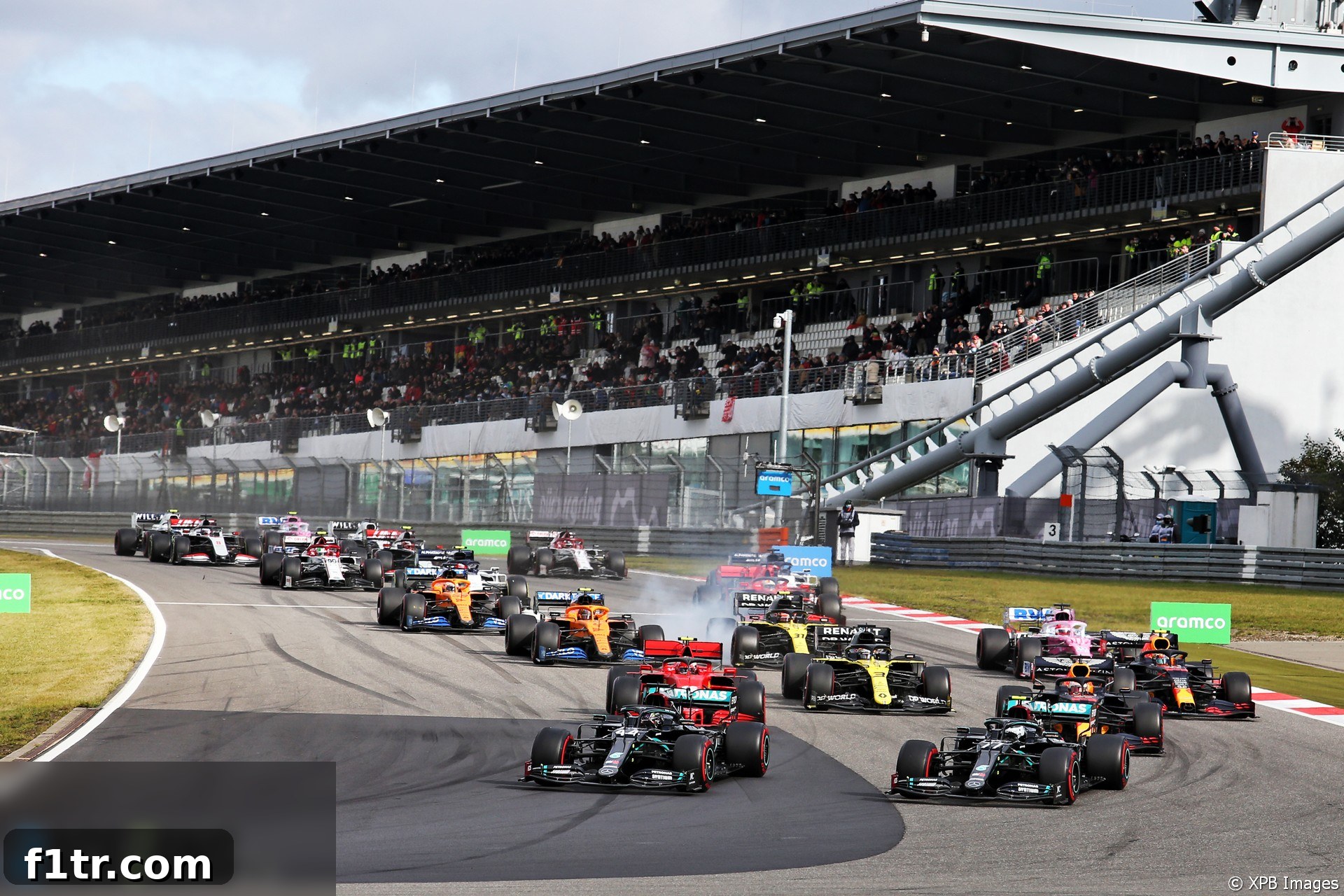
In a significant development that underscores the complexities of modernizing Formula 1, plans to introduce radical reverse-grid qualifying races for the 2021 F1 season have been definitively shelved. The proposal, aimed at injecting unpredictability and excitement into race weekends, ultimately failed to garner the necessary support from the sport’s key stakeholders, particularly the teams.
Advert | Become a Supporter & go ad-free
The core concept behind the controversial plan involved replacing traditional qualifying sessions at a select number of Grand Prix weekends with short, sprint races. The starting grid for these sprint events would have been determined by reversing the current championship standings, meaning the championship leader would start last, and those at the tail end would begin from the front. The finishing positions of these sprint races would then directly establish the starting order for the main Grand Prix on Sunday, a dramatic departure from Formula 1’s long-standing traditions.
Sources close to the Formula 1 Commission revealed that the proposal underwent thorough discussion during a recent meeting. However, it quickly became evident that the initiative lacked the crucial majority support from the ten competing teams. Consequently, the plan never even reached a formal vote, signaling its demise for the upcoming season. This marks the third occasion the reverse-grid concept has been floated and subsequently rejected, highlighting a persistent ideological divide within the sport regarding its future direction and format.
The push for such a radical change was largely championed by Formula 1 motorsport manager Ross Brawn. He seized upon the thrilling and somewhat chaotic 2020 Italian Grand Prix at Monza as a prime example of the excitement a ‘mixed-up pack’ could generate. That particular race, which saw an unexpected winner and a highly unusual podium, served as Brawn’s primary evidence that a more unpredictable starting grid could deliver compelling and memorable racing. He argued that traditional qualifying, while a test of pure speed, sometimes led to predictable race outcomes, particularly when one team dominated.
Brawn and other proponents believed that reverse-grid sprint races would force drivers to showcase their overtaking prowess and strategic thinking from the outset, leading to more dynamic and entertaining spectacles. They envisaged races where championship contenders would have to battle through the field, creating a narrative of heroism and skill, and potentially giving midfield teams a rare opportunity to start from the front and even contend for points or podiums in the sprint event. This, they argued, would enhance fan engagement and attract new audiences seeking more action and less predictability.
However, the proposal faced significant headwinds from the outset. Even FIA president Jean Todt, while stating he would not actively block the initiative if it had sufficient support, openly admitted his personal reservations. Todt expressed a preference for maintaining the purity of racing, where success is earned solely on merit and performance, rather than through artificial grid alterations. His stance reflected a broader sentiment among traditionalists who believe F1’s essence lies in its relentless pursuit of speed and genuine sporting competition.
For the proposal to have been approved for the 2021 season, it required the backing of at least eight out of the ten teams. However, it became increasingly clear that several prominent teams, including powerhouses like Mercedes, along with Racing Point, McLaren, and Renault, were steadfast in their opposition. These teams were reportedly concerned about the potential impact on the integrity of the championship, arguing that artificially manipulating the grid could devalue wins and championship points. They also raised logistical and operational questions about the additional strain such a format would place on teams and personnel during an already intense race weekend schedule.
The sentiment against reverse-grid races was particularly strong among the drivers themselves. In a rare display of unified opinion, all 20 drivers voiced their opposition, lambasting the idea as “artificial,” “completely wrong,” and even likening it to the theatrics of World Wrestling Entertainment (WWE). Their criticisms underscored a deep-seated belief that Formula 1 should remain a meritocracy, where the fastest car and most skilled driver prevail, rather than relying on gimmicks to create excitement. Drivers emphasized that their sport is about raw speed, precision, and genuine competition, not manufactured drama. They also pointed out that the proposed 2022 technical regulations, specifically designed to improve racing by making cars easier to follow and overtake, should be given a chance to prove their effectiveness before resorting to such drastic format changes. This argument suggests a preference for organic improvements in racing quality rather than external interventions.
Had it been approved, the introduction of reverse-grid qualifying races would have represented an seismic shift, a major break from 70 years of established Formula 1 tradition. Since its inception in 1950, every single one of the 1,030 events that have counted towards the world championship has featured a traditional qualifying session where grid positions are determined by raw pace over a single lap or short timed sessions. This unbroken tradition is a cornerstone of Formula 1’s identity, symbolizing the ultimate test of speed and engineering excellence. The idea of sacrificing this for a more entertainment-focused format deeply concerned purists and those who cherish the sport’s rich heritage.
The ongoing debate over reverse-grid races highlights a fundamental tension within Formula 1: the desire to innovate and attract new audiences versus the need to preserve its sporting integrity and tradition. While the quest for more engaging races is commendable, the method of achieving it remains a contentious issue. Many believe that the excitement of Formula 1 should stem from genuine competition, strategic brilliance, and the sheer skill of the drivers, rather than artificial enhancements to the race format.
With the 2021 season approaching, Formula 1 will now proceed without this controversial element, reverting to its established weekend format. However, the discussions around improving the spectacle of F1 are unlikely to cease. The sport continues to explore various avenues for format innovation, as evidenced by the later introduction of a different sprint race format in selected weekends, albeit without the reverse-grid element. The rejection of reverse-grid qualifying races for 2021 is a clear indication that while evolution is desired, any significant changes must align with the core values and traditions that have defined Formula 1 for generations, and crucially, command broad consensus from the teams and drivers who are at the heart of the competition.
Advert | Become a RaceFans supporter andgo ad-ad-free
Explore More: The 2021 F1 Season
Dive deeper into the events and narratives surrounding the 2021 F1 season, a year that saw intense championship battles and significant sporting headlines. Discover related articles and discussions:
- Masi ‘basically gifted the championship’ to Verstappen says 2021 FIA steward Sullivan
- Las Vegas race backers looking to extend F1 deal beyond 2025
- Why Mercedes put ‘a reminder of joy and pain’ on display in their factory lobby
- Verdict on error in GT race suggests Mercedes would have lost 2021 Abu Dhabi GP appeal
- Title ‘stolen’ from Mercedes made us ‘underdogs people cheer for’ – Wolff
Browse all 2021 F1 season articles