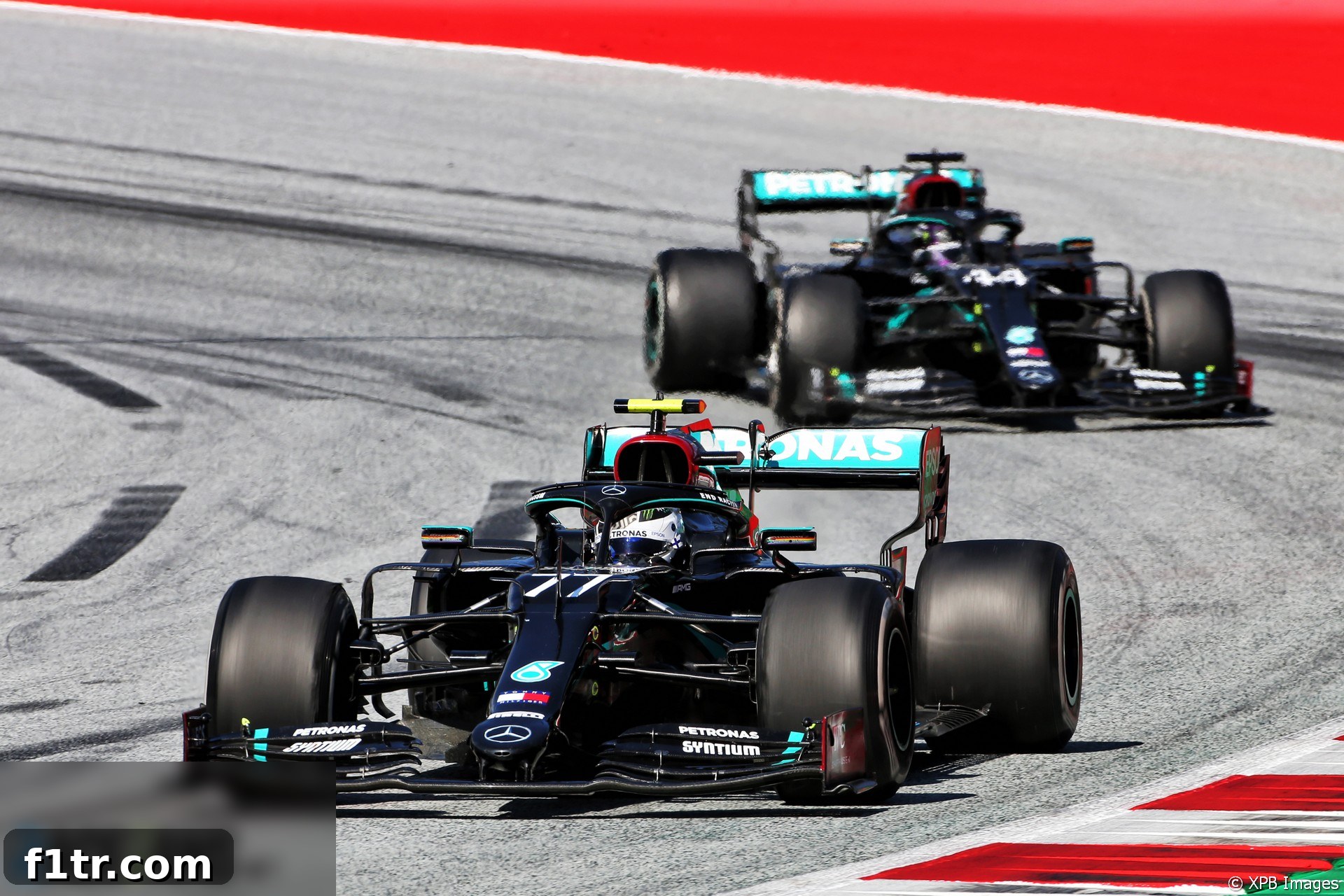
In a move that sent ripples through the Formula 1 paddock, the FIA recently notified teams of a significant technical directive. Effective from the upcoming Italian Grand Prix weekend, teams will no longer be permitted to utilize specialized ‘quali modes’ on their power units. This decision marks a pivotal moment in the 2020 season, sparking intense debate among teams, drivers, and fans alike regarding its fairness, impact on competition, and the future direction of technical innovation in the sport.
Understanding the ‘Quali Mode’ Ban in Formula 1
‘Quali modes,’ often referred to as party modes, are specific engine settings that allow teams to extract a short, yet significant, burst of enhanced performance from their engines. These modes are typically deployed during crucial qualifying sessions to gain a strategic advantage, enabling cars to achieve faster lap times when it matters most – securing prime grid positions. Due to the extreme demands these settings place on engine components, they are not sustainable for an entire race distance. Consequently, teams typically revert to more conservative, durable engine modes for the Grand Prix itself.
The FIA’s new technical directive aims to eliminate this practice by mandating that teams use the same engine settings in qualifying as they do throughout the Grand Prix. This means that any high-performance ‘quali mode’ that cannot be maintained for the full race distance will effectively become unusable. The intention behind this regulation is multifaceted, primarily focusing on enhancing regulatory oversight and potentially fostering a more level playing field. However, its implementation mid-season has ignited a fiery debate about its implications for the sport.
Arguments For the Ban: Enhancing Fairness and Scrutiny
One of the primary justifications put forth by the FIA for this ban revolves around the increasing complexity of modern Formula 1 power units and the elaborate modes teams employ. According to the governing body, the intricate nature of these engine mappings has made it progressively difficult for officials to ensure absolute compliance with technical regulations. By simplifying the operational modes to a single, consistent setting, the FIA believes it can more effectively police the sport, reducing the potential for gray areas or undetected infringements. This measure is therefore presented as a step towards greater transparency and regulatory control.
Beyond regulatory compliance, many observers and stakeholders anticipate that the ban will have a tangible positive effect on the racing spectacle itself. Mercedes-AMG Petronas F1, in particular, has been widely acknowledged to possess the most potent and effective ‘quali modes’ in recent seasons. Their ability to routinely out-qualify the field by substantial margins has been a significant factor in their dominance. Removing this key advantage is expected to tighten the competitive margins, especially during qualifying sessions. The hope is that this will lead to closer grid battles, potentially allowing rival teams like Red Bull Racing or Ferrari to challenge Mercedes more consistently for pole position, thereby making for a more competitive and unpredictable championship outcome.
This directive could also simplify strategic considerations for both teams and drivers. With a consistent engine mode from Saturday to Sunday, the focus might shift more intensely towards chassis development, aerodynamic efficiency, and driver skill in extracting maximum performance within fixed parameters. This alignment could also benefit smaller teams, potentially reducing the resource drain associated with developing complex, specialized qualifying modes, thus allowing them to concentrate their efforts more broadly.
Arguments Against the Ban: Innovation vs. Sporting Integrity
Conversely, the ban on ‘quali modes’ has drawn considerable criticism, primarily because it represents a mid-season alteration to the technical regulations. This fundamental shift effectively outlaws a practice that, until now, was not only permitted but actively encouraged as an area for legitimate technical innovation and engineering excellence. Critics argue that teams invest significant resources – intellectual, financial, and human – into developing these sophisticated engine modes. To have such a legitimately obtained advantage rescinded in the middle of a competitive season is seen by many as fundamentally unfair and disruptive to the principle of sporting fairness.
Furthermore, the directive is perceived by some as another instance of the sport “dumbing down” its technical regulations. Formula 1 has historically prided itself on being the pinnacle of motorsport engineering and innovation, pushing the boundaries of automotive technology. Preventing teams from optimizing their engine performance for different scenarios, such as the short bursts required for qualifying versus the endurance needed for a race, is viewed by many as an unfortunate erosion of this innovative spirit. At a time when the sport is already implementing ever-greater restrictions on research and development – including budget caps and limitations on testing – such a ban risks stifling the very ingenuity that defines Formula 1.
The precedent set by mid-season rule changes is also a major concern. Such interventions can destabilize the competitive landscape, creating an environment where success isn’t solely determined by a team’s ability to innovate within the rules, but by the potential for those rules to change unexpectedly. This can discourage long-term investment in specific technical areas and foster uncertainty, impacting the strategic planning of all teams involved. It raises questions about the stability and foresight of the regulatory framework and whether such decisions are truly in the best long-term interest of the sport’s technical integrity.
A Personal Perspective on the F1 Engine Mode Debate
From a personal standpoint, mid-season changes to technical regulations always strike a discordant note. The abrupt nature of this directive feels uncomfortably reminiscent of past controversial decisions that significantly impacted the competitive landscape. One cannot help but recall instances such as the forced redesign of Michelin’s tyres mid-season in 2003, a move largely seen as benefiting Bridgestone-shod Ferrari, or the abrupt banning of Renault’s innovative mass damper system in 2006. These examples highlight a pattern where regulatory interventions, regardless of their stated intent, can be perceived as targeting specific teams or engineers who have excelled within the existing rulebook.
The existence of sophisticated ‘quali modes’ is far from a recent phenomenon; these systems have been an integral part of power unit development for several seasons. This established presence makes the sudden urgency to ban them particularly difficult to justify. If the underlying motivation is genuinely to “spice up the show” or artificially engineer closer competition, then it raises legitimate questions about the sport’s integrity. While the desire for thrilling races is understandable, intervening to curb the legitimate advantages gained through superior engineering, as Mercedes has arguably achieved over competitors like Honda, Ferrari, and Renault, feels antithetical to Formula 1’s ethos. The onus, it could be argued, should fall on the other manufacturers and teams to elevate their game and find their own solutions within the existing technical framework, rather than having the regulations altered to diminish a rival’s hard-earned advantage.
Ultimately, while the FIA’s objectives of ensuring fair play and enhancing competition are laudable, the timing and nature of this particular technical directive invite considerable scrutiny. It underscores the ongoing tension between regulatory control, the pursuit of performance, and the fundamental values of innovation and sporting fairness that underpin Formula 1.
The Fan’s Verdict: A Divided Opinion on the ‘Quali Mode’ Ban
The Formula 1 fanbase has been notably divided on the decision to ban ‘quali modes’ from the Italian Grand Prix onwards. A recent poll conducted on this very topic, which garnered a total of 306 votes, vividly illustrates this split. The results indicated strong feelings across the spectrum, reflecting the complexity of the issue and the varied priorities of F1 enthusiasts.
A significant majority of participants expressed disagreement with the ban: 55% strongly disagreed, and 14% slightly disagreed, totaling a substantial 69% opposing the FIA’s move. This sentiment likely stems from concerns about mid-season rule changes, the impact on innovation, or a belief that superior engineering should be rewarded. On the other hand, 13% strongly agreed and 11% slightly agreed, indicating that a quarter of voters support the decision, perhaps hoping for a more competitive championship or believing in the necessity of stricter regulation. A smaller portion of the audience remained neutral, with 6% neither agreeing nor disagreeing and a minimal 0% having no opinion. This poll highlights the passionate and often conflicting views within the F1 community on regulatory interventions that shape the sport’s competitive landscape.
As the F1 season progresses, the true impact of this technical directive will undoubtedly unfold, influencing not only qualifying sessions but potentially the entire race weekend strategy. The debate surrounding ‘quali modes’ serves as a microcosm of the larger discussions about F1’s future: how to balance cutting-edge technology with sporting fairness, and how to maintain the spectacle without compromising the integrity of competition. We invite you to continue this vital discussion and share your perspectives on this significant change.
Related Formula 1 Debates and Polls
- What must Formula 1 fix with its new rules – and what should it leave unchanged?
- ADUO: Do F1 teams who fall behind deserve to get help to catch up?
- F1 is considering doubling its sprint races. Do you want more or fewer?
- Will this be a fight or a rout? 20 questions for the 2026 Formula 1 season
- Which Formula 1 team has the best-looking car – and the worst – for the 2026 season?
Browse all debates and polls