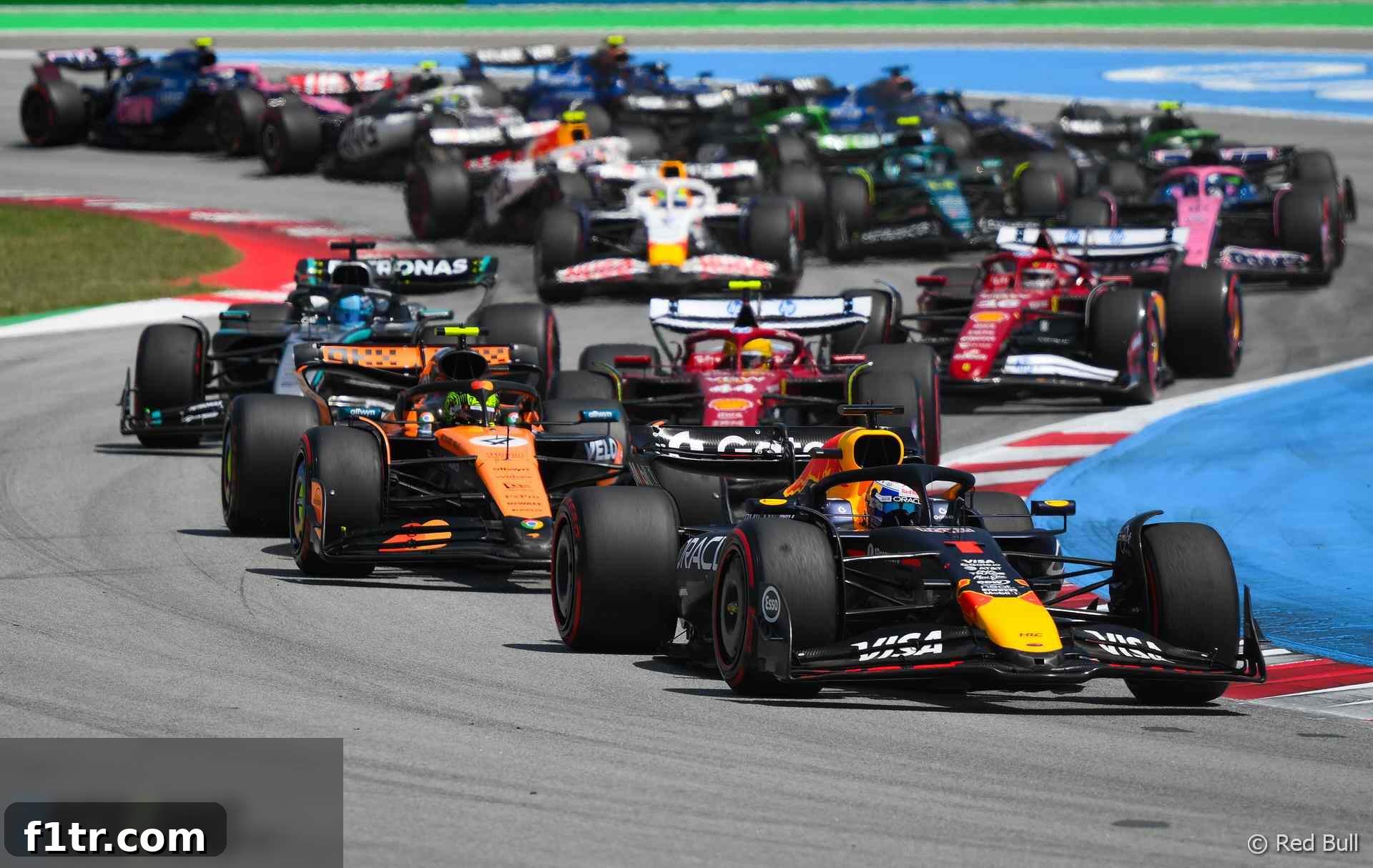
The dawn of a new era in motorsport beckons as the 2026 Formula 1 season prepares to ignite, promising a dramatic reshaping of the sport we know and love. The anticipation is palpable, with significant regulatory shifts, an expanded grid, and an invigorated calendar poised to deliver unprecedented excitement. Tomorrow marks a pivotal moment, as the first crucial test session gets underway at the iconic Circuit de Catalunya, offering a tantalizing glimpse into the future of Formula 1.
A Regulatory Revolution: The New Generation of F1
The 2026 championship isn’t just another season; it’s a testament to Formula 1’s continuous evolution and commitment to innovation. At its core lies a comprehensive overhaul of the technical regulations, targeting both the chassis and the revolutionary power units. These changes are designed to foster closer competition, enhance sustainability, and ultimately, elevate the racing spectacle for fans worldwide.
The most immediate visual change will be the cars themselves. Brand new chassis rules dictate a significant reduction in size and weight, aiming for more agile and dynamic machines. This shift is expected to free drivers to push the limits, potentially leading to more daring overtakes and intricate on-track battles. The smaller footprint could also improve the racing on tighter circuits, making previously processional events more engaging. Engineers face an immense challenge in optimizing these new designs, balancing aerodynamic efficiency with robust mechanical performance, ensuring the new generation of F1 cars remains the pinnacle of motorsport technology while adhering to stricter dimensions.
Perhaps even more impactful are the revised power unit regulations. These changes are anticipated to drastically alter the racing dynamic, placing a greater emphasis on electric power and sustainable fuels. While retaining a V6 internal combustion engine, the MGU-H (Motor Generator Unit – Heat) will be removed, and the electrical power output will be substantially increased, providing a near 50/50 split between internal combustion and electrical propulsion. This move is not merely about green credentials; it will fundamentally change energy management strategies during a race, demanding innovative solutions from teams and strategic mastery from drivers. Pit wall decisions regarding deployment and harvesting will become even more critical, introducing a fresh layer of tactical intrigue and uncertainty to every Grand Prix weekend.
Expanding Horizons: New Teams, New Tracks, Enhanced Competition
Beyond the technical innovations, the 2026 grid will feature an expanded lineup of 22 cars, a welcome sight for fans craving more competition and diversity within the field. This growth not only signifies a healthy interest in Formula 1 but also offers more opportunities for emerging talent and potentially closer battles across the entire field. With more teams vying for points, the midfield fight is set to intensify, making every position hard-earned and every race outcome less predictable.
The calendar, too, sees exciting modifications, most notably with the introduction of a captivating new venue and a shift in a classic European stop. The historic Imola circuit in Italy, while beloved, makes way for a thrilling new street circuit – the Madring in Spain. This marks Formula 1’s first visit to Madrid, promising a high-speed, challenging urban layout that will test drivers’ precision and courage to the fullest. Street circuits often deliver some of the most dramatic and unforgettable moments, and Madrid is poised to add its unique flavour to the championship. The addition of a second Spanish Grand Prix underscores Spain’s growing importance in the sport, with both the traditional Circuit de Catalunya and the urban spectacle in Madrid offering distinct challenges and fan experiences.
The Global Spectacle: A Season Unfolds Across Continents
The 2026 Formula 1 season is meticulously crafted to be a global spectacle, featuring 24 challenging Grands Prix complemented by six exhilarating sprint races. While the total number of events remains consistent with the previous two seasons, the venues for several sprint events have been strategically rotated to bring this dynamic format to a wider array of iconic circuits.
The championship kicks off in spectacular fashion in Melbourne, Australia, in March, a traditional curtain-raiser known for its vibrant atmosphere and unpredictable races. Just one week later, the excitement continues with the season’s inaugural sprint event in China, setting an early precedent for high-octane action. The early part of the season will follow a familiar global tour before heading to Europe.
The European leg begins with a notable change: Monaco, the jewel in F1’s crown, will host its Grand Prix a week later than last season, effectively replacing Imola as the first European round. The glamour and challenge of the Principality always deliver a unique spectacle, and its slightly later slot promises to add a fresh dynamic to the early summer schedule. Following Monaco, Formula 1 will embark on its first of two visits to Spain, likely at the traditional Circuit de Catalunya, a favourite for testing and known for its technical demands. Later in the season, fans will be treated to the highly anticipated debut of F1’s first visit to the new street circuit in Madrid, offering a stark contrast to the permanent track and showcasing the versatility of the sport’s calendar.
The sprint race calendar also sees an exciting shake-up. In addition to Shanghai and Miami, which proved popular sprint venues last year, the format will now grace some of motorsport’s most revered tracks: Montreal, Silverstone, Zandvoort, and Singapore. Each of these circuits offers distinct characteristics that promise to make for thrilling sprint events, from the wall-kissing action of Montreal to the high-speed drama of Silverstone and the unique challenge of Zandvoort’s banking and Singapore’s night race glamour. Singapore will have the honour of hosting the final sprint event of the season, setting the stage for an intense conclusion to the championship. The season will then close with a flourish of half-a-dozen traditional Grands Prix, leading up to a climactic finale that will crown the 2026 Formula 1 World Champion.
Driver Dynamics: New Faces and Familiar Returns
The driver market has also seen its share of intrigue and change, adding another layer of anticipation to the upcoming season. Young talent Arvid Lindblad makes his highly anticipated debut, a testament to the robust feeder series and the constant influx of fresh blood into Formula 1. His arrival will be watched closely, as fans and pundits alike seek to identify the next generation of F1 superstars.
Meanwhile, familiar and seasoned campaigners Sergio Perez and Valtteri Bottas make their returns to the grid. Perez’s return offers another shot at redemption and an opportunity to leverage his experience within a competitive setup, potentially bringing a new dynamic to his team. Valtteri Bottas, known for his consistent performance and calm demeanour, adds valuable experience and a steady hand, which can be crucial in adapting to new regulations and guiding a team through a challenging season. Their presence ensures a blend of youthful exuberance and veteran wisdom on the grid, promising exciting head-to-head battles.
Sadly, the season also marks a farewell to Yuki Tsunoda, a driver who captivated fans with his tenacious driving style and spirited personality. His departure leaves a void but also opens up opportunities for others, reminding us of the ever-evolving nature of the sport and the fierce competition for every seat on the grid.
Your Voice Matters: Engaging with the New Season
With such monumental changes on the horizon, the sentiment among the global Formula 1 fanbase is a crucial barometer for the sport’s health and direction. Have these off-season developments, from the radical new rules to the revamped calendar and driver movements, amplified your excitement for the upcoming F1 season? Are you planning to immerse yourself in every minute of the racing action, embracing all 30 events (24 Grands Prix plus 6 sprint races)? Or do you find yourself contemplating skipping some of the packed schedule, perhaps due to format preferences or time constraints?
We want to hear directly from you. What are your expectations for the new chassis and power unit regulations? Do you believe the smaller cars will lead to better racing, and how do you anticipate the increased electric power will influence strategies? How do you feel about the expanded grid and the introduction of Madrid to the calendar? And what are your thoughts on the strategic placement of sprint races at iconic venues like Silverstone and Singapore?
Join the conversation and have your say in the comments section below. Share your predictions, your hopes, and your concerns for what promises to be one of the most transformative seasons in recent Formula 1 history. Your input helps shape the ongoing dialogue around the future of this exhilarating sport.
Debates and polls
- What must Formula 1 fix with its new rules – and what should it leave unchanged?
- ADUO: Do F1 teams who fall behind deserve to get help to catch up?
- F1 is considering doubling its sprint races. Do you want more or fewer?
- Will this be a fight or a rout? 20 questions for the 2026 Formula 1 season
- Which Formula 1 team has the best-looking car – and the worst – for the 2026 season?
Browse all debates and polls