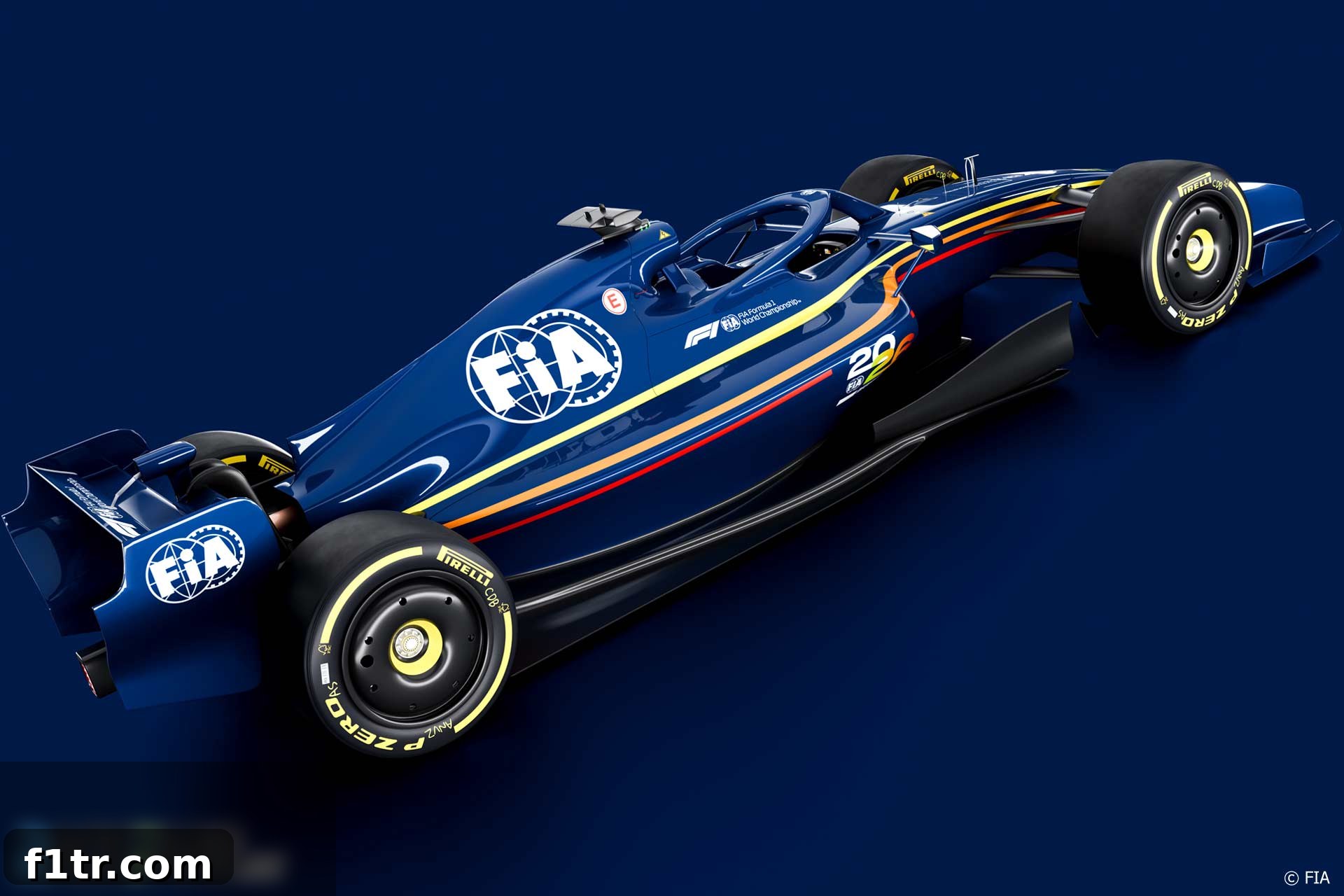
The highly anticipated 2026 Formula 1 technical regulations, recently unveiled by the FIA, promise a radical transformation for the sport. However, initial reactions from several teams suggest a significant concern: the performance gap between F1 and its feeder series, Formula 2, could dramatically shrink. This potential reduction in speed raises questions about Formula 1’s long-standing status as the absolute pinnacle of motorsport, with some team principals warning that the new generation of cars might only be marginally quicker than their F2 counterparts.
The FIA’s blueprint for the 2026 Formula 1 season outlines a fundamental redesign aimed at creating lighter, smaller, and more agile cars. These vehicles are expected to produce substantially less downforce compared to the current formidable machines. The objectives behind these sweeping changes are multi-faceted: to foster closer racing, enhance sustainability through advanced hybrid power units and sustainable fuels, and ultimately deliver a more captivating spectacle for fans worldwide. Yet, achieving these goals without compromising the raw speed and technological superiority that defines Formula 1 presents a complex challenge for regulators and engineers alike.
Historically, the speed differential between Formula 1 and Formula 2 cars has been a clear marker of F1’s elite status. To illustrate, at iconic circuits like Monaco, F1 cars have typically been a commanding 11 seconds faster than F2 machines. Similarly, at Imola, this gap extended to a significant 12 seconds. Such disparities not only underscore the engineering marvels that F1 cars represent but also delineate a clear progression path for aspiring drivers. However, James Vowles, the team principal of Williams Racing, has voiced strong apprehension that this critical performance chasm could be drastically reduced if the proposed 2026 regulations are implemented in their current form.
“It’s imperative that we remain the leading series in motorsport,” Vowles emphasized, echoing a sentiment shared by many within the F1 paddock. “That’s how I perceive us. We are the very pinnacle of this sport. Therefore, as a direct consequence of that, we absolutely must ensure we are maintaining the performance and the sheer speed we currently possess.” His remarks highlight the delicate balance the FIA must strike between innovation, sustainability, and preserving the core identity of Formula 1 as the ultimate test of human and machine.
Vowles’ primary concern revolves around the potential for a “mismatch” in performance when comparing the envisioned 2026 F1 cars to other top-tier racing series, particularly Formula 2. He starkly warned, “The performance difference to an F2 car could realistically be as small as just a few seconds. And that proximity is beginning to feel a little too tight, especially when you contextualize it against the other high-performance racing series around the globe.” A marginal performance advantage could dilute the perceived value and exclusivity of Formula 1, potentially impacting everything from fan engagement to driver recruitment strategies.
Crucially, Vowles did stress that the regulations presented by the FIA are still very much in their developmental, or “draft,” phase. This iterative process allows for significant feedback and adjustments from teams and technical experts. “These are initial draft regulations,” he clarified. “Just this past week, in fact, there were two notable changes introduced which collectively stripped away a considerable amount of downforce from the proposed designs.” This suggests that the FIA is actively engaging with the teams and making revisions, indicating a willingness to fine-tune the rules to address emerging concerns. “I am confident that we will arrive at a much better solution in this regard,” Vowles added. “It’s not that we are fundamentally far off the mark; it simply requires a bit more dedicated work and refinement.”
Beyond the core speed concerns, another significant aspect of the 2026 rules involves the introduction of adjustable aerodynamics. This innovative feature will empower drivers to dynamically alter their car’s aerodynamic profile, reducing drag on high-speed straights to maximize top speed, and conversely, increasing downforce in corners to optimize grip and stability. While the concept aims to enhance overtaking opportunities and energy management, it also introduces a new set of challenges and compromises regarding car dynamics. George Russell, Mercedes-AMG Petronas F1 driver, provided an early assessment of this system, predicting that it would inevitably lead to “very high straight-line speeds and, conversely, significantly much lower cornering speeds.”
McLaren team principal Andrea Stella echoed these sentiments, expressing reservations about the current aerodynamic philosophy embodied in the draft regulations. Stella believes that the delicate equilibrium between straight-line performance and cornering capability has not yet been optimally achieved. “I would articulate that at this precise moment, the way the cars are configured in the draft version of these regulations – and it’s vital to reiterate ‘draft,’ because, as we all agree, there’s a substantial amount of work yet to be done – the cars are demonstrably not fast enough when navigating corners, while simultaneously being excessively fast on the straights,” Stella explained. “Therefore, these two critical aspects absolutely necessitate a thorough rebalancing to achieve the desired performance characteristics.”
The feedback from prominent team figures like Vowles, Russell, and Stella underscores the complexity of engineering the next generation of Formula 1 cars. The challenge lies in designing vehicles that are not only technologically advanced and sustainable but also thrilling to drive and spectacular to watch, all while maintaining a clear performance hierarchy within motorsport. The FIA, in its ongoing dialogue with teams, faces the critical task of integrating these varied perspectives and technical insights into a final set of regulations that can truly deliver on the promise of a revitalized Formula 1 era.
In light of these pressing discussions and the collective desire to refine the proposed regulations, team bosses are scheduled to convene with FIA representatives in the immediate future to deliberate on the rules package. These crucial meetings will provide a direct forum for open dialogue, detailed technical analysis, and collaborative problem-solving, aiming to iron out the creases and address the concerns raised by the teams. The outcome of these discussions will undoubtedly play a pivotal role in shaping the final form of the 2026 Formula 1 cars, ensuring they uphold the sport’s reputation for unparalleled speed, technology, and racing excitement, while simultaneously embracing a more sustainable future.
The 2026 Formula 1 regulations represent a bold step towards a future where environmental responsibility and technological innovation converge. However, the early feedback from key stakeholders highlights the intricate balancing act required to introduce such profound changes without inadvertently diminishing the core essence of what makes Formula 1 the ultimate racing spectacle. The journey to 2026 is one of continuous development, negotiation, and refinement, with the ultimate goal of ensuring that the sport not only adapts to the future but continues to lead it, maintaining its revered position as the absolute pinnacle of global motorsport.
Unlock Exclusive Content and Support Our Work
RaceFans thrives on the passionate support of its dedicated readers. By contributing a modest £1 per month or £12 per year (or the equivalent in your local currency), you directly help us cover the essential costs of producing high-quality content, maintaining our robust hosting infrastructure, and continuously developing RaceFans for today and into the future.
Become a RaceFans Supporter today to enjoy an enhanced, ad-free browsing experience across the entire site. Discover more about the benefits and sign up through the links provided below:
- Become a RaceFans Supporter Today
- Frequently Asked Questions for RaceFans Supporters
Explore More Formula 1 Insights
- “Overtaking is Overtaking”: Domenicali Defends F1’s Dynamic Racing Against “Artificial” Claims
- Preventable Crashes: F1’s Safety Measures and the Ever-Present Dangers
- F1’s Potential Return to India Post-2027: More Hope Than Reality?
- Verstappen’s Disdain for Modern F1 Cars: How Do His Rivals Feel?
- The Revival of ‘Throwback Weekends’: A Flawed Concept for Formula 1?
Browse All Formula 1 Articles and Analysis