Formula 1 Suspends Curfew Rules for Australian Grand Prix Amid Middle East Travel Chaos
F1 Teams Granted Flexibility Due to Unforeseen Logistics Challenges
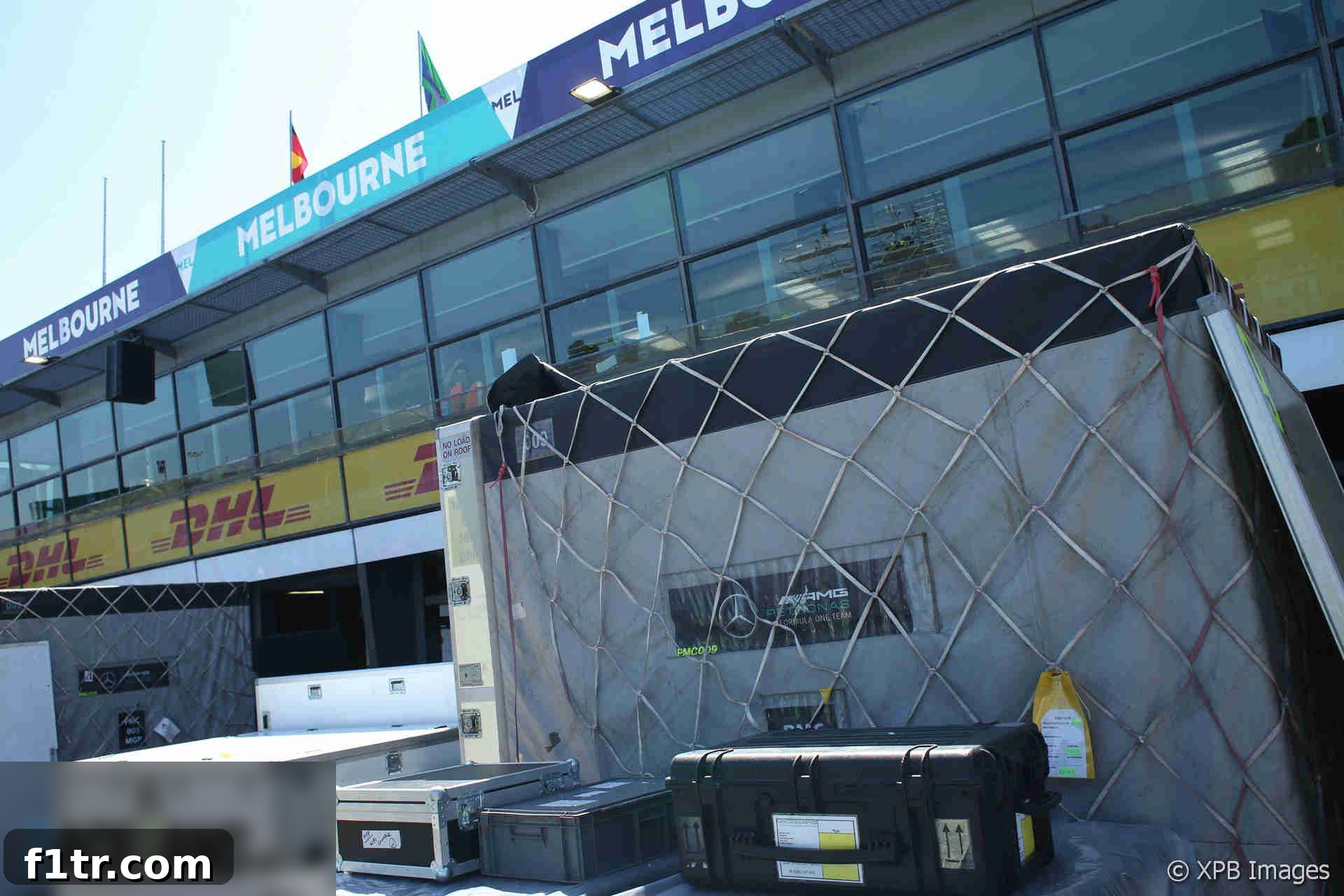
Formula 1 has taken the exceptional step of suspending its strict curfew rules for the upcoming Australian Grand Prix. This unprecedented decision comes in response to significant travel and freight disruptions stemming from the escalating conflict in the Middle East. The move aims to provide teams with much-needed flexibility to manage the complex logistics of transporting personnel and vital equipment halfway across the globe, ensuring smooth preparations for the highly anticipated race weekend in Melbourne.
Understanding Formula 1’s Curfew Regulations
Formula 1’s curfew system is a cornerstone of its efforts to promote staff well-being and control escalating costs within the sport. Introduced to prevent teams from working excessive hours on their cars during race weekends, these regulations impose strict “restricted periods” during which designated operational and training personnel are prohibited from being present in the garage or working on the vehicles. These rules are crucial for maintaining a sustainable working environment and preventing a competitive arms race in terms of human resources and potential fatigue among team members.
Typically, a Grand Prix weekend includes three distinct restricted periods. The first, officially known as ‘Restricted Period 1’, usually falls on Wednesday evening, marking the initial setup phase. This is followed by ‘Restricted Period 2’ on Thursday evening, a critical time for final preparations before the cars hit the track for practice sessions. A third restricted period typically occurs between the second and third practice sessions on Saturday, ensuring teams have a mandatory rest before qualifying and the race. These curfews are fundamentally designed to ensure that all team members get adequate rest, fostering a healthier and more humane work-life balance in what is undoubtedly a demanding and high-pressure industry.
The rules explicitly specify that a certain number of staff members, often around 60 “Operational Personnel” and an additional 16 designated as “Training Personnel,” are subject to these stringent restrictions. These individuals are directly involved in the preparation, assembly, maintenance, and strategic adjustments of the race cars. Conversely, drivers, along with team members engaged in media relations, marketing, hospitality, or other non-car-related functions, are generally exempt from these specific curfew regulations, allowing them to fulfill their broader responsibilities throughout the event without impediment.
Australian GP Curfew Suspension: A Force Majeure Decision
In an official communication issued on Wednesday, the FIA (Fédération Internationale de l’Automobile), the sport’s global governing body, formally advised all Formula 1 teams of the temporary suspension of ‘Restricted Period 1’ and ‘Restricted Period 2’. This means the typical 13-hour and 14-hour curfews that would normally apply on Wednesday and Thursday evenings, respectively, will not be enforced for the Australian Grand Prix. This waiver grants teams unprecedented flexibility during the crucial initial setup days.
Race director Rui Marques communicated this significant decision to the teams, stating, “We wish to inform you that, following consultation with the stewards of the meeting, due to force majeure and specifically ongoing travel and freight disruptions experienced in the preparation of the Australian Grand Prix, the provisions of Article B9.5.1a i.e. ‘Restricted Period 1’ and Article B9.5.1b i.e. ‘Restricted Period 2’ shall not apply at this Competition.” This clear directive underscores the extraordinary circumstances necessitating the rule change.
The term “force majeure” is a legal concept referring to unforeseeable circumstances that prevent someone from fulfilling a contract or obligation, in this case, adhering to the standard sporting regulations. For Formula 1, which relies heavily on precise logistical planning to transport vast amounts of equipment and hundreds of highly skilled personnel across continents within incredibly tight deadlines, major global disruptions like regional conflicts can severely impede operations. The invocation of force majeure highlights the extraordinary severity of the challenges faced by teams in ensuring their full readiness for competition at the Albert Park circuit.
It’s important to note that while the first two restricted periods have been lifted, the FIA has confirmed that there are currently no announced changes to the third ‘Restricted Period’. This 14-hour curfew, typically observed between the second and third practice sessions on Saturday, remains in effect. This means teams will still have a mandatory rest period during the core of the race weekend, balancing operational flexibility with continued commitment to staff welfare. Under normal circumstances, teams are granted a limited number of exceptions to the curfews – typically six for period one, five for period two, and four for period three – allowing for unforeseen issues or strategic planning. The complete lifting of the curfews for Periods 1 and 2 effectively grants an unlimited exception for those initial critical setup days, a testament to the scale of the logistical challenges.
Middle East Conflict: The Root Cause of Disruption
The catalyst for these significant logistical hurdles and the subsequent curfew suspension is the rapidly escalating conflict in the Middle East. Recent geopolitical developments, including strikes launched by various international actors, followed by retaliatory actions, have unfortunately created a volatile and unpredictable security situation across several countries in the region. This widespread unrest has directly impacted international air travel routes, leading to widespread flight cancellations, diversions, and significant delays for both vital cargo and essential passenger flights.
For Formula 1, a truly global sport with an unparalleled logistical footprint, these disruptions are particularly challenging. Teams operate on incredibly tight schedules, with their intricate equipment, state-of-the-art machinery, and hundreds of personnel often moving from one continent to another within a matter of days. The F1 paddock itself is akin to a constantly moving city, requiring hundreds of tons of freight, including meticulously engineered car components, specialized garage equipment, crucial spare parts, and elaborate hospitality structures, to be transported globally. Any interruption to the delicate balance of air freight or passenger travel can cascade into massive delays, severely jeopardizing a team’s ability to be fully assembled, prepared, and operational for a race weekend.
The impact of the conflict has already been felt directly within the intricate F1 ecosystem, serving as a stark warning of what was to come. A planned F1 tyre test, which was scheduled to take place in Bahrain at the weekend and in which Mercedes was a key participant, had to be canceled entirely. This incident served as a stark precursor to the broader logistical issues now affecting the Australian Grand Prix preparations, unequivocally highlighting the immediate and tangible consequences for the sport’s operational capabilities and scheduling.
Team Principals Voice Concerns Amidst Geopolitical Tensions
The profound human element of these geopolitical tensions has been a major concern voiced across the F1 paddock. Mercedes team principal Toto Wolff articulated this sentiment with gravity, emphasizing the seriousness of the situation beyond the competitive realm of sport. “With the ongoing situation in the Middle East, it seems trivial to talk about sport,” Wolff stated, underscoring the collective concern for global events that transcend the racetrack.
He further elaborated on the direct impact this volatile environment had on his own team, confirming that several Mercedes personnel had been directly affected by the situation in Bahrain related to the previously canceled tyre test. “We watch the developing events in the region with concern and hope that the protection of civilian life remains paramount,” Wolff added, reflecting a broader humanitarian perspective that is widely shared by many within the sport’s community. He also noted, with evident relief, that affected team members had “thankfully have now been able to leave the country safely,” highlighting the immediate personal risks involved.
Wolff, adopting a prudent and measured tone, consciously avoided speculating on the future impact on Formula 1’s intricate calendar, acknowledging the unpredictable and fluid nature of the international situation. “With such a serious situation unfolding, it would be unhelpful to talk about the possible further impact on F1 over the coming weeks; we know that the FIA and F1 will continue to monitor events and make the necessary and correct decisions as and when they need to,” he concluded. This cautious and responsible approach is indicative of the fluid nature of international relations and the absolute necessity for constant vigilance and adaptive decision-making by major sporting bodies.
The ripple effects of the conflict extend far beyond just Formula 1, illustrating a wider challenge for international sports. The FIA’s World Endurance Championship (WEC), another major global motorsport series, has already been forced to call off its season-opening race. The highly anticipated event, originally scheduled for March 28th at the Losail International Circuit in Qatar, was cancelled due to the same regional instability and overriding logistical concerns. This significant cancellation sets a troubling precedent and unequivocally underscores the inherent vulnerability of major international sporting events to complex geopolitical crises and their ensuing disruptions.
Uncertainty Looms Over Future F1 Races in the Middle East
Perhaps the most pressing question for Formula 1’s immediate future concerns its upcoming races scheduled to take place in the Middle East region. The current championship calendar includes the Bahrain Grand Prix on April 12th, followed swiftly by the Saudi Arabian Grand Prix on April 19th. These two events are critical components of the early season schedule, shaping the initial narrative of the championship, and their viability is now understandably under intense scrutiny and careful consideration.
The geographical proximity of these races to the affected region, coupled with the previous cancellation of the Bahrain tyre test and the WEC event in Qatar, raises serious and legitimate questions about the feasibility of proceeding with these events as originally planned. Both Bahrain and Saudi Arabia represent significant logistical undertakings, involving the considerable travel of thousands of team personnel, support staff, media, and enthusiastic fans. The safety and security of all participants, spectators, and local personnel are paramount, and the FIA and Formula 1 management are undoubtedly engaged in continuous, high-level discussions and rigorous monitoring of the evolving security situation.
While no official statements regarding these two specific Grand Prix events have been made beyond Toto Wolff’s prudent comments, the entire motorsport world watches with bated breath, awaiting further updates. Any decision regarding potential postponements, outright cancellations, or even the relocation of these races would have profound and far-reaching implications for the championship calendar, complex team logistics, and indeed, the financial health and scheduling integrity of the sport. Formula 1’s rich history includes instances of races being cancelled or postponed due to political unrest, global health crises, or other extraordinary circumstances, demonstrating the sport’s historical readiness to adapt when faced with truly exceptional events. The primary focus remains firmly on safeguarding the integrity of the sport while unequivocally prioritizing the well-being and security of its global community.
Formula 1’s Commitment to Adaptation and Safety
The decisive suspension of curfew rules for the Australian Grand Prix serves as a clear and unequivocal indication of Formula 1’s proactive and flexible approach to mitigating the unavoidable impact of external global events. By granting teams crucial additional time and operational flexibility, the sport aims to ensure that all competitors can adequately prepare, thereby maintaining the fundamental integrity and competitive spirit of the racing. This significant decision, driven by considerations of force majeure, underscores the incredibly complex and dynamic challenges faced by an international sport that operates on a truly global stage, constantly navigating unforeseen circumstances.
As the challenging situation in the Middle East continues to evolve and develop, the FIA and Formula 1 will undoubtedly remain vigilant, continuously monitoring events and making informed decisions that prioritize the paramount safety and operational viability of all upcoming events on the international calendar. The entire motorsport community, while passionately focused on the thrill of competition and the pursuit of excellence, also demonstrates a profound and commendable awareness of broader world affairs and the imperative to act responsibly and decisively in times of global crisis, putting human well-being above all else.
Related Formula 1 News and Analysis
- Briatore “not happy at all” with Alpine’s “very weak” performance
- Drivers want rules changes to cut “dangerous” risk of crash at start
- Russell becomes the 68th different Formula 1 driver to lead the world championship
- Hadjar told Red Bull his car’s performance was “embarrassing” and “just c***”
- “How did you not call the pit?” Ups and downs in Hamilton’s first race with new engineer
Explore more articles from the 2026 Australian Grand Prix