In a rare display of unity and urgent concern for the sport’s future, the ten Formula 1 team principals convened a special meeting in the Mercedes motorhome at Suzuka. The primary agenda was singular and pressing: to discuss tangible strategies for “improving the show.” This unprecedented gathering, held without the usual presence of FIA or FOM representatives, underscored a growing apprehension within the paddock regarding the current state and long-term appeal of the world’s premier motorsport.
The Urgent Quest for a Better Spectacle: Formula 1’s Critical Crossroads
Formula 1, often hailed as the pinnacle of motorsport, has in recent years faced increasing scrutiny over the quality of its on-track product. Critics, fans, and now even the teams themselves, point to a perceived lack of excitement, predictable race outcomes, and a decline in thrilling wheel-to-wheel battles. This collective concern culminated in the Suzuka meeting, a candid exchange among the sport’s most influential figures on how to inject more unpredictability and excitement into Grand Prix racing.
Otmar Szafnauer, Team Principal of Force India, elaborated on the meeting’s focus, describing it as a frank “talk about the state of Formula 1 and how we’re going to improve it.” He highlighted that while racing has undoubtedly improved in certain aspects, there remains significant room for enhancement. The central theme emerging from these discussions revolved around strategies to encourage more varied and dynamic approaches during races, moving away from the often processional nature that has characterized many recent events.
Unanimous Consent: The Drive for Strategic Diversity
One of the key areas identified for immediate improvement was the encouragement of diverse race strategies. The team principals reached a unanimous agreement that greater variation in tactical approaches would undoubtedly lead to more engaging and unpredictable races. Szafnauer lamented the current trend where “everyone tends to the same strategy now,” a stark contrast to earlier eras of Formula 1 where differing pit stop windows, tyre choices, and fuel loads frequently shuffled the running order and created thrilling narratives.
The vision articulated was one where teams might pursue different pit stop strategies – some opting for a single stop, others for two, or even three – thus creating genuine strategic dilemmas and opportunities throughout the race. Such variations would force drivers to adapt, push their tyres, and engage in more overtakes, ultimately delivering a more compelling spectacle for fans globally. The objective is to engineer scenarios where teams are incentivized, rather than penalized, for deviating from the optimal, often singular, strategy.
The Pirelli Predicament: Balancing Degradation with Durability
Central to the discussion on strategic variation was the role of Formula 1’s official tyre supplier, Pirelli. The teams explored the possibility of asking Pirelli to develop much softer tyres that degrade more quickly. This concept is not new; indeed, Lewis Hamilton had earlier today called on Pirelli to make significantly softer compounds for 2019 precisely to foster more varied strategies and prevent the “ridiculous one-stop races.”
However, Szafnauer shrewdly pointed out the historical challenges associated with this approach. He recalled a period when Pirelli, at the behest of former F1 supremo Bernie Ecclestone, specifically designed tyres with high degradation. While this initially led to more split strategies and exciting races, it also drew considerable criticism from teams and drivers who complained about the tyres’ fragility and the perceived inability to push hard throughout a stint.
“At the beginning Pirelli did what Bernie [Ecclestone] asked: high tyre degradation. Then people split strategies and we all said bad things about Pirelli,” Szafnauer explained, highlighting the Catch-22 situation. “So the key is to ask Pirelli to do the same but don’t say bad things. That’s what we really want.” He further emphasized the paradox: “We asked Pirelli to do something, they do it, and then we slag them off. That can’t be right. So if we’re asking them to do that we should not slag them off if they deliver.” This sentiment underscores a crucial demand for collective responsibility and a more constructive working relationship between the teams and the tyre manufacturer moving forward.
Voices from the Paddock: Reinforcing the Entertainment Imperative
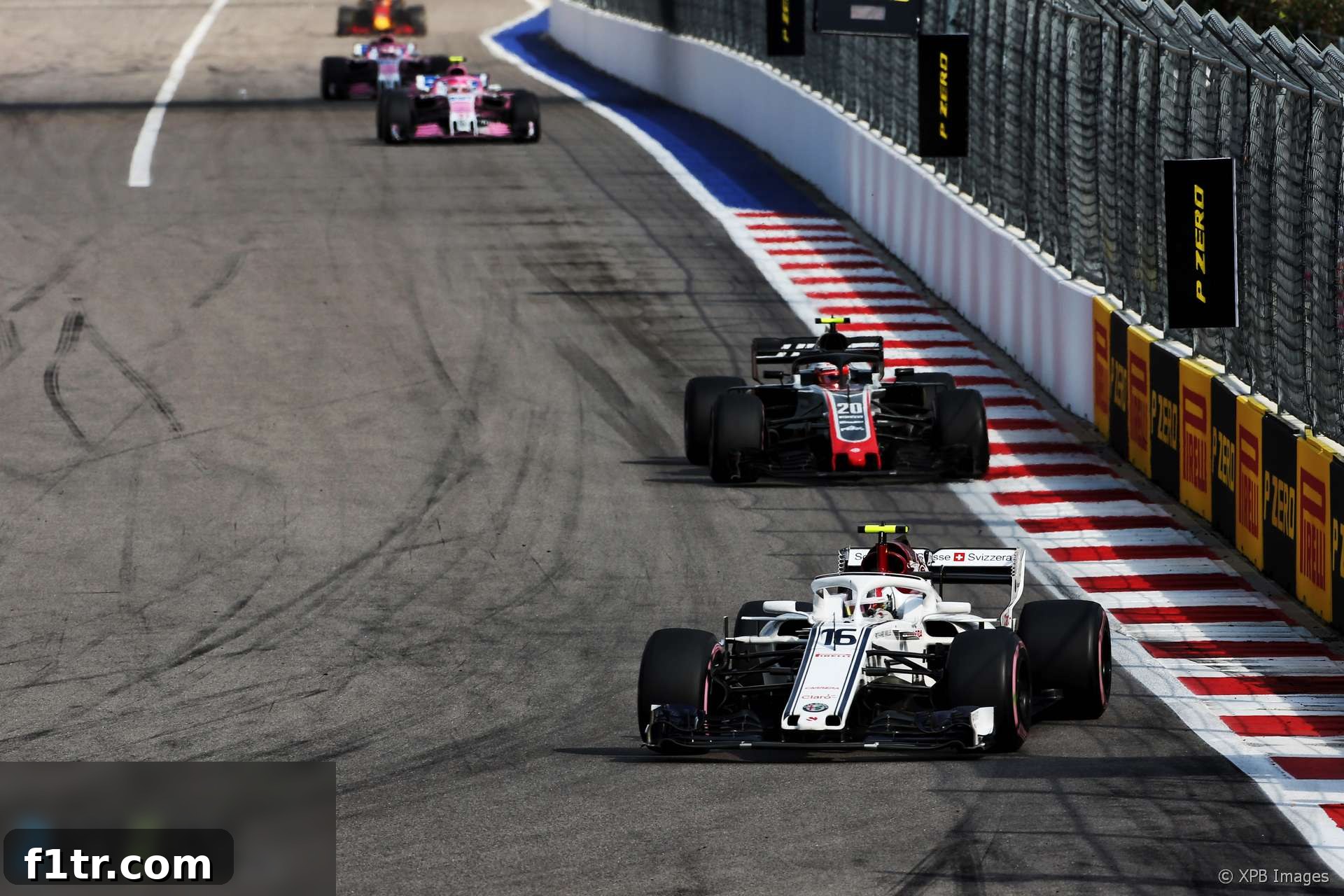
The call for a better show was echoed by other prominent figures in the F1 paddock. Speaking in today’s FIA press conference, Sauber team principal Frederic Vasseur referenced the preceding week’s race as a stark example of F1’s current challenges. “It’s quite obvious that we need to improve the show,” he stated bluntly. “That Sochi was a race with less than five overtakes – if I don’t consider the two Red Bulls, [they] won’t start from the back every single weekend.” Vasseur’s comments highlighted the alarming lack of on-track action and the increasing predictability that can render races uninspiring, even for ardent fans.
Red Bull team principal Christian Horner amplified this perspective, articulating the fundamental purpose of Formula 1 as a global spectacle. “Formula 1 ultimately is a show,” he affirmed. “It’s entertainment, and to be entertaining the racing has to be good, the drivers have to be the heroes and I think we need to improve the spectacle of what we currently have.” Horner’s emphasis on drivers as “heroes” points to a desire for races where individual brilliance and daring overtakes are paramount, rather than outcomes dictated by sophisticated simulations and predetermined strategies. The sport needs characters, drama, and moments that transcend the technicalities and capture the imagination of a wider audience.
Beyond the Track: The Economic Imperative for Change
While the immediate focus of the meeting was on enhancing the on-track product, the underlying motivations ran deeper. It is widely understood that concerns over F1’s declining television audiences and, consequently, teams’ earnings projections were significant catalysts for this unprecedented gathering. A sport that struggles to captivate its audience will inevitably see its commercial value diminish, impacting everything from sponsorship deals to prize money distributed to the teams.
The team principals recognize that a healthier, more exciting “show” directly translates into increased fan engagement, higher viewership figures, and ultimately, a more robust financial ecosystem for all stakeholders. The meeting, therefore, was not merely about sporting integrity but also about securing the long-term economic viability and global appeal of Formula 1 in an increasingly competitive entertainment landscape. The collective agreement to address these issues marks a crucial turning point, signaling a shared understanding that the sport’s future prosperity hinges on its ability to consistently deliver thrilling, unpredictable entertainment.
Looking Ahead: Collaboration Over Conflict
This was the first time all F1 teams had met together in 12 months, prompting speculation about a potential resurgence of the Formula One Teams Association (FOTA), which officially disbanded in 2014. FOTA had previously served as a powerful collective voice for the teams, advocating for their interests in negotiations with the sport’s commercial rights holder and governing body. However, Szafnauer swiftly dismissed such possibilities, stating, “I don’t think so. It wasn’t that inclined.” This suggests that while there is a strong desire for collaborative problem-solving, the teams are not necessarily looking to recreate a formal, potentially adversarial, political body. Instead, the current approach appears to be a more direct, pragmatic effort to find common ground on critical sporting issues.
The Road Ahead for Formula 1: A Call to Action
The Suzuka meeting represents a significant moment for Formula 1. It signifies a collective acknowledgement from the sport’s key players that the status quo is unsustainable and that proactive measures are required to secure its future. The discussions, particularly around strategic diversity and the nuanced relationship with Pirelli, highlight the complex interplay of technical regulations, sporting spectacle, and commercial imperatives.
For Formula 1 to thrive, it must continually evolve and adapt to fan expectations while staying true to its DNA of innovation and speed. The unified front presented by the team principals in Suzuka offers a hopeful glimpse into a future where collaboration transcends individual team rivalries for the greater good of the sport. The challenge now lies in translating these discussions into concrete actions, ensuring that the spectacle on track consistently lives up to Formula 1’s legendary reputation as the pinnacle of global motorsport. Only then can the sport truly reclaim its position as a universally adored, unpredictable, and endlessly thrilling entertainment phenomenon.