Formula 1 Navigates Uncharted Waters: Empowered to Reshape 2020 Calendar and Defer Major Rule Changes
The year 2020 cast an unprecedented shadow over global sports, and Formula 1, with its inherent reliance on international travel and grand public spectacles, found itself at a critical juncture. Faced with the widespread disruption caused by the COVID-19 pandemic, the sport’s governing bodies, Formula 1 management and the Fédération Internationale de l’Automobile (FIA), embarked on a series of decisive actions. These measures, taken in close collaboration with the ten competing teams, aimed not only to salvage the highly anticipated 2020 championship but also to safeguard the financial health and long-term viability of the pinnacle of motorsport.
At the core of these urgent adaptations lies a revolutionary shift in how the Formula 1 calendar would be managed. In a move reflecting the extraordinary circumstances, Formula 1 and the FIA were granted the authority to unilaterally revise the 2020 race schedule, effectively bypassing the traditional requirement for team approval. This pivotal decision, a stark departure from decades of protocol, was deemed absolutely essential for navigating the intensely volatile environment, an environment that had already forced the cancellation or postponement of the initial seven races on the original 2020 fixture list.
Unprecedented Flexibility for the 2020 Calendar
Under normal circumstances, the Formula 1 Sporting Regulations meticulously outline the process for calendar finalisation. Article 5.5 explicitly states that “the final list of Events is published by the FIA before 1 January each year.” This regulation has historically ensured predictability and stability, allowing teams, sponsors, and fans to plan effectively for a season that spans multiple continents and countless logistical challenges. The pre-determined nature of the calendar has always been a cornerstone of Formula 1’s operational framework.
However, the rapid global spread of COVID-19 rendered this rigid approach unsustainable. With nations enforcing lockdowns, imposing stringent travel restrictions, and grappling with public health emergencies, the prospect of holding races became increasingly uncertain. Recognising the gravity of the situation, a crucial meeting was convened between Formula 1, the FIA, and all the participating teams. At this meeting, a unanimous consensus was reached: the sport’s leaders would be empowered to reconfigure the calendar as needed, without the protracted process of securing formal team approval for each amendment.
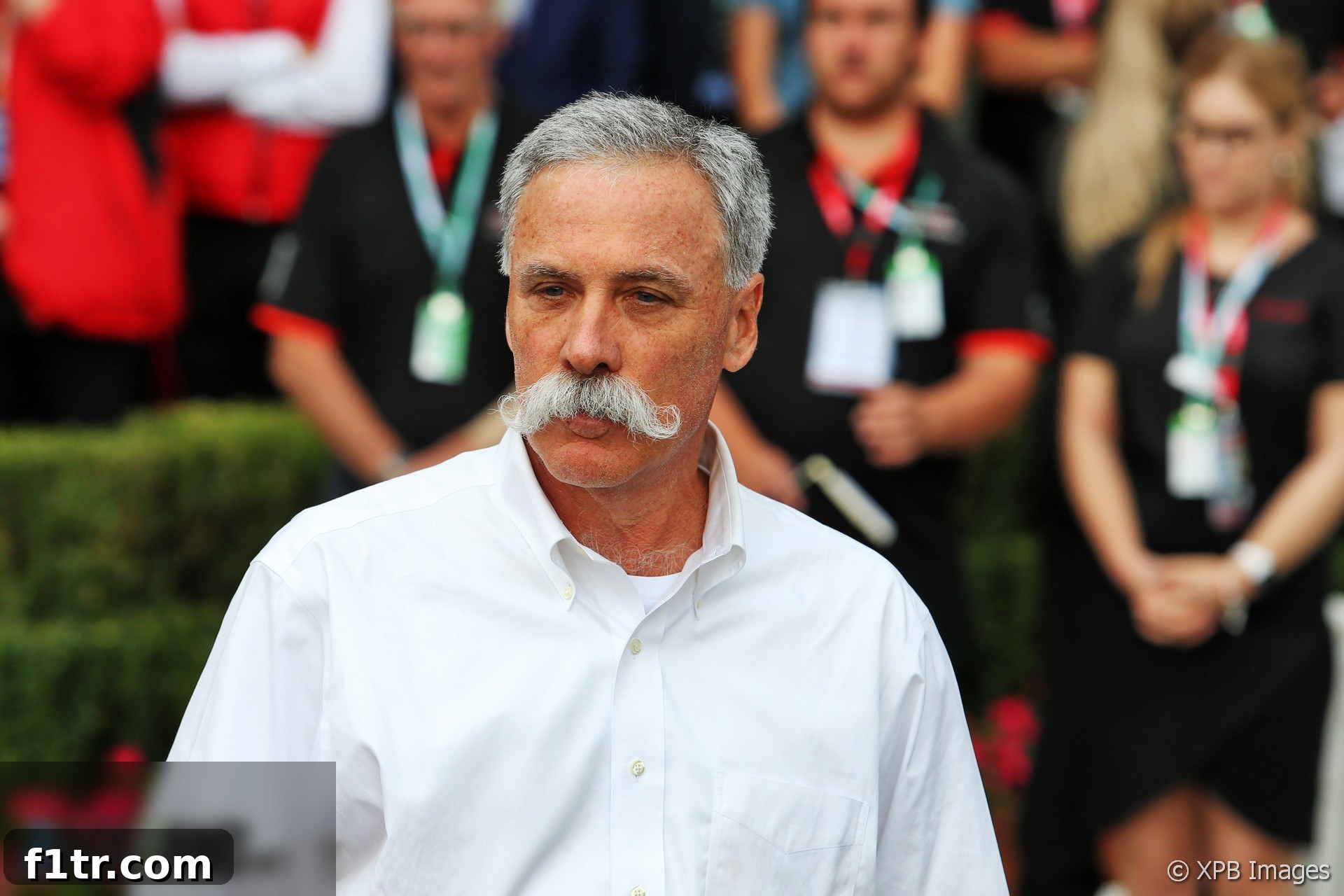
Chase Carey, who was then the CEO of Formula 1, elaborated on the rationale behind this groundbreaking agreement. He stated, “During this exceptional time and following several race postponements and the World Motorsport Council’s (WMSC) unanimous decision to move the Formula 1 summer break forward to March and April, we and the FIA discussed with the teams the need for extra flexibility to accommodate a rescheduled season once the COVID-19 situation improves.” Carey further highlighted the unified support from all parties, confirming that “at the meeting there was full support for the plans to reschedule as many of the postponed races as possible as soon as it is safe to do so.” This underscores the collective urgency and determination to get racing back on track.
The Strategic Value of Centralized Calendar Control
The ability for Formula 1 and the FIA to make swift, unilateral calendar adjustments carries profound implications. Firstly, it provides the agility necessary to respond to the continually shifting global health landscape. As travel restrictions ease or tighten, and as specific venues become available or unavailable, the sport can now adapt with unparalleled speed. This enhanced responsiveness dramatically increases the chances of completing a viable championship season, an outcome crucial for contractual obligations with broadcasters and sponsors, and for maintaining fan engagement worldwide.
Secondly, this centralised authority streamlines the complex process of negotiation with race promoters and host governments. Instead of navigating an internal approval process with ten different teams for every potential date change, Formula 1 and the FIA can work directly and efficiently with external stakeholders. This facilitates the intricate logistics involved in rescheduling, including securing circuit availability, aligning with local health and safety protocols, and coordinating international travel for the thousands of personnel and tonnes of equipment required for each Grand Prix.
This flexibility also opened the door to creative scheduling solutions, such as implementing condensed race weekends, hosting “double-headers” at the same circuit (running two Grands Prix in quick succession), or grouping races regionally to minimise travel risks and costs. While teams would still be consulted and kept informed of calendar revisions, the removal of their formal veto power ensures that critical decisions can be made with the necessary speed and decisiveness. This collective agreement thus demonstrated a powerful unity across the sport, prioritising safety and the continuity of the championship above all else, while still striving to deliver thrilling competition.
Postponement of Major Technical Regulations: A Financial Lifeline
Beyond the immediate challenge of the racing schedule, Formula 1 was also on the cusp of introducing its most radical technical regulation changes in decades, originally planned for the 2021 season. These new rules, developed over several years, were designed to fundamentally alter the sport’s aerodynamic philosophy, aiming for closer racing, increased overtakes, and a more equitable playing field. However, in another unanimous and pivotal decision, the implementation of these eagerly anticipated regulations was deferred until 2022.
Chase Carey officially confirmed this deferral, stating, “It was agreed unanimously at the meeting that the implementation of the technical regulations due to take effect from the 2021 season will be postponed until 2022.” The primary driver behind this significant postponement was the severe financial pressure exerted on all teams by the pandemic. With a drastically reduced race calendar impacting prize money, sponsorship deals under review, and general economic uncertainty, teams were facing unprecedented revenue shortfalls. Developing an entirely new generation of Formula 1 cars for 2021 would have demanded colossal investment at a time when preserving cash flow was paramount for survival.
The 2020 Chassis Freeze: An Essential Cost-Saving Measure
A cornerstone of this strategic deferral was the agreement for teams to carry over and utilise their 2020 chassis for the 2021 season. This “chassis freeze” represents a direct and substantial cost-saving initiative. The design, development, and manufacturing of a new chassis is one of the single largest expenditures for any Formula 1 team. By effectively mandating the use of the previous year’s chassis, teams could immediately alleviate a significant portion of their development budgets for the upcoming season, allowing them to conserve vital resources during this period of financial uncertainty.
Furthermore, the door was left open for the “potential freezing of further components to be discussed in due course.” This proactive approach signaled a commitment to exploring additional cost-saving measures beyond the chassis, potentially extending to other expensive areas of car development such as gearboxes, suspension systems, or even specific aerodynamic components that require significant research and development. Such widespread component freezing is crucial for safeguarding the long-term financial health of all teams, especially the smaller, independent outfits that operate on tighter margins and are particularly vulnerable to economic downturns.
Financial Regulations Remain on Track: A Commitment to Sustainability
While the technical regulations were paused, it is highly significant that Formula 1’s new Financial Regulations, particularly the hotly debated budget cap, remained steadfastly on schedule for introduction in 2021. This deliberate distinction underscores the sport’s unwavering dedication to its long-term vision of fostering a more financially sustainable and competitively balanced championship.
The budget cap, designed to limit team spending to a predetermined figure (initially set at $175 million, although subsequently lowered further), is widely regarded as a pivotal mechanism for improving competitive parity and ensuring that a wider range of teams can realistically contend for victories and championships. The decision to proceed with these financial controls as planned, even amidst the profound economic disruptions of the pandemic, sent a clear and powerful message: Formula 1 is committed to addressing historical spending disparities and cultivating a healthier, more equitable economic environment for all participants. If anything, the global crisis underscored the urgent necessity for such robust financial governance to future-proof the sport.
A United Front: Collaboration in Crisis
The remarkable consensus achieved on these far-reaching changes—the radical calendar flexibility, the strategic deferral of technical regulations, and the crucial chassis freeze—stands as a profound testament to the spirit of collaboration within the Formula 1 paddock. Chase Carey himself expressed deep gratitude for this unity, commending “the collaborative nature of the discussions and fully united approach from all parties to get racing in 2020 as soon as the current global situation subsides.”
This collective willingness to adapt, to compromise, and to work cohesively towards shared objectives during a period of immense uncertainty speaks volumes about the sport’s inherent resilience. It highlights a common understanding that the survival, stability, and future success of Formula 1 are inextricably linked to solidarity and pragmatic decision-making, particularly when confronted with challenges of this unprecedented magnitude. Teams, typically fierce adversaries on the track, demonstrated an extraordinary capacity to unite off it, understanding that the extraordinary times demanded extraordinary measures to secure the championship’s future.
The Road Ahead: Challenges and Resilient Optimism
Despite these decisive and proactive measures, the path forward for the 2020 Formula 1 season remained fraught with significant uncertainty. The ability to stage any races at all was, and continues to be, contingent on the evolving global health situation, the development and distribution of vaccines, and the gradual easing of international travel restrictions. The concept of “ghost races”—events held without the presence of live spectators—became a tangible reality, raising new questions about fan engagement, the unique atmosphere that crowds bring to the sport, and the economic impact on host cities.
Nevertheless, the foundational decisions made by Formula 1 and the FIA, buoyed by the unanimous support of all participating teams, established a robust framework for a potential return to racing. The unwavering focus remained on launching a 2020 season as soon as it could be safely and logistically executed. The profound adaptations implemented during this period of crisis are poised to leave a lasting legacy on how Formula 1 operates, potentially ushering in a new era characterised by greater operational agility, enhanced financial prudence, and a deeper, more ingrained spirit of collaborative governance.
In conclusion, the sweeping changes endorsed by Formula 1 and the FIA—including the critical empowerment to unilaterally reshape the 2020 calendar and the strategic deferral of revolutionary new technical rules—underscore an extraordinary and determined effort to navigate a truly unprecedented global crisis. These measures, born out of immediate necessity and driven by a powerful spirit of collective collaboration, were meticulously designed to preserve the integrity and spectacle of the championship, to protect the financial health of the entire sport, and ultimately, to ensure that Formula 1 can continue to deliver the unparalleled thrill and excitement that millions of fans around the world eagerly anticipate.