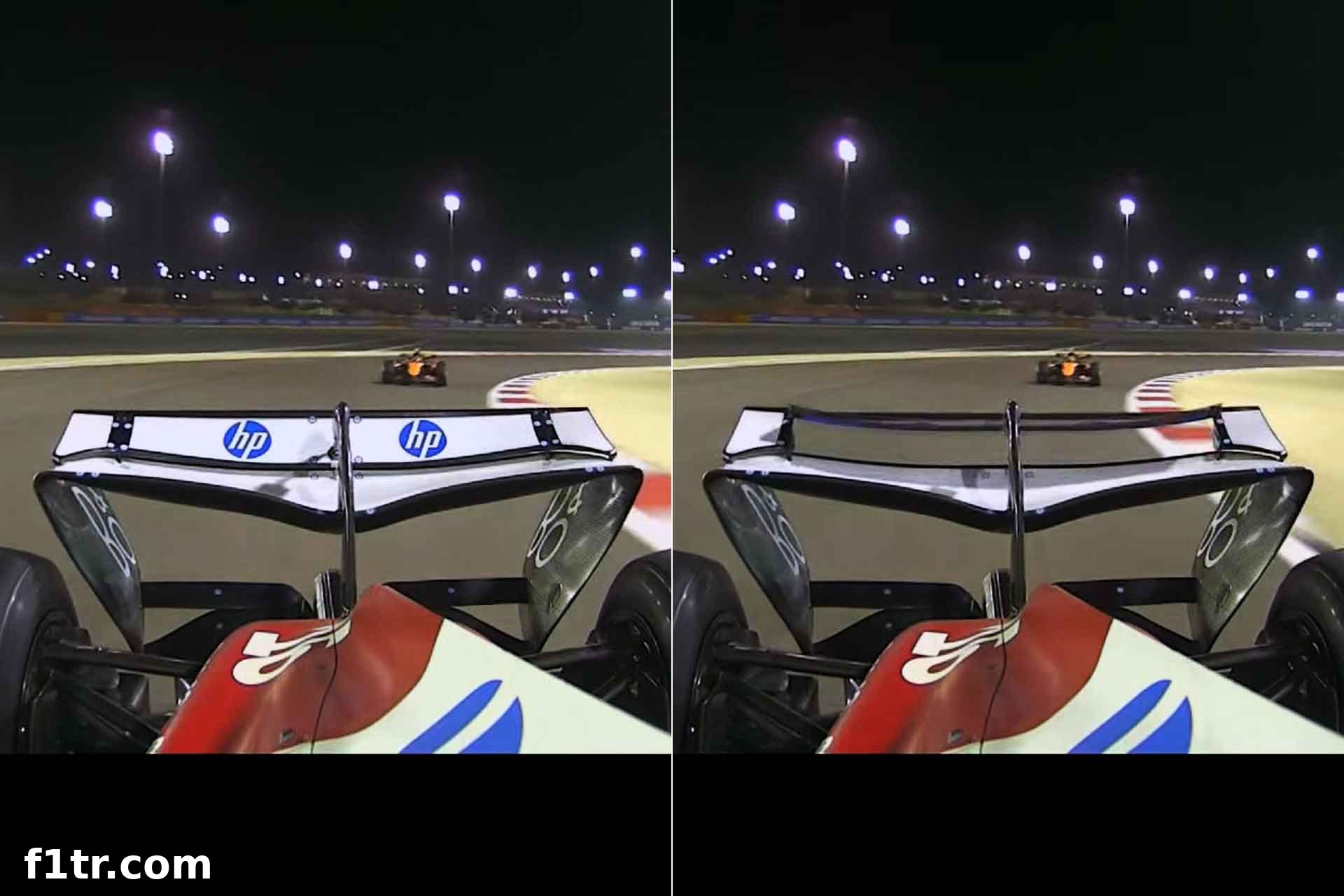
Bahrain Grand Prix DRS Drama: Unpacking Russell and Leclerc’s Unexpected Wing Incidents
The exhilarating world of Formula 1 is often a blend of cutting-edge technology, strategic brilliance, and human error. However, sometimes, the unexpected happens, turning a seemingly straightforward race into a dramatic spectacle. Such was the case at the recent Bahrain Grand Prix, where a series of highly unusual events unfolded around the Drag Reduction System (DRS), impacting not one, but two prominent drivers: George Russell of Mercedes and Charles Leclerc of Ferrari. This incident sparked confusion, raised safety concerns, and ultimately led to a rare intervention from race control, highlighting the complex interplay between technology, regulations, and driver intuition in motorsport’s pinnacle series.
The Critical Role of DRS in Modern F1
For those unfamiliar, the Drag Reduction System, or DRS, is a movable rear wing flap designed to aid overtaking in Formula 1. Introduced in 2011, its primary purpose is to reduce aerodynamic drag on a car, allowing for higher straight-line speeds and theoretically making it easier for a pursuing driver to pass a competitor. The system is highly regulated: drivers can only activate DRS in designated “DRS zones” on a circuit, and typically, only if they are within one second of the car ahead at a specific “detection point.” This automated system relies on precise telemetry and transponder data to ensure fair play and safety, automatically deactivating the wing outside of the permitted zones or when braking.
However, the Bahrain Grand Prix saw this intricate system behave in ways no one anticipated, forcing a manual override that sent ripples of confusion through the paddock and on the track. The initial catalyst for this extraordinary measure was a technical issue with George Russell’s Mercedes car.
George Russell’s Transponder Trouble: The Root Cause
The drama began with George Russell’s car, which experienced a failure of its crucial transponder. A transponder is a small electronic device that communicates critical data to race control, including a car’s exact position on the track, its speed, and crucially for DRS, its proximity to other vehicles. Without a functioning transponder, the automated DRS system cannot accurately determine if Russell is in a DRS zone or within the one-second detection window of a rival. This malfunction effectively meant that Russell would be unable to use his DRS legitimately, putting him at a significant disadvantage in a sport where every tenth of a second counts.
Faced with a system failure that compromised fair competition, race control made a swift and decisive call: to grant full manual control over DRS activation to Russell and, in an effort to maintain fairness across the grid, several other drivers. This was an exceptionally rare directive, fundamentally altering the standard operating procedure for a key aerodynamic aid. While drivers were now empowered to activate their DRS at will, they were still strictly bound by the original F1 regulations regarding its use – a critical nuance that would later become central to Russell’s investigation.
Charles Leclerc’s Shocking Moment: “What the hell have you done?”
Unbeknownst to Charles Leclerc, his Ferrari was among the cars granted manual DRS control. The implications of this change became terrifyingly clear to the Monegasque driver on lap 48 of the race. As he navigated the high-speed Turns 11 and 12 – a section of the track where aerodynamic stability is paramount – his DRS unexpectedly opened. The sudden and uncommanded activation of the DRS in a corner dramatically reduces downforce, making the car incredibly unstable and notoriously difficult to control. It was a heart-stopping moment for Leclerc, who initially believed there was a catastrophic failure with his car.
His immediate reaction, broadcast across the global airwaves, was one of profound shock and frustration. “What the hell have you done? Why do I have DRS on all the time now?” he demanded of his race engineer, Bryan Bozzi, as soon as he reached the relative safety of the next straight. The stark disconnect between driver and race control was evident: Leclerc had no prior knowledge of the manual override and was simply reacting to a potentially dangerous malfunction from his perspective.
Bozzi quickly clarified the situation, explaining the transponder issues and race control’s decision. However, the engineer also had to remind Leclerc of a critical caveat: despite having manual control, the F1 rules for DRS usage remained in effect. This meant that Leclerc could only deploy his DRS if he was within a second of a car ahead and within the prescribed activation zones. This instruction placed an enormous mental burden on the drivers, who now had to act as their own DRS automatons, constantly monitoring their delta to the car ahead while pushing the limits of their machinery.
| Lap: 49/57 LEC: 1’37.658 | |||||||||||||||||||||||||||||||||||||||||||||||||||
| Leclerc | Leclerc’s DRS opens briefly between turns 11 and 12 What the hell have you done? Why do I have DRS on all the time now? |
||||||||||||||||||||||||||||||||||||||||||||||||||
| Bozzi | Norris, 0.4 behind, do not use it. | ||||||||||||||||||||||||||||||||||||||||||||||||||
| Bozzi | So there have been issues with transponders, you can only use it when I tell you. Norris attacks Leclerc at turn four but runs off the track on the outside |
||||||||||||||||||||||||||||||||||||||||||||||||||
| Bozzi | And Norris 0.7 behind. | ||||||||||||||||||||||||||||||||||||||||||||||||||
The exchange vividly captured the unique pressures faced by drivers and engineers alike. Bozzi’s instructions were a rapid-fire sequence of critical information, reminding Leclerc not only about the overarching DRS rules but also about immediate track conditions, such as the proximity of Lando Norris. The incident involving Norris, who briefly attacked Leclerc at Turn Four, further complicated Leclerc’s concentration, as he battled a car that had just exhibited unexpected aerodynamic behavior while simultaneously processing complex manual DRS instructions.
Navigating the Rules Under Manual Override
The situation underscored the crucial role of the race engineer in such high-pressure scenarios. Bozzi became Leclerc’s “eyes and ears” for DRS, constantly relaying the required delta to the car ahead and explicitly instructing him when he could and could not use the system. This put an immense responsibility on the engineer to provide timely and accurate information, and on the driver to perfectly execute those instructions while maintaining race pace and managing tire degradation and fuel.
Charles Leclerc did not have another legitimate opportunity to use DRS until Lando Norris successfully overtook him. Once Norris was ahead and Leclerc was within the one-second window, Bozzi gave the green light. However, the window of opportunity was fleeting. As soon as Leclerc fell out of DRS range, Bozzi was quick to reiterate the instruction: “Do not use DRS. Do not use DRS.” This constant real-time monitoring and communication were essential to prevent further rule infringements, showcasing the meticulous detail required in modern Formula 1.
| Lap: 51/57 LEC: 1’37.279 | |||||||||||||||||||||||||||||||||||||||||||||||||||
| Bozzi | Norris 0.8. | ||||||||||||||||||||||||||||||||||||||||||||||||||
| Bozzi | Norris 0.6. | ||||||||||||||||||||||||||||||||||||||||||||||||||
| Bozzi | Norris 0.5, brake balance minus one. | ||||||||||||||||||||||||||||||||||||||||||||||||||
| Bozzi | Six laps to go, six laps to go. | ||||||||||||||||||||||||||||||||||||||||||||||||||
| Lap: 52/57 LEC: 1’38.423 | |||||||||||||||||||||||||||||||||||||||||||||||||||
| Bozzi | Norris passes Leclerc on the outside of turn four. Leclerc is within a second of him as they reach the next detection point Use DRS, use DRS. |
||||||||||||||||||||||||||||||||||||||||||||||||||
| Bozzi | Norris 1.5 so do not use DRS. Do not use DRS. | ||||||||||||||||||||||||||||||||||||||||||||||||||
The Investigation and the Rare No-Penalty Verdict for Russell
While Charles Leclerc managed to avoid any penalties, the situation was different for George Russell. Although Russell’s transponder issue had necessitated the manual override, he was subsequently investigated by the stewards for deploying his DRS when he should not have. This investigation prompted strategic thinking from Ferrari, as Bozzi advised Leclerc to maintain as close a gap as possible to Russell, anticipating a potential time penalty that could affect their final positions.
| Lap: 53/57 LEC: 1’37.583 | |||||||||||||||||||||||||||||||||||||||||||||||||||
| Bozzi | Russell 37.3. | ||||||||||||||||||||||||||||||||||||||||||||||||||
| Bozzi | So Russell will be investigated potentially for using DRS when he couldn’t, so let’s try and target five seconds to him, he’s 3.4. | ||||||||||||||||||||||||||||||||||||||||||||||||||
| Lap: 54/57 LEC: 1’37.794 | |||||||||||||||||||||||||||||||||||||||||||||||||||
| Bozzi | Norris has three strikes so still open. Russell 37.4 | ||||||||||||||||||||||||||||||||||||||||||||||||||
| Lap: 55/57 LEC: 1’37.586 | |||||||||||||||||||||||||||||||||||||||||||||||||||
| Bozzi | Russell 3.8, 37.4. | ||||||||||||||||||||||||||||||||||||||||||||||||||
| Bozzi | [State of charge] four. | ||||||||||||||||||||||||||||||||||||||||||||||||||
| Bozzi | We need [state of charge] four. Gap to Russell 3.9. | ||||||||||||||||||||||||||||||||||||||||||||||||||
| Lap: 56/57 LEC: 1’37.666 | |||||||||||||||||||||||||||||||||||||||||||||||||||
| Bozzi | Russell 37.4, 4.0 ahead. | ||||||||||||||||||||||||||||||||||||||||||||||||||
| Lap: 57/57 LEC: 1’38.273 | |||||||||||||||||||||||||||||||||||||||||||||||||||
| Bozzi | And last lap, gap to Russell 3.9, 37.8. | ||||||||||||||||||||||||||||||||||||||||||||||||||
| Chequered flag | |||||||||||||||||||||||||||||||||||||||||||||||||||
| Bozzi | And Russell 4.1 Reminder, pick up. Charge button on. | ||||||||||||||||||||||||||||||||||||||||||||||||||
| Leclerc | Any news of penalties? | ||||||||||||||||||||||||||||||||||||||||||||||||||
| Leclerc | No, no news. No news for now. We just told you the gap. We’ll see later. | ||||||||||||||||||||||||||||||||||||||||||||||||||
Ultimately, despite the stewards ruling that Russell did use DRS when he shouldn’t have, he was not penalized. This decision was notably rare, as DRS infringements typically result in penalties. The stewards likely considered the exceptional circumstances: a systemic failure that forced race control’s hand, the lack of malicious intent from Russell, and possibly the limited performance advantage gained due to the nature of the malfunction. It was later revealed that Russell’s transponder was so severely damaged – described as ‘frazzled and charred’ – that it physically prevented his automated DRS system from working, bolstering the argument for leniency.
Implications and Lessons Learned
The Bahrain Grand Prix DRS incidents serve as a potent reminder of the fragility of even the most sophisticated systems in Formula 1. They highlight several critical aspects of the sport:
- Technological Reliance and Failures: Modern F1 cars are marvels of engineering, but their reliance on interconnected systems means a single component failure, like a transponder, can have widespread and unexpected consequences.
- Race Control’s Dynamic Role: The incident demonstrated race control’s crucial role in maintaining fairness and safety, often requiring rapid, high-stakes decisions to override automated systems when they fail.
- Driver and Engineer Synergy: The radio exchanges between Leclerc and Bozzi perfectly illustrated the symbiotic relationship between driver and engineer, especially under unforeseen circumstances where human communication becomes paramount for interpreting and executing complex rules.
- Steward Discretion: The decision not to penalize Russell, despite a clear technical infringement, showcased the stewards’ ability to exercise discretion, taking into account the context and mitigating factors rather than simply applying a black-and-white rule. This sets a precedent for how similar technical failures might be handled in the future.
- Safety in Corners: The unexpected DRS activation in high-speed corners underscored the inherent danger of aerodynamic instability, reinforcing the rigorous testing and safety protocols that govern F1 car design and operation.
While the DRS is designed to enhance racing, this incident revealed the potential for chaos when its underlying technology falters. The Bahrain Grand Prix DRS drama will undoubtedly be a talking point for seasons to come, prompting further scrutiny into F1’s automated systems and the protocols for managing their unexpected failures. It’s a testament to the sport’s constant evolution, where even the most seasoned teams and drivers can be caught off guard by the unpredictable nature of racing at the absolute limit.
Related Articles from the Bahrain Grand Prix:
- Hamilton making “drastic shift” in driving style to master Ferrari’s car
- Leclerc revealed Ferrari strategy details to Gasly before Bahrain Grand Prix
- Lawson made “very significant step forward” in Bahrain – Mekies
- Russell’s transponder was ‘frazzled and charred’ after Bahrain Grand Prix DRS drama
- “Don’t give me too much now”: Hamilton’s search for speed at Ferrari continues
Browse all 2025 Bahrain Grand Prix articles