The dawn of the 2020 Formula 1 season was met with an unprecedented challenge, as the rapidly escalating global spread of the coronavirus forced teams, governing bodies, and logistical operations to confront a rapidly evolving crisis. What began as a localized concern quickly morphed into a worldwide pandemic, threatening the very fabric of international sporting events, including the highly anticipated F1 championship.
As the world grappled with the novel virus, Formula 1 found itself at a critical juncture. While the Chinese Grand Prix, initially scheduled as the fourth round of the championship, had already been postponed due to severe outbreaks in the region, the season-opening races in Australia, Bahrain, and Vietnam were still slated to proceed. This created a complex scenario where teams had to navigate a landscape of uncertainty, continually adapting their travel arrangements and internal protocols to safeguard their personnel and ensure participation.
The intricate logistics of Formula 1, which typically involve moving hundreds of tons of equipment and thousands of personnel across continents for nearly a year, were suddenly thrown into disarray. Countries around the globe began implementing strict travel restrictions, impacting common transit hubs and flight paths. Major international airports, previously essential stopover points for long-haul journeys from Europe to Asia-Pacific, such as Singapore and Hong Kong, became inaccessible for many F1-related flights. This ripple effect meant that established travel plans, meticulously organized months in advance, had to be scrapped and rebuilt from scratch, often at short notice.
This dynamic situation necessitated continuous adjustments, as explained by AlphaTauri team principal Franz Tost. “It’s changing all the time from the logistics side,” Tost remarked, highlighting the immense effort involved. “We have to change all the flights because we are not allowed to go anymore via Singapore or Hong Kong. There’s a lot of work in front of us.” This logistical nightmare meant teams had to find alternative routes, often involving longer travel times, increased costs, and intricate re-planning to ensure all essential staff and equipment reached their destinations on schedule for the initial races. The intricate network of F1 freight and passenger flights became a daily puzzle, demanding exceptional agility from logistics teams.
The impact of the virus was particularly acutely felt by teams based in Italy, a country that experienced one of the earliest and most severe surges in coronavirus cases in Europe. AlphaTauri, with significant operational bases in Italy, was among the first to implement stringent internal measures. To protect its workforce and prevent further spread, the team took proactive steps, including instructing staff members residing near declared ‘red zones’ where infections were prevalent to work from home. This decisive action underscored the serious nature with which the team approached the emerging health crisis, setting an early precedent for proactive management within the paddock.
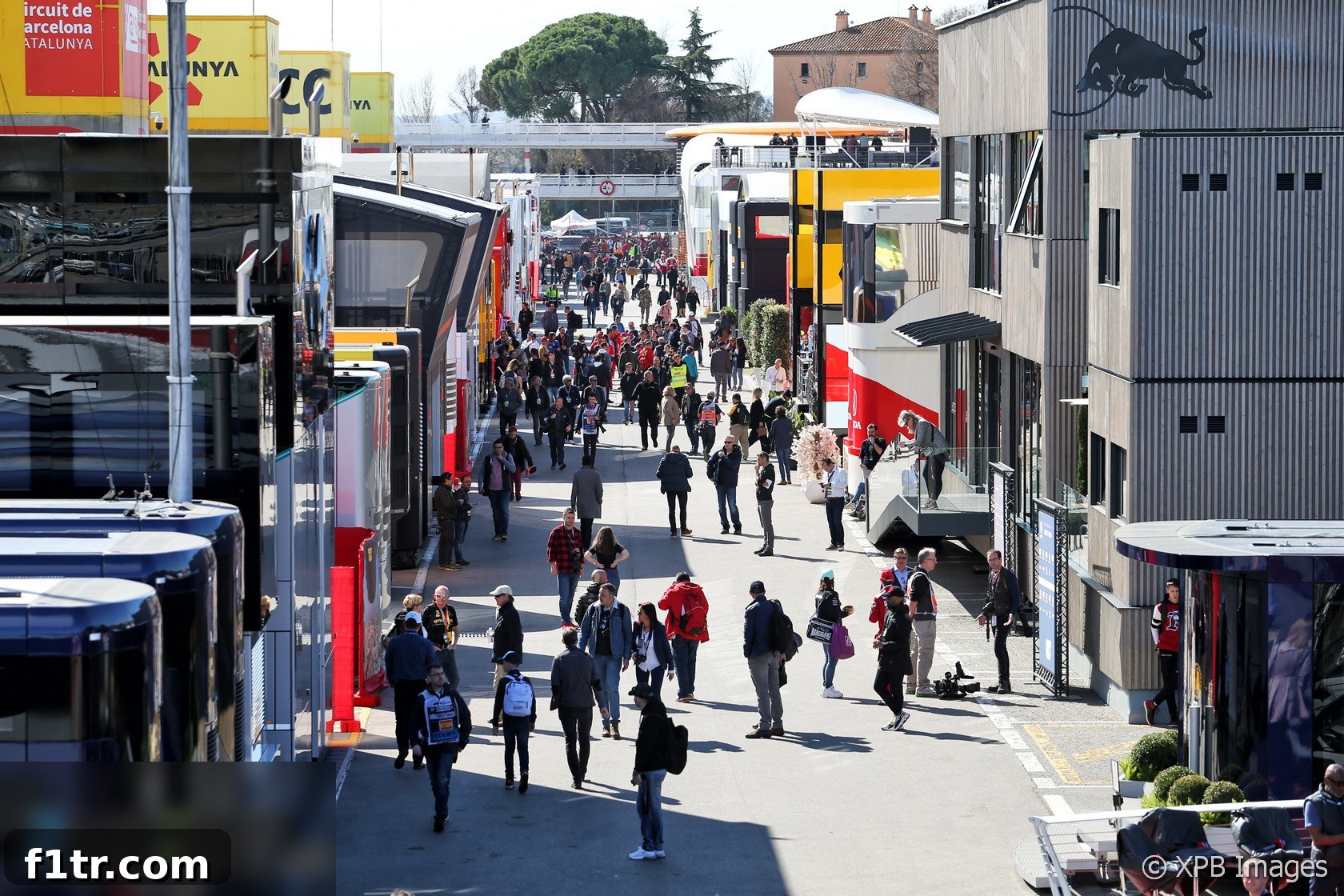
Beyond remote work, AlphaTauri also introduced strict protocols at its facilities and trackside operations. During pre-season testing, for instance, the team significantly restricted visitors to its motorhome, minimizing external contact and potential exposure. Franz Tost reiterated the gravity of the situation, stating, “This Coronavirus is a really serious story from the AlphaTauri side. I instructed all the employees to behave in a special manner.” These special instructions encompassed dramatic reductions in non-essential travel and rigorous controls over who could access team premises, including suppliers, to mitigate any potential risk of infection. The team’s commitment to these measures reflected a deep sense of responsibility for the health and safety of its entire organization.
The challenges faced by AlphaTauri were echoed across the paddock, particularly by fellow Italian powerhouse, Ferrari. Team principal Mattia Binotto articulated Ferrari’s approach, emphasizing that his team was “very cautious and aware” of the imperative to minimize exposure to the virus. “Certainly it’s a concern, certainly we have to act, making sure that we are acting properly,” Binotto stated. This included careful management of personnel travel, with some flights for staff members being postponed or re-routed to ensure the highest safety standards and address any burgeoning concerns. The meticulous planning required demonstrated the extraordinary lengths teams were prepared to go to protect their staff and maintain operational readiness, all while preparing for the demanding racing schedule ahead.
The logistical and health challenges were not confined to Italian teams alone. Every F1 operation, regardless of its geographic base or budget size, had to confront the evolving global situation. Claire Williams, then Deputy Team Principal for Williams Racing, underscored the universal nature of these difficulties: “There are certainly issues that we’re facing around travel to Melbourne, what happens with Vietnam, travel to Bahrain, et cetera. So I think it’s a challenge for everybody.” This sentiment highlighted that the pandemic imposed an equitable burden on all teams, demanding adaptability and resilience across the entire Formula 1 community, from the largest manufacturers to the smaller independent outfits.
Despite the palpable sense of uncertainty and the logistical hurdles, Formula 1’s leadership maintained a determined stance. Chase Carey, the then Formula 1 CEO, conveyed a message of cautious optimism, stating that “all systems are a go” for the initial races of the 2020 calendar. This public declaration aimed to reassure fans, teams, and partners that F1 was committed to delivering its season, even while acknowledging the inherent unpredictability of the global health crisis. Carey openly admitted that the situation remained “fluid,” a descriptor that would become a hallmark of the entire 2020 season, requiring constant vigilance and flexibility.
Carey detailed the proactive measures being taken by Formula 1 management to navigate this unprecedented period. “We’re heading to Melbourne, heading to Bahrain, heading to Hanoi,” he affirmed, reiterating the commitment to the scheduled venues. He also emphasized the ongoing efforts to “see what evolves in the coming days,” signifying a strategy of constant monitoring and rapid response to the latest public health information and government directives. Furthermore, F1 leadership was actively working to “mitigate the China postponement,” exploring potential alternative dates or compensatory measures for the significant financial and sporting impact of the cancelled race, demonstrating a forward-thinking approach to an unforeseen crisis.
The approach to managing the crisis was deeply collaborative and reliant on expert advice. Carey explained, “At this point the long and the short of it is we are connecting with in-country experts, our own experts, trying to stay on top of logistical issues on getting to and from long distance places and feel we’ve got as good handle on it as you can.” This comprehensive strategy involved liaising with public health authorities, governmental bodies, and internal medical and logistical teams to assess risks, implement best practices, and make informed decisions in a highly complex and rapidly changing environment. This multi-faceted consultative approach was crucial for navigating the global patchwork of regulations and health concerns.
The early 2020 season served as an intense proving ground for Formula 1’s resilience and capacity for adaptation. The measures put in place, from enhanced hygiene protocols at track events to intricate adjustments in international travel plans, were just the initial steps in what would become a season defined by its ability to push forward against all odds. The unity and cooperation displayed by teams and organizers during this nascent phase of the pandemic were instrumental in laying the groundwork for what eventually became a successful, albeit heavily modified, championship year. These initial challenges provided invaluable lessons that shaped Formula 1’s response to the ongoing global health crisis, demonstrating its unwavering commitment to sport while prioritizing the health and safety of its vast global community, setting a precedent for future international sporting events.
Further Insights into the 2020 F1 Season & Beyond
- Grosjean to make F1 test return tomorrow for first time since Bahrain horror crash
- Pictures: Wrecked chassis from Grosjean’s Bahrain fireball crash to go on display
- Bottas vs Rosberg: Hamilton’s Mercedes team mates compared after 78 races each
- F1 revenues fell by $877 million in Covid-struck 2020 season
- Hamilton and Mercedes finally announce new deal for 2021 season
Explore more articles from the 2020 F1 season