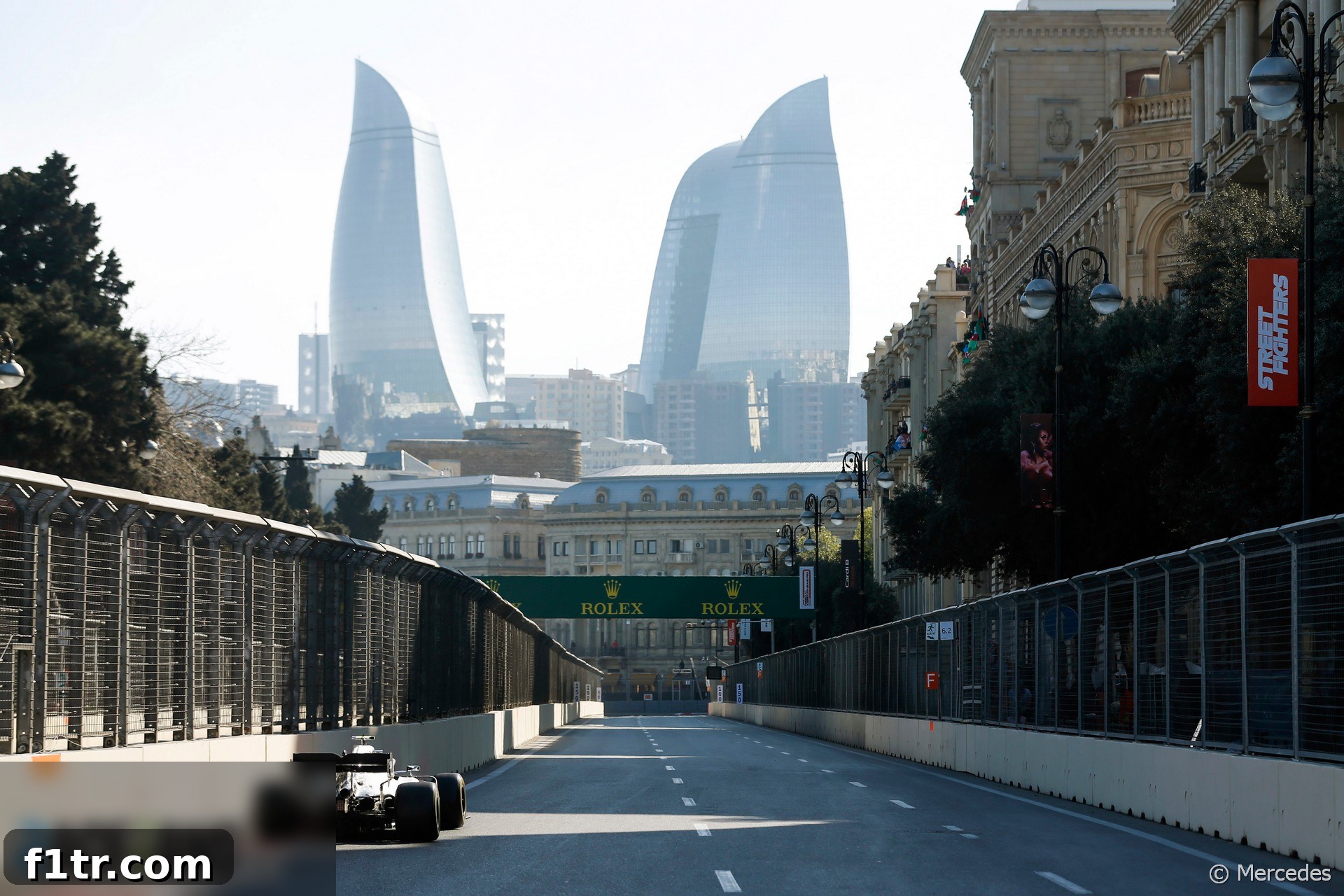
2021 Azerbaijan Grand Prix: Unpacking the Challenges of Baku’s Warm Weather and Tyre Strategy
The highly anticipated 2021 Azerbaijan Grand Prix is set to present a unique set of challenges for Formula 1 teams, primarily due to significantly warmer conditions compared to its last running in 2019. The shift in the racing calendar, placing the Baku event several weeks later in the year, has ushered in a dramatic change in ambient temperatures. This crucial meteorological difference will undoubtedly dictate various aspects of race weekend performance, from tyre management strategies to engine cooling and driver endurance.
As the F1 circus descends upon the Baku City Circuit, a track renowned for its exhilarating blend of tight, historic city sections and blistering long straights, teams are bracing for an intense battle against the elements. The warmer climate is expected to push both machinery and drivers to their limits, demanding meticulous preparation and astute real-time adjustments. Understanding the intricate interplay between the scorching asphalt, the challenging wind patterns, and Pirelli’s softest tyre compounds will be paramount for any team eyeing victory in this thrilling street race.
Advert | Become a Supporter & go ad-free
Baku’s Heat: A Game-Changer for the 2021 Azerbaijan Grand Prix
With air temperatures projected to be a substantial 7-10°C higher than the 2019 edition, teams at the 2021 Azerbaijan Grand Prix face an escalated degree of complexity in managing their vehicle’s performance. The change in the race’s calendar slot from late April in 2019 to early June this year is the primary driver behind this temperature surge. Back in 2019, the average air temperature across all sessions hovered in the mild teens, with practice sessions topping out at around 17°C. For 2021, forecasts indicate a consistent 27°C, marking a significant increase that will impact every facet of the race weekend.
Qualifying and the main race on Sunday are expected to see air temperatures settle comfortably in the mid-twenties, with a maximum predicted to hit 26°C. While this might seem pleasant, for Formula 1 cars, such an increase translates into a critical challenge. Higher ambient temperatures lead to hotter track surfaces, which in turn place immense stress on the Pirelli tyres. This can accelerate degradation, induce blistering, and narrow the optimal operating window for grip. Furthermore, warmer air is less dense, potentially impacting engine power output and cooling efficiency, forcing engineers to make critical compromises between aerodynamic downforce and drag to manage overheating components.
Pirelli’s Softest Selection: Mastering Tyre Strategy on the Baku City Circuit
Pirelli has opted for its softest range of compounds – the C3, C4, and C5 – for the Azerbaijan Grand Prix at the Baku City Circuit. These are the same compounds deployed just a fortnight ago at the Monaco Grand Prix. However, the similarities end there. Baku presents an entirely different set of demands compared to the tight, low-speed confines of Monaco. The Azerbaijani street circuit is infamous for its incredibly long acceleration zones, punctuated by heavy braking events and high-speed turns, all of which place unique stresses on the tyres.
The comparison to Monaco is particularly pertinent when considering temperatures. Monaco’s race weekend was relatively cool, allowing teams to manage the soft compounds without excessive thermal degradation. Baku, with its anticipated higher track temperatures, will make this a far more challenging proposition. The relentless nature of the circuit, especially the 2.2-kilometer main straight where cars spend a significant portion of the lap at full throttle, means the tyres are subjected to extreme lateral and longitudinal forces, leading to rapid heat build-up. Managing this heat, and subsequently, the wear and tear on the softest compounds, will be the defining strategic battle of the weekend. Teams will be meticulously analyzing tyre performance during practice sessions to determine the optimal one-stop or two-stop strategies, balancing outright pace with longevity.
Mercedes’ Redemption? Tyre Management under the Baku Sun
The warmer conditions in Baku could prove to be a significant advantage for certain teams, notably Mercedes-AMG Petronas F1 Team, who endured a torrid time with their tyres in the cooler climes of Monaco. Two weeks ago, Mercedes struggled to generate adequate front tyre temperature, leading to graining and a severe lack of grip, particularly during the race. Conversely, their performance during Thursday’s practice in Monaco, when temperatures were marginally higher, showed more promise before conditions deteriorated. This suggests that Mercedes’ W12 package might thrive more effectively in warmer environments where reaching and maintaining the optimal tyre operating window is less of a struggle.
Track temperatures at Baku two years ago were well into the 40s, and with even warmer air temperatures predicted for 2021, the asphalt could easily exceed 50°C. Such high surface temperatures will test the resilience of the C3, C4, and C5 compounds. For Mercedes, who historically prefer higher track temperatures to switch on their tyres, this could be a golden opportunity to bounce back from their Monaco disappointment. However, the delicate balance lies in avoiding overheating and blistering, which can be equally detrimental. Teams like Red Bull Racing, who have shown exceptional tyre management capabilities in recent races, will also be closely monitoring these conditions, as will Ferrari and McLaren, who are consistently fighting for podiums.
The Unseen Force: Wind Conditions at Baku City Circuit
Beyond temperature, another critical meteorological factor that could significantly influence the outcome of the 2021 Azerbaijan Grand Prix is the wind. Teams whose cars are particularly sensitive to wind, such as Williams, will be watching the forecast with considerable concern. Friday’s practice sessions are expected to unfold in relatively calm conditions, with wind speeds ranging from 15-25 kph. This should allow teams to gather baseline data without too much external interference.
However, the wind is predicted to pick up considerably for both qualifying on Saturday and the race on Sunday. Speeds are expected to be around 20-30 kph, with potentially disruptive gusts reaching up to 50 kph. Such strong and erratic winds can have a profound impact on the aerodynamic balance of the cars. Downforce levels can fluctuate dramatically, especially in high-speed sections and critical braking zones, making the cars unstable and unpredictable. Drivers will have to contend with sudden changes in grip, particularly through the challenging Castle section and the long main straight, where crosswinds can make the car feel light and difficult to control. This added layer of unpredictability could lead to mistakes, lock-ups, or even crashes, especially during crucial qualifying laps or close racing battles. Teams will need to factor these fluctuating wind conditions into their setup choices, potentially opting for more stable, albeit slightly slower, configurations to enhance driver confidence.
No Rain, But Track Temperature Swings Expected
One aspect of the 2021 Azerbaijan Grand Prix forecast that remains consistently favorable is the absence of any significant risk of rain throughout the weekend. This removes one major variable from the strategic equation, allowing teams to focus solely on dry weather setups and tyre choices. However, while the skies are expected to remain dry, track temperatures could still vary significantly, particularly on Saturday. The morning’s final practice session (FP3) is set for full cloud cover, which will keep the track surface cooler. This could provide a final opportunity for teams to test setups and tyre behavior in slightly milder conditions before the intensity of qualifying.
Come Saturday afternoon, for the all-important qualifying session, bright sunshine is expected to dominate, leading to a rapid increase in track temperature. This swing from cooler, cloudy conditions to hot, sunny asphalt within a few hours could catch some teams off guard. The changing track temperature affects grip levels, tyre degradation, and car balance, demanding quick adaptation from both engineers and drivers. Race day, Sunday, is also predicted to be sunny, ensuring consistent high track temperatures for the grand finale. Understanding how the car behaves across these varying track surface temperatures will be key to optimizing performance and making the right strategic calls under pressure.
Baku City Circuit: A Test of Compromise and Precision
The Baku City Circuit is a truly unique challenge on the Formula 1 calendar, embodying a fascinating dichotomy of high-speed thrills and intricate, technical sections. Spanning over six kilometers, it boasts the longest straight in Formula 1, where cars reach speeds exceeding 340 km/h, demanding extremely low-drag setups. Yet, this is juxtaposed with the notoriously tight and winding Castle section, a narrow stretch of track no wider than a single car in places, requiring maximum downforce and pinpoint precision. This stark contrast forces teams into a delicate compromise when it comes to car setup. Optimizing for the straights often means sacrificing cornering grip, and vice versa. The warmer temperatures and variable wind conditions will only amplify the difficulty of finding this elusive sweet spot.
The combination of these elements — the incredibly high top speeds, the heavy braking zones, and the precision required through the old city walls — makes tyre management particularly challenging. The softest compounds will be subjected to immense forces, requiring drivers to manage their pace and tyre wear meticulously throughout long stints. Safety Car periods are also a common occurrence at Baku due to the unforgiving nature of the street circuit, adding another layer of strategic complexity that teams must be ready to exploit or mitigate.
Preparing for the Ultimate Test in Baku
In conclusion, the 2021 Azerbaijan Grand Prix is poised to be an enthralling and demanding event, heavily influenced by the prevailing weather conditions. The elevated air and track temperatures, coupled with potentially gusty winds, will push the boundaries of car performance and driver skill. Tyre management will undoubtedly be the linchpin of success, with teams needing to extract the maximum performance from Pirelli’s softest compounds without succumbing to excessive degradation or blistering. The unique characteristics of the Baku City Circuit, from its blistering straights to its historic tight corners, will further test the strategic acumen of every team on the grid. As the cars line up under the sunny Baku sky, the team that best adapts to these multifaceted challenges will undoubtedly emerge victorious, adding another thrilling chapter to the Formula 1 season.
Advert | Become a RaceFans supporter andgo ad-free
For more real-time updates on the track conditions during each session, keep a close eye on RaceFans Live and the official RaceFans Twitter account.
2021 Azerbaijan Grand Prix Related Articles
- Aston Martin also confirms it followed Pirelli’s tyre restrictions before crash
- Pirelli confirm teams not to blame for Baku tyre failures following investigation
- “Tyres should not explode like that” says Villeneuve as Pirelli prepares to reveal findings
- Why Alonso is able to enjoy F1 more now than when he left
- Penalty for Safety Car error was just one of Latifi’s frustrations in Baku
Browse all 2021 Azerbaijan Grand Prix articles