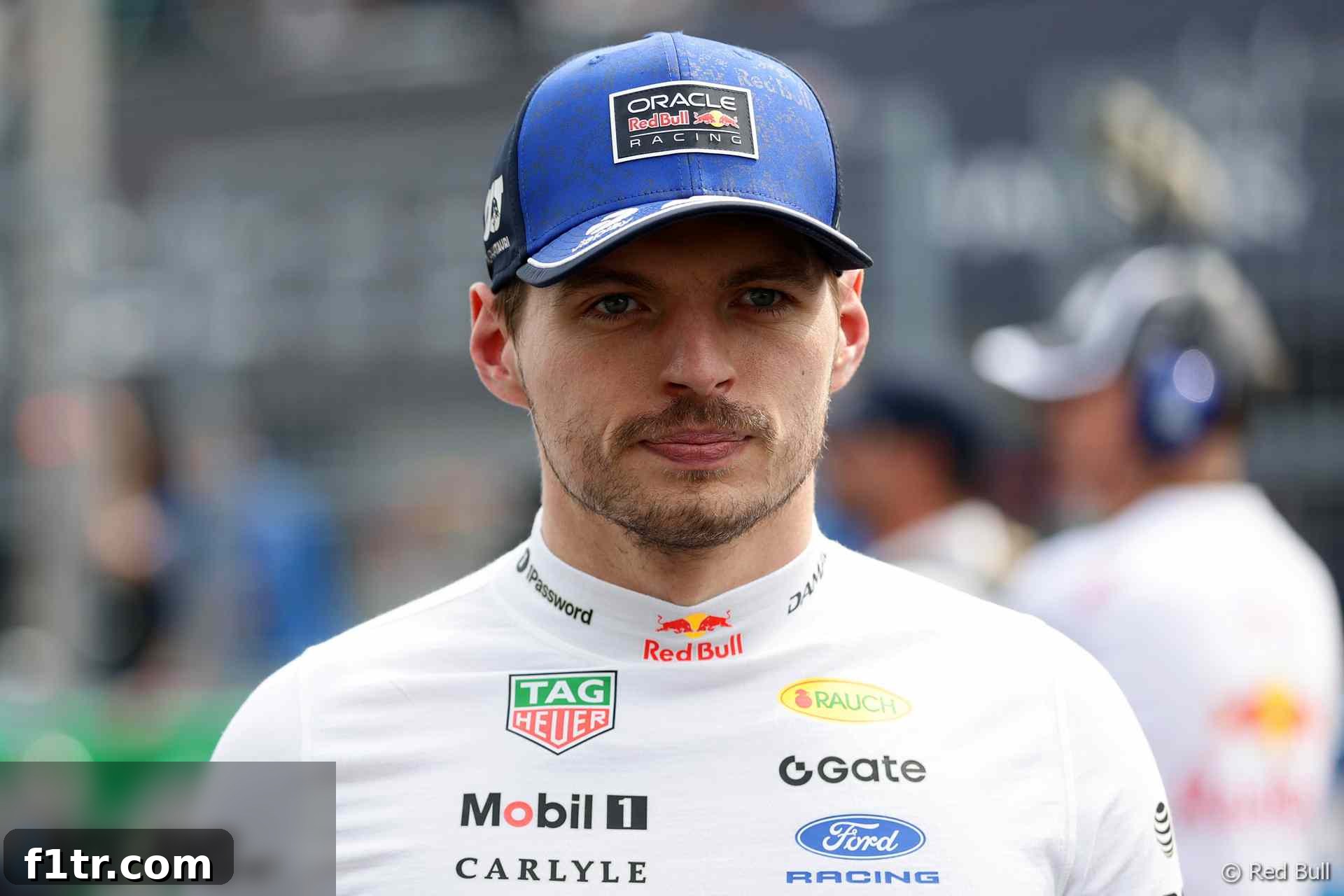
Formula 1 race winner Juan Pablo Montoya has criticised Max Verstappen’s outspoken comments about the sport’s new regulations.
“You’ve got to respect the sport,” Montoya told the BBC. “I’m okay with you not liking the regulations, but the way you were speaking about what you’re living off and your own sport, there should be consequences for that.”
Verstappen is among several drivers voicing concerns about F1’s latest power unit rules, but his blunt tone has drawn particular attention. Montoya suggested the championship should impose meaningful sanctions if drivers continue to attack the series publicly.
“Add seven, eight penalty points to the licence, so that whatever you do after you’re going to be parked. And I guarantee you all the messages would be different. I’m not saying ‘don’t say that you don’t like the regulations’ because if you don’t like it you have the complete right to an opinion.”
Montoya emphasised there is a difference between fair criticism and remarks that harm the sport’s reputation.
“It’s okay to be outspoken,” he said. “I’m not saying don’t be outspoken, but don’t come and call an F1 car a Mario Kart. Because you say, ‘oh, I feel like a boost,’ but when the rear wing was opening [when F1 used DRS] and you were getting 30kph or 20 miles an hour, was that not fake?”
The debate raises a key question: would restricting driver criticism protect the sport or create new problems?
For
Limits on public commentary in motorsport are not unprecedented. Other championships already restrict what competitors can discuss — for example, World Endurance Championship rules bar team members from discussing certain technical adjustments. Drivers benefit from F1’s commercial success and wide audience, and their words can influence public perception. While most drivers will temper comments for their own interests, not everyone does, so a reasonable code of conduct or modest restrictions could be considered to prevent damaging remarks that cross into bringing the series into disrepute.
Against
Imposing tight controls on what drivers can say risks censoring those best placed to point out legitimate problems with the cars and regulations. Some concerns about the 2026 rules touch on safety, and silencing drivers on matters of safety would be irresponsible. Heavy-handed sanctions would also reflect poorly on F1 as an organisation. If, for example, a star like Verstappen were barred from attending an event for criticising the rules, it would disappoint many fans who attend primarily to see particular drivers.
I say
The FIA has clarified rules on language in press conferences in recent years, but policing the substance of drivers’ remarks is a different proposition. Attempting to suppress criticism of technical regulations would be seen by many as overreach and could damage the sport’s credibility, especially while the FIA and teams continue to adjust contested rules. Constructive criticism from drivers can highlight real problems; clamping down on legitimate debate risks hiding issues rather than resolving them.
You say
Should F1 drivers face sporting penalties for excessively criticising the sport? Cast your vote below and join the discussion in the comments.
Do you agree drivers should receive sporting penalties for criticising Formula 1’s rules?
- No opinion (0%)
- Strongly disagree (92%)
- Slightly disagree (5%)
- Neither agree nor disagree (1%)
- Slightly agree (1%)
- Strongly agree (1%)
Total Voters: 141
A RaceFans account is required to vote. If you do not have one, register an account or read more about signing up. When this poll is closed the result will be shown instead of the voting form.
Debates and polls
- Poll: Has the time finally come for Hamilton to hang up his helmet?
- Should Formula 1 drivers be penalised for failing to “respect the sport”?
- Red Bull already has a ‘junior’ B-team – should Mercedes be allowed to have the same?
- Should F1 change tracks or racing guidelines to tackle dangers in 2026 rules?
- Is Formula 1’s double race cancellation a blessing in disguise?
Browse all debates and polls