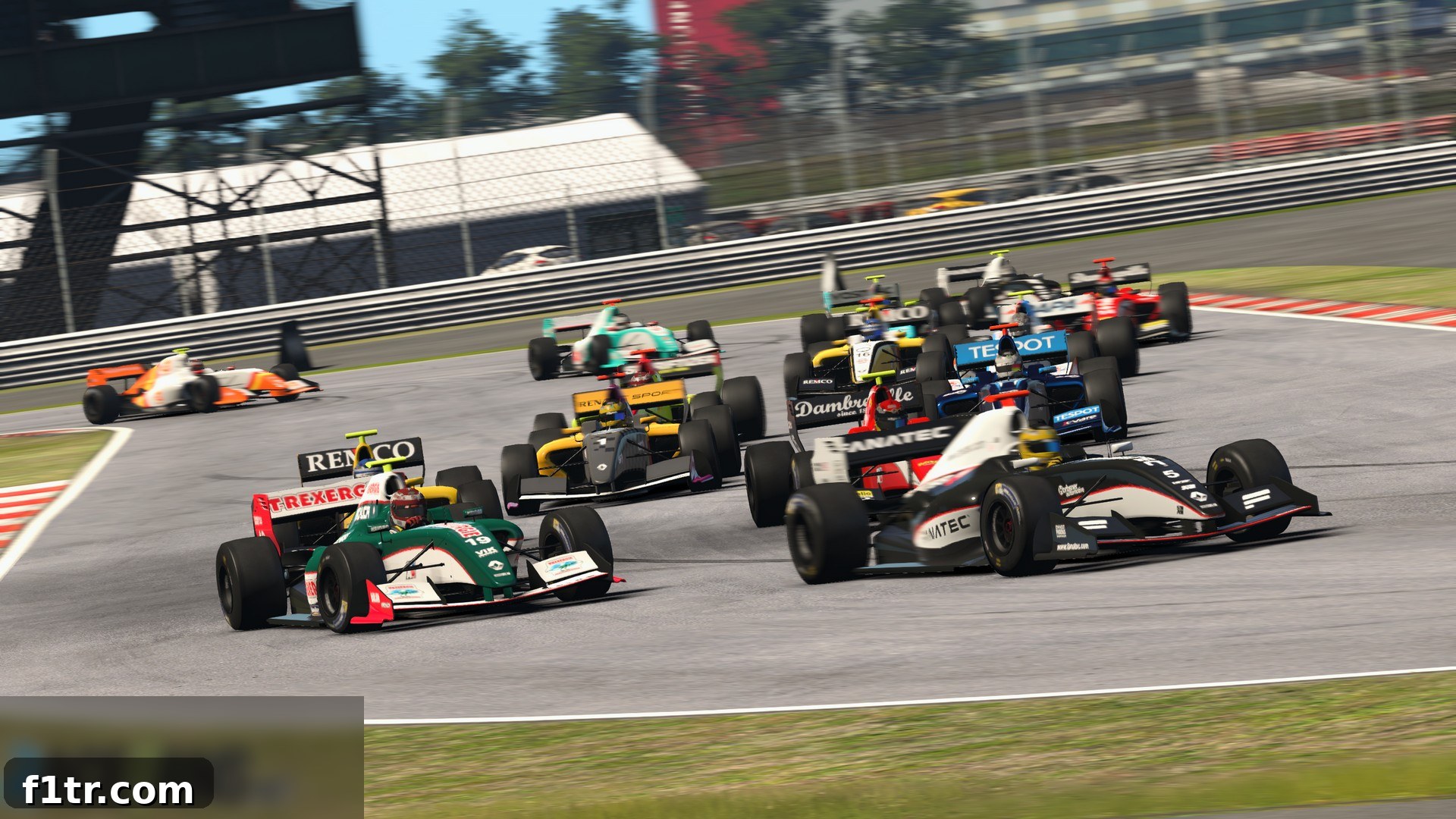
For simracing enthusiasts, reports earlier this week that EA will halt all development and investment in the Project CARS franchise were disappointing but not entirely unexpected.
Advert | Become a Supporter & go ad-free
Originally conceived through an ambitious crowdfunding model by Slightly Mad Studios (SMS) — putting the “community” into “Community Assisted Racing Simulator” — Project CARS has reached the end of the road after three main entries and a mobile spin-off. The franchise’s fate followed a familiar pattern: EA acquired Codemasters, which had previously bought SMS in late 2019, and Project CARS was quietly sidelined. This outcome places PCARS alongside other franchises that dwindled after acquisition.
Although simracing is most prominent on PC, Project CARS stood out by delivering a genuine simulator experience for console players on PlayStation 4 and Xbox One. The series offered a vast selection of cars and tracks, but its focus set it apart from titles like Gran Turismo and Forza Motorsport. Rather than prioritizing the collection of production road cars, Project CARS pursued a motorsport-first approach from the start.
Where Gran Turismo often begins players in light, everyday cars, PCARS let players begin their careers in karting, mirroring the path taken by real-world drivers. From karting, players could progress through single-seater classes up to top-tier formula categories, or follow an alternate route through junior touring cars and GT classes toward endurance racing. The career mode’s breadth and structure made it one of the most authentic progression systems available on consoles.
Console players had not seen this scope of motorsport simulation since Codemasters’ Race Driver series in the 2000s. While that series evolved into the GRID franchise and shifted toward arcade-style racing, Project CARS kept the simulation ethos alive on consoles. Apart from officially licensed titles such as Codemasters’ F1 series, Milestone’s MotoGP, and various NASCAR games, options for realistic motorsport on consoles were otherwise limited.
On PC, simracing flourished throughout the 2010s with titles like iRacing, SimBin’s Race series, rFactor 2, Game Stock Car, and Automobilista offering advanced physics and competitive online play. Project CARS brought much of that sim mindset to console players, arriving as the PS4 surged in popularity and offering a visually appealing, physics-driven experience that appealed to both console and PC audiences. The original game received strong reviews and sold over two million copies across platforms.
Advert | Become a RaceFans supporter andgo ad-free
Ambition and content were not enough to hide the original’s rough edges. SMS’s forums were quickly filled with bug reports and criticism. Crashes, handling inconsistencies, tyre wear modeling issues, graphical glitches and AI balance problems created a patchwork of frustrations for players who otherwise appreciated the game’s vision.
Project CARS 2 launched in late 2017 with more cars, more circuits and new features including IndyCar, oval racing and rallycross. It represented a clear improvement over its predecessor, but it still showed flaws: glitches and physics quirks persisted, and some console players noticed handling degraded when many cars were on track. The absence of a Safety Car or caution system for oval events, despite including Indianapolis Motor Speedway and the Indy 500, rendered some modes impractical.
Those shortcomings felt especially disappointing given the variety PCARS otherwise provided. No other recent console racing game let players run a full 24-hour Le Mans-style endurance race with multiclass competition, cycle through day and night, then switch to high-downforce single-seaters or IndyCars on demanding circuits within the same package.
Anticipation built for a third entry, and when Project CARS 3 was announced many hoped it would finally polish the franchise’s rough edges. Instead, the series took a different direction: PCARS 3 shifted toward an arcade-style experience with simplified physics, reduced simulation features such as pit strategy and practice sessions, and an overall design aimed at more casual players. The change alienated the franchise’s core community and the title underperformed critically and commercially upon its mid-2020 release.
The subsequent absorption of Codemasters into EA meant the franchise’s future depended on EA’s priorities. Former SMS head Ian Bell had suggested a theoretical Project CARS 4 in early development with a return to pure simulation, but EA’s decision to cease work on the series means we will never see how that plan would have unfolded.
Project CARS leaves a clear gap on consoles for players seeking a broad, authentic motorsport simulator. While Gran Turismo 7 and forthcoming Forza Motorsport entries serve players seeking high production values and arcade-leaning realism, true simulator experiences on consoles remain limited. Assetto Corsa Competizione stands out as the most realistic console title for GT3 and GT4 racing, but it focuses narrowly on GT disciplines. Console players who want faithful single-seater, touring car or diverse motorsport simulation are still underserved.
Until future projects such as a potential Assetto Corsa 2 or other dedicated simulation efforts arrive, many console racers will miss the space Project CARS occupied: an accessible but authentic motorsport experience that bridged the gap between PC simracing and mainstream console gaming.
Advert | Become a RaceFans supporter andgo ad-free
Gaming
Browse all Gaming articles