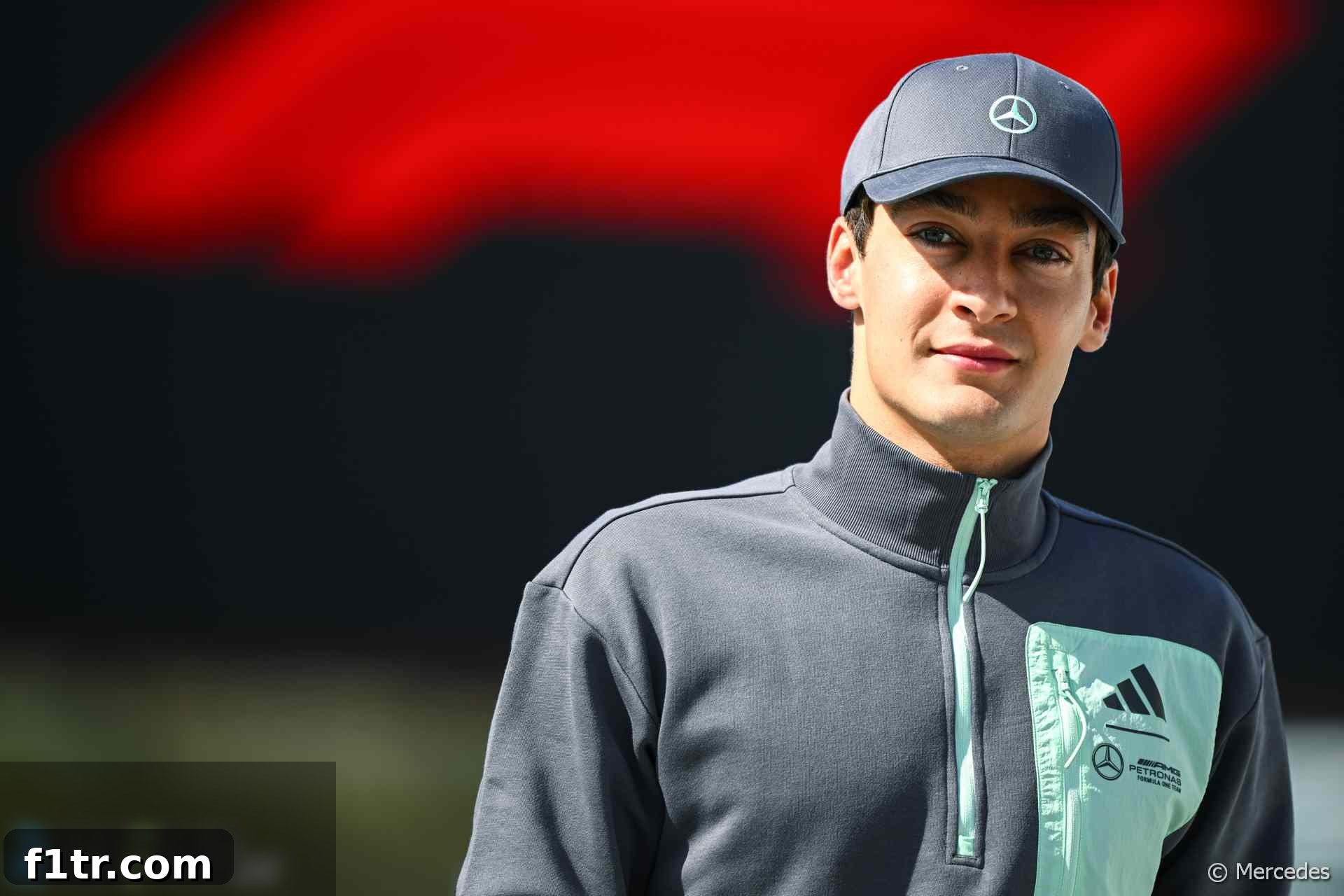
In a pointed address reflecting growing tensions within the pinnacle of motorsport, George Russell, a director of the influential Grand Prix Drivers’ Association (GPDA), has issued a clear challenge to FIA President Mohammed Ben Sulayem. Russell’s message is unequivocal: the time for deliberation is over, and concrete action is urgently required to back up recent suggestions of rule changes concerning driver conduct. This call for tangible progress highlights a significant disconnect between the sport’s governing body and its star athletes, particularly regarding the balance between professionalism and authentic expression.
George Russell Demands Action from FIA on Driver Conduct Rules
The debate surrounding driver conduct in Formula 1 has intensified under the tenure of FIA President Mohammed Ben Sulayem. The GPDA, representing the collective voice of Grand Prix drivers, has consistently voiced its criticism of the FIA’s updated stance on what it terms “misconduct.” These rules, introduced earlier this year, established a framework of fines and potential further penalties that drivers could face for various infractions, including swearing in public forums. While Ben Sulayem recently indicated a willingness to consider “improvements” to these contentious regulations, Russell and his fellow drivers are eager to see these considerations translate into meaningful policy shifts.
The Call for Concrete Changes: Beyond Mere Consideration
George Russell articulated the collective sentiment of the drivers, stressing that while suggestions of rule modifications are noted, they lack substance without definitive implementation. “We all ‘consider’ a lot of things,” Russell remarked, emphasizing the inherent difference between internal deliberation and external execution. His perspective underscores a palpable frustration among drivers who feel that their concerns are acknowledged but not sufficiently acted upon. Russell firmly believes that until tangible changes are brought into effect, the FIA’s words of consideration hold little weight in addressing the core issues at hand. The drivers are not merely seeking dialogue; they demand demonstrable proof that their feedback is genuinely shaping the sport’s governance.
This sentiment stems from a desire to foster an environment where clarity and fairness prevail. The current ambiguity surrounding the enforcement and potential revision of these rules creates an unnecessary layer of uncertainty for drivers navigating the high-pressure world of Formula 1. Russell’s statement serves as a powerful reminder that effective leadership in sports governance necessitates not only foresight but also decisive action to resolve disputes and ensure the sport’s smooth operation.
GPDA’s Stance and Unanswered Dialogues
The GPDA’s advocacy on this matter is not new. In November of last year, the association took the significant step of publishing an open letter, directly appealing to the FIA to reconsider its policy of fining drivers for using expletives during press conferences or other public appearances. This letter highlighted the drivers’ view that such penalties are disproportionate and detract from the authenticity that fans appreciate. Despite this clear communication, Russell confirmed that no further discussions have taken place between the GPDA and the FIA since the letter was dispatched. This lack of follow-up communication has understandably contributed to the drivers’ growing impatience and skepticism regarding the FIA’s commitment to addressing their concerns.
Russell reiterated the drivers’ hope for constructive engagement: “It’ll be great if changes were made and the drivers were at least heard.” This points to a broader desire for more collaborative governance, where the perspectives of those directly involved in the competition are actively sought and valued. Applying common sense to these situations, as Russell suggests, is paramount for ensuring that rules enhance, rather than detract from, the overall spirit of the sport. The drivers are stakeholders with invaluable insights into the practical implications of regulations, and their voices are crucial for creating a fair and sustainable competitive landscape.
Shifting Focus: From Safety to “Misconduct”
George Russell assumed his role as a GPDA director in 2021, a period when Jean Todt preceded Mohammed Ben Sulayem as the head of the FIA. Reflecting on his time in this position, Russell expressed a growing concern that the GPDA’s fundamental focus has been diverted from its core mandate. Historically, the Grand Prix Drivers’ Association was founded on principles centered around safety enhancements, continuous improvements to the sport’s infrastructure, and the overall quality of racing. These foundational pillars were designed to protect drivers and elevate the spectacle of Formula 1.
However, Russell feels that in the past 18 months, an “unprecedented” shift has occurred. Instead of concentrating on vital issues such as car safety, track design, or sporting fairness, the GPDA and its members are increasingly compelled to engage in discussions surrounding topics they never anticipated, particularly driver conduct regulations. “Especially myself – I find myself talking about topics that I didn’t really have any intention of talking about,” he candidly admitted. This diversion of attention, from what drivers consider fundamental sporting imperatives to matters of fines and linguistic propriety, is perceived as a significant misallocation of energy and resources.
The essence of Formula 1, for drivers, lies in the pursuit of peak performance, the cutting-edge technology, and the exhilarating competition. “We’re here to go racing, we’re here to create the best show for the fans, to have the fastest cars, the safest cars, the best technology, the best engineering,” Russell articulated. Yet, the current climate has forced conversations onto seemingly peripheral issues like fines, punishments, and swearing, which drivers believe overshadow the true spirit and objectives of the sport. This imbalance, they argue, not only impacts their professional lives but also risks diluting the very essence that attracts millions of fans worldwide.
The Broader Implications for Formula 1 and Athlete Expression
The dispute over driver conduct rules extends beyond mere administrative policy; it touches upon the fundamental right to freedom of expression for athletes operating in a high-stakes, high-emotion environment. Formula 1 drivers are not just competitors; they are also public figures whose personalities and raw emotions are a significant part of the sport’s appeal. Restricting their ability to express themselves authentically, whether in moments of triumph or frustration, can paradoxically diminish their relatability and the sport’s overall human interest narrative.
The debate also highlights a critical tension between the desire for a polished, corporate image championed by some governing bodies and the raw, often unscripted reality of elite sports. Fans connect with drivers who display genuine passion, frustration, and joy. Overly strict regulations on conduct, especially those that penalize natural human reactions, risk creating an environment where drivers feel compelled to self-censor, leading to a less engaging and less authentic sporting spectacle. This could inadvertently alienate a segment of the fanbase that values the unfiltered drama of competition.
Furthermore, the GPDA’s historical commitment to safety cannot be overstated. From lobbying for better crash structures to advocating for improved medical facilities, the association has played a pivotal role in making Formula 1 one of the safest yet most thrilling sports globally. When the focus shifts away from these critical areas towards what many drivers perceive as comparatively minor infractions, it raises questions about the FIA’s strategic priorities and its alignment with the fundamental interests of the competitors.
Moving Forward: A Call for Partnership and Common Sense
The resolution of this issue demands a more collaborative and empathetic approach from the FIA. While governing bodies naturally seek to uphold certain standards of professionalism, these standards must be balanced with a deep understanding of the unique pressures and emotional intensity inherent in Formula 1. Russell’s clear message underscores the drivers’ readiness for change and their ultimate desire for what is genuinely “best for the sport.” This implies regulations that foster a competitive, safe, and exciting environment, where drivers can perform at their peak without undue concern over trivial penalties for spontaneous expressions.
A path forward could involve renewed, open dialogue between the FIA and the GPDA, moving beyond mere “consideration” to actual negotiation and policy revision. This would not only address the immediate concerns over fines and conduct but also reinforce a spirit of partnership between the governing body and the athletes it governs. Ultimately, the goal should be to create a framework that supports both the professionalism of Formula 1 and the vibrant, authentic personalities of its drivers, ensuring the sport continues to thrive by captivating its audience with both its sporting prowess and its human drama.