Algarve Circuit’s DRS Zones: McLaren Drivers Anticipate Strategic Boost, Not Easy Overtakes
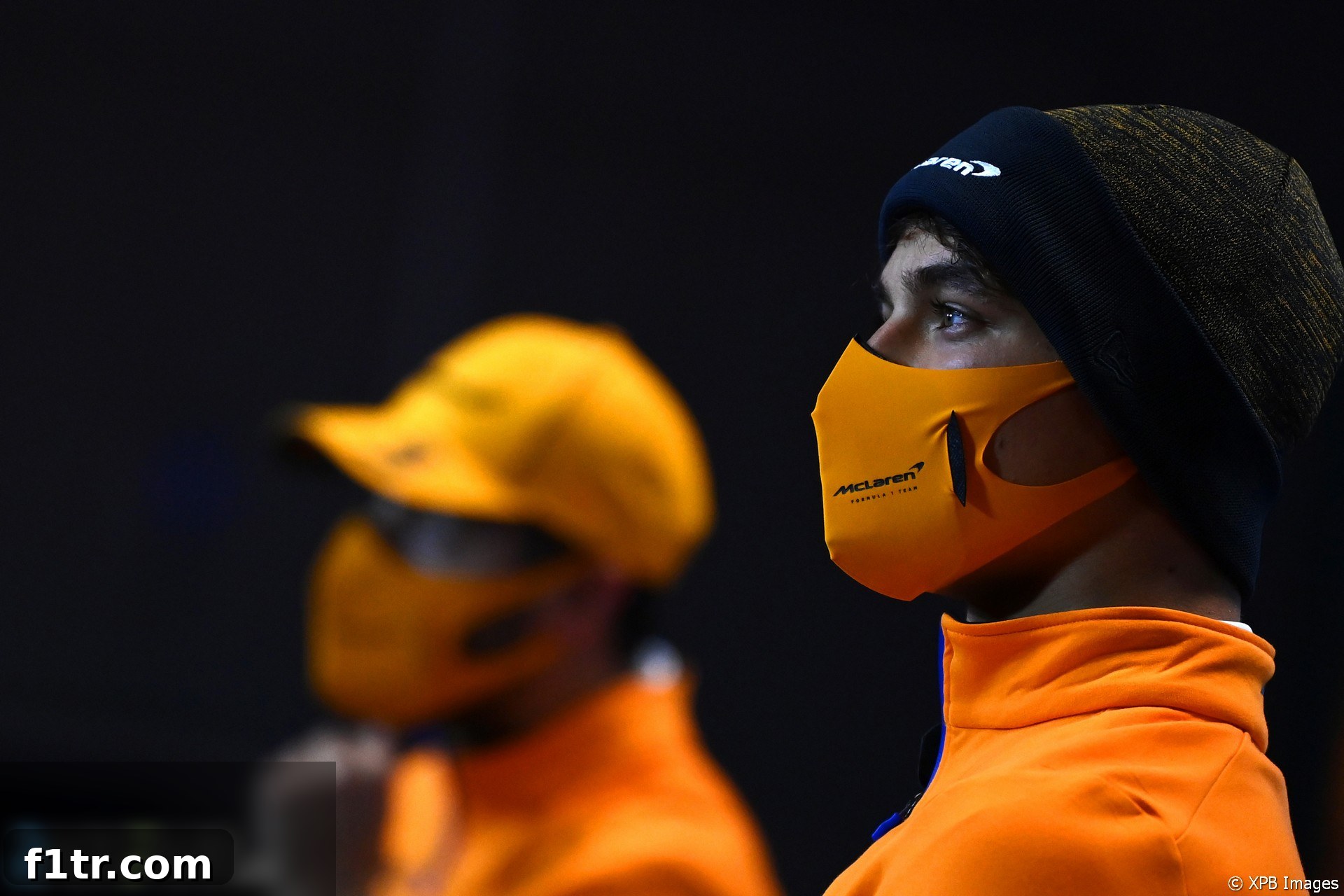
The highly anticipated Portuguese Grand Prix at the Algarve International Circuit is set to introduce a strategic twist this season with the addition of a second Drag Reduction System (DRS) zone. While designed to enhance overtaking opportunities, McLaren’s dynamic duo, Daniel Ricciardo and Lando Norris, are united in their belief that these changes will offer a nuanced advantage, putting drivers within “striking range” rather than facilitating straightforward passes. This foresight hints at a weekend of sophisticated racing and tactical battles, as teams and drivers adapt to the revised aerodynamic landscape of one of Formula 1’s most challenging tracks.
Understanding the Strategic Importance of DRS in Formula 1
For those new to the intricacies of Formula 1, DRS is a crucial aerodynamic aid designed to promote overtaking. When a driver is within one second of the car ahead at designated detection points on the circuit, they are permitted to open a flap on their rear wing, significantly reducing drag. This allows for a temporary increase in top speed, giving the following car a crucial advantage to attempt a pass. However, the deployment of DRS is strategically limited to specific zones on a track, typically long straights, to maintain a balance between competitive racing and driver skill. The effectiveness and placement of DRS zones are critical factors in shaping the flow of a race, influencing strategy, and ultimately, the spectacle for fans.
The Algarve Circuit: A Unique Challenge for Drivers and Engineers
The Autódromo Internacional do Algarve, commonly known as Portimão, is a circuit renowned for its undulating terrain, blind crests, and a demanding mix of high-speed and technical corners. Its rollercoaster-like nature presents a formidable challenge for drivers, requiring precision, courage, and exceptional car balance. The elevation changes, in particular, add an extra dimension, making braking points and corner apexes incredibly tricky to judge, especially when battling wheel-to-wheel. For engineers, setting up a car to perform optimally across such varied sections of the track is a complex task, balancing aerodynamic efficiency with mechanical grip. The unique characteristics of Portimão mean that any changes to DRS zones have a profound impact, potentially altering racing lines, overtaking opportunities, and defensive strategies.
Revised DRS Zones: A Deeper Dive into the 2021 Portuguese Grand Prix Changes
The Pit Straight: A Shorter, More Tactical First Zone
As was the case in its debut year in 2020, the primary DRS zone at Portimão remains on the pit straight. However, for the 2021 edition, crucial adjustments have been made to its parameters. The detection point for this zone has been moved from shortly after the penultimate corner to the apex of the final corner (Turn 15). Furthermore, the activation point for DRS deployment has been shifted further down the straight, now 245 metres after the final corner. This repositioning effectively shortens the first DRS zone compared to last year, when it began 125 metres after the long Galp right-hander (Turn 15). The intention behind this modification is clear: to make overtaking on the main straight a more challenging proposition, requiring greater commitment and precise execution from drivers, rather than relying solely on the DRS advantage.
Introducing the Second DRS Zone: Opening Up New Opportunities
The most significant addition for this year’s Portuguese Grand Prix is the introduction of a second DRS zone. This new zone is strategically placed on the relatively short straight section between the uphill left-hander of Turn 4 and the tight Torre Vip Turn 5 hairpin. The detection point for this second zone is situated 35 metres before Turn 4, allowing drivers to deploy DRS 180 metres after exiting the corner. This placement is particularly intriguing. Turn 4 is an uphill, sweeping left-hander, leading directly into a crucial braking zone for the hairpin. A DRS advantage here could create a prime opportunity for drivers to gain on their rivals, setting up a potential dive-bomb into Turn 5 or, at the very least, forcing the defending driver to compromise their line. This second zone is anticipated to inject more dynamic racing into a previously less prominent overtaking area.
McLaren’s Perspective: Daniel Ricciardo on Strategic Advantage
Expressing his approval of the revisions, Daniel Ricciardo shared his optimistic outlook: “I think it’s cool. I don’t see it being a negative.” The affable Australian driver elaborated on his reasoning, recalling observations from the previous year’s race: “I think last year, from memory, there was some [times] you were kind of close in to turn five, but maybe not close enough.” This sentiment highlights a common frustration in modern F1 – getting close enough to challenge but lacking that final edge for a decisive move. Ricciardo emphasized that the new zone wouldn’t diminish the skill required: “It’s certainly not going to create the easy DRS overtake.” Instead, he foresees a more tactical benefit: “I think if anything, it’s just going to maybe put us in striking range, and that’s ultimately what we want. So I think it will be a good thing.” His comments suggest that the aim isn’t to artificially inflate overtaking numbers but to provide drivers with the tools to initiate battles that are ultimately resolved through driving prowess and strategic positioning.
Lando Norris Concurs: More Racing, Less Predictability
McLaren team-mate Lando Norris echoed Ricciardo’s assessment, reinforcing the notion that the changes are a positive step for racecraft. “They shortened the first one to make it a little bit more difficult, but also added that second one,” Norris noted, highlighting the FIA’s deliberate approach to balance the circuit’s overtaking dynamics. He expressed hope for a more diversified racing spectacle: “So hopefully you can see some more racing around the track rather than only into turn one.” The previous year saw many overtakes concentrated at the end of the main straight, and Norris’s comment suggests a desire for action across different sections of the circuit. While acknowledging the need to observe the real-world impact, he remained confident: “We’ll wait and see how much we actually gain into the corner, whether it’s going to be possible. But it’s not going to be a negative in any way.” This cautious optimism underscores the fine line between facilitating overtaking and maintaining the challenge for drivers.
Portimão’s Overtaking Legacy: A High Benchmark from 2020
It’s noteworthy that these DRS zone additions have been implemented despite the 2020 Portuguese Grand Prix featuring an impressive 58 overtaking moves, the highest tally of the season. This statistic set a high benchmark for the circuit, prompting questions about the necessity of additional DRS zones. However, the quality of these overtakes, and their distribution across the circuit, are key considerations. While 58 overtakes is a significant number, many may have been concentrated in specific areas, or involved cars with significant pace advantages. The FIA’s decision to introduce a second zone, and to adjust the first, suggests a desire to not just increase the *quantity* of overtakes but also to enhance their *quality* and strategic variety. By providing a secondary opportunity, especially into a tricky section like Turn 5, the hope is to encourage more wheel-to-wheel action and diversified strategies throughout the race, preventing a single “DRS train” scenario.
Strategic Implications and Anticipated Race Dynamics
The revised DRS configuration is set to profoundly influence both qualifying and race strategies. In qualifying, teams might experiment with different aerodynamic setups, knowing that a strong exit from Turn 3 could be crucial for capitalizing on the second DRS zone run into Turn 5. The potential for a slipstream advantage could also see teams strategizing for optimal towing opportunities. During the race, tire degradation, which is often a significant factor at Portimão due to its abrasive surface and high-energy corners, will interact uniquely with the new DRS zones. Drivers might be able to manage their tires more effectively if they can use DRS to make a pass earlier, reducing the need for prolonged battles that degrade rubber. Defensive driving will become even more critical, with drivers needing to be acutely aware of cars in their detection zones at two distinct points on the lap. This could lead to fascinating cat-and-mouse games, particularly between cars of similar performance, elevating the strategic complexity of the race.
The Evolving Philosophy of DRS in Formula 1
The ongoing adjustments to DRS zones across various circuits reflect Formula 1’s continuous effort to strike a balance between promoting exciting racing and preserving the core challenge of the sport. While DRS has been a divisive topic among fans and purists, often criticized for making overtakes too artificial, its role in modern F1 is undeniable in generating more on-track action. The modifications at Portimão, particularly the shortening of the main straight zone and the strategic placement of the second, suggest a move towards making DRS a tool for *facilitating* a pass rather than *guaranteeing* one. It encourages drivers to work harder to get into the “striking range” as Ricciardo describes, and then execute a clean move, rather than simply coasting past. This evolving philosophy aims to provide a more authentic and rewarding experience for both drivers and spectators, ensuring that a successful overtake remains a testament to skill and strategic acumen.
Conclusion: A Race of Strategic Nuance Awaits
As the Formula 1 circus descends upon the Algarve International Circuit, the introduction of a second DRS zone and the adjustments to the first promise to inject a fresh layer of strategic depth into the Portuguese Grand Prix. McLaren drivers Daniel Ricciardo and Lando Norris have articulated a clear expectation: these changes are not about easy passes but about creating more opportunities for genuine racecraft and putting drivers in a position to challenge. With Portimão’s unique blend of elevation changes and demanding corners, the revised DRS layout is poised to encourage dynamic battles, sophisticated strategies, and potentially, a more distributed pattern of overtaking across the circuit. Fans can look forward to a captivating weekend where every millisecond and every strategic decision will count, making the 2021 Portuguese Grand Prix an unmissable spectacle.
2021 Portuguese Grand Prix Related Articles
- Pirelli’s tyre choice for Portuguese GP wasn’t “too hard”, Hamilton concedes
- Who are the top F1 juniors bidding for a grand prix debut in 2022?
- 2021 Portuguese Grand Prix Star Performers
- Race gains encourage Ricciardo after ‘unacceptable’ qualifying performance
- Sainz says top-five finish was possible after first no-score for Ferrari
Browse all 2021 Portuguese Grand Prix articles