Red Bull Breaks F1 Curfew at Hungaroring Amidst Setup Struggles
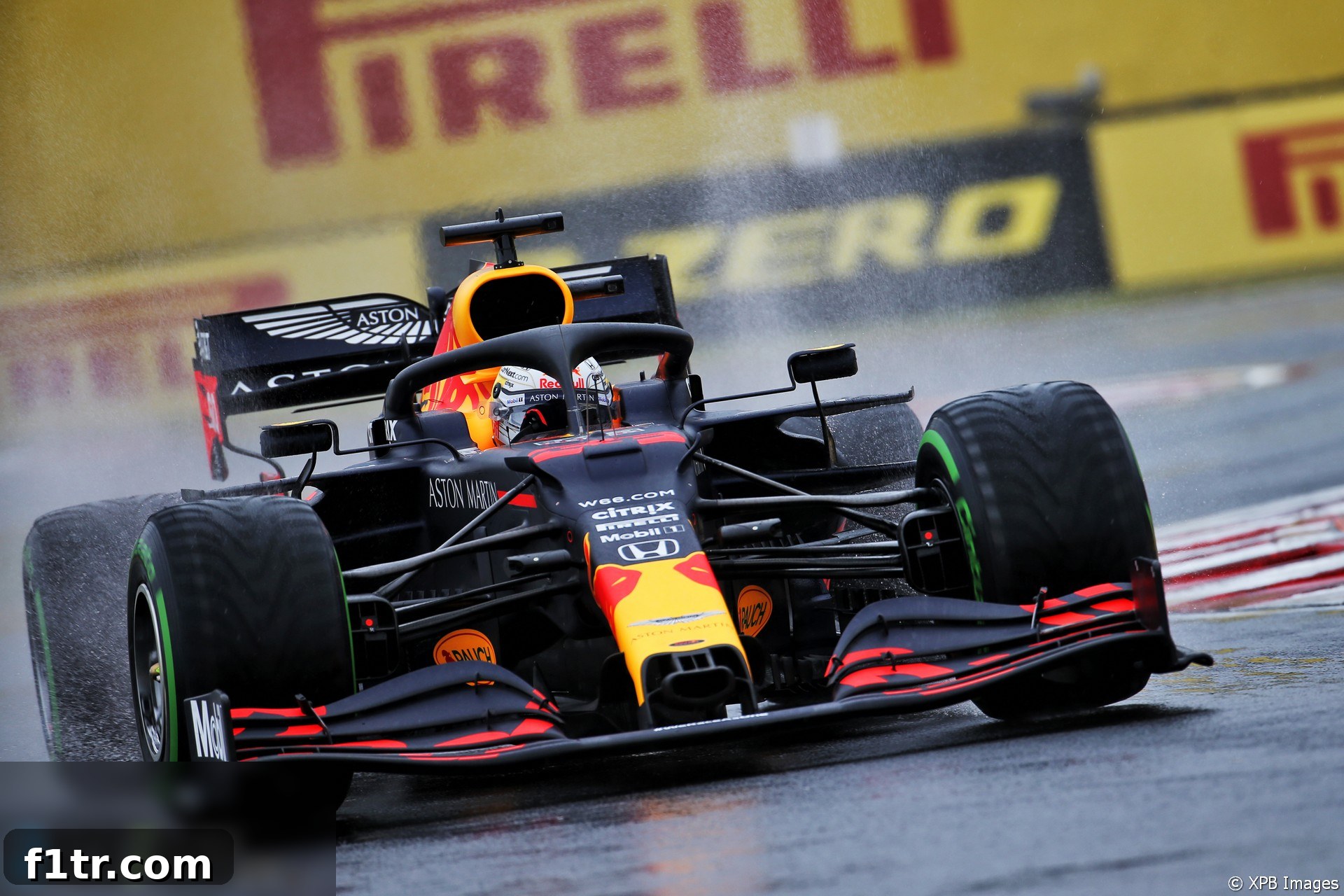
Red Bull Racing made headlines at the Hungaroring, home of the Hungarian Grand Prix, when they broke Formula 1’s strict working hours curfew following Friday’s practice sessions. This strategic decision was made to allow their team members crucial extra time to implement significant setup changes across both Max Verstappen’s and Alexander Albon’s RB16 cars. This marked the first instance of Red Bull utilizing one of their two permitted ‘joker’ exceptions for the season, underscoring the team’s urgent need to address performance challenges at the third race weekend of the 2020 F1 calendar.
Advert | Become a Supporter & go ad-free
The FIA, the sport’s governing body, officially confirmed that Red Bull team personnel were present and working within the circuit’s confines during the designated eight-hour restricted period. This curfew system, designed to promote team well-being and manage operational costs, limits when work can be performed on the cars. Each team is granted two waivers per championship season, allowing them to exceed these limitations under specific circumstances. Red Bull’s decision to deploy one of these precious ‘jokers’ so early in the condensed 2020 season highlights the severity of the issues they faced after a challenging opening day in Hungary.
The Imperative for Change: Addressing RB16’s Performance
The urgency behind Red Bull’s curfew breach stemmed directly from a difficult start to the Hungarian Grand Prix weekend. Friday’s crucial practice sessions are typically used by teams to fine-tune car setups, evaluate new components, and gather vital data for qualifying and the race. For Red Bull, however, the day proved largely unproductive in achieving these objectives. Max Verstappen, a perennial front-runner, could only manage the eighth-fastest time in the opening practice session (FP1), which was the only dry running of the day. His teammate, Alexander Albon, lagged even further behind, finishing five places adrift.
Team representatives advised RaceFans that the primary motivation for breaking the curfew was to conduct comprehensive setup adjustments on both RB16 chassis. They clarified that the decision was not a response to any specific technical failures or problems with the cars themselves, but rather an aggressive attempt to find a more optimal balance and performance window. The Hungaroring circuit, often dubbed “Monaco without the walls” due to its tight, twisty, and highly technical nature, demands an exceptionally well-balanced car with excellent mechanical grip. Achieving this delicate balance requires extensive setup work, a task made immensely difficult by the weather conditions on Friday.
Weather Woes Compound Setup Challenges
The team’s struggles were significantly exacerbated by the unpredictable Hungarian weather. While FP1 offered a fleeting window of dry running, the second practice session (FP2) was severely impacted by torrential rain. This downpour effectively rendered much of FP2 useless for evaluating dry setup changes, robbing Red Bull of critical track time. The original plan was to use FP2 to test the initial modifications and gather data on their effectiveness, but the heavy rainfall made this impossible. Teams cannot accurately assess dry setup dynamics on a wet track, forcing Red Bull into a difficult corner.
Alexander Albon candidly admitted the frustration caused by the weather: “The weather has been hurting us, as we’re trying to understand the car at a new circuit after two weeks at the Red Bull Ring. [First practice] wasn’t ideal and then with the downpour we couldn’t exactly try anything for [second practice].” This sentiment perfectly encapsulated the team’s predicament. Following back-to-back races at their home track, the Red Bull Ring in Austria – a circuit with vastly different characteristics to the Hungaroring – the team needed to quickly adapt the RB16 to the unique demands of the Hungarian track. The lack of dry running in FP2 meant they had to make their setup decisions for Saturday’s crucial qualifying session and Sunday’s race with limited data and a significant degree of uncertainty.
The Strategic Implications of an Early ‘Joker’
Utilizing a ‘joker’ exception so early in the season is a telling sign of Red Bull’s championship aspirations and the pressure they face to deliver immediate results. The 2020 Formula 1 season was already unprecedented, shortened and condensed due to the global pandemic, placing immense pressure on teams to perform consistently. Every race, every point, became more critical than ever. For a team like Red Bull, aiming to challenge Mercedes for the constructors’ and drivers’ titles, a sluggish start was simply not an option.
The decision to break curfew signifies that the potential gains from extra setup work outweighed the cost of sacrificing one of their two annual waivers. It suggests that Red Bull’s engineers identified fundamental issues with the RB16’s initial configuration that could not wait until Saturday morning. The extra hours would have been spent meticulously analyzing data, making adjustments to suspension settings, aerodynamics, brake bias, and other critical parameters that influence a car’s handling and pace. This proactive, albeit costly, measure aimed to give Verstappen and Albon a more competitive package for the remainder of the weekend, particularly crucial for a track where qualifying position often dictates race outcome due to the difficulty of overtaking.
Hungaroring: A Test of Car and Driver
The Hungaroring is a true driver’s circuit, but it is equally a stern test of a car’s chassis and setup. Its continuous series of corners, often linked together, means that carrying momentum is paramount. A car that is not perfectly balanced will lose time through understeer or oversteer, impacting not just one corner but a sequence of turns. Mechanical grip, efficient downforce at medium speeds, and precise turn-in are vital. Given these characteristics, Red Bull’s struggles in FP1 were particularly concerning, as they pointed towards a fundamental mismatch between the RB16’s initial setup and the track’s demands.
For Max Verstappen, a driver renowned for his ability to extract every ounce of performance from his machinery, a suboptimal car setup can be a significant impediment. His expectations for the RB16 were high, especially given his strong performances in the previous seasons. For Alexander Albon, who was still solidifying his position within the team and adapting to the nuances of the RB16, a stable and predictable car was even more critical for building confidence and delivering consistent results. The curfew break, therefore, was not just about the car; it was about empowering both drivers to perform at their best.
As the Hungarian Grand Prix weekend unfolded, all eyes were on Red Bull to see if their drastic measures had paid off. The pressure was immense, but the team’s willingness to go the extra mile, even if it meant using a precious ‘joker’ so early, demonstrated their unwavering commitment to fighting at the sharp end of the grid and making every effort to chase down their championship rivals.
Don’t miss anything new from RaceFans
Follow RaceFans on social media:
- Join RaceFans on Facebook
- Follow RaceFans on Twitter
- Get daily email updates from RaceFans
Advert | Become a RaceFans supporter andgo ad-free
Explore More From the 2020 F1 Season
- Grosjean to make F1 test return tomorrow for first time since Bahrain horror crash
- Pictures: Wrecked chassis from Grosjean’s Bahrain fireball crash to go on display
- Bottas vs Rosberg: Hamilton’s Mercedes team mates compared after 78 races each
- F1 revenues fell by $877 million in Covid-struck 2020 season
- Hamilton and Mercedes finally announce new deal for 2021 season
Browse all 2020 F1 season articles