After a period of unpredictable weather at the challenging Spa-Francorchamps circuit, Formula 1 teams and fans are eagerly anticipating a dramatic shift in conditions for the upcoming three days of action at the iconic Autodromo Nazionale Monza. Nestled north of Milan, Italy, the legendary “Temple of Speed” is set to bask under glorious sunshine and significantly warmer temperatures, promising an Italian Grand Prix weekend that could heavily influence both car performance and strategic decisions.
Italian Grand Prix: Weather Forecast Signals a Hot Battle at Monza
The forecast for the Italian Grand Prix paints a picture of consistently clear skies and soaring temperatures across all three days of competitive running. Free Practice on Friday is expected to open under bright sunshine, with air temperatures comfortably reaching around 27°C. This delightful weather pattern is predicted to hold throughout the weekend, with Saturday’s qualifying session potentially experiencing the warmest conditions, pushing temperatures close to the 30°C mark. Such conditions are a stark contrast to last year’s event, where air temperatures peaked at a more moderate 22°C. This significant increase in heat will undoubtedly introduce new variables for teams to contend with, particularly concerning vehicle cooling, tyre management, and driver endurance, setting the stage for a truly demanding race weekend.
The Heat Factor: Implications for Car Performance and Strategy
The elevated temperatures expected at Monza will bring a unique set of challenges and strategic considerations for all teams on the grid. One of the primary concerns will be engine and brake cooling. Formula 1 cars generate immense heat, and in ambient temperatures approaching 30°C, teams will need to make crucial concessions to ensure components remain within optimal operating windows. This might involve opening up bodywork for increased airflow, which, while beneficial for cooling, can marginally affect aerodynamic efficiency – a critical factor at a low-downforce circuit like Monza where outright speed is paramount. Engineers will be meticulously balancing the need for cooling with the desire to maintain maximum aerodynamic performance, potentially leading to varied car setups across the paddock.
Moreover, the higher track temperatures will have a profound effect on tyre performance. Tyres are designed to operate within specific temperature ranges, and excessive heat can lead to accelerated degradation and blistering. This could shorten stints and force teams to consider different pit stop strategies. Drivers will need to be exceptionally precise with their tyre management, especially on Monza’s long straights followed by heavy braking zones, which transfer significant energy into the tyres. The increased heat could also impact driver physical performance, demanding peak fitness and hydration throughout the demanding sessions.
The art of slipstreaming, a common and effective tactic at Monza, might also be re-evaluated under these warmer conditions. While towing a rival can offer a speed advantage on the long straights, running closely behind another car can disrupt airflow, leading to reduced cooling for the following car’s engine and brakes. Teams might become more reluctant to engage in extended slipstreaming battles, particularly in practice or qualifying, to prevent their power units from overheating. This could influence strategic decisions during qualifying runs and even dictate overtaking attempts during the race, adding another layer of tactical intrigue to the Italian Grand Prix.
Advert | Become a Supporter & go ad-free
Pirelli’s Tyre Choice: The C2, C3, and C4 Compounds for Monza
For this year’s Italian Grand Prix, Pirelli has once again opted for the middle range of its tyre compounds: the C2 (hard), C3 (medium), and C4 (soft). This selection mirrors the choices made in previous years and is designed to provide a versatile array of options for teams tackling the unique demands of the Monza circuit. The C2 compound, being the hardest of the three, offers the greatest durability and resistance to degradation, making it suitable for longer stints or for drivers looking to push hard without excessive wear. The C3 medium compound represents a balanced choice, offering a good compromise between performance and longevity, often serving as a preferred race tyre. Finally, the C4 soft compound provides the highest level of grip and ultimate pace, ideal for qualifying attempts or for short, aggressive stints during the race when maximum performance is required, albeit at the cost of quicker degradation.
Monza is famously known as a “power circuit” characterized by its incredibly long straights and fast chicanes, interspersed with heavy braking zones. These high-speed characteristics place immense lateral and longitudinal forces on the tyres. The C2, C3, and C4 compounds are well-suited to handle these stresses while still allowing for strategic flexibility. The expected warmer temperatures, however, will add another dimension to tyre management. While the harder compounds (C2, C3) might be more resilient to the heat, the C4 softs could suffer from increased blistering or graining, potentially limiting their effective lifespan and influencing the viability of a two-stop strategy. Teams will be meticulously analyzing tyre performance during Friday’s practice sessions to understand how the compounds interact with the high-energy track and warm conditions, informing their critical decisions for qualifying and race day.
Lessons from the Past: The Thrilling 2019 Italian Grand Prix Strategy
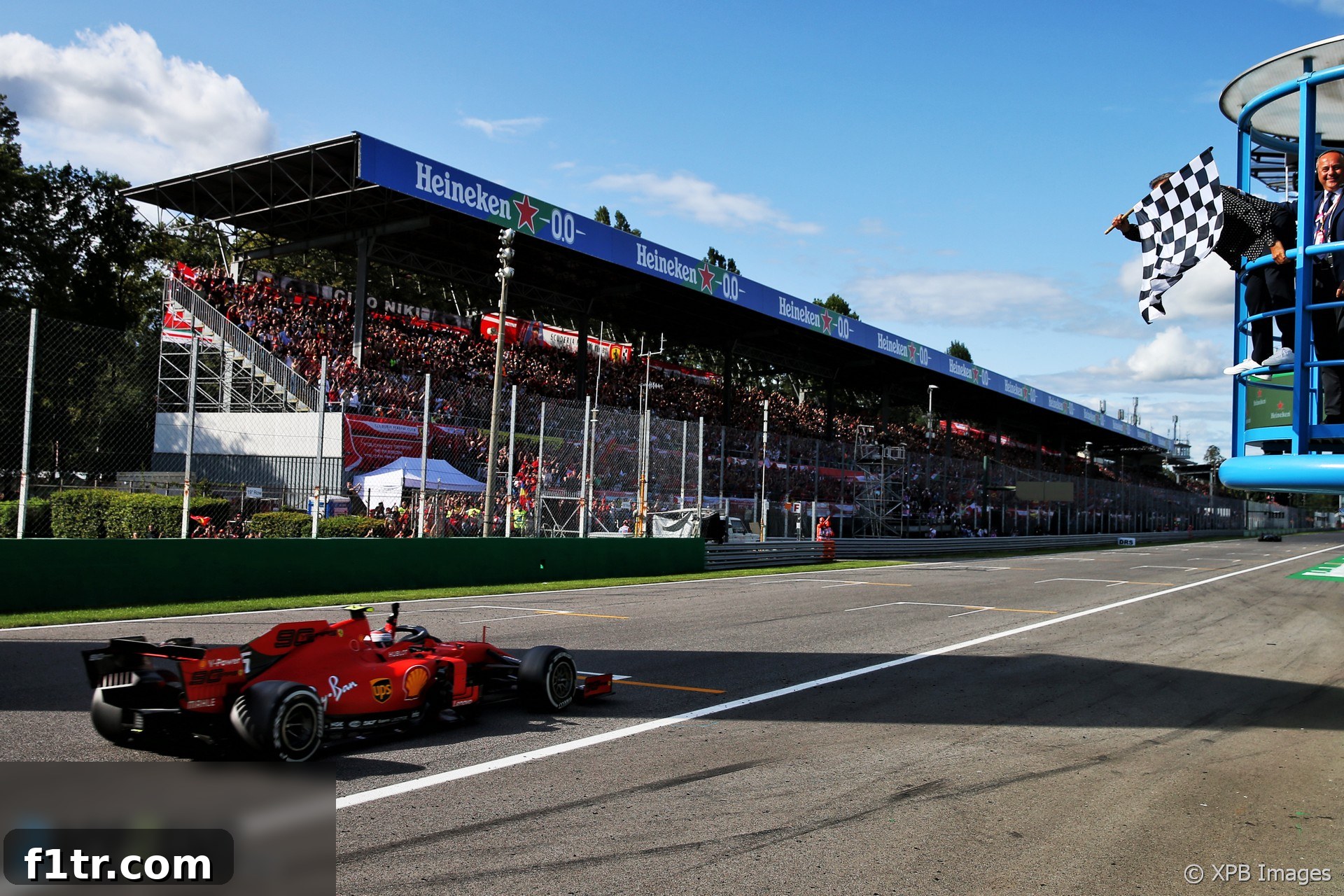
To understand the potential strategic landscape for the upcoming race, it’s insightful to revisit the last Formula 1 visit to Monza, specifically the dramatic 2019 Italian Grand Prix. That race delivered a nail-biting spectacle, famously won by Charles Leclerc for Ferrari, much to the delight of the passionate Tifosi. Leclerc executed a masterful one-stop strategy, switching from soft tyres to hard tyres relatively early in the race. This bold move saw him manage his hard tyres for a significant portion of the Grand Prix, fending off relentless pressure from Mercedes.
In contrast, Lewis Hamilton, who was a strong contender for the win, initially opted for a medium compound tyre switch around the same time as Leclerc’s stop. However, as the race unfolded, Hamilton found himself needing an additional pit stop for soft tyres before the chequered flag, ultimately losing precious track position. This decision proved costly, highlighting the fine margins and strategic complexities at Monza. His teammate, Valtteri Bottas, who had moved up to second place at Hamilton’s expense, employed a slightly later one-stop strategy, changing to medium tyres and managing them effectively to secure second without needing to pit again. Bottas’s strategy underscored the potential effectiveness of a single, well-timed stop when tyre degradation is managed correctly.
The 2019 race serves as a vivid reminder that while a one-stop strategy is often the preferred and fastest route at Monza, the specific timing and compound choice are paramount. The warmer conditions anticipated this year could make a single stop even more challenging, pushing teams towards a two-stop strategy if degradation on the medium and soft compounds becomes too severe. The interplay between tyre wear, track position, and the ability to effectively use the slipstream will once again be crucial in determining who emerges victorious from the “Temple of Speed”. Teams will have undoubtedly learned from the strategic battles of 2019, and these insights will be vital in formulating their plans for the current weekend.
Advert | Become a RaceFans supporter andgo ad-free
Anticipation Builds: Who Will Master the Monza Heat?
With high temperatures and a challenging tyre choice, the Italian Grand Prix promises a captivating weekend of Formula 1 action. The unique characteristics of Monza, combined with the extreme weather conditions, are set to test drivers and engineers to their absolute limits. From managing crucial cooling systems to executing flawless tyre strategies and navigating the complexities of slipstreaming battles, every decision will be magnified under the Italian sun. As the teams prepare to unleash their machines on this historic circuit, the stage is set for a thrilling spectacle that could be decided as much by strategic foresight and tyre management as by outright speed.
For the latest updates on track conditions, minute-by-minute session reports, and insightful analysis throughout the Italian Grand Prix weekend, make sure to keep a close eye on RaceFans Live and follow the official RaceFans Twitter account. Don’t miss a single moment of the action from the “Temple of Speed”!
Related Content: Exploring Past Italian Grand Prix Highlights
For those looking to delve deeper into the history and memorable moments of the Italian Grand Prix, particularly from recent years, explore the curated articles below. These pieces offer insights into key events, driver perspectives, and strategic analyses from past editions of this iconic race:
- Grosjean “obviously jealous” but pleased for Gasly after win
- 2020 Italian Grand Prix Star Performers
- Gasly: I’m ready for Red Bull return
- Ban on ‘quali mode’ reduced overtaking at Monza – Hamilton
- Gasly beats Sainz in closest F1 finish for 10 years
Browse all 2020 Italian Grand Prix articles