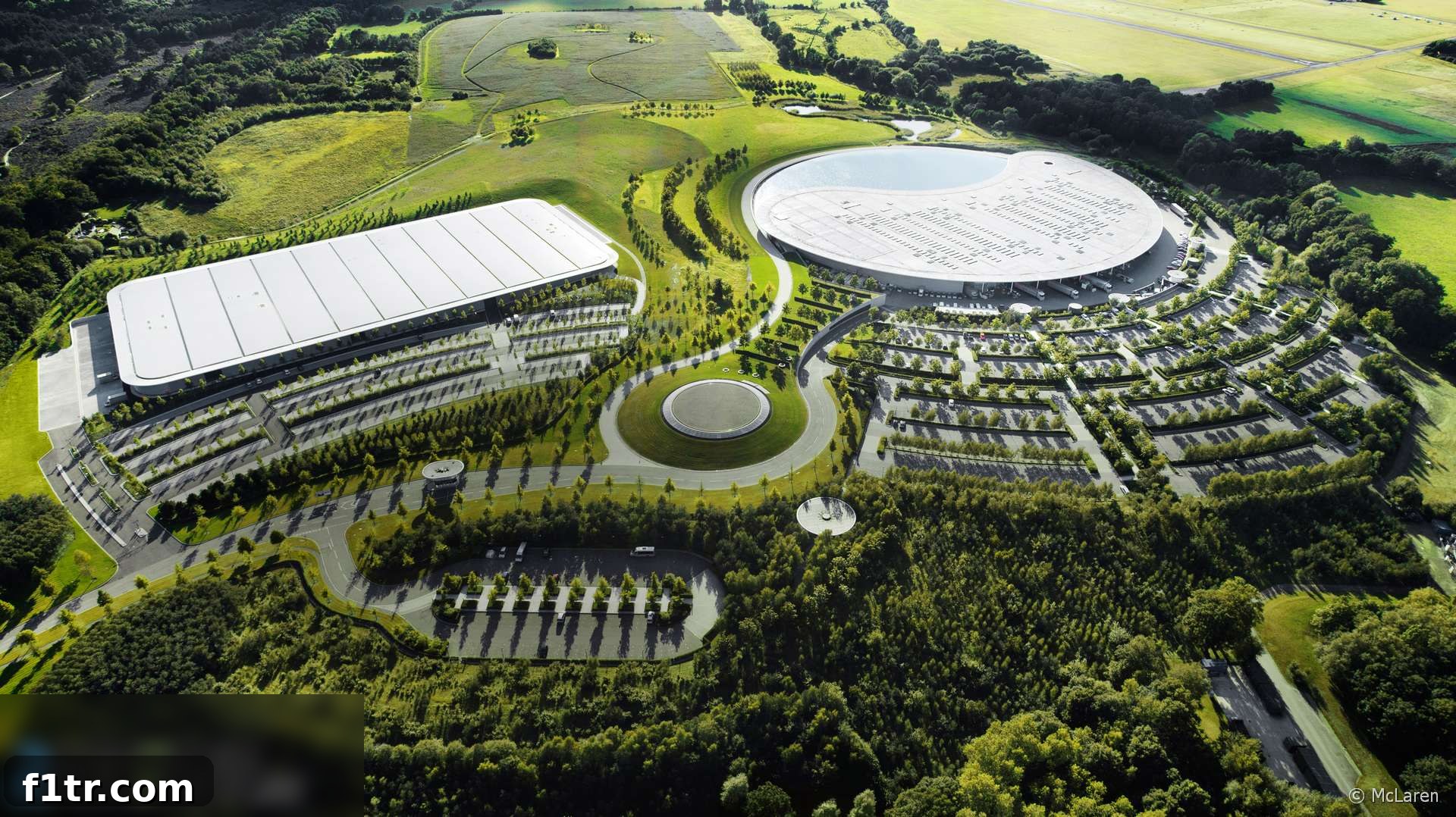
In a world where motorsport mergers and acquisitions frequently fuel the rumor mill, a recent report sent shockwaves through the Formula 1 community, claiming a significant change in the ownership of the iconic McLaren Group. However, the British automotive and racing conglomerate swiftly moved to quash these speculations, issuing a definitive statement that unequivocally denied reports of its acquisition by Audi, a brand under the Volkswagen Group umbrella. This firm denial underscores McLaren’s steadfast commitment to its independent strategic direction and provides crucial clarity amidst a flurry of industry whispers.
Advert | Become a Supporter & go ad-free
The initial report, which surfaced on a Monday morning, painted a picture of Audi leveraging the McLaren acquisition as its strategic entry point into the highly competitive world of Formula 1. Such a move would undoubtedly be monumental, signifying a massive investment and a bold challenge to the established order within the pinnacle of motorsport. The report quickly gained traction, given Audi’s well-documented ambitions to join the F1 grid, particularly in light of the sport’s impending regulatory changes.
“McLaren Group is aware of a news media report stating it has been sold to Audi,” the company stated in an official release. “This is wholly inaccurate and McLaren is seeking to have the story removed.” The unequivocal nature of this statement leaves no room for ambiguity, clearly indicating McLaren’s intent to dispel the misinformation circulating in the media. This strong stance reflects the group’s desire to maintain confidence among its stakeholders, employees, and fans, ensuring that its strategic direction remains transparent and unaffected by unsubstantiated claims.
The statement further elaborated on McLaren’s operational philosophy, which often involves collaboration and discussion with external entities. “McLaren’s technology strategy has always involved ongoing discussions and collaboration with relevant partners and suppliers, including other carmakers, however, there has been no change in the ownership structure of the McLaren Group.” This clarification is crucial, as it distinguishes routine business interactions and potential partnerships from a fundamental change in ownership. McLaren, like many global technology and automotive firms, engages in various dialogues to explore advancements and strategic alliances without necessarily altering its core equity structure. This ongoing engagement is a testament to McLaren’s innovative spirit and its continuous pursuit of excellence across its diverse enterprises.
Understanding the McLaren Group: A Multifaceted Powerhouse
The McLaren Group is far more than just a racing team; it is a conglomerate with distinct and highly respected divisions. Its Racing division is a titan in various motorsports disciplines, fielding formidable teams in Formula 1, where it boasts a rich history of championships and legendary drivers. Beyond F1, McLaren Racing also competes fiercely in IndyCar, showcasing its engineering prowess and competitive spirit on North American circuits. Furthermore, the group is expanding its racing footprint into Extreme E, the off-road electric racing series, demonstrating its commitment to sustainability and future technologies in motorsport. This diverse racing portfolio highlights McLaren’s broad appeal and technical adaptability.
Complementing its racing endeavors is the McLaren Automotive branch, renowned for producing some of the world’s most exhilarating and technologically advanced high-performance road cars. From its supercars to hypercars, McLaren Automotive embodies the brand’s commitment to innovation, speed, and precision engineering, directly translating lessons learned from the racetrack to the road. This synergy between racing and road car development is a hallmark of the McLaren brand, offering a unique proposition to its customers and fans.
While the group has recently streamlined some operations, its core divisions remain robust. The McLaren Applied technology division, which specialized in advanced technological solutions for various industries beyond automotive, was sold to Greybull Capital in August of last year. This strategic divestment allowed McLaren to focus its resources more intently on its core automotive and racing businesses, optimizing its operational efficiency and strategic direction in a rapidly evolving global market.
Recent Financial Landscape and Strategic Investments
Like many global enterprises, the McLaren Group faced significant challenges during the onset of the global pandemic. The unprecedented economic disruption led to substantial operational adjustments, including significant staff cuts. In a difficult but necessary move, McLaren shed approximately 1,200 staff members, a small number of whom were within its racing division, demonstrating the wide-ranging impact of the pandemic across its operations. These measures were critical for navigating the uncertain economic climate and ensuring the long-term viability of the group.
In a crucial strategic move to bolster its financial position and secure its future, McLaren later sold a 33% stake in its Racing division to MSP Sports Capital. This significant investment brought approximately £185 million into the team, providing vital capital for development, infrastructure improvements, and competitive endeavors across its racing platforms. This partnership with MSP Sports Capital not only injected much-needed funds but also brought valuable strategic expertise, further strengthening McLaren Racing’s competitive edge and long-term prospects within Formula 1 and beyond.
Audi’s Enduring Formula 1 Aspirations
The rumors surrounding Audi’s potential acquisition of McLaren are not entirely unfounded when viewed through the lens of the German automotive giant’s long-standing interest in Formula 1. Audi is widely believed to be seriously considering an entry into F1, particularly with the sport’s upcoming changes to its power unit regulations in 2026. These new regulations are designed to make F1 more sustainable, cost-effective, and relevant to road car technology, aspects that align perfectly with Audi’s corporate vision and technological capabilities.
For a brand like Audi, entering Formula 1 represents an unparalleled opportunity for global brand exposure, technological development, and marketing leverage. F1’s global reach, advanced hybrid technology, and increasing emphasis on sustainability offer an ideal platform for Audi to showcase its engineering prowess and reinforce its image as a leading innovator in the automotive sector. The 2026 rule changes, which aim for greater electrical power and a simplified engine architecture, are particularly attractive, as they could level the playing field and allow new entrants to compete more effectively from the outset.
Audi’s exploration of an F1 entry has reportedly involved discussions with several existing teams and potential pathways, including entering as an engine manufacturer, forming a works team, or acquiring an existing outfit. While the McLaren acquisition has been firmly denied, the fact that such rumors persist highlights the seriousness of Audi’s ambitions and the intense speculation surrounding its eventual entry into motorsport’s premier category. The strategic timing for a new manufacturer to join is optimal, given the stability of the sport’s governance under Liberty Media and the burgeoning global interest in F1, particularly in key markets such as the United States.
The Broader Impact of a Potential Audi F1 Entry
Should Audi ultimately decide to join Formula 1, it would represent a transformative moment for the sport. The addition of another major automotive manufacturer would intensify competition, bring significant financial investment, and elevate the technological arms race, pushing the boundaries of engineering innovation. It would also validate F1’s strategic direction, particularly its focus on sustainable hybrid technology and cost controls, which are designed to attract new entrants.
For existing teams, an Audi entry could present both opportunities and challenges. While it might lead to a new engine supplier option or a new competitor, it would also raise the profile of the sport overall, potentially increasing viewership, sponsorship opportunities, and overall commercial value. The prospect of Audi battling traditional F1 powerhouses like Mercedes, Ferrari, and Red Bull would undoubtedly captivate fans and add another compelling narrative to the F1 circus.
Why McLaren (or Not) as an Acquisition Target?
From an outsider’s perspective, McLaren could appear to be an attractive acquisition target for a brand like Audi. It possesses a legendary name, a rich history in Formula 1, world-class facilities in Woking, and a well-established infrastructure for both racing and high-performance automotive production. Its brand equity is immense, and its engineering capabilities are highly regarded. Acquiring McLaren would instantly provide Audi with a turnkey operation, a ready-made F1 team, and a prestige automotive brand.
However, McLaren’s firm denial indicates that such a scenario does not align with its current strategic vision. The group emphasizes its independence and the continuous evolution of its ownership structure without a complete takeover. This independence allows McLaren to chart its own course, pursue diverse technological partnerships, and maintain its unique brand identity in both motorsport and the automotive sector. The investment from MSP Sports Capital further solidified its financial footing, reducing the immediate pressure for a full acquisition and allowing the group to focus on its long-term growth objectives as an independent entity.
The Future Landscape of F1 and Industry Watch
As Formula 1 progresses towards its 2026 regulatory overhaul, the motorsport world will continue to keenly watch for developments regarding Audi’s plans and other potential new entrants. The McLaren denial serves as a strong reminder that while rumors abound, official statements are the definitive source of truth in high-stakes corporate dealings. For now, McLaren remains an independent powerhouse, focused on its endeavors in Formula 1, IndyCar, Extreme E, and the luxury automotive market, while Audi continues its strategic evaluation of how best to make its mark on the pinnacle of motorsport. The coming years promise to be fascinating, both on and off the track, as the automotive and motorsport industries navigate an era of rapid technological advancement and strategic realignment.
Don’t miss anything new from RaceFans
Follow RaceFans on social media to stay updated with the latest news, analyses, and insights from the world of motorsport. Engage with a community of enthusiasts and ensure you’re always in the loop:
- Join RaceFans on Facebook
- Follow RaceFans on Twitter
- Get daily email updates from RaceFans
Advert | Become a RaceFans supporter andgo ad-free
Explore More 2021 F1 Season Articles
Delve deeper into the memorable 2021 Formula 1 season with our comprehensive archive of articles. Relive key moments, controversies, and analyses that shaped one of the most talked-about seasons in recent memory. From championship battles to regulatory debates, our collection offers extensive coverage:
- Masi ‘basically gifted the championship’ to Verstappen says 2021 FIA steward Sullivan
- Las Vegas race backers looking to extend F1 deal beyond 2025
- Why Mercedes put ‘a reminder of joy and pain’ on display in their factory lobby
- Verdict on error in GT race suggests Mercedes would have lost 2021 Abu Dhabi GP appeal
- Title ‘stolen’ from Mercedes made us ‘underdogs people cheer for’ – Wolff
Browse all 2021 F1 season articles