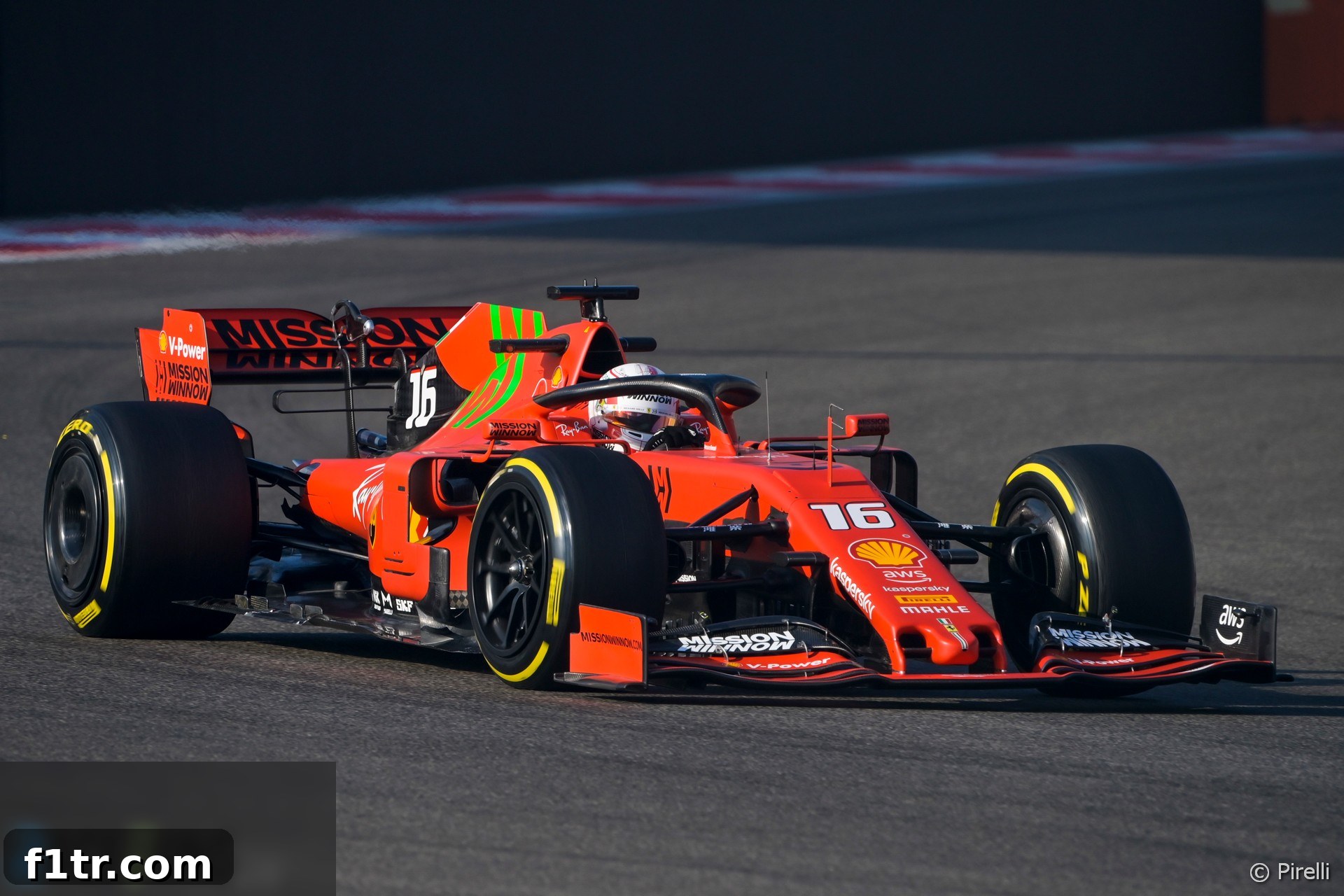
The dawn of the 2022 F1 season heralded one of the most significant overhauls in Formula 1’s technical regulations in recent memory. Central to these changes was the introduction of new 18-inch Pirelli tyres, a radical departure from the long-standing 13-inch wheels. This shift, coupled with an entirely new aerodynamic philosophy designed to promote closer racing, aimed to inject fresh excitement into the sport. As the official tyre supplier, Pirelli faced the monumental task of developing compounds that would align with these ambitious goals. Pirelli’s motorsport director, Mario Isola, acknowledged that while these new tyres might lead to more one-stop races, this outcome is “not an issue” provided that drivers can engage in genuine, hard-fought racing on track.
Pirelli’s Vision for the 2022 F1 Season: The 18-inch Tyre Revolution
The transition to 18-inch tyres was far more than a mere aesthetic change. It represented a fundamental rethinking of how tyres interact with Formula 1 cars and the track. The larger diameter and lower profile sidewall dramatically altered the tyres’ structural characteristics and how they dissipate heat. Pirelli was tasked with designing an entirely new range of compounds tailored to these specifications, with a primary objective: to reduce the high levels of degradation seen in previous seasons. For years, F1 tyres were deliberately designed to degrade quickly, creating strategic dilemmas and multiple pit stops. However, this often led to drivers having to manage their pace to preserve tyres, rather than pushing flat-out.
Redefining Tyre Degradation and Compound Development
Pirelli’s development efforts for the 2022 season focused on creating more robust and durable compounds. The aim was to reduce thermal degradation – the loss of performance due to overheating – and allow drivers to push harder for longer periods without the tyres “falling off a cliff.” This reduction in degradation was expected to have a direct impact on race strategies. In previous eras, a two-stop or even three-stop strategy was commonplace, offering teams various ways to manage their races and potentially gain an advantage through undercut or overcut manoeuvres. With lower degradation, the necessity for frequent pit stops diminishes, making one-stop strategies a more viable and perhaps even preferred option for many races.
Mario Isola openly discussed this strategic conundrum. While Pirelli’s ideal scenario involved maintaining a diverse mix of one and two-stop strategies to keep races unpredictable, he conceded that the nature of the new product might naturally lean towards fewer pit stops. “I hope we don’t have less strategic variability, because the idea and the way in which we have designed the tyres is exactly to continue to have a different strategy mix of one and two stops,” Isola stated, outlining Pirelli’s initial aspirations. However, he quickly followed this by acknowledging the reality: “It is also true that with a new product, with less degradation, it is possible that we have less pit stops – so we have the majority of the races on one stop.” This pragmatic outlook from Pirelli underscored their understanding that the technical characteristics of the new tyres might inevitably alter the strategic landscape of F1 racing.
Mario Isola on Strategic Variability and the Prospect of One-Stop Races
The prospect of a calendar dominated by one-stop races might, at first glance, seem concerning for fans who associate pit stops with drama and strategic intrigue. However, Isola’s stance is nuanced and prioritises a different aspect of racing excitement. He made it clear that despite the lower expected volume of pit stops, he is content to accept one-stop races at the majority of rounds, provided the new tyres genuinely foster more intense and engaging on-track action. This shift in focus signals a fundamental change in how Formula 1 views its spectacle: less emphasis on pit lane theatrics and more on the pure racing product.
Navigating the One-Stop Norm: Less Pit Stops, More On-Track Battles?
For Isola, the ultimate measure of success for the new tyres isn’t the number of pit stops, but the quality of the racing itself. “As I always say, for me, it is not an issue as long as we have good races and action on track,” he explained. This sentiment aligns perfectly with the broader objectives of the 2022 technical regulations, which were meticulously crafted to allow cars to follow each other more closely and, crucially, to make overtaking more feasible without being overly simplistic. The reduction in dirty air and the increased ability for cars to run nose-to-tail were paramount in the minds of the regulation designers, and Pirelli’s tyres needed to support this vision.
The hope is that by enabling drivers to push harder, the new tyres will facilitate more wheel-to-wheel combat throughout a stint. Instead of nursing tyres for a strategic window, drivers can now spend more time fighting, knowing their compounds are more resilient. This could lead to sustained periods of close racing, where overtakes are earned through skill and bravery, rather than just being a consequence of a tyre differential during a pit stop cycle. The philosophy is that a single pit stop race featuring thrilling duels and overtakes is inherently more entertaining than a multi-stop race where drivers are constantly managing their pace and opportunities for on-track action are limited by tyre degradation.
The Core Objective: Enhancing Overtaking and Genuine Racing Action
The discussion around the 2022 tyres and regulations frequently circled back to the quality of overtaking. For years, Formula 1 has grappled with the challenge of making overtaking exciting. While DRS (Drag Reduction System) certainly increased the number of overtakes, many fans and drivers felt these passes were often too easy, lacking the genuine struggle and skill that makes a move truly memorable. Mario Isola emphasized this point, stating that the goal is to empower drivers to “push to overtake” and create “a lot of action.”
Fan Surveys Affirm: Spectators Demand Authentic Battles, Not Easy Passes
Isola highlighted a crucial insight gleaned from F1’s own research into fan preferences. “When overtaking is too easy, it’s not good, it’s important that the driver is putting a lot of effort in trying to overtake. That is exactly what spectators want,” he elaborated. This was corroborated by a survey conducted by Formula 1, which revealed overwhelming feedback from spectators. “There is a survey made by F1 on that, and the majority of feedback was that spectators don’t want easy overtaking. They want action on track and they want fighting.” This data provides a clear mandate for Pirelli and the sport as a whole: prioritize the quality of racing over sheer quantity of passes, and ensure that any overtakes are hard-earned spectacles of skill and courage.
The new technical regulations, designed to make cars less aerodynamically sensitive when following another, coupled with more durable tyres, are the twin pillars supporting this vision. The expectation is that drivers will be able to get closer to their rivals through corners and on straights, and then utilize the improved tyre performance to launch an attack. This would mean battles that stretch over multiple corners or laps, demanding sustained focus and aggressive driving from both the attacker and the defender, rather than a simple DRS-assisted pass on a straight. Such scenarios promise to deliver the ‘fighting’ and ‘action’ that fans so clearly desire, making each overtake a more significant and memorable moment in a race.
Strategic Implications and Team Adaptations for the New Tyre Era
While the focus is on enhancing on-track action, the strategic element of Formula 1 remains crucial. Teams and strategists will have to adapt their approaches significantly to the new tyre characteristics. If one-stop races become the norm, the emphasis shifts from managing multiple pit stop windows to optimizing the single pit stop and managing the tyres effectively over a much longer stint. This means qualifying performance might become even more critical, as track position will be harder to gain through strategy alone. The role of the pit crew, while still vital for a fast stop, might see less frequent pressure. Furthermore, understanding tyre degradation characteristics under various fuel loads and track conditions will be paramount, as a single miscalculation could have severe consequences in a race with fewer opportunities to recover through alternative strategies.
Teams will invest heavily in understanding the nuances of the new 18-inch compounds, how they react to different car setups, and how best to manage them over an extended race distance. The engineers’ ability to extract maximum performance from the tyres while maintaining their integrity will be a key differentiator. The pit stop itself will transform from a strategic chess piece into a crucial execution moment that can still make or break a race, even if it only happens once. The overall effect could be a simplification of strategic choices, but an intensification of on-track battles and car-tyre management skills, ultimately leading to a purer form of racing.
A New Chapter for F1: Prioritizing Race Excitement Over Pit Stop Dramatics
In conclusion, Pirelli’s introduction of 18-inch tyres for the 2022 F1 season, alongside the radical technical regulations, represents a bold step towards reshaping the sport. While it may usher in an era predominantly featuring one-stop races, Mario Isola’s perspective is clear: this is a worthwhile trade-off if it leads to more compelling, hard-fought racing. The emphasis has shifted from manufactured strategic variability through aggressive tyre degradation to fostering organic on-track battles where drivers can push their limits. By prioritizing genuine overtaking and sustained action, F1 aims to deliver the spectacle that fans crave, making each Grand Prix a testament to driver skill and engineering prowess, rather than a predictable sequence of pit stop cycles. The 2022 season and beyond promises a new chapter where the roar of engines and the thrill of wheel-to-wheel combat take centre stage, ensuring the spirit of Formula 1 continues to evolve and captivate.
2022 F1 season
- Mercedes told me “you’re wrong” about 2022 car’s problems – Hamilton
- FIA confirms all 10 F1 teams complied with 2022 cost cap
- Steiner “not ashamed” of panning “slow” Schumacher in Drive to Survive
- Albon believes year out of F1 improved him as a driver
- Hamilton sees diversity gains in F1 years on from his ‘traumatising’ experience of racism
Browse all 2022 F1 season articles