2019 Russian Grand Prix: Unpacking the Qualifying Results and Grid Penalties
The 2019 Formula 1 season brought a thrilling spectacle to the Sochi Autodrom for the Russian Grand Prix. This race weekend was particularly notable not just for the on-track action but also for the significant grid penalties that dramatically reshaped the starting order. While qualifying showcased raw pace and strategic prowess, the ultimate grid positions were a complex tapestry woven with sporting regulations and the pursuit of performance enhancements.
This article provides a comprehensive breakdown of the qualifying session, highlighting the standout performances, the intricate details of the grid penalties, and how they collectively influenced the final starting positions for what promised to be an electrifying race in Sochi.
Qualifying Session Overview: Ferrari’s Dominance and Intense Battles
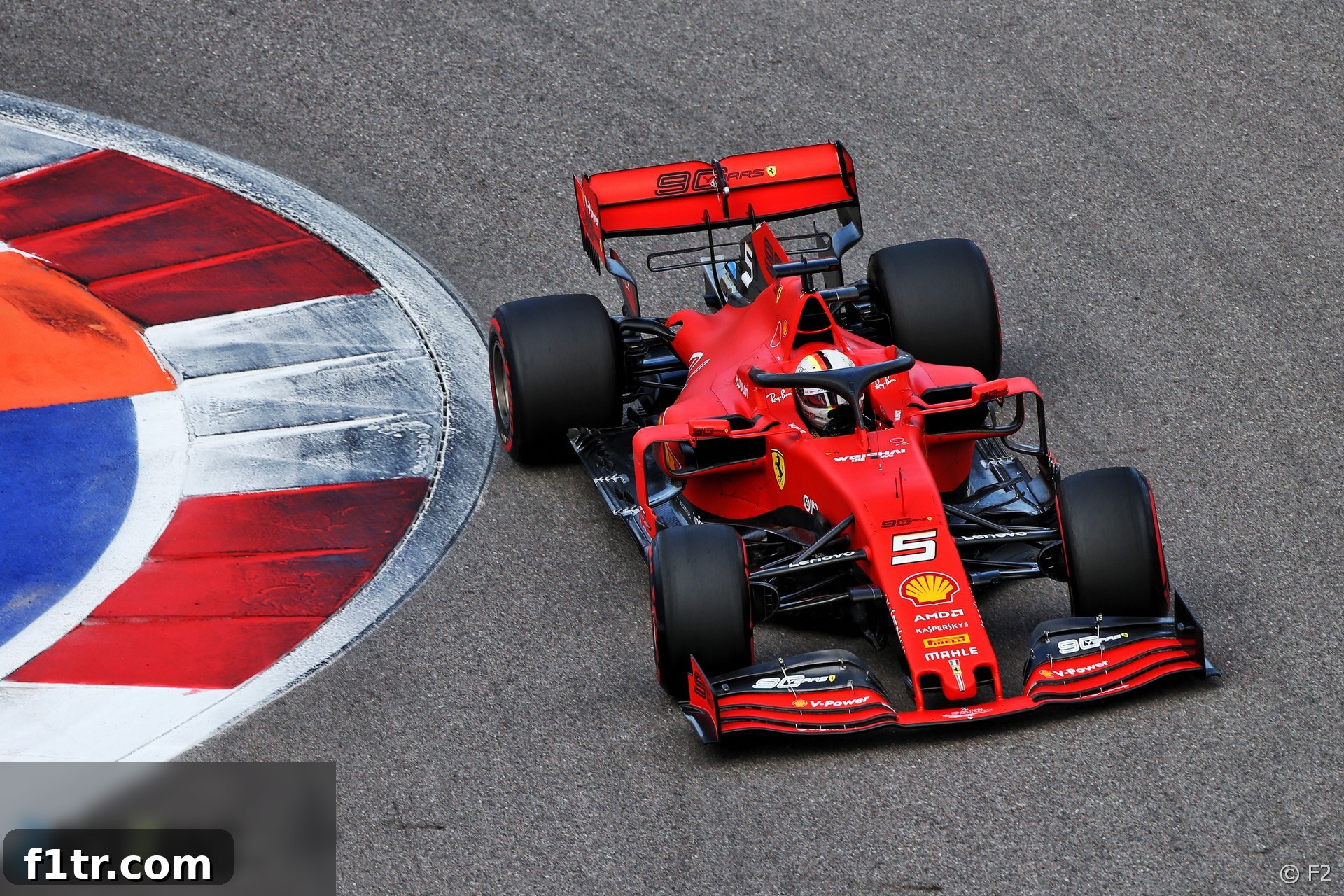
The qualifying session for the 2019 Russian Grand Prix was a showcase of speed and precision, particularly from the Scuderia Ferrari team. The iconic red cars demonstrated formidable pace around the Sochi Autodrom, a circuit known for its long straights and technical low-speed sections. As the qualifying rounds progressed, it became clear that Ferrari had found a sweet spot, culminating in a dominant performance.
Monegasque sensation Charles Leclerc delivered a stunning lap, securing his fourth consecutive pole position and his sixth of the 2019 season. His qualifying time of 1’31.628 was a testament to both his skill and Ferrari’s package, positioning him perfectly at the front of the grid. Right behind him, his teammate Sebastian Vettel also showed strong pace, initially qualifying third with a time of 1’32.053, setting up a tantalizing all-Ferrari front row that ultimately shifted due to penalties affecting other drivers.
Challenging the Ferraris were the Mercedes-AMG Petronas Motorsport drivers. Lewis Hamilton pushed hard, securing second place in qualifying with a time of 1’32.030, just narrowly missing out on pole. His teammate Valtteri Bottas qualified fifth with 1’32.632. The battle between Ferrari and Mercedes at the top was a recurring theme throughout the 2019 season, and Sochi qualifying was no exception, promising another strategic showdown.
The midfield also provided plenty of excitement. McLaren’s Carlos Sainz Jnr and Lando Norris continued their impressive form, demonstrating the team’s upward trajectory in 2019. Renault, Haas, and Racing Point also showed flashes of pace, with drivers like Nico Hulkenberg and Romain Grosjean battling for crucial grid positions. However, the raw qualifying times were only one part of the story, as significant grid penalties were set to reshuffle the entire starting lineup.
Detailed Qualifying Times Before Penalties
To fully understand the impact of the grid penalties, it’s essential to first look at the raw qualifying times achieved by each driver during the session. These times reflect their unhindered performance on the track before any regulatory adjustments were applied. Note that the positions below reflect the order based purely on lap time, which will differ from the final starting grid due to penalties.
| Qualifying Position | Driver | Team | Best Lap Time |
|---|---|---|---|
| 1. | Charles Leclerc | Ferrari | 1’31.628 |
| 2. | Lewis Hamilton | Mercedes | 1’32.030 |
| 3. | Sebastian Vettel | Ferrari | 1’32.053 |
| 4. | Max Verstappen | Red Bull | 1’32.310 |
| 5. | Valtteri Bottas | Mercedes | 1’32.632 |
| 6. | Carlos Sainz Jnr | McLaren | 1’33.222 |
| 7. | Nico Hulkenberg | Renault | 1’33.289 |
| 8. | Lando Norris | McLaren | 1’33.301 |
| 9. | Romain Grosjean | Haas | 1’33.517 |
| 10. | Daniel Ricciardo | Renault | 1’33.661 |
| 11. | Pierre Gasly | Toro Rosso | 1’33.950 |
| 12. | Sergio Perez | Racing Point | 1’33.958 |
| 13. | Antonio Giovinazzi | Alfa Romeo | 1’34.037 |
| 14. | Kevin Magnussen | Haas | 1’34.082 |
| 15. | Lance Stroll | Racing Point | 1’34.233 |
| 16. | Kimi Raikkonen | Alfa Romeo | 1’34.840 |
| 17. | George Russell | Williams | 1’35.356 |
| 18. | Robert Kubica | Williams | 1’36.474 |
| 19. | Alexander Albon | Red Bull | 1’39.197 |
| 20. | Daniil Kvyat | Toro Rosso | No time |
The Impact of Grid Penalties: Reshaping the Starting Order
The 2019 Russian Grand Prix saw several key drivers incur grid penalties, significantly altering their starting positions from where they qualified on pace. These penalties, often due to exceeding the maximum allowed number of power unit components or other technical infringements, are a critical aspect of Formula 1 regulations designed to manage costs and ensure fair competition throughout a long season. For Sochi, four drivers were notably affected:
Max Verstappen (Red Bull Racing)
Despite a strong qualifying performance that saw him initially place fourth on the grid with a rapid 1’32.310 lap time, Max Verstappen was handed a five-place grid penalty. This was for exceeding the maximum number of power unit components allowed in a single season. This strategic change by Red Bull aimed to introduce fresh components to improve reliability and performance for the latter part of the season, but it came at the cost of track position in Sochi. His penalty meant he dropped from P4 to P9, promoting Bottas, Sainz, Hulkenberg, Norris, and Grosjean up the grid.
Pierre Gasly (Scuderia Toro Rosso)
Similar to Verstappen, Pierre Gasly of Toro Rosso also received a five-place grid penalty for exceeding his allocation of power unit components. Gasly had qualified in eleventh position with a time of 1’33.950, just outside the top ten. The penalty pushed him back an additional five places, leaving him to start the race from P16. This setback presented a significant challenge for Gasly, who would have to fight his way through the midfield.
Daniil Kvyat (Scuderia Toro Rosso)
Local hero Daniil Kvyat faced one of the most severe penalties. After failing to set a qualifying time – and consequently failing to beat the 107% time in qualifying – he was granted permission to start the race from the back of the grid. This was compounded by an additional penalty for exceeding the maximum number of power unit components, effectively confirming his P19 starting position, just ahead of Alexander Albon in the pit lane. Starting from the very rear of the field meant a monumental task for Kvyat in front of his home crowd.
Alexander Albon (Red Bull Racing)
Alexander Albon had a particularly challenging weekend. He received a substantial 20-place grid penalty for exceeding the maximum number of power unit components, coupled with a five-place penalty for a gearbox change. To further complicate matters, a change of floor to a different specification resulted in a mandatory pit lane start. While he did manage to set a qualifying time of 1’39.197, his cumulative penalties and the pit lane start meant he effectively began the race from the very last position on the grid, requiring a strong recovery drive.
The Final Starting Grid for the 2019 Russian Grand Prix
Following the application of all grid penalties, the final starting order for the 2019 Russian Grand Prix was confirmed, presenting a fascinating grid with several drivers starting out of position relative to their raw qualifying pace. This reshuffled grid set the stage for an unpredictable race at the Sochi Autodrom.
| Grid Position | Driver | Team | Qualifying Time | Penalty Notes |
|---|---|---|---|---|
| 1. | Charles Leclerc | Ferrari | 1’31.628 | Pole position |
| 2. | Lewis Hamilton | Mercedes | 1’32.030 | |
| 3. | Sebastian Vettel | Ferrari | 1’32.053 | |
| 4. | Valtteri Bottas | Mercedes | 1’32.632 | Promoted due to Verstappen’s penalty |
| 5. | Carlos Sainz Jnr | McLaren | 1’33.222 | Promoted due to Verstappen’s penalty |
| 6. | Nico Hulkenberg | Renault | 1’33.289 | Promoted due to Verstappen’s penalty |
| 7. | Lando Norris | McLaren | 1’33.301 | Promoted due to Verstappen’s penalty |
| 8. | Romain Grosjean | Haas | 1’33.517 | Promoted due to Verstappen’s penalty |
| 9. | Max Verstappen | Red Bull | 1’32.310 | Five-place penalty for exceeding power unit components |
| 10. | Daniel Ricciardo | Renault | 1’33.661 | Promoted due to Gasly’s penalty |
| 11. | Sergio Perez | Racing Point | 1’33.958 | Promoted due to Gasly’s penalty |
| 12. | Antonio Giovinazzi | Alfa Romeo | 1’34.037 | Promoted due to Gasly’s penalty |
| 13. | Kevin Magnussen | Haas | 1’34.082 | Promoted due to Gasly’s penalty |
| 14. | Lance Stroll | Racing Point | 1’34.233 | Promoted due to Gasly’s penalty |
| 15. | Kimi Raikkonen | Alfa Romeo | 1’34.840 | Promoted due to Gasly’s penalty |
| 16. | Pierre Gasly | Toro Rosso | 1’33.950 | Five-place penalty for exceeding power unit components |
| 17. | George Russell | Williams | 1’35.356 | |
| 18. | Robert Kubica | Williams | 1’36.474 | |
| 19. | Daniil Kvyat | Toro Rosso | No time | Back of grid penalty for exceeding PU components; granted permission to start after 107% rule failure |
| 20. | Alexander Albon | Red Bull | 1’39.197 | 20-place PU penalty, 5-place gearbox penalty, pit lane start for floor change |
Strategic Implications for the Race
The final grid set a compelling stage for the 2019 Russian Grand Prix. While Ferrari started strong, the internal team dynamics between Leclerc and Vettel, coupled with Mercedes’ formidable race pace, promised a strategic battle at the front. The significant penalties for Max Verstappen and Alexander Albon meant Red Bull faced a challenging Sunday, requiring brilliant strategy and strong overtaking from their drivers to score meaningful points. Verstappen’s recovery drive from P9 was a key storyline to watch. Similarly, Gasly and Kvyat had their work cut out for them, needing to maximize every opportunity to climb up the order.
The Sochi Autodrom, with its smooth surface and mix of high-speed sections and tighter turns, offers opportunities for overtaking, especially into Turn 2. The combination of qualifying pace, strategic penalties, and the unique characteristics of the circuit ensured that the Russian Grand Prix would be a race rich in drama and unpredictable outcomes, contributing significantly to the evolving narratives of the 2019 F1 season.
Explore More from the 2019 Russian Grand Prix and F1 Grids
Delve deeper into the events and analysis surrounding the thrilling 2019 Russian Grand Prix and other critical moments from the 2019 F1 season with our collection of related articles.
2019 Russian Grand Prix Articles
- Williams clarifies reasons for Kubica and Russell’s retirements in Sochi
- 2019 Russian Grand Prix Star Performers
- Top ten pictures from the 2019 Russian Grand Prix
- Vettel vs Leclerc round two: Complete Ferrari Russian Grand Prix team radio transcript
- Hamilton triumphs as Ferrari’s micro-management backfires
Browse all 2019 Russian Grand Prix articles
2019 F1 Grids and Season Overview
Explore more about how the grids were shaped throughout the 2019 season and understand the broader context of Formula 1’s championship battles.
Browse all 2019 F1 grids