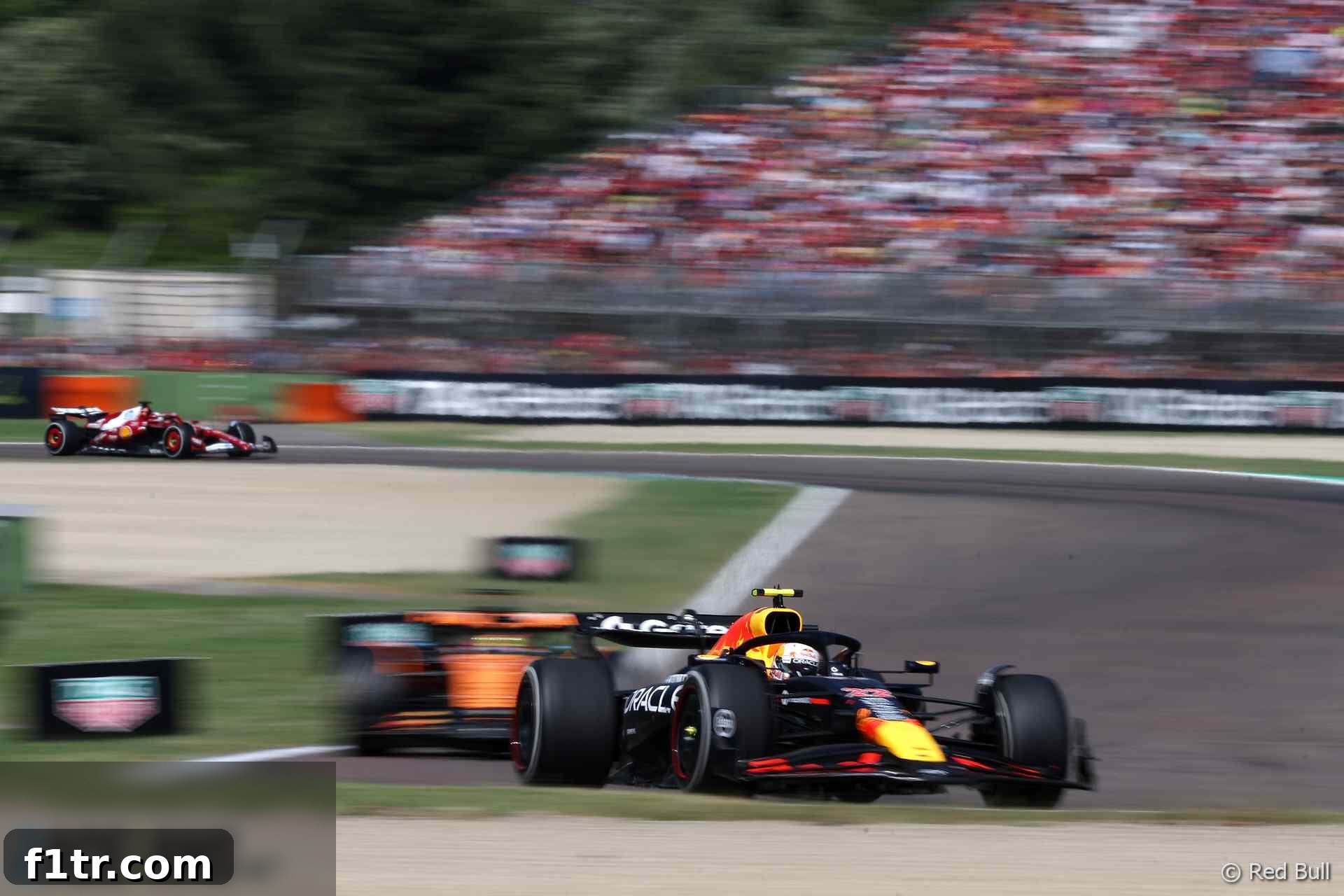
The Emilia-Romagna Grand Prix delivered a thrilling spectacle of Formula 1 racing, marked by intense on-track battles and shrewd strategic plays. At the heart of the action, Max Verstappen, the reigning world champion, demonstrated not only his exceptional driving prowess but also Red Bull Racing’s tactical superiority. His victory was solidified by a perfectly executed team strategy, which notably included the instrumental role played by his junior team counterpart, Yuki Tsunoda, in disrupting the charge of rival Oscar Piastri.
Red Bull’s Masterstroke: Leveraging Team Dynamics
The strategic battle truly began to unfold when Oscar Piastri, piloting his McLaren, made an early pit stop from a strong second position. Red Bull’s race leader, Max Verstappen, was immediately informed about the cars he might encounter upon his own eventual pit stop, and among them was his team-mate, Yuki Tsunoda. Verstappen, with his characteristic quick thinking, swiftly communicated to his pit wall, suggesting that Tsunoda should be instructed to “not make life easy” for Piastri.
However, the Red Bull pit wall was already a step ahead, showcasing their proactive and finely tuned race management. Tsunoda’s race engineer, Richard Wood, had already pre-empted the situation, advising his driver to prepare to strategically delay Piastri as soon as the McLaren headed into the pits. The timing became even more critical due to Piastri’s pit stop being slower than ideal, which meant he would likely take longer to catch Tsunoda on track, amplifying the potential impact of Red Bull’s impeding strategy. Once Piastri was closing in, a second, more explicit instruction was issued to Tsunoda to hold up the McLaren:
| Lap: 13/63 TSU: 1’22.619 | |||||||||||||||||||||||||||||||||||||||||||||||||||
| Wood | Okay, so Leclerc. Russell and Sainz have boxed early, they were suffering from rear deg on the medium tyre as well. | ||||||||||||||||||||||||||||||||||||||||||||||||||
| Tsunoda | I think it’s not easy to go on plan A. | ||||||||||||||||||||||||||||||||||||||||||||||||||
| Lap: 14/63 TSU: 1’22.874 | |||||||||||||||||||||||||||||||||||||||||||||||||||
| Speaker 1 | Okay so Piastri will be coming out behind you. He was racing Max at the front of the race, so don’t make his life easy. | ||||||||||||||||||||||||||||||||||||||||||||||||||
| Tsunoda | So I prefer plan B. | ||||||||||||||||||||||||||||||||||||||||||||||||||
| Lap: 15/63 TSU: 1’22.856 | |||||||||||||||||||||||||||||||||||||||||||||||||||
| Wood | So we’re looking at options, but keep on top of your management just now. | ||||||||||||||||||||||||||||||||||||||||||||||||||
| Lap: 16/63 TSU: 1’22.732 | |||||||||||||||||||||||||||||||||||||||||||||||||||
| Tsunoda | I feel like if I have free air, I think I have pace. | ||||||||||||||||||||||||||||||||||||||||||||||||||
| Wood | Yeah, copy that. Keep on top of your management. You’re doing a good job. | ||||||||||||||||||||||||||||||||||||||||||||||||||
| Wood | Approaching Rivazza So car behind is Piastri, 1.5 seconds, he is Max’s race, so do your best to hold him up. |
||||||||||||||||||||||||||||||||||||||||||||||||||
| Lap: 18/63 TSU: 1’23.625 | |||||||||||||||||||||||||||||||||||||||||||||||||||
| Wood | Piastri passes Tsunoda at Tamburello Okay so the car behind us now is Leclerc, 2.3 behind. He is the first of the two-stoppers. Keep on top of your management. |
||||||||||||||||||||||||||||||||||||||||||||||||||
The Impact of Tactical Delay
The instructions to Tsunoda were clear and unambiguous: “He is Max’s race, so do your best to hold him up.” This directive was a crucial element of Red Bull’s strategy, designed to provide Verstappen with a critical time advantage and further solidify his lead. Imola, with its challenging layout and limited overtaking opportunities, makes track position immensely valuable. Any delay for a pursuing car, even for a lap or two, can translate into precious seconds for the leader. Tsunoda, despite expressing his own desire for free air and pace, dutifully executed the team’s instructions, becoming a temporary roadblock for Piastri.
While Piastri eventually managed to pass Tsunoda at Tamburello, the damage to McLaren’s strategy was already done. The delay, combined with his earlier slow pit stop, meant Piastri lost valuable seconds in his pursuit of Verstappen. This incident underscores the intricate and often ruthless nature of Formula 1 team strategy, where every tenth of a second and every car on track can be utilized to gain an advantage.
Verstappen’s Early Stint and McLaren’s Strategic Dilemma
The race began with Oscar Piastri hot on Verstappen’s heels after the Red Bull driver had seized the lead at the start. For several opening laps, Piastri maintained pressure, keeping the gap manageable and hinting at a potential challenge. McLaren’s internal discussions, as revealed through Piastri’s radio messages, indicated their consideration of an early first pit stop, perhaps hoping to undercut Verstappen or force Red Bull into a reactive move.
However, Verstappen’s radio exchanges with his race engineer, Gianpiero Lambiase, painted a different picture of Red Bull’s strategic thinking. They were not contemplating an early stop. Lambiase meticulously pointed out the lack of suitable gaps in traffic that Verstappen might emerge into, indicating that an early stop would likely trap him behind slower cars and negate any potential advantage. This calm, data-driven approach allowed Verstappen to maintain his pace and manage his tires without succumbing to external pressure.
| Lap: 1/63 VER: 1’22.992 | |||||||||||||||||||||||||||||||||||||||||||||||||||
| Lambiase | And mode six, Max. | ||||||||||||||||||||||||||||||||||||||||||||||||||
| Lap: 2/63 VER: 1’21.131 | |||||||||||||||||||||||||||||||||||||||||||||||||||
| Lambiase | DRS, enabled. Gap 1.3. Display eight when you can. | ||||||||||||||||||||||||||||||||||||||||||||||||||
| Lap: 3/63 VER: 1’21.258 | |||||||||||||||||||||||||||||||||||||||||||||||||||
| Lambiase | 1.4 | ||||||||||||||||||||||||||||||||||||||||||||||||||
| Lap: 4/63 VER: 1’21.218 | |||||||||||||||||||||||||||||||||||||||||||||||||||
| Lambiase | 1.5 | ||||||||||||||||||||||||||||||||||||||||||||||||||
| Lambiase | All your trade-offs at the moment, Max, are looking good. Keep it up. | ||||||||||||||||||||||||||||||||||||||||||||||||||
| Lap: 5/63 VER: 1’21.228 | |||||||||||||||||||||||||||||||||||||||||||||||||||
| Lambiase | 1.6 | ||||||||||||||||||||||||||||||||||||||||||||||||||
| Lambiase | Piastri beginning to push sector one a little. The gap 1.4. | ||||||||||||||||||||||||||||||||||||||||||||||||||
As the race progressed, the focus shifted to tire management and maintaining optimal performance. Lambiase provided Verstappen with detailed feedback on Piastri’s sector times and tire usage, allowing Verstappen to fine-tune his driving style. Verstappen also relayed critical feedback about his car’s handling, particularly its tendency to snap, which Lambiase acknowledged and adapted to, illustrating the seamless communication within the Red Bull team.
| Lap: 7/63 VER: 1’21.496 | |||||||||||||||||||||||||||||||||||||||||||||||||||
| Lambiase | Max, just see if you can pick a line through turn one and across Safety Car line two. | ||||||||||||||||||||||||||||||||||||||||||||||||||
| Lambiase | Verstappen drives more to the left at turn one than the previous lap That was very good, Max, thank you. Keep that line. |
||||||||||||||||||||||||||||||||||||||||||||||||||
| Lap: 8/63 VER: 1’21.206 | |||||||||||||||||||||||||||||||||||||||||||||||||||
| Lambiase | Gap is 1.7 | ||||||||||||||||||||||||||||||||||||||||||||||||||
| Lap: 9/63 VER: 1’21.194 | |||||||||||||||||||||||||||||||||||||||||||||||||||
| Lambiase | Okay Max, race update, the only spread really is to Russell, it’s a DRS train pretty much behind Russell. And the gap to Russell, 4.7. | ||||||||||||||||||||||||||||||||||||||||||||||||||
| Lap: 10/63 VER: 1’21.257 | |||||||||||||||||||||||||||||||||||||||||||||||||||
| Lambiase | Max looking across an average of laps, we’re pushing two, giving up three relative to Piastri. Piastri pushing nine a lot more than us. | ||||||||||||||||||||||||||||||||||||||||||||||||||
| Lap: 11/63 VER: 1’21.289 | |||||||||||||||||||||||||||||||||||||||||||||||||||
| Lambiase | Your management in… | ||||||||||||||||||||||||||||||||||||||||||||||||||
| Verstappen | Interrupts I can’t really push three, mate, the car snaps on me. |
||||||||||||||||||||||||||||||||||||||||||||||||||
| Lambiase | Okay, understood, that’s fine. The other thing, we are managing well in 11, just don’t let it affect your braking into 12 too much. The gap is 2.1. That is 10 laps complete. | ||||||||||||||||||||||||||||||||||||||||||||||||||
| Lambiase | So Norris now past Russell. Russell struggling with rear-right. So for us, just keep on top of your current plan. Everything under control, any concerns? | ||||||||||||||||||||||||||||||||||||||||||||||||||
| Lap: 12/63 VER: 1’21.510 | |||||||||||||||||||||||||||||||||||||||||||||||||||
| Verstappen | Er, yeah, all under control for now. | ||||||||||||||||||||||||||||||||||||||||||||||||||
| Lambiase | Okay, understood. Gap 2.6. Piastri’s last two laps, 21.7. | ||||||||||||||||||||||||||||||||||||||||||||||||||
The Norris Challenge and a Timely VSC
Once Piastri had pitted and been strategically delayed, Verstappen’s focus seamlessly shifted to Lando Norris, who was now his closest challenger. Norris, driving an equally competitive McLaren, was in free air and attempting to close the gap. However, Verstappen maintained a solid lead, ensuring Norris wasn’t able to make significant inroads before his own pit stop.
It was during this phase that Verstappen’s suggestion regarding Tsunoda came to light. The Red Bull pit wall had already acted, confirming their preemptive tactical preparations. Verstappen’s quick request to “tell Yuki not to make it too [unclear]” demonstrated his understanding of the unfolding race strategy and his trust in the team to execute it.
| Lap: 13/63 VER: 1’21.435 | |||||||||||||||||||||||||||||||||||||||||||||||||||
| Lambiase | Gap 2.7. | ||||||||||||||||||||||||||||||||||||||||||||||||||
| Lambiase | Info, Piastri has been told to push, we are happy as you are for now. So, Piastri is in pit lane. Continue as you are, Max. Piastri will come out behind a train of four cars including Yuki. | ||||||||||||||||||||||||||||||||||||||||||||||||||
| Lap: 14/63 VER: 1’21.402 | |||||||||||||||||||||||||||||||||||||||||||||||||||
| Verstappen | Ah, tell Yuki not to make it too [unclear] | ||||||||||||||||||||||||||||||||||||||||||||||||||
| Lambiase | Norris free air, 21.3. Gap to Norris across the line 10.5. Can I have a front flap update for the next stint please? | ||||||||||||||||||||||||||||||||||||||||||||||||||
| Verstappen | Yeah, perfect on this tyre. | ||||||||||||||||||||||||||||||||||||||||||||||||||
| Lambiase | Okay. | ||||||||||||||||||||||||||||||||||||||||||||||||||
| Lap: 15/63 VER: 1’21.231 | |||||||||||||||||||||||||||||||||||||||||||||||||||
| Speaker 1 | Gap to Norris 10.4. | ||||||||||||||||||||||||||||||||||||||||||||||||||
| Lap: 16/63 VER: 1’21.276 | |||||||||||||||||||||||||||||||||||||||||||||||||||
| Lambiase | Norris, 10.2. | ||||||||||||||||||||||||||||||||||||||||||||||||||
| Lap: 17/63 VER: 1’21.024 | |||||||||||||||||||||||||||||||||||||||||||||||||||
| Lambiase | Main loss to Norris turn nine, turn 12. | ||||||||||||||||||||||||||||||||||||||||||||||||||
| Lambiase | Yeah, confirmed, turn six, turn nine, turn 12. | ||||||||||||||||||||||||||||||||||||||||||||||||||
| Lap: 18/63 VER: 1’20.856 | |||||||||||||||||||||||||||||||||||||||||||||||||||
| Lambiase | This is a strong lap, Max. So find your comfort zone between your rhythm before and this last lap but keep on top of slips. Gap is back up to 9.9. | ||||||||||||||||||||||||||||||||||||||||||||||||||
| Lap: 21/63 VER: 1’21.115 | |||||||||||||||||||||||||||||||||||||||||||||||||||
| Lambiase | 20 laps complete. | ||||||||||||||||||||||||||||||||||||||||||||||||||
| Lap: 27/63 VER: 1’21.316 | |||||||||||||||||||||||||||||||||||||||||||||||||||
| Lambiase | That’s good pace Max, keep it up. | ||||||||||||||||||||||||||||||||||||||||||||||||||
| Lambiase | Gap is 9.5. | ||||||||||||||||||||||||||||||||||||||||||||||||||
| Lap: 28/63 VER: 1’21.579 | |||||||||||||||||||||||||||||||||||||||||||||||||||
| Lambiase | Norris pits Gap 9.7. Everything you’ve got, Max. Everything you’ve got this lap. |
||||||||||||||||||||||||||||||||||||||||||||||||||
| Lap: 29/63 VER: 1’32.728 | |||||||||||||||||||||||||||||||||||||||||||||||||||
| Verstappen | There’s a car stopped. | ||||||||||||||||||||||||||||||||||||||||||||||||||
| Lambiase | Understood. | ||||||||||||||||||||||||||||||||||||||||||||||||||
| Lambiase | VSC deployed, Max, dash positive, dash positive and we are boxing this lap. Box this lap. Strat 12 in pit lane. Strat 12 in pit lane. | ||||||||||||||||||||||||||||||||||||||||||||||||||
Just as Norris was about to make his pit stop, a fortuitous Virtual Safety Car (VSC) period was deployed due to a stopped car on track. This timing proved to be an unexpected boon for Verstappen and Red Bull. The VSC effectively neutralized the race, allowing Verstappen to pit under reduced speed conditions, minimizing the time loss typically associated with a full-speed pit stop. This unexpected advantage cemented his lead and effectively ended any realistic challenge from Norris in the closing stages of the Grand Prix.
Conclusion: A Symphony of Driver Skill and Strategic Acumen
Max Verstappen’s victory at the Emilia-Romagna Grand Prix was a testament to a complete package: his unparalleled driving skill, the raw pace of the Red Bull car, and the strategic brilliance of his team. The tactical deployment of Yuki Tsunoda to impede Oscar Piastri was a critical maneuver, demonstrating Red Bull’s readiness to leverage every available asset to secure a win. This pre-emptive and reactive strategic execution, combined with seamless communication between driver and pit wall, allowed Verstappen to manage his race with authority, fend off challenges, and ultimately cross the finish line first.
The Imola race served as a compelling example of how modern Formula 1 is not just a test of speed but a complex strategic chess match. Red Bull’s ability to anticipate, react, and even create opportunities through clever team tactics set them apart, ensuring that Max Verstappen continued his dominant run in the championship. Such strategic plays highlight the intense preparation and coordination required behind the scenes to deliver a Grand Prix victory.
2025 Emilia Romagna Grand Prix Articles
- Antonelli was tiring from home race at Imola attention by Friday – Wolff
- Ferrari struggling to recreate set-up which “worked well” in Shanghai – Hamilton
- Verstappen told Red Bull to use Tsunoda before “hold him up” call
- ‘Saturdays have been mine for years but for some reason it’s drifted away’ – Norris
- “Plan C?”: Why McLaren only got their strategy right for one driver at Imola
Browse all 2025 Emilia Romagna Grand Prix articles