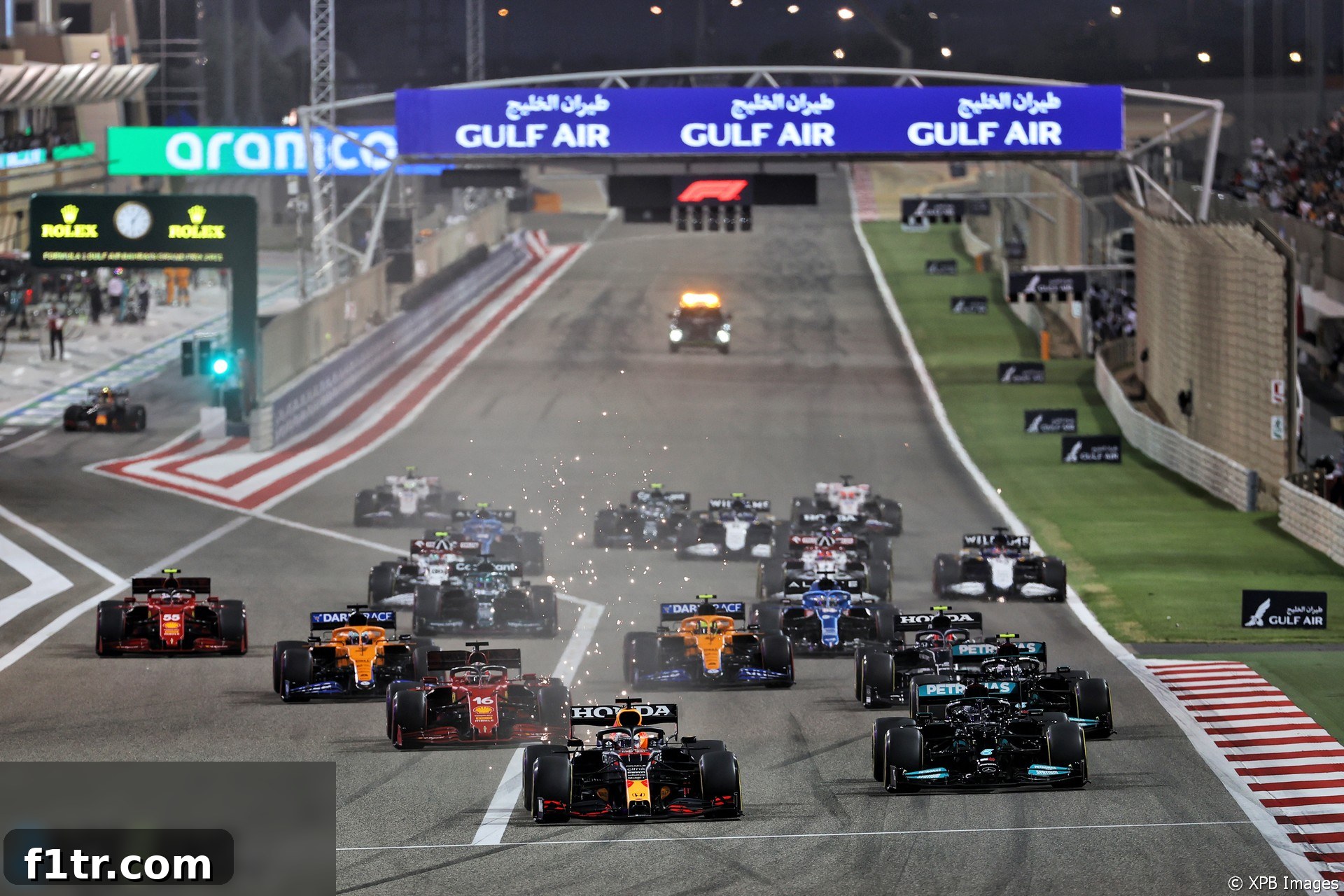
Formula 1, the pinnacle of motorsport, has witnessed remarkable growth and transformation throughout its history. From its nascent stages with a handful of races to becoming a global spectacle, the sport has continually pushed boundaries, both on track and in its expanding calendar. The 2022 season marked a significant milestone, proudly presenting the longest schedule ever conceived, featuring an ambitious 23 Grands Prix. This extensive calendar represented not just an increase in race weekends but also a deeper commitment to global outreach, integrating new and returning classic venues alongside the sport’s traditional strongholds.
The addition of a brand new street circuit in Miami brought the glamour of Formula 1 to a vibrant new American market, signaling the sport’s aggressive expansion strategy. This eagerly anticipated event joined a roster of beloved returning circuits, including the iconic tracks in Australia, Canada, Japan, and Singapore, all of which contribute unique character and challenges to the championship. These modern additions and welcomed returns complement the enduring staples of the Formula 1 calendar, circuits that have hosted thrilling battles and defined generations of racing. This blend of heritage and innovation underscores Formula 1’s appeal to a diverse global audience.
However, the burgeoning schedule, combined with the proposed expansion of the controversial ‘sprint race’ format to six rounds in 2022, brought forth a new challenge: the increasing demand on fans’ time and engagement. Never before had the commitment required to follow every single lap of a Formula 1 season been so substantial. The implications of such a packed calendar extend beyond mere viewership, touching upon fan loyalty, potential burnout, and the very essence of what constitutes a ‘Grand Prix weekend.’
The Evolution of the F1 Calendar: A Journey Through Decades
Understanding the current state of the Formula 1 calendar requires a look back at its fascinating evolution. The inaugural World Championship season in the 1950s typically featured a concise schedule of around eight races. These early years were characterized by a more regional focus, with most events concentrated in Europe. The logistical complexities of intercontinental travel were immense, and the sport was still establishing its global footprint.
The 1970s saw a significant expansion, reflecting the sport’s growing popularity and commercial appeal. By the 1977 season, the calendar reached a then-unprecedented 17 rounds, indicating a clear shift towards a broader international presence. Over the subsequent two decades, the calendar largely stabilized, typically fluctuating between 15 and 17 races per season. This period fostered a strong sense of tradition around specific circuits, many of which became synonymous with the sport.
The dawn of the new millennium ushered in another phase of rapid growth. In 2004, the Formula 1 calendar exceeded 17 rounds for the first time, reaching 18 races. This expansion was driven by a combination of factors, including increased commercial revenues, the desire to tap into emerging markets, and advancements in logistics that made global travel more feasible. As the 2010s unfolded, the season further expanded, regularly featuring 19 and even 20 races. The trend was clear: more races meant more exposure, more revenue, and a larger global audience.
Since Liberty Media assumed ownership of Formula 1, the sport has accelerated its global ambitions. With the exception of the heavily pandemic-compromised 2020 season, which still managed a commendable 17 races under extraordinary circumstances, the calendar has consistently maintained over 20 races annually. The 2021 season, despite the lingering logistical challenges posed by COVID-19, still managed to deliver a 22-race schedule, setting a new benchmark for the most frequent F1 season at the time. This relentless pursuit of expansion culminated in the record-breaking 23-race calendar of 2022, a testament to the sport’s robust health and global appeal.
The Impact of a Longer F1 Season on Fan Engagement
While an extended Formula 1 calendar offers more opportunities for thrilling racing, it also presents a dilemma for fans. The sheer volume of content — from practice sessions, qualifying, and the Grand Prix itself, now augmented by sprint races — demands a considerable time investment. For dedicated enthusiasts, the prospect of following every single lap across 23 weekends, often spanning different time zones, can be exhilarating but also exhausting.
Modern viewing habits have diversified, with many fans opting to consume F1 content live, on-demand, through recorded broadcasts, or via comprehensive highlights packages. The rise of dedicated streaming services like F1 TV Pro has further enabled flexible viewing, allowing fans to catch up on action at their convenience. However, the intrinsic “live” nature of competitive sport means that many still strive to experience the drama unfold in real-time. This commitment can be challenging, particularly for fans balancing personal and professional responsibilities.
The sport’s expanded footprint aims to capture new audiences, but it also risks saturating existing fanbases. The balance between offering “more racing” and maintaining the perceived exclusivity and specialness of each Grand Prix is crucial. Fans often debate whether quantity truly translates to quality, or if a more concentrated calendar might enhance the prestige of each event.
Sprint Races: A Divisive Innovation
The introduction and subsequent expansion of the sprint race format have added another layer to the Formula 1 viewing experience. Conceived to inject more excitement into Grand Prix weekends and potentially attract casual viewers, sprint races alter the traditional format by hosting a shorter race on Saturday, which then determines the grid for Sunday’s main Grand Prix. In 2022, the proposal to increase these events to six rounds further intensified the debate among fans, teams, and drivers.
Proponents argue that sprint races provide additional competitive action, making every day of a Grand Prix weekend meaningful. They can create unpredictable scenarios, encourage more aggressive driving, and offer extra points towards the championship. For broadcasters, it means more premium content. However, critics express concerns that sprint races might dilute the significance of Sunday’s main event, add unnecessary risk for drivers and teams, and potentially reduce the amount of free practice time available for car setup and development. Many purists also feel it deviates too far from the traditional Grand Prix format that has defined the sport for decades.
The fan reception to sprint races has been mixed. While some appreciate the added spectacle, others view them with skepticism, fearing they compromise the integrity of the Grand Prix weekend. As Formula 1 continues to evolve its calendar and race formats, understanding and responding to fan sentiment remains paramount. The ongoing dialogue around sprint races highlights the dynamic tension between tradition and innovation in modern motorsport.
The Future of F1 Viewing and Fan Loyalty
In an increasingly crowded sporting landscape, Formula 1’s ability to engage and retain its global audience is more critical than ever. The extensive calendar, while commercially beneficial, places a significant burden on the average fan’s time. The question of how many races fans intend to watch, whether live, recorded, or as highlights, speaks volumes about their level of commitment and the perceived value of the content. This engagement is crucial for the sport’s long-term health and its ability to attract new generations of fans.
Platforms like social media and dedicated fan communities play a vital role in fostering loyalty and conversation around the sport. These spaces allow fans to share their passion, discuss races, and debate format changes. Formula 1’s strategists must constantly evaluate how calendar length and race formats impact this fan interaction and overall satisfaction. Striking a harmonious balance between commercial expansion and preserving the fan experience will define the sport’s trajectory in the years to come. The goal is to maximize viewership and revenue without sacrificing the quality, excitement, and heritage that make Formula 1 truly special.
For fans, the Formula 1 season is more than just a series of races; it’s a narrative, a journey, and a passion. Whether one commits to every single moment or selectively tunes into key events, the enduring appeal of high-octane racing, technological marvels, and intense competition ensures that Formula 1 remains a captivating global phenomenon.
Debates and polls
- What must Formula 1 fix with its new rules – and what should it leave unchanged?
- ADUO: Do F1 teams who fall behind deserve to get help to catch up?
- F1 is considering doubling its sprint races. Do you want more or fewer?
- Will this be a fight or a rout? 20 questions for the 2026 Formula 1 season
- Which Formula 1 team has the best-looking car – and the worst – for the 2026 season?
Browse all debates and polls