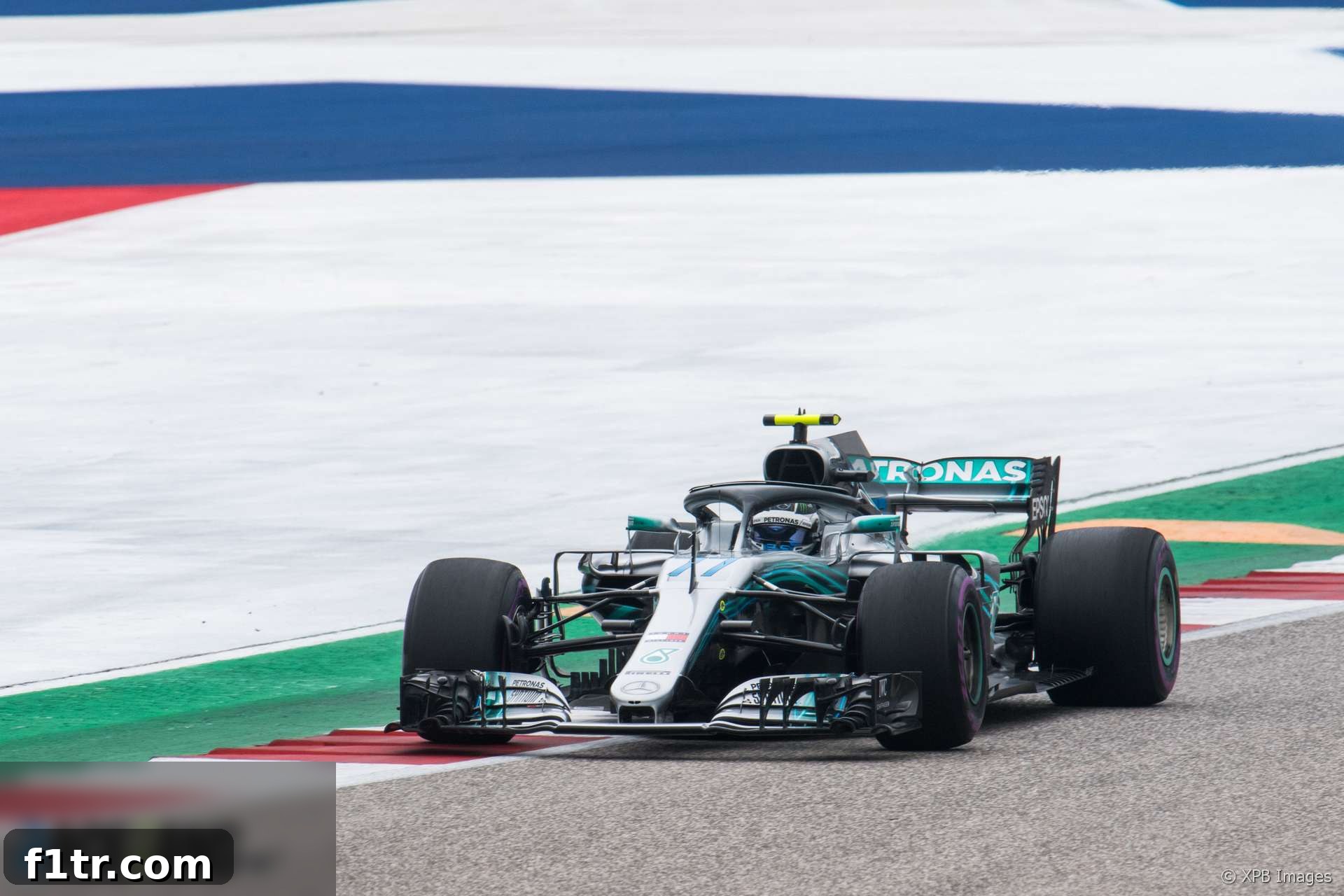
In a significant development following a thrilling qualifying session, Formula 1 drivers Valtteri Bottas and Esteban Ocon have been officially cleared by the race stewards. The pair had faced an investigation for allegedly driving too slowly during their qualifying in-laps, an infraction that could have resulted in grid penalties and significantly altered their starting positions for Sunday’s eagerly anticipated Grand Prix.
Advert | Become a Supporter & go ad-free
The investigation stemmed from both drivers exceeding the maximum allowed time between the designated Safety Car lines during their cool-down laps. This particular regulation is a cornerstone of modern F1 safety protocols, meticulously enforced to maintain a safe speed differential across the track. The aim is to prevent potentially dangerous situations where drivers on high-speed qualifying laps encounter competitors circulating at significantly reduced speeds as they return to the pits or prepare for another flying lap. Such incidents, if unchecked, can lead to severe accidents, particularly on circuits with blind corners or high-speed sections.
Following a thorough review of telemetry data, on-board footage, and discussions with the drivers and their teams, the stewards concluded that neither Bottas nor Ocon “did not drive unnecessarily slowly or in a manner to adversely affect any other driver.” This ruling highlights a nuanced interpretation of the rule, taking into account the specific circumstances of the qualifying session, including track conditions, traffic management, and the need for drivers to manage tyre temperatures and fuel levels during their in-laps. The stewards acknowledged that while the maximum time delta was exceeded, the intent or impact was not detrimental to the safety or fairness of the session.
“Noting all the circumstances involved, the stewards take no further action,” read the official statement. This decision underscores the careful balance stewards must strike between enforcing strict regulations and understanding the dynamic realities of Formula 1 qualifying. Factors such as a sudden lift-off due to unexpected traffic ahead, a genuine need for tyre management, or simply positioning oneself for a clearer run on the next lap are often considered when assessing such infringements. In this instance, it appears Bottas and Ocon presented compelling arguments or sufficient evidence to demonstrate their actions were not reckless or intentionally obstructive.
The clearance means that both drivers will retain their hard-earned grid positions for Sunday’s race. Valtteri Bottas is therefore confirmed to start from an excellent third place on the grid, positioning his car strongly for a podium challenge. Esteban Ocon, meanwhile, will line up in sixth position, a fantastic result for his team and a testament to his qualifying prowess. These starting positions are crucial for their respective race strategies and aspirations, providing a significant advantage over competitors who might have been hoping for a penalty to move up the order.
Ocon Delights in “Best of the Rest” Performance
Speaking after the session and before the stewards’ decision was made public, Esteban Ocon expressed immense satisfaction with his performance, particularly with his ability to lead the midfield teams. “It’s awesome to be sixth on the grid – the best of the rest – but it was a really close session all the way through,” he commented, his excitement palpable. “In Q3, my lap was very strong and the car was working really well.”
Ocon’s P6 finish is a significant boost for Alpine, demonstrating the competitive progress the team has made. The ‘best of the rest’ title in Formula 1 is highly coveted, signifying the strongest performance outside of the sport’s traditional top three teams. For Ocon, consistently extracting such strong results in qualifying not only bolsters his confidence but also provides a vital platform for points scoring on race day. His ability to deliver a “very strong” lap under pressure in Q3, the final and most crucial phase of qualifying, highlights his skill and the effective setup of his car. This performance sets a promising tone for Alpine as they aim to consolidate their position in the constructors’ championship.
Bottas Secures Strong P3 Start
While no direct quotes from Valtteri Bottas regarding the investigation were immediately available, his third-place starting position speaks volumes about his performance. Securing P3 places him firmly in contention at the sharp end of the grid, offering a prime opportunity to challenge for victory or a significant points haul. For Bottas, starting ahead of several key rivals is a strategic advantage, allowing him to dictate pace and manage tyre degradation more effectively in the early stages of the race. The Mercedes team will undoubtedly be pleased with his robust qualifying effort, especially given the intense competition at the front of the field. This strong starting position is a crucial building block for his Sunday ambitions.
The Importance of F1 Qualifying Regulations
The incident involving Bottas and Ocon serves as a timely reminder of the critical importance of regulations governing driver conduct during qualifying sessions. F1 qualifying is a high-stakes arena where fractions of a second can separate triumph from disappointment. While drivers are under immense pressure to find every possible advantage, safety must always remain paramount. The rule regarding maximum time between Safety Car lines is a preventative measure, designed to mitigate risks associated with significant speed differentials. Without such rules, the track could become a far more perilous place, increasing the likelihood of high-speed collisions during critical moments of the race weekend.
F1’s governing body, the FIA, continuously reviews and refines these regulations to ensure they are fit for purpose. This includes not only rules about driving too slowly but also those concerning track limits, yellow flag infringements, and impeding other drivers. Each regulation aims to create a level playing field, foster fair competition, and most importantly, safeguard the well-being of the drivers and trackside personnel. The stewards’ decision in this case demonstrates the rigorous and often complex process involved in interpreting these rules within the fast-paced, high-pressure environment of Formula 1.
As the Grand Prix weekend progresses, all eyes will now turn to the race itself, where Bottas and Ocon will look to convert their strong qualifying performances and the stewards’ lenient decision into valuable championship points. Their positions on the grid offer both drivers significant opportunities to make an impact, and fans can anticipate an exciting battle as they navigate the opening laps.
Don’t miss anything new from RaceFans
Follow RaceFans on social media:
- Join RaceFans on Facebook
- Follow RaceFans on Twitter
- Get daily email updates from RaceFans
Advert | Become a RaceFans supporter andgo ad-free
2018 F1 season
- F1 feared “death knell” for Drive to Survive after Ferrari and Mercedes snub
- McLaren staff told us we were “totally crazy” to take Honda engines in 2018 – Tost
- ‘It doesn’t matter if we start last’: How Red Bull’s junior team aided Honda’s leap forward
- Honda’s jet division helped F1 engineers solve power unit problem
- McLaren Racing losses rise after Honda split
Browse all 2018 F1 season articles