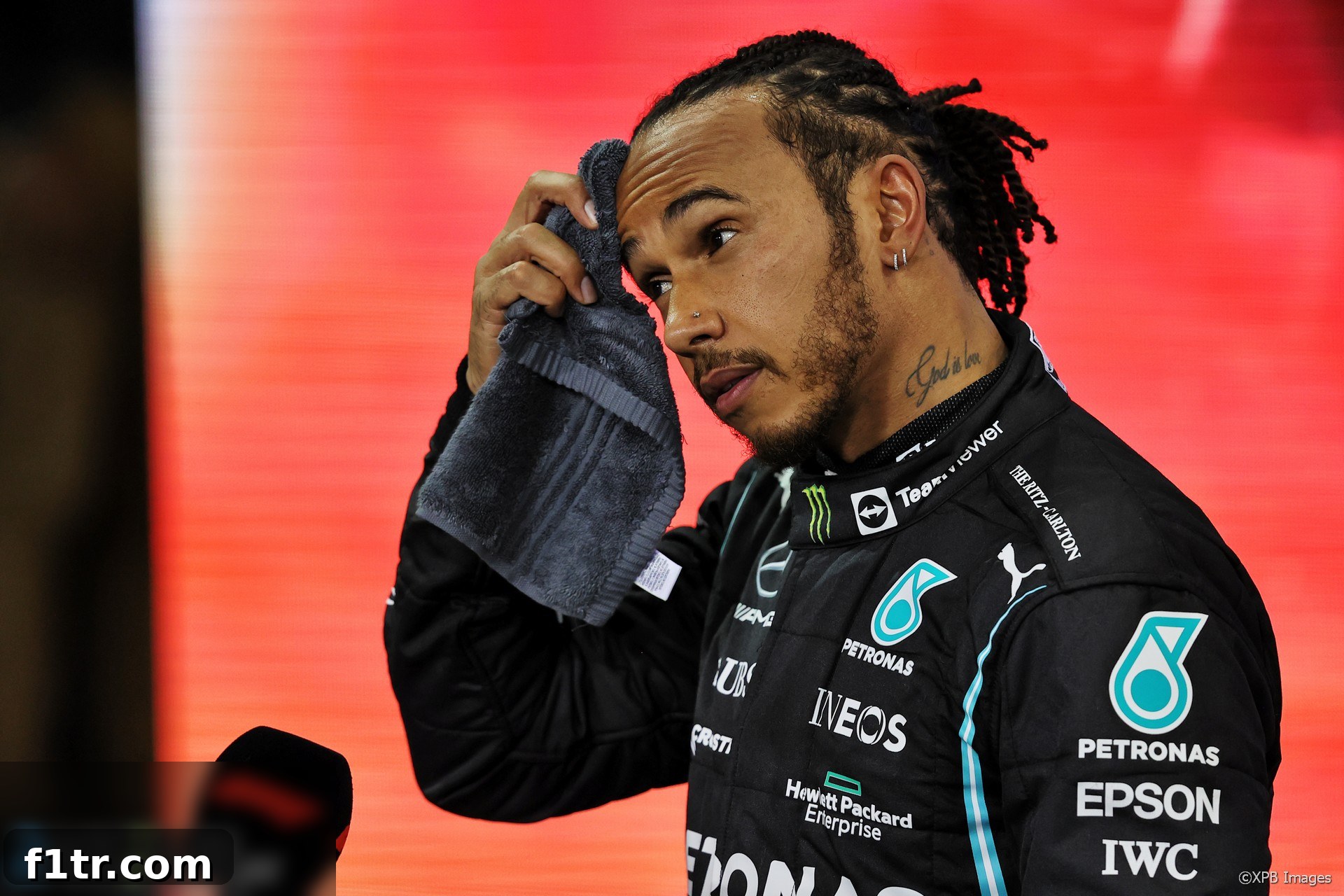
The esteemed world of Formula 1 finds itself once again at a critical juncture, shadowed by the conspicuous absence of seven-time world champion Lewis Hamilton from the annual FIA Prizegiving ceremony. This event, a traditional culmination of the motorsport season, serves to honor the champions and top performers across various FIA disciplines. Hamilton’s decision not to attend, following a bitterly contested 2021 Formula 1 season finale, has ignited widespread debate and placed him squarely in the sights of the sport’s governing body, the FIA, potentially risking a severe sanction.
The controversy stems from the dramatic conclusion of the Abu Dhabi Grand Prix, where Hamilton, poised to secure an unprecedented eighth world title, was overtaken by Max Verstappen on the final lap under highly contentious circumstances. This outcome, which saw Verstappen crowned world champion, left Hamilton and his Mercedes-AMG Petronas F1 Team deeply aggrieved, leading to protests and a palpable sense of injustice that permeated the sport. Hamilton’s non-attendance at the glitzy Paris ceremony, where the top three drivers are formally celebrated, is widely seen as a direct protest against the events of that fateful race, a silent yet potent statement against what he and his team perceived as a violation of fair play and sporting integrity.
Article 6.6 of the Formula 1 Sporting Regulations explicitly mandates the presence of the championship’s top three drivers at this prestigious event. The rule is clear, leaving little room for interpretation: “the drivers finishing first, second and third in the championship must be present at the annual FIA prizegiving ceremony.” Hamilton’s deliberate absence therefore constitutes a clear breach of these regulations, setting a precedent that the newly elected FIA President, Mohammed Ben Sulayem, must now address with utmost care and impartiality.
Mohammed Ben Sulayem, a former rally driver and a respected figure in motorsport, was elected as the new FIA president on the very day of the ceremony. His first significant challenge in office is undoubtedly the unfolding situation involving Hamilton. Ben Sulayem, acknowledging the immense emotional toll the Abu Dhabi Grand Prix took on Hamilton, expressed understanding for the Mercedes driver’s frustration. “As a driver, I feel emotional,” Ben Sulayem stated, empathizing with the deep disappointment that such a loss could inflict. However, he quickly underscored the fundamental principle of motorsport governance: “But at the end of the day, rules are rules.” This statement sets the tone for the difficult path ahead, balancing empathy with the imperative to uphold the sport’s established framework.
The incoming president has made it clear that while he understands the human element of the situation, the regulations must be respected and reviewed meticulously. “So we are going to look into there, decide the rules there to be employed, was he in breach, I have to look into it,” Ben Sulayem confirmed, indicating a thorough investigation into the matter. The decision on how to proceed rests firmly with him. He has several options, ranging from referring the matter to an International Tribunal hearing, a more formal and potentially lengthy process, to having it decided by the FIA stewards at the next round of the world championship, which is scheduled for Bahrain in March. The chosen path will send a strong message about the FIA’s commitment to its own rules and its approach to disciplinary matters concerning its most prominent figures.
While Ben Sulayem signaled his willingness to reconsider and potentially improve existing regulations, emphasizing that “Rules are made by humans, they can improve and change by humans,” he stressed the immediate need to familiarize himself with the intricate details of Hamilton’s case before rendering any judgment. His candid acknowledgment of Hamilton’s emotional state, describing him as “really sad about what happened” and even “broken,” highlights the deep impact of the championship decider. Yet, as a new president, he rightly asserted the need for due process: “But, if there was any breach, I cannot – just a few hours now I’ve been president – just start giving answers without going back to the facts.” This measured approach suggests a desire for fairness and a commitment to understanding the full context before imposing any punitive measures.
The potential implications of this situation are far-reaching. A sanction against Lewis Hamilton, arguably the most recognizable and influential figure in modern Formula 1, could range from a reprimand or a fine to a more severe penalty, such as a points deduction in a future championship or even a temporary ban from competition, though the latter is highly unlikely for such an offense. The FIA’s decision will not only affect Hamilton personally but also set a crucial precedent for driver conduct and the enforcement of sporting regulations. It tests the authority of the governing body and its ability to maintain order and discipline, particularly when faced with actions stemming from deep-seated grievances.
Furthermore, this incident throws a spotlight on the broader relationship between drivers, teams, and the FIA. For a sport that thrives on passion, competition, and the human element, ensuring that regulations are applied consistently and fairly is paramount to preserving its credibility. The events of the Abu Dhabi Grand Prix sparked a global debate about officiating standards and the integrity of the championship outcome. Hamilton’s subsequent silence and absence from the ceremony can be interpreted as a silent plea for accountability and a desire for meaningful change within the sport’s governance.
The F1 community will be watching closely to see how President Ben Sulayem navigates this delicate situation. His handling of Hamilton’s breach will define his early presidency and significantly influence the trust and confidence that teams and drivers place in the FIA. It is an opportunity to demonstrate strong leadership, ensure transparency, and reinforce the principle that while human emotions are understandable, the rules that govern the sport are non-negotiable for all participants, regardless of their stature. The outcome will undoubtedly shape discussions about sporting regulations, driver responsibilities, and the overall governance of Formula 1 for seasons to come, emphasizing the need for clarity, consistency, and fairness in a sport where every decision carries immense weight.