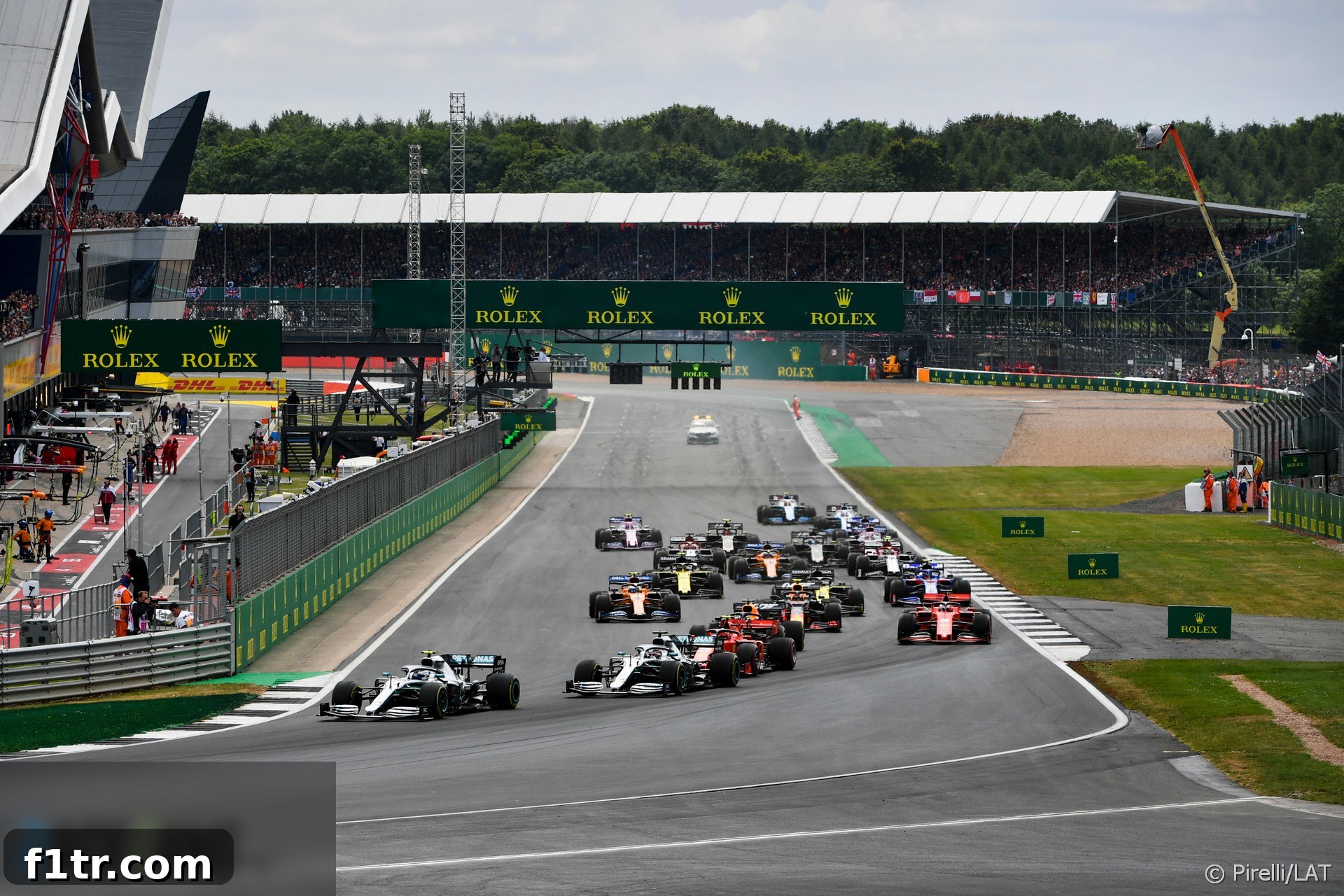
The iconic British Grand Prix, a cornerstone of the Formula 1 calendar, is almost certain to be postponed from its traditional mid-July slot. This critical assessment comes from Derek Warwick, a former president of the British Racing Drivers’ Club (BRDC) and a respected voice in motorsport. Warwick’s insights highlight the immense challenges facing major sporting events worldwide due to the ongoing global pandemic, yet he expresses confidence in Silverstone’s significantly improved financial health to withstand the impending economic shock.
The Unavoidable Delay: A Grand Prix on Hold
Warwick, a veteran of 146 Formula 1 races and now a BRDC vice-president, shared his perspectives in an exclusive interview, stating, “As a BRDC member I can only have praise for the board and for [Silverstone managing director] Stuart Pringle who has done an amazing job this last five, 10 years. When I was on the board and also as president I very much admired the people I was working with.” His comments underscore the leadership that has steered Silverstone through previous turbulent times. However, the current crisis is unprecedented, forcing organisers to re-evaluate the scheduled July 19th date for the British Grand Prix.
“It’s going to be tough for Silverstone if we cancel,” Warwick admitted, reflecting on the grim reality. “And you have to say that we’re not looking like we’re going to be on top of this thing by the middle of July, so it will for sure, I think, be postponed hopefully for a later date.” This sentiment echoes the broader consensus within the sporting world, where event cancellations and postponements have become commonplace as nations grapple with public health restrictions and travel bans. The prospect of the British Grand Prix moving from its summer peak to a potentially cooler, later slot presents myriad logistical and financial implications, yet it remains the most viable path forward for the foreseeable future.
The Insurance Dilemma: A Stark Contrast with Wimbledon
The financial ramifications of postponement are particularly stark for Silverstone, especially when compared to other major UK sporting events. The Wimbledon tennis tournament, which was set to run from June 29th to July 13th, has already been cancelled. Crucially, Wimbledon reportedly secured comprehensive insurance coverage specifically against disruption caused by a pandemic, leading to a substantial nine-figure payout. This foresight has provided a significant buffer for the All England Lawn Tennis Club.
Silverstone, unfortunately, does not benefit from similar protection for its flagship event. “It’s going to hurt them financially,” Warwick confirmed. “They’re not insured for this virus, that’s for sure. So there will be a loss. How big that loss is I have no idea.” This lack of pandemic-specific insurance means that any financial losses incurred from a postponed or cancelled Grand Prix will directly impact the circuit’s bottom line. The absence of ticket sales, hospitality packages, and merchandise revenue for a significant period could pose a severe test, making prudent financial management even more critical.
Silverstone’s Strengthened Position: A Foundation for Resilience
Despite the looming financial hit, Warwick expresses a degree of optimism rooted in Silverstone’s improved financial standing. Just last year, the circuit successfully negotiated a crucial new deal with Formula 1’s commercial rights holder, Liberty Media, ensuring the British Grand Prix’s future for years to come. This agreement was a significant turnaround from previous years when Silverstone had activated an exit clause in its older contract, signed under Liberty’s predecessors, CVC. This new arrangement not only secured the race but also reflected a more stable financial footing for the BRDC-owned venue.
“If this had happened – probably five years ago but certainly 10 years ago – could the club have handled it then? No. Has the club come a long way in the last five years? Absolutely,” Warwick stated emphatically. This stark comparison highlights the remarkable transformation Silverstone has undergone, largely attributed to strong leadership and strategic financial planning. “It’s actually got cash in the bank and it can do a good job. But you wouldn’t want this to go on too long. And if we can run the grand prix at a later date, we will get a lot of money back that otherwise, we’d have lost, I suspect.” This current resilience is a testament to years of diligent work, ensuring that while the financial blow will be significant, it is not existential.
The Spectator Question: Racing Behind Closed Doors?
The potential scenarios for a rescheduled British Grand Prix range from optimistic to stark. Formula 1 motorsport director Ross Brawn has openly acknowledged that the series is considering whether races will have to be held behind closed doors this year. For a circuit like Silverstone, which thrives on the energy and revenue generated by its passionate fanbase, this presents a significant dilemma. Warwick’s “best-case scenario” involves holding a postponed race with a full crowd later in the year, maximizing both the fan experience and the circuit’s much-needed revenue streams.
“Whether that’s going to be possible, I have a big question mark,” he admitted. The logistics of ensuring public safety for tens of thousands of attendees, even months down the line, are formidable. Should a fan-less race become the only option, Warwick believes that “the board and Stuart Pringle are already speaking to Formula 1 on whatever the current financial situation is.” This indicates ongoing negotiations and a willingness to adapt, even if it means compromises. A race without spectators would undoubtedly reduce the financial returns, but it might still offer a vital income stream from television rights and potentially a portion of the hosting fee, which would be crucial to mitigating overall losses for Silverstone and contributing to the global F1 season.
Wider Implications for the 2020 F1 Season
The British Grand Prix’s predicament is a microcosm of the challenges facing the entire 2020 Formula 1 season. With numerous races already postponed or cancelled, Liberty Media and the F1 teams are under immense pressure to salvage as much of the championship as possible. The discussions around “ghost races” (events without fans) highlight the desperate need to fulfill broadcasting contracts and maintain financial viability for teams and promoters alike. The decisions made regarding Silverstone will likely influence strategies for other circuits around the globe.
The absence of racing impacts not only the circuits and the F1 ecosystem but also the local economies that benefit from these events. Hotels, restaurants, transport services, and countless small businesses in the Silverstone area rely heavily on the influx of fans and teams. A postponement, particularly one that leads to a reduced crowd or no spectators, will have ripple effects far beyond the track. However, the inherent spirit of innovation and adaptation within F1, coupled with Silverstone’s demonstrated resilience, offers a glimmer of hope that the engines will roar again, even if the cheers are initially muted.
Video: Could F1 race behind closed doors?
Related 2020 F1 season articles:
- Grosjean to make F1 test return tomorrow for first time since Bahrain horror crash
- Pictures: Wrecked chassis from Grosjean’s Bahrain fireball crash to go on display
- Bottas vs Rosberg: Hamilton’s Mercedes team mates compared after 78 races each
- F1 revenues fell by $877 million in Covid-struck 2020 season
- Hamilton and Mercedes finally announce new deal for 2021 season
Browse all 2020 F1 season articles