Formula 1, the pinnacle of motorsport, is constantly evolving, not just on the track but also in its strategic direction. A key area of focus for the sport’s leadership is ensuring its long-term viability and appeal to major automotive manufacturers. In a revealing statement, motorsport director Ross Brawn expressed his strong desire to see manufacturers encouraged back into the fold through forthcoming new power unit regulations, which are slated to arrive “no later than 2026.” This ambitious timeline reflects a proactive approach to address the shifting landscape of the automotive industry and F1’s place within it.
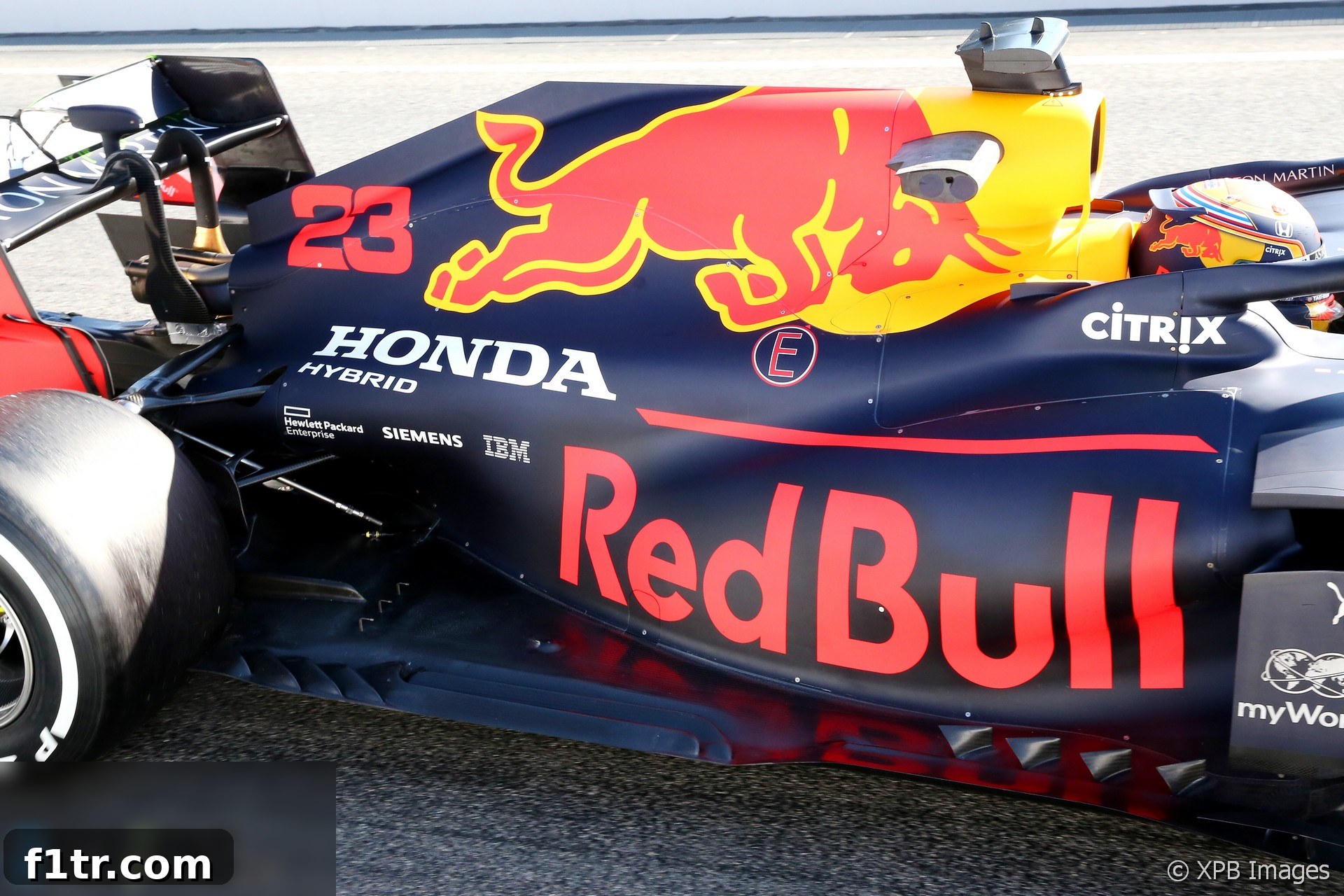
Brawn, a figure with a storied career in Formula 1, including a significant stint as technical director for Honda’s final F1 team prior to their most recent departure, openly admitted his disappointment regarding the Japanese manufacturer’s latest decision to withdraw from the sport. Honda’s history in F1 is a roller coaster of entries and exits, a pattern Brawn is all too familiar with.
“It is unfortunate Honda are leaving Formula 1 at the end of 2021,” he remarked, reflecting on the cyclical nature of their involvement. “It’s the fourth time in my racing career they stepped back and come back again.” This historical perspective underscores a crucial challenge for Formula 1: retaining manufacturer commitment amidst changing global economic and technological pressures.
Despite the current setback, Brawn maintains a distinctly optimistic outlook regarding Honda’s potential return in the future. He believes that as global circumstances shift and as Formula 1 itself adapts, the door remains open for re-engagement. “I’m optimistic when their situation changes and when F1 evolves, we can engage them again as Honda have always been important and welcome members of the F1 community in the past and hopefully for the future,” Brawn stated, highlighting the enduring value Honda has brought to the sport.
The sentiment is clear: Formula 1 understands the critical role manufacturers play, not just as engine suppliers but as innovators, investors, and brand enhancers. Their presence elevates the sport, driving technological advancements and broadening its global appeal. However, retaining these titans of industry requires more than just tradition; it demands relevance and alignment with their broader corporate objectives.
The global automotive sector is undergoing a monumental transformation, driven by sustainability concerns, the push for electrification, and the rapid development of autonomous driving technologies. Formula 1 recognizes it cannot exist in a vacuum, detached from these industry-wide shifts. Brawn articulated this necessity: “All automotive companies are facing massive challenges at the moment, and we as F1 need to respond to that and make sure F1 meets those challenges, stays relevant and becomes more relevant to provide automotive partners with viable challenges within F1 which can provide support with their objectives away from F1.”
This statement encapsulates a fundamental strategy: positioning Formula 1 not merely as a racing spectacle but as a highly relevant research and development platform for future automotive technologies. By offering challenges within the sport that directly contribute to manufacturers’ real-world R&D goals – particularly in areas like sustainable fuels, advanced hybrid systems, and energy efficiency – F1 aims to create a compelling incentive for their continued investment and participation.
The Dawn of a New Power Unit Era: Attracting Innovation and Investment
The most concrete manifestation of F1’s response to these challenges lies in the eagerly anticipated new power unit regulations. These rules, designed to replace the current highly complex and expensive V6 hybrid engines, are scheduled to come into force in 2026. However, Brawn’s comments suggest an openness to potentially accelerating this timeline, indicating a sense of urgency within the sport’s leadership.
“I hope a new power unit formula which will be introduced no later than 2026 will encourage them to come back again,” Brawn reiterated, underscoring the central role of these regulations in the strategy to lure manufacturers. The goal is to craft an engine formula that is more cost-effective to develop and produce, more technologically relevant to road cars, and significantly more sustainable.
The current V6 turbo-hybrid era, while a marvel of engineering, has presented significant barriers to entry due to its exorbitant development costs and extreme complexity. A new formula is envisioned to simplify certain aspects, potentially reducing the number of costly components, while simultaneously increasing focus on areas like electrification and the use of advanced sustainable fuels. This balance aims to make F1 an attractive proposition for both incumbent manufacturers and potential new entrants, ensuring a healthy and competitive grid for years to come.
Collaborative Future: Engaging Manufacturers in Rule-Making
Beyond simply creating new rules, Formula 1 is committed to a collaborative approach in their development. Brawn highlighted the importance of involving manufacturers directly in shaping the future of the sport’s technical regulations. “We’ll also be encouraging them to be part of new FIA working groups, which will recommend what sort of power unit we will adopt in the future,” he explained.
This invitation to participate in the rule-making process is a critical strategic move. By bringing manufacturers, including those like Honda who have recently departed, to the table, F1 fosters a sense of ownership and ensures that the new regulations are tailored to address their concerns and align with their technological roadmaps. Direct input from automotive giants can help streamline development, reduce unforeseen costs, and guarantee that the chosen path resonates with their corporate ethos and technological capabilities.
The FIA (Fédération Internationale de l’Automobile), as the governing body of motorsport, plays a pivotal role in facilitating these working groups. Their objective is to forge a consensus among various stakeholders – teams, manufacturers, and technology partners – to define an engine formula that is innovative, sustainable, exciting for fans, and economically viable for participants. The inclusion of Honda, despite their current exit, is a testament to their historical significance and the hope that their expertise will contribute to a formula that might eventually draw them back.
Brawn concluded his remarks with a hopeful note on Honda’s future engagement: “[Honda] have been great partners in F1 and I look forward to working with them in future.” This statement reflects not just personal admiration but a strategic open door, signaling that Formula 1 views its relationships with manufacturers as long-term partnerships, even through periods of hiatus.
The future of Formula 1 hinges on its ability to adapt and innovate, not only in terms of racing technology but also in its business model and environmental responsibility. By actively pursuing new power unit regulations that align with the automotive industry’s sustainable future, and by fostering collaborative relationships with key manufacturers, Formula 1 is laying the groundwork for a robust and engaging era. The hope is that these strategic shifts will indeed encourage the return of familiar names like Honda, along with attracting new ones, securing the sport’s status as a pinnacle of technological innovation and thrilling competition.
Related Content: 2020 F1 Season & Beyond
- Grosjean to make F1 test return tomorrow for first time since Bahrain horror crash
- Pictures: Wrecked chassis from Grosjean’s Bahrain fireball crash to go on display
- Bottas vs Rosberg: Hamilton’s Mercedes team mates compared after 78 races each
- F1 revenues fell by $877 million in Covid-struck 2020 season
- Hamilton and Mercedes finally announce new deal for 2021 season
Browse all 2020 F1 season articles