F1’s Future Talent: Guenther Steiner Weighs In on Mandatory Rookie Practice Sessions
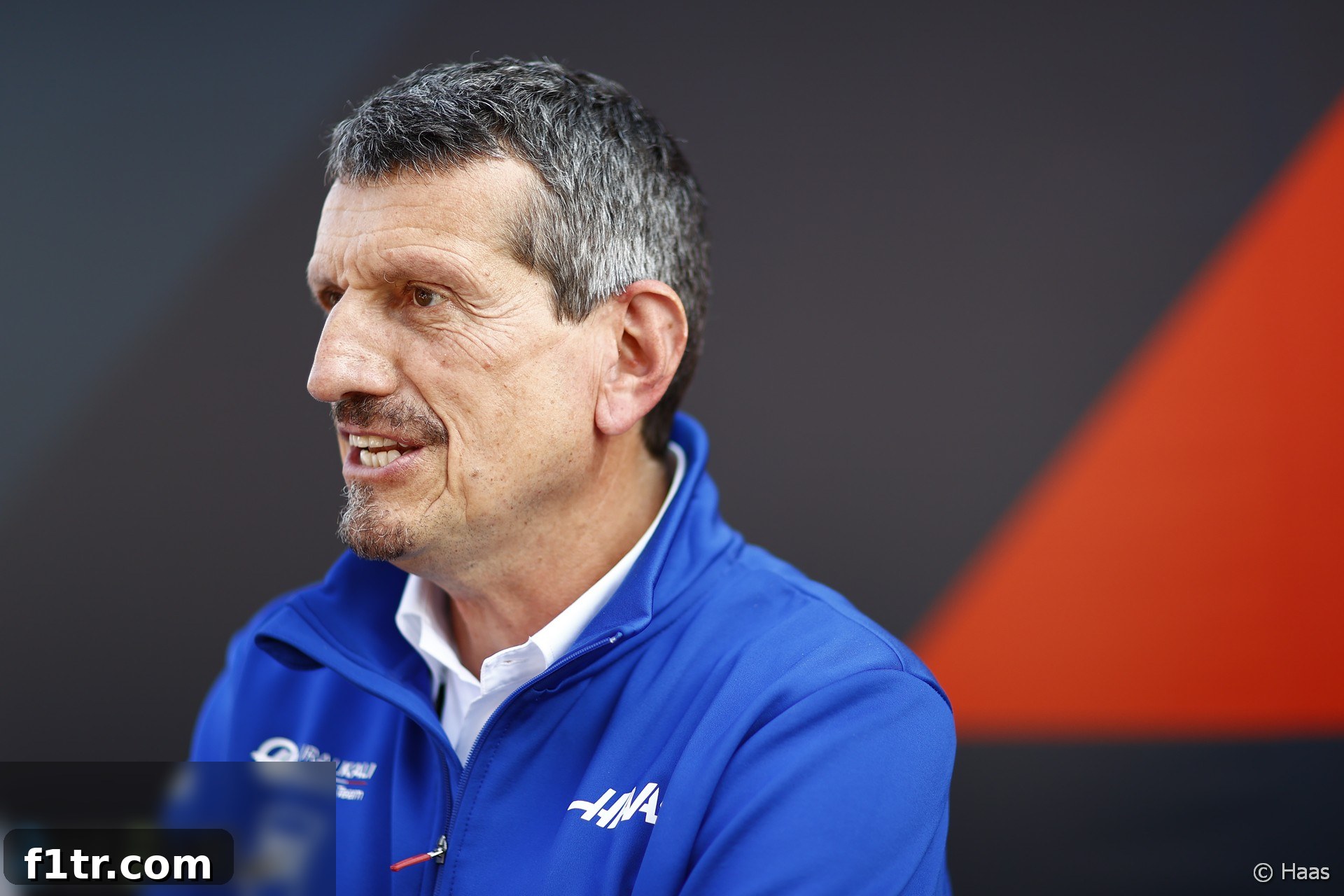
Formula 1, a pinnacle of motorsport, constantly seeks to balance innovation with tradition, speed with safety, and fierce competition with sustainable growth. At the heart of its long-term health lies the continuous influx of new talent. This dynamic was recently brought to the forefront when Haas team principal Guenther Steiner expressed his openness to a potential future rule change that would mandate F1 teams to run rookie drivers during Friday practice sessions.
The suggestion, reportedly put forward by Formula 1 CEO Stefano Domenicali, proposes that teams could be required to provide testing opportunities for new drivers as early as the next season. This initiative aims to address a growing concern within the sport: the diminishing chances for aspiring F1 drivers to gain crucial seat time in current-generation machinery.
The Rookie’s Gauntlet: A Shrinking Pathway to Formula 1
The journey to Formula 1 has always been arduous, but recent years have added new layers of complexity, particularly for drivers transitioning from junior categories. Guenther Steiner, whose Haas team currently fields two F1 newcomers in Mick Schumacher and Nikita Mazepin, is intimately familiar with the challenges facing rookies. With pre-season testing drastically reduced to a mere three days across the entire grid – a stark contrast to previous eras that afforded weeks of running – the opportunities for non-F1 drivers to experience a modern Grand Prix car are severely limited.
Beyond the official pre-season shakedowns and the post-season rookie tests, which typically offer only a fleeting glimpse of an F1 car’s capabilities, young drivers have few avenues to demonstrate their potential. This scarcity of testing time means that when a rookie finally gets their chance in a Grand Prix, they are often thrown into the deep end with minimal preparation. This lack of experience not only puts pressure on the driver but also on the team, as they need to bring a new driver up to speed quickly in a high-stakes environment.
Some F1 teams, recognizing this critical gap, have resorted to ingenious solutions permitted by the regulations. For instance, outfits like Ferrari and Alpine have utilized older-specification cars for private testing sessions, providing invaluable seat time for their junior drivers. While beneficial, these private tests are expensive and not universally accessible, highlighting the need for a more standardized and accessible pathway for talent development within the sport.
Steiner’s Pragmatic View: Openness, But With Caveats
When questioned about the proposed rule change, Steiner adopted a pragmatic stance, indicating he would not oppose its introduction after the current season. “It depends when it comes,” Steiner articulated. He candidly admitted that for Haas, specifically this year, such a rule “wouldn’t be beneficial for us.” This sentiment is understandable, given that Haas is already integrating two brand-new drivers into their lineup, a process that inherently comes with its own learning curve and challenges.
However, Steiner’s comments underscore a broader recognition of the problem within the F1 paddock. He conceded that “there is very little opportunity for a non-F1 driver to show what he can do or even sit in an F1 car because the tests are limited. So maybe this is something we should entertain.” His measured approach suggests a willingness to consider what is best for the sport’s long-term health, even if it presents short-term logistical hurdles for individual teams. While he might not be a “big fan” of the idea, his acceptance signals that the conversation around fostering young talent is crucial and warrants serious consideration by all stakeholders.
Domenicali’s Drive for Development: Securing F1’s Future
The impetus behind such a significant rule proposal undoubtedly stems from Formula 1 CEO Stefano Domenicali’s vision for a thriving and sustainable sport. Domenicali, a figure with deep roots in motorsport, understands the imperative of maintaining a robust talent pipeline. A healthy stream of young, promising drivers not only ensures the sport’s competitiveness but also enhances its appeal to fans, who are always eager to witness the rise of future champions.
Mandatory rookie practice sessions could be a strategic move to democratize access to F1 experience, moving beyond the reliance on expensive private testing or the limited slots in post-season events. It aligns with a broader strategy to ensure that talent, rather than solely financial backing, becomes a more decisive factor in a driver’s progression. By embedding rookie exposure directly into the Grand Prix weekend format, F1 could signal a renewed commitment to nurturing the next generation of stars, thereby safeguarding its future and maintaining its reputation as the ultimate proving ground for racing excellence.
Unlocking Potential: The Benefits of Mandatory Rookie Sessions
Introducing mandatory rookie running during Friday practice sessions could yield a multitude of benefits for both the drivers and the sport as a whole. Foremost among these is the invaluable driver development opportunity. Young drivers would gain crucial seat time in a live F1 environment, allowing them to familiarize themselves with the car’s complex systems, the intricacies of working with an F1 team, and the unique pressures of a Grand Prix weekend. This experience is indispensable for honing their skills and preparing them for a full-time F1 career.
For teams, these sessions offer a structured environment for talent scouting and evaluation. Instead of relying solely on simulator work or limited tests, teams could assess prospective drivers’ real-world performance under competitive conditions. This would provide richer data and a clearer understanding of a driver’s potential, aiding in more informed recruitment decisions. Furthermore, the mandatory nature of the rule would level the playing field, ensuring that all teams contribute to and benefit from the collective effort of developing young talent.
From a fan engagement perspective, the sight of new faces on track during Friday practice could generate additional excitement. It would allow spectators to follow the progress of up-and-coming talents, building anticipation for their potential full-time debuts. This investment in future stars could foster a deeper connection between fans and the sport, creating new narratives and rivalries for years to come.
Navigating the Pitfalls: Challenges and Considerations for Teams
Despite the clear advantages, the implementation of mandatory rookie practice sessions is not without its challenges. Teams would need to address several logistical, operational, and financial considerations. One primary concern is the increased workload on team personnel. Friday practice sessions are already intensely busy, with mechanics and engineers working tirelessly to optimize car setup. Introducing a rookie driver would require additional preparation, dedicated engineering support, and potentially more pressure on an already stretched workforce.
Another significant factor is the potential impact on car setup and data acquisition. Rookies, by definition, lack the experience of seasoned F1 drivers. Their feedback might not be as precise, and their ability to push the car to its absolute limit might be constrained, potentially affecting the quality of data gathered for race weekend setup. This could be particularly critical in tight championship battles where every tenth of a second counts.
Moreover, the risk of accidents is a perennial concern. Inexperienced drivers are statistically more prone to errors, which could lead to costly damage to the car. In an era of budget caps and strict component allowances, an avoidable crash during a practice session could have severe financial repercussions and compromise a team’s entire race weekend strategy. Balancing the need for driver development with the imperative of car preservation would be a delicate act.
Charting the Course Forward: Implementation and Industry Consensus
As Steiner rightly pointed out, any such rule change would necessitate collective agreement among all key stakeholders: the teams, the FIA (F1’s governing body), and FOM (Formula One Management). The specifics of the rule would need careful negotiation. Questions would arise regarding the frequency of these sessions, the number of rookie drivers a team must run per season, and the precise timing of their appearances. Would it be limited to specific tracks, or would it be a standing requirement at every Grand Prix? Clarity on these details would be vital for smooth implementation.
Consideration would also need to be given to the definition of a “rookie.” Would it encompass any driver without F1 race experience, or would there be a cap on the number of Grand Prix starts before a driver is no longer considered a rookie for these purposes? Establishing clear guidelines would prevent ambiguity and ensure fairness across the grid.
The conversation around mandatory rookie practice sessions reflects a healthy and forward-thinking approach to Formula 1’s future. It underscores the sport’s commitment to nurturing talent and ensuring that the pinnacle of motorsport remains accessible and vibrant for generations to come. While complexities exist, the overarching goal of fostering young drivers is one that resonates deeply within the F1 community.
Conclusion
Guenther Steiner’s willingness to accept a future rule mandating rookie drivers in Friday practice sessions highlights a growing consensus within Formula 1 regarding the importance of nurturing its young talent. While practical challenges and logistical considerations are undeniable, the long-term benefits of providing a structured pathway for aspiring drivers are immense. By embracing such initiatives, F1 can ensure a continuous stream of competitive talent, reinforce its appeal to fans, and secure its position as a global sporting spectacle for years to come. The dialogue initiated by Stefano Domenicali, and met with cautious optimism by figures like Steiner, marks an essential step in this vital developmental journey for the sport.
2021 F1 season
- Masi ‘basically gifted the championship’ to Verstappen says 2021 FIA steward Sullivan
- Las Vegas race backers looking to extend F1 deal beyond 2025
- Why Mercedes put ‘a reminder of joy and pain’ on display in their factory lobby
- Verdict on error in GT race suggests Mercedes would have lost 2021 Abu Dhabi GP appeal
- Title ‘stolen’ from Mercedes made us ‘underdogs people cheer for’ – Wolff
Browse all 2021 F1 season articles