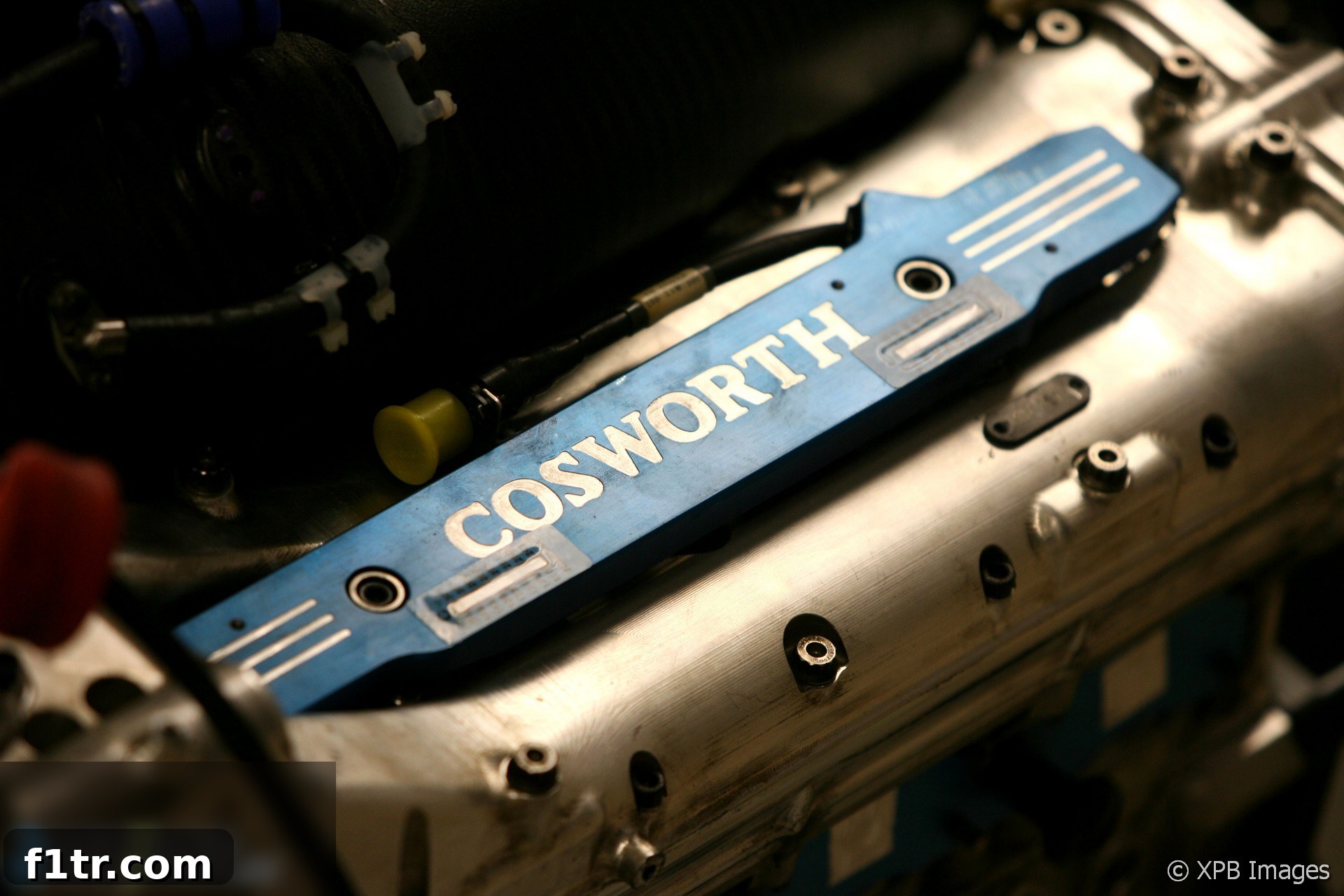
The unexpected departure of Honda from Formula 1 at the close of the 2021 season has ignited a crucial debate within the sport regarding its future power unit regulations. This significant announcement has prompted key figures, including McLaren team principal Andreas Seidl, to advocate for a profound re-evaluation of Formula 1’s engine strategy, particularly focusing on the potential re-entry of independent engine manufacturers like Cosworth. Seidl’s insights highlight a critical crossroads for the sport, suggesting that F1 must decide whether to continue down a path of cutting-edge, road-relevant hybrid technology or pivot towards a simpler, more cost-effective power unit design aimed purely at racing competition. This decision, he stresses, is paramount for attracting new blood into the highly competitive and technologically demanding world of Formula 1 engine supply, ensuring a robust and diverse grid for the future.
Cosworth, a storied name synonymous with Formula 1 success for decades, last participated in the sport at the end of 2013, coinciding with the introduction of the current V6 hybrid turbo engine regulations. Their withdrawal, alongside other independent suppliers, underscored the immense financial and technical hurdles presented by the new, complex hybrid era. Seidl’s suggestion to explore their return is not merely nostalgic; it’s a strategic move to ensure a healthy and diverse ecosystem of engine suppliers, preventing a scenario where only a handful of large automotive manufacturers can afford to compete. The discussion around the 2026 engine regulations now becomes a pivotal moment, shaping the technological identity and competitive landscape of Formula 1 for years to come. The emphasis on independent manufacturers suggests a desire to broaden participation and potentially reduce the sport’s reliance on manufacturers whose corporate strategies can change quickly.
Advert | Become a Supporter & go ad-free
Andreas Seidl outlined “two possible directions” for the evolution of Formula 1’s power unit technology, each carrying distinct implications for the sport’s identity and its attractiveness to potential manufacturers. The first direction involves a continued pursuit of power units that represent the zenith of automotive technology, serving as a platform for developing future road car innovations. This approach resonates strongly with major automotive original equipment manufacturers (OEMs) such as Mercedes, Ferrari, and Renault, who leverage their F1 participation for extensive research and development, brand prestige, and showcasing their engineering prowess. For these global brands, Formula 1 provides an unparalleled proving ground and marketing tool, often justifying the substantial investment required for designing and implementing complex hybrid systems.
However, Seidl also presented a compelling alternative: a radical shift towards power units that are significantly less complex and, crucially, far more affordable. This second direction is specifically tailored to appeal to independent engine specialists who might be deterred by the current costs and intricacies. Such a move could open the door for renowned companies like Cosworth or Ilmor, entities known for their engineering excellence but lacking the vast financial resources of automotive giants. The argument here is that by simplifying the technology, F1 could foster more competition among engine suppliers, potentially leading to closer racing, increased engine noise (a frequent fan request), and a more sustainable model for smaller, dedicated engine builders. The balance between maintaining cutting-edge technological innovation and ensuring accessibility is a delicate one, and Formula 1’s leadership faces the challenge of striking the right chord for its long-term health and appeal.
Seidl firmly stressed that this fundamental decision regarding the future philosophy of Formula 1 power units must be made with absolute clarity and precision before any new manufacturer, whether a major OEM or an independent, would seriously consider entering the sport. “The key will be that Formula 1, along with FIA and teams and the engine manufacturers plus potential new manufacturers, work out now a clear plan of, first of all, how the next evolution of the power unit regulations, evolution or revolution, will look,” he elaborated. This forward planning is vital because designing and manufacturing a competitive Formula 1 power unit requires immense lead times and substantial financial outlay. Without a stable and well-defined regulatory framework that offers a clear return on investment, the risk for potential newcomers is simply too high, discouraging any serious commitment or resource allocation.
The complexity and associated costs of the current V6 hybrid turbo engines have frequently been cited as major barriers to entry. Specifically, components like the MGU-H (Motor Generator Unit – Heat) have proven exceptionally challenging and expensive to develop, requiring highly specialized expertise and significant financial backing. Cosworth, for instance, previously indicated that the prohibitive cost of developing a competitive MGU-H system was a significant factor in their decision to remain outside F1, even as they expressed interest in returning under different circumstances. Seidl highlighted this, suggesting that initiatives to simplify power units and drive down costs are already in discussion. “There have been some good discussions, also initiatives in order to see how you could actually get costs down and simplify the power units also so in order to be more attractive for even the likes of Ilmor or Cosworth,” he commented, underscoring the ongoing efforts to make the sport more accessible and financially viable for a wider range of engineering firms. These efforts are not just about attracting new players but also about ensuring the long-term sustainability of existing engine suppliers.
Advert | Become a RaceFans supporter andgo ad-free
The importance of involving potential new manufacturers in the discussions about the 2026 engine rules cannot be overstated. Seidl believes that early engagement is crucial to ensure the regulations are attractive and viable for a broader spectrum of companies, catering to both established automotive giants and specialized independent firms. “It’s also important for the FIA, to have discussions with the automotive industry or with potential other power unit manufacturers, even private ones, to see what’s the right direction to take on the power unit regulations,” he advised. This inclusive approach would allow F1 to gather diverse perspectives and understand the specific needs and concerns of different types of manufacturers. Such collaboration fosters transparency, builds confidence, and ultimately leads to a more robust and universally appealing set of rules that could withstand the test of time and market fluctuations, thereby securing Formula 1’s future engine supply.
Into this complex landscape steps Formula 1’s incoming CEO, Stefano Domenicali, whose extensive experience in the automotive world makes him a particularly well-suited figure to steer the sport through these critical decisions. As a former Ferrari team principal and having headed up various automotive brands within the Volkswagen group, including leading the successful introduction of hybrid technologies at Lamborghini, Domenicali possesses a unique blend of racing acumen and industry insight. Seidl expressed strong confidence in Domenicali’s capabilities to navigate the intricate political and technical landscape: “I’m sure that’s something Stefano, together with Ross [Brawn] and Formula 1 will look into. Stefano is the right man to do this with all the experience he has, also working for the Volkswagen group. I’m sure that’s quite high up the list at the moment, in terms of priorities.” His leadership will be instrumental in balancing technological ambition with economic realities and strategic vision.
Andreas Seidl’s own professional background provides a compelling case study for balancing cutting-edge technology with prudent financial management. Drawing on his experience from highly competitive, budget-conscious prototype programmes, such as those in Le Mans Prototype (LMP) racing, he highlighted that it is indeed possible to develop innovative technologies without spiralling costs. “If you also take my experience from the past we have seen in projects like LMP, for example, it’s definitely possible – with the help of the regulations and with the limitations on the budget side, which were self-imposed on our side at this time – that you can actually still have powertrains with leading edge technology but for a lot less money,” Seidl explained. This perspective is vital for the 2026 regulations, suggesting that Formula 1 can maintain its status as a technological leader while simultaneously implementing cost controls that encourage broader participation and innovation without excessive expenditure.
The discussion also included the possibility of bringing forward the introduction of new power unit regulations, a move that could potentially accelerate F1’s transition into a new engine era. Seidl emphasized that the timing is secondary to the foundational question: “For me, the key question that needs to be answered first is what are the next power unit regulations? And from my point of view, this will that they find when it makes sense to introduce them.” However, he also acknowledged the strategic benefits of an earlier rollout: “But, of course, if it helps to keep the three current ones on board and if it helps to actually get new manufacturers on board, then obviously we would fully support to put the regulations forward or to introduce them earlier.” This flexibility demonstrates a pragmatic approach to securing the future grid and fostering competitive diversity among engine suppliers, prioritizing the overall health and attractiveness of the sport.
Despite Honda’s exit, Seidl remains optimistic about the overall health and popularity of Formula 1. He firmly believes that the sport’s platform continues to be robust and attractive, suggesting that Honda’s decision was likely driven by internal corporate restructuring or a shift in strategic priorities rather than any perceived decline in F1’s appeal. “If you look at what happened in the sport in the last years, the platform or Formula 1 is as big or even bigger as it has always been, which is great,” he asserted. This confidence in F1’s underlying strength is crucial, as a perception of a flourishing sport is often a prerequisite for attracting new commercial partners and, critically, new engine manufacturers who view their involvement as a valuable brand investment and a powerful marketing channel.
However, Seidl was equally realistic about the immediate future, categorically ruling out the likelihood of any new manufacturers entering the sport under the current engine regulations before the new rules for 2026 are firmly established. The current cost of entry and the extensive time required to develop a competitive power unit from scratch are simply too prohibitive under the existing framework. “I think it’s not realistic, to be honest, from my point of view, at the moment, that any new manufacturer will enter Formula 1 in the next year, under these current regulations, because the investment you have to make, plus the time you also need in order to have a competitive package available is just too big and takes too long,” he explained. This statement underscores the urgency and importance of making decisive progress on the 2026 regulations to create a genuinely attractive and viable pathway for future engine suppliers, thereby safeguarding the long-term competitive integrity of Formula 1.
Advert | Become a RaceFans supporter andgo ad-free
Further Insights from the 2020 Eifel Grand Prix
Delve deeper into the discussions and analysis surrounding the 2020 Eifel Grand Prix with these related articles:
- Renault “not scared of anywhere” in remaining races
- Bottas “needs a miracle” to overturn Hamilton’s 69-point lead
- 2020 Eifel Grand Prix Star Performers
- Leclerc sees ‘quite a few positives’ in Ferrari’s Nurburgring weekend
- Mercedes relied on DAS “more than ever” at cold Nurburgring
Browse all 2020 Eifel Grand Prix articles